

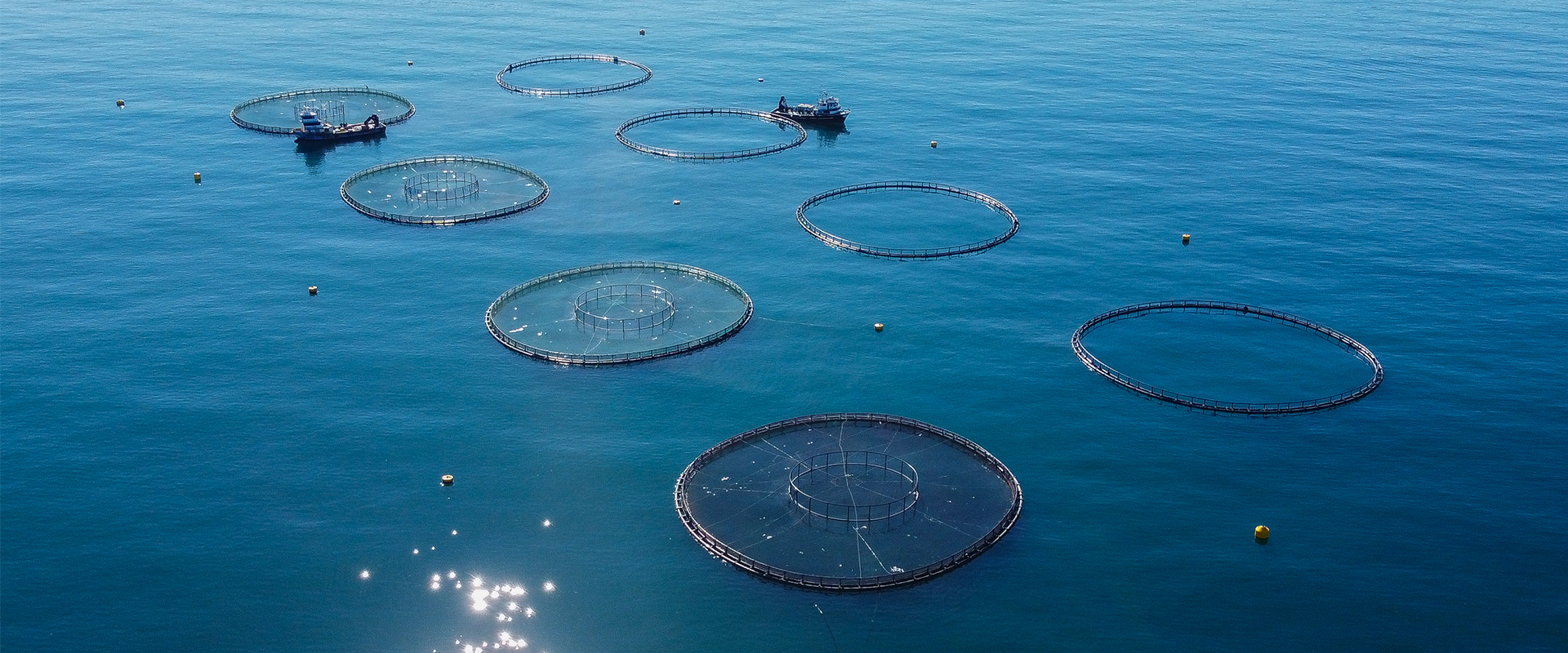
How farmed salmon fits a balanced, protein-rich diet
Farmed salmon can be a practical way to add high-quality protein, beneficial fats, and important micronutrients to everyday meals. Turkish salmon, including salmon associated with Black Sea aquaculture, can support a varied diet when it is selected, prepared, and stored appropriately.
A nutrient-dense choice for everyday meals
A balanced diet is not built around one ingredient. It combines protein sources, vegetables, fruits, whole grains, legumes, and healthy fats in proportions that suit an individual’s needs. Salmon can complement this pattern because it offers substantial salmon protein while also providing naturally occurring omega-3 fatty acids.
The benefits of Turkish salmon are therefore best understood as part of a broader eating routine. A salmon fillet can become the centre of a grain bowl, a salad, a simple family dinner, or a meal-prep recipe without requiring complicated preparation.
Why the combination matters
Protein helps support normal body maintenance and satiety, while salmon omega-3 contributes to a nutrient profile that is different from leaner protein sources. Together, these qualities make salmon a versatile part of a varied menu.
The main nutritional advantages of Turkish salmon
Turkish salmon nutrition can be considered through several connected qualities rather than a single headline nutrient.
Complete, convenient protein
Salmon provides high-quality protein containing the essential amino acids the body needs from food. This makes it useful for meals intended to support fullness and regular protein intake.
Beneficial omega-3 fats
One of the best-known farmed salmon benefits is its contribution of long-chain omega-3 fatty acids. Including oily fish in a varied diet can help diversify the types of fat consumed.
Useful micronutrients
Salmon can contribute nutrients such as vitamin D, vitamin B12, selenium, and other minerals. Exact amounts vary according to the fish, portion, and preparation method.
Flexible meal planning
Fresh salmon can be baked, grilled, poached, or pan-cooked. Its flexibility makes it easier to combine protein with vegetables, legumes, potatoes, or whole grains.
The process behind a more balanced salmon meal
The nutritional value of salmon is only one part of the experience. Selection, portion planning, cooking, and storage all influence how easily it fits into a healthy routine.
1. Choose a suitable product
When choosing fresh salmon, look for a clean appearance, firm flesh, and a fresh, mild smell. Packaging should be intact, and chilled products should remain properly refrigerated. Product information can also help you understand the source and handling conditions.
For shoppers exploring Turkish salmon, origin and supply-chain transparency are useful considerations. Kıyak Group connects this wider topic with its dedicated resource on the benefits of Turkish salmon, where readers can continue exploring the subject.
Build the plate around variety
A balanced salmon plate may include a portion of salmon, several kinds of vegetables, and a source of complex carbohydrates such as brown rice, bulgur, potatoes, or whole-grain bread. The final combination can be adapted to personal preferences and dietary needs.
Simple ways to include salmon in a weekly menu
A consistent eating pattern becomes easier when one ingredient can work across different meals and preparation styles.
Oven-baked salmon and vegetables
Place salmon with seasonal vegetables on a tray and season with herbs, lemon, or spices. Add a grain or potato side to create a complete dinner with limited preparation.
Protein-rich salad bowls
Flaked cooked salmon can be combined with leafy greens, beans, lentils, grains, and a yogurt- or olive-oil-based dressing. This format works well for a filling lunch.
Breakfast or brunch combinations
In suitable portions, cooked salmon can accompany eggs, whole-grain toast, avocado, or fresh vegetables. These combinations add variety to a protein-focused morning meal.
Planned leftovers
Cooked salmon can be used in a next-day grain bowl, wrap, or salad when cooled and stored promptly. Planning leftovers can reduce waste and make balanced meals more convenient.
Protect quality from the refrigerator to the table
Safe handling is an essential part of enjoying salmon. Good kitchen practices help preserve texture, flavour, and food quality.
Cook with a simple, controlled approach
Salmon can be prepared with moderate heat and a small amount of oil, depending on the recipe. Avoid relying only on colour to judge doneness; follow trusted food-safety guidance and ensure the centre is properly cooked. Clean utensils and separate raw fish from ready-to-eat foods.
- Keep raw salmon chilled until preparation.
- Wash hands and clean surfaces after handling raw fish.
- Use herbs, citrus, and spices to add flavour without making the meal overly complicated.
- Serve with vegetables and a suitable carbohydrate for a more balanced plate.
Storing salmon safely
Keep fresh salmon refrigerated according to the package instructions and use it within the recommended time. If it will not be used promptly, freezing may be appropriate when carried out with suitable packaging. Refrigerate cooked leftovers without unnecessary delay and reheat them thoroughly.
Farmed salmon and the importance of informed variety
Farmed salmon can offer convenience and a consistent way to include fish in the diet, but no single food needs to carry the entire nutritional plan.
Think beyond one nutrient
Comparing foods only by protein or fat can hide the bigger picture. Meal composition, portion size, preparation, personal needs, and overall dietary variety all matter when building sustainable eating habits.
Use reliable information when making decisions
Questions about Turkish salmon nutrition, Black Sea salmon, or farmed salmon benefits are best considered alongside product labelling and reputable food-safety or nutrition guidance. Individual dietary requirements may also vary, especially for allergies, pregnancy, medical conditions, or specific nutrition goals.
Kıyak Group’s focus on Turkish salmon provides a useful starting point for readers who want to understand the product more clearly. The practical goal is not to label one food as perfect, but to make informed choices that support a varied and enjoyable diet.
Make salmon part of a balanced routine
The benefits of Turkish salmon come from the way its protein, omega-3 fatty acids, micronutrients, and cooking flexibility can complement a varied diet. Farmed salmon can be especially useful for people looking for a practical fish option that works across lunches, dinners, and planned leftovers.
Choose carefully, handle the product responsibly, and pair it with vegetables, whole grains, or legumes. With these steps, salmon becomes more than a single ingredient: it becomes a versatile part of a protein-rich and balanced eating pattern.
A practical takeaway
Prioritise variety, safe handling, and thoughtful meal composition. Turkish salmon can then contribute valuable protein and omega-3 fats without replacing the diversity that makes a balanced diet sustainable.
Explore related content
Continue with pages and guides that complement this topic.
Questions about this topic
Clear answers to frequently asked questions related to the blog topic.
What are the main benefits of Turkish salmon?
Turkish salmon can provide high-quality protein, omega-3 fatty acids, and useful micronutrients such as vitamin B12, vitamin D, and selenium. Its nutritional contribution depends on the portion, product, and overall diet.
Is farmed salmon a good source of protein?
Yes. Salmon provides high-quality protein containing essential amino acids. It can be included in meals designed to support fullness and regular protein intake as part of a varied diet.
How can salmon omega-3 fit into a balanced diet?
Salmon omega-3 adds beneficial long-chain fatty acids to the diet. Including salmon alongside vegetables, whole grains, legumes, and other nutrient-dense foods supports dietary variety.
What should I look for when choosing fresh salmon?
Look for firm flesh, a clean appearance, and a fresh, mild smell. Check that packaging is intact, the product has been kept chilled, and available origin or handling information is clear.
How should salmon be stored safely?
Keep fresh salmon refrigerated according to its package instructions and use it within the recommended period. Freeze it if appropriate when it cannot be used promptly, and refrigerate cooked leftovers without unnecessary delay.