

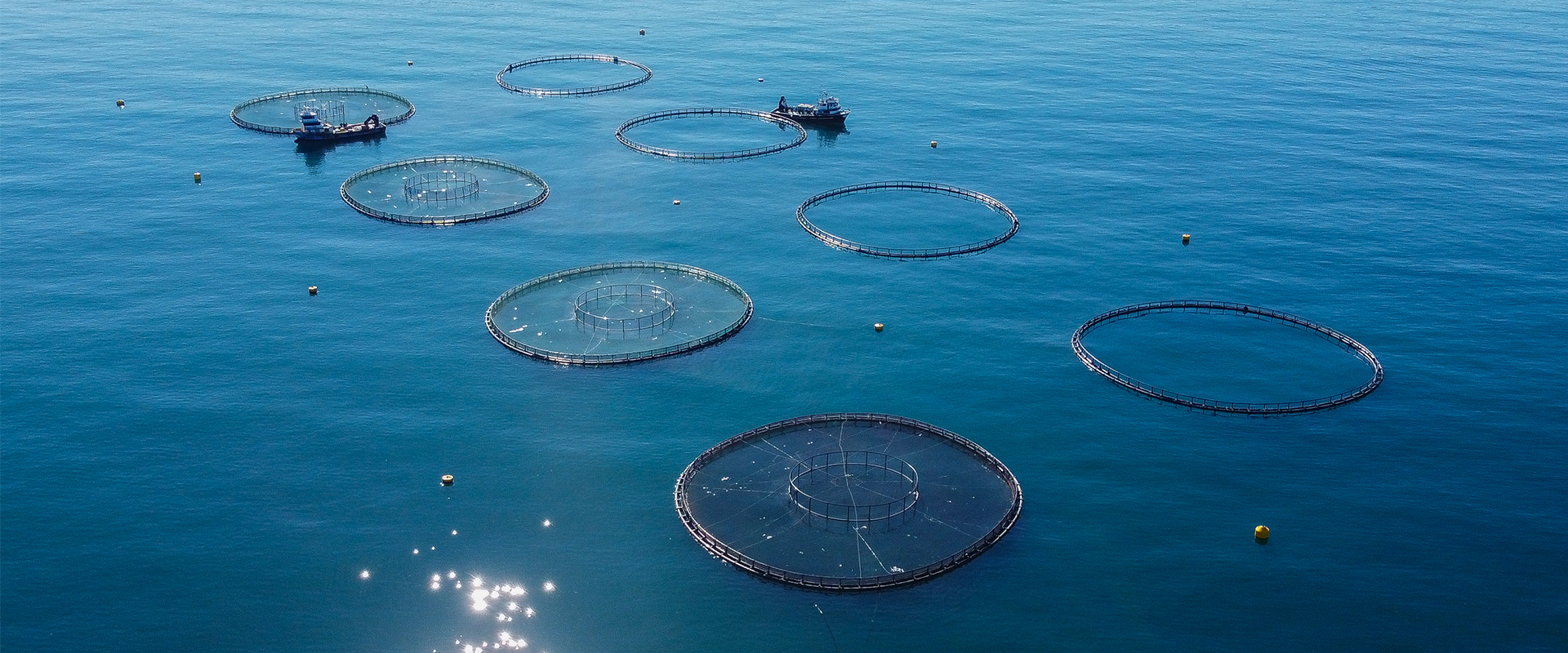
How Turkish salmon services support more confident sourcing
Sourcing Turkish salmon for a business requires more than finding a supplier and requesting a quotation. Turkish salmon services can help organise product specifications, farming and harvest information, processing capabilities, cold-chain planning, documentation, and communication so that the supply process is evaluated as a whole.
Start with a clear purchasing brief
Before contacting a Turkish salmon company, define what your business actually needs. A useful brief should describe the intended market, expected purchasing frequency, preferred product form, packaging requirements, delivery expectations, and the quality or compliance documents needed for your internal process.
This preparation makes supplier conversations more productive. It also helps distinguish between a general product enquiry and a sourcing project that needs Turkish salmon consulting, technical support, or project coordination.
The key principle
The best sourcing decision balances product suitability, supply consistency, processing capability, communication, and logistics rather than focusing on a single quotation.
Five factors to assess when choosing Turkish salmon services
A structured evaluation helps your team compare Turkish salmon supply options on practical and commercial grounds.
Product specification
Confirm the species description, size range, freshness or frozen status, presentation, trimming, glazing where relevant, and packaging format. Every detail should be written clearly so that the delivered product matches the purchasing brief.
Processing capability
Ask whether the supplier can support the required format, such as whole fish, fillets, portions, or another agreed presentation. Turkish salmon processing capabilities should be assessed against your market, equipment, and final sales channel.
Supply planning
Discuss expected availability, order cycles, lead times, minimum order considerations, and how changes in demand will be communicated. A realistic plan is more valuable than an assumption of unlimited supply.
Cold-chain coordination
Clarify temperature-control responsibilities from collection and processing through transport and delivery. The parties should understand handover points, packaging expectations, and the process for addressing delays or deviations.
Documentation and communication
Establish which commercial, product, shipment, and quality documents are required. Fast, precise communication is especially important when several suppliers, processors, logistics partners, or importing teams are involved.
Translate your market needs into salmon specifications
The right product depends on how and where your business will use it.
Define the end use first
A foodservice distributor, retailer, processor, and restaurant may all require different forms of Turkish salmon. A buyer serving restaurants may prioritise portion consistency, while a processor may focus on raw material characteristics and predictable arrival schedules. Retail packaging can introduce additional requirements around labelling, presentation, and shelf-life management.
When preparing an enquiry, separate essential requirements from preferences. This gives a supplier room to propose workable solutions without losing sight of your commercial objective.
Useful questions to include
- Which product form is required?
- What size or weight range is suitable?
- Is the product fresh, chilled, or frozen?
- What packaging and labelling details are needed?
- How frequently will orders be placed?
How to compare Turkish salmon sourcing options
Supplier comparison should examine the complete delivery model, not only the product name or initial response.
Check response quality
A detailed response that addresses specifications, availability, processing, documentation, and logistics can reveal more than a brief price indication. Look for clarity and consistency in the information provided.
Review the operating process
Ask how orders are confirmed, how changes are managed, and who coordinates the different stages. Clear roles reduce misunderstandings when a shipment involves multiple parties.
Match capability to scale
Your preferred supplier should understand whether the requirement is occasional, recurring, seasonal, or part of a larger project. The appropriate Turkish salmon solutions will depend on this operating context.
Document open points
Keep a written record of agreed specifications, delivery assumptions, document requests, and unresolved questions. This creates a practical reference for purchasing and quality teams.
Plan logistics and communication as one process
Even a suitable product can create operational problems if the supply chain is not coordinated from the beginning.
Build a shipment checklist
- Confirmed product and quantity
- Agreed packaging and handling requirements
- Collection and delivery responsibilities
- Required commercial and shipment documents
- Contact points for urgent updates
Use project coordination to reduce friction
For a first shipment or a more complex procurement arrangement, Turkish salmon professional services can help organise communication between the buyer, supplier, processor, and logistics providers. The aim is not to replace the buyer’s quality or purchasing decisions, but to ensure that requirements are understood and followed through.
Businesses looking for a coordinated starting point can review Kıyak Group’s Turkish salmon services and solutions to understand how a sourcing discussion may be structured around their specific requirements.
Common sourcing mistakes to avoid
Most avoidable problems begin before the order is confirmed.
- Using vague product language: Terms such as “salmon” or “standard fillet” may not define the details needed for purchasing and quality control.
- Discussing price before requirements: A low initial quotation may not represent the same specification, packaging, delivery scope, or documentation package as another offer.
- Ignoring the destination process: Import, customs, labelling, and receiving requirements should be reviewed by the responsible teams before shipment planning is finalised.
- Assuming every order is identical: Availability, timing, product form, and logistics conditions may change. Confirm the details for each order or agreed supply cycle.
- Leaving communication ownership unclear: Identify who confirms specifications, approves changes, shares documents, and reports delivery updates.
A reliable Turkish salmon supply process is built through clear specifications, realistic planning, documented communication, and coordinated execution.
Questions about Turkish salmon sourcing
These practical answers can help your team prepare for a sourcing discussion.
What should I define before sourcing Turkish salmon?
Define the intended market, product form, size or weight preferences, fresh or frozen status, packaging, labelling, delivery expectations, order frequency, and required documentation before contacting suppliers.
Can Turkish salmon be sourced in different product forms?
Product availability and processing options depend on the supplier and project requirements. Buyers should ask about suitable formats such as whole fish, fillets, or portions and confirm the exact specification in writing.
Why is cold-chain planning important for Turkish salmon supply?
Cold-chain planning helps clarify temperature-control responsibilities, handover points, packaging expectations, transport arrangements, and the process for responding to delays or deviations during delivery.
When might I need Turkish salmon consulting or project coordination?
Consulting or project coordination may be useful when several parties are involved, the product specification is complex, the buyer is establishing a new supply route, or documentation and logistics need to be organised across teams.
How can I compare Turkish salmon suppliers fairly?
Compare suppliers using the same product brief and review specification accuracy, processing capability, availability, communication, documentation, logistics coordination, and overall suitability rather than comparing only initial quotations.
Turn a product enquiry into a workable sourcing plan
Sourcing Turkish salmon becomes more manageable when the process starts with a precise brief and continues through supplier evaluation, processing review, cold-chain planning, documentation, and delivery coordination. This approach helps your business compare alternatives fairly and identify the support needed for a particular project.
Whether you are testing a new supply route or reviewing an ongoing requirement, a structured conversation with an experienced sourcing partner can help clarify the next steps without making assumptions about your product, market, or logistics model.
Short assessment
Choose Turkish salmon services based on how well they connect product requirements with processing, supply planning, documentation, and coordinated delivery.
Explore related content
Continue with pages and guides that complement this topic.
Questions about this topic
Clear answers to frequently asked questions related to the blog topic.
What should I define before sourcing Turkish salmon?
Define the intended market, product form, size or weight preferences, fresh or frozen status, packaging, labelling, delivery expectations, order frequency, and required documentation before contacting suppliers.
Can Turkish salmon be sourced in different product forms?
Product availability and processing options depend on the supplier and project requirements. Buyers should ask about suitable formats such as whole fish, fillets, or portions and confirm the exact specification in writing.
Why is cold-chain planning important for Turkish salmon supply?
Cold-chain planning helps clarify temperature-control responsibilities, handover points, packaging expectations, transport arrangements, and the process for responding to delays or deviations during delivery.
When might I need Turkish salmon consulting or project coordination?
Consulting or project coordination may be useful when several parties are involved, the product specification is complex, the buyer is establishing a new supply route, or documentation and logistics need to be organised across teams.
How can I compare Turkish salmon suppliers fairly?
Compare suppliers using the same product brief and review specification accuracy, processing capability, availability, communication, documentation, logistics coordination, and overall suitability rather than comparing only initial quotations.