
Understanding Turkish Salmon for Whole Fish
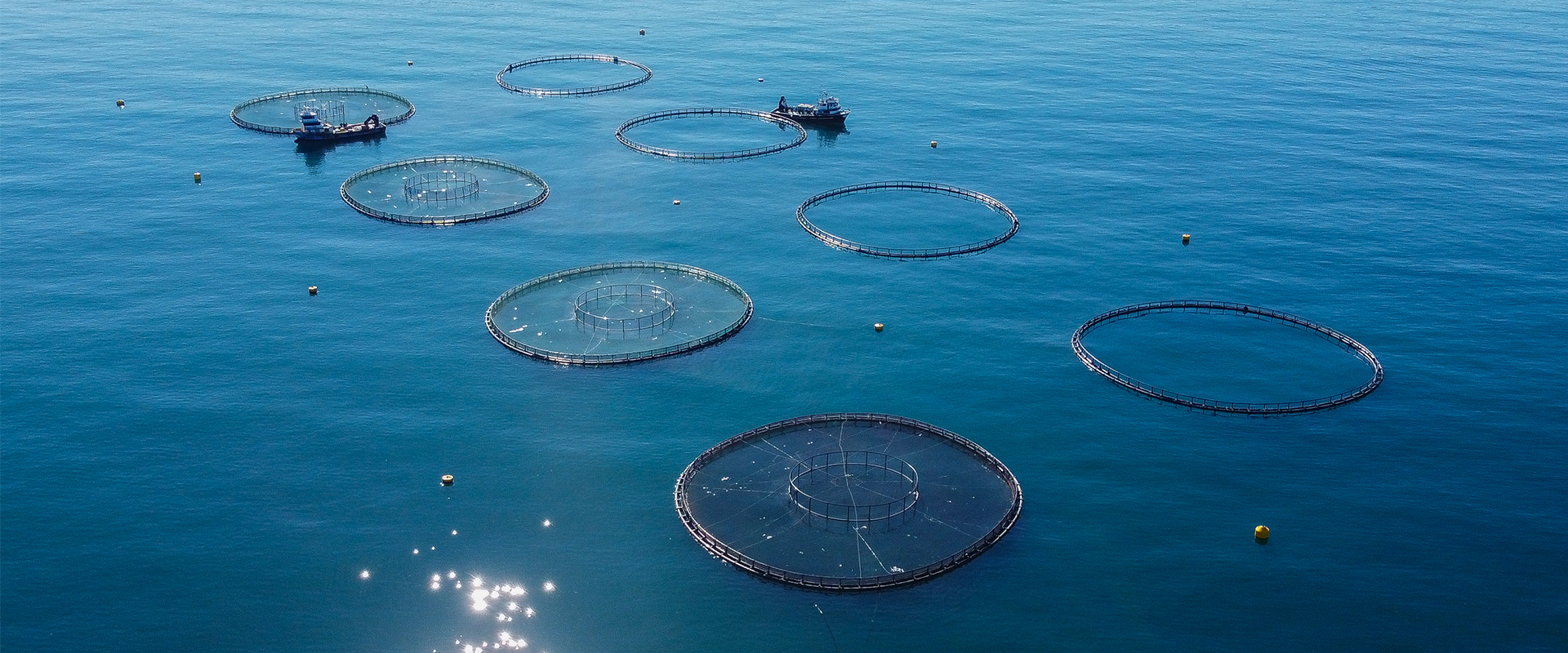
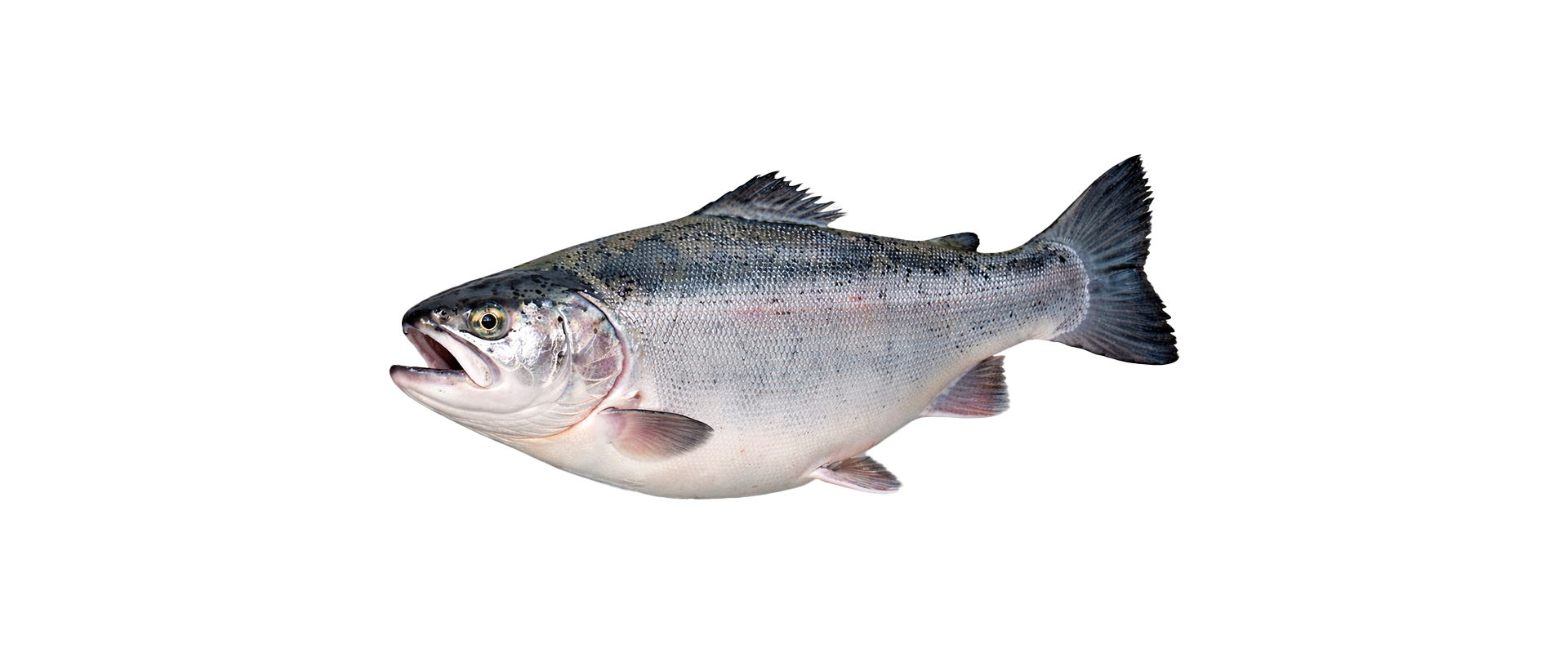
Turkish Salmon stands out for its rich flavor and high nutritional value, making it a desirable choice for chefs and home cooks alike. Sourced from the pristine waters of Turkey, this fish is not only delicious but also emphasizes sustainability in its production. Understanding its unique characteristics can enhance your culinary creations and provide you with a healthy protein source. This guide delves into the benefits and culinary potential of Turkish Salmon, elaborating on why it should be a staple in your kitchen.
The Excellence of Turkish Salmon: A Comprehensive Guide
When it comes to whole fish, Turkish Salmon offers a balance of taste, texture, and nutritional value. Harvested from reputable aquaculture practices, this fish ensures responsible sourcing, allowing consumers to enjoy their meals without compromising the environment. One of the standout features of Turkish Salmon is its exceptional fatty acid profile, rich in Omega-3s, which contributes to heart health and overall well-being.
In culinary applications, Turkish Salmon is versatile and can be prepared in various ways, including grilling, baking, or smoking. Each cooking method highlights the fish’s natural flavors, making it suitable for both traditional and contemporary dishes.
Its firm flesh holds up well during cooking, providing a satisfying bite that pairs beautifully with a range of seasonings and sides. Furthermore, Turkish Salmon can serve as the centerpiece of celebratory meals or as part of everyday dining.
Incorporating Turkish Salmon into your meal planning not only elevates your dietary intake but also supports sustainable fishing practices, solidifying its place as a responsible choice for seafood lovers. By choosing Turkish Salmon, you’re opting not just for quality but also for a healthier future.
Nutritional Benefits
Turkish Salmon is rich in Omega-3 fatty acids, which are essential for maintaining heart health and reducing inflammation.
Sustainability
Sustainably sourced, Turkish Salmon is produced through responsible aquaculture practices, ensuring minimal environmental impact.
Culinary Versatility
Ideal for various cooking methods, Turkish Salmon can be grilled, baked, or smoked, making it suitable for different culinary applications.
Building Long-Term Regional Partnerships
Turkish salmon trade can develop through long-term cooperation between producers, exporters, importers, distributors, retailers, and food-service businesses. Regular feedback on regional demand, logistics, specifications, packaging, and customer response helps partners create more stable and market-focused supply programs.
Retail Opportunities in Nearby Markets
Nearby regional markets can offer opportunities for supermarket seafood counters, retail-ready packs, specialty fish shops, and online grocery channels. Buyers should select Turkish salmon formats based on local shelf conditions, consumer pack sizes, labeling rules, and distribution speed.
Regional Market Entry Through Trial Orders
Importers entering a new regional market can begin with a controlled Turkish salmon trial shipment. This allows them to evaluate local customer response, preferred sizes, packaging performance, delivery timing, retail pricing, food-service demand, and the most suitable recurring order model.
Turkish Salmon and the Black Sea Region
Turkish salmon is closely associated with aquaculture activity connected to Türkiye's Black Sea region. This regional identity gives exporters a clear origin story and allows international buyers to position the product around its Turkish production background, coastal supply network, and connection to a recognized seafood-producing area.
Regional Processing Infrastructure
Turkish salmon export depends on coordinated local operations that connect production areas with processing, packaging, cold storage, and transport services. This regional infrastructure helps convert harvested fish into buyer-specific formats suitable for wholesale, retail, food service, or further processing.
Regional Cold-Chain Coordination
Maintaining Turkish salmon quality requires cooperation between local processors, cold stores, transport companies, freight forwarders, and destination partners. Regional cold-chain coordination supports controlled movement from the production area to international loading and onward delivery.
Access to European Markets
For European importers, Turkish salmon can provide an additional origin within the wider regional seafood supply landscape. Road, sea, and air connections may be evaluated according to destination, delivery schedule, fresh or frozen format, and the buyer's cold-storage and receiving capabilities.
Frequently Asked Questions
How is net weight confirmed for export cases?
Net weight is checked according to the product format, packing process, agreed tolerances, and applicable commercial requirements. Importers should define whether they require fixed or variable weights and how case-level and unit-level weights should appear on labels and documents.
What information should appear in a purchase inquiry?
A useful inquiry should include company and destination, product format, fresh or frozen condition, size, processing, quantity, packaging, label needs, delivery term, target date, transport preference, documents, and any special quality criteria. Complete requests receive more accurate responses.
Where is Turkish salmon produced?
Turkish salmon production is associated with aquaculture operations in Türkiye and the wider Black Sea supply context. Exact farming, processing, and packing locations vary by supplier, so buyers should request documented origin and facility information for the specific shipment.
Can Turkish salmon be vacuum packed?
Vacuum packaging may be available for suitable fresh, chilled, or frozen formats when supported by the processor. The buyer should confirm pack weight, product format, storage conditions, shelf-life responsibility, label details, carton configuration, and destination requirements.
Can specifications be changed after order confirmation?
Changes may be possible only before certain production or packaging stages and require exporter approval. Adjustments to size, cut, quantity, label, pack, date, or destination can affect availability, price, lead time, documents, and already purchased materials.
Can Turkish salmon be shipped without pallets?
Floor-loaded or non-palletized arrangements may be possible for certain refrigerated shipments, subject to product packaging, transport equipment, loading method, destination handling, and buyer approval. The agreed loading configuration should appear clearly in shipment planning.
Traceability Strengthens Commercial Confidence
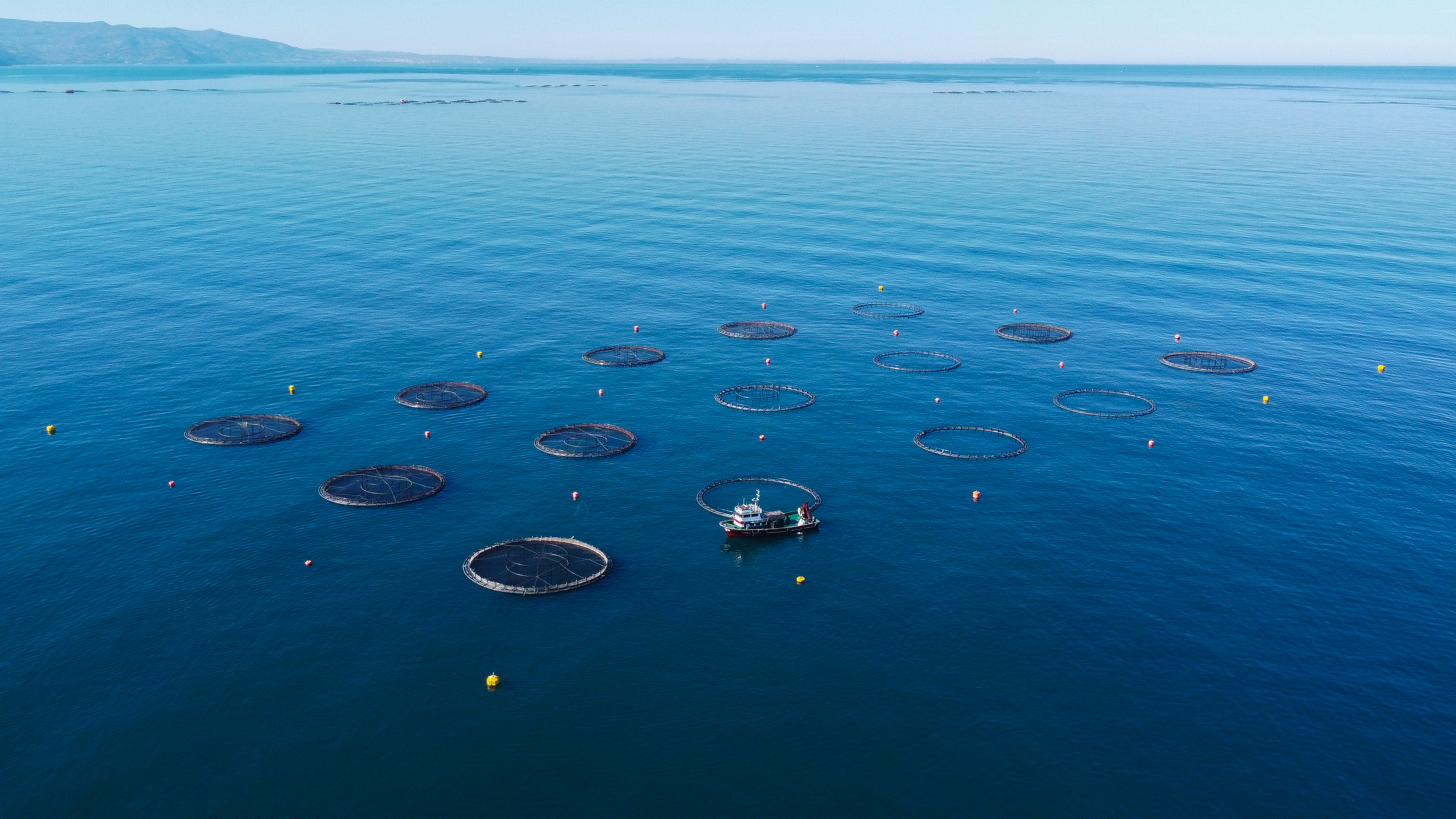
Batch identification and organized production, packing, and shipment records give buyers greater visibility throughout the supply chain. As a result, traceability is not only a quality tool but also an important element of trust in long-term Turkish salmon trade.
Explore related content
Continue with pages and guides that complement this topic.