

Understanding Turkish Salmon for Import Planning
Turkish Salmon, renowned for its superior quality and rich flavor, presents an exceptional opportunity for importers in the seafood market. This fish species thrives in the pristine waters of Turkey, particularly around the Samsun area, where Kıyak Group pioneers in its production. With advancements in aquaculture, Turkish Salmon meets international standards, making it an appealing choice for global consumers. Understanding the nuances of importing this delicacy can enhance your market offerings significantly, making it essential to grasp its characteristics and market positioning.
Exploring the Richness of Turkish Salmon
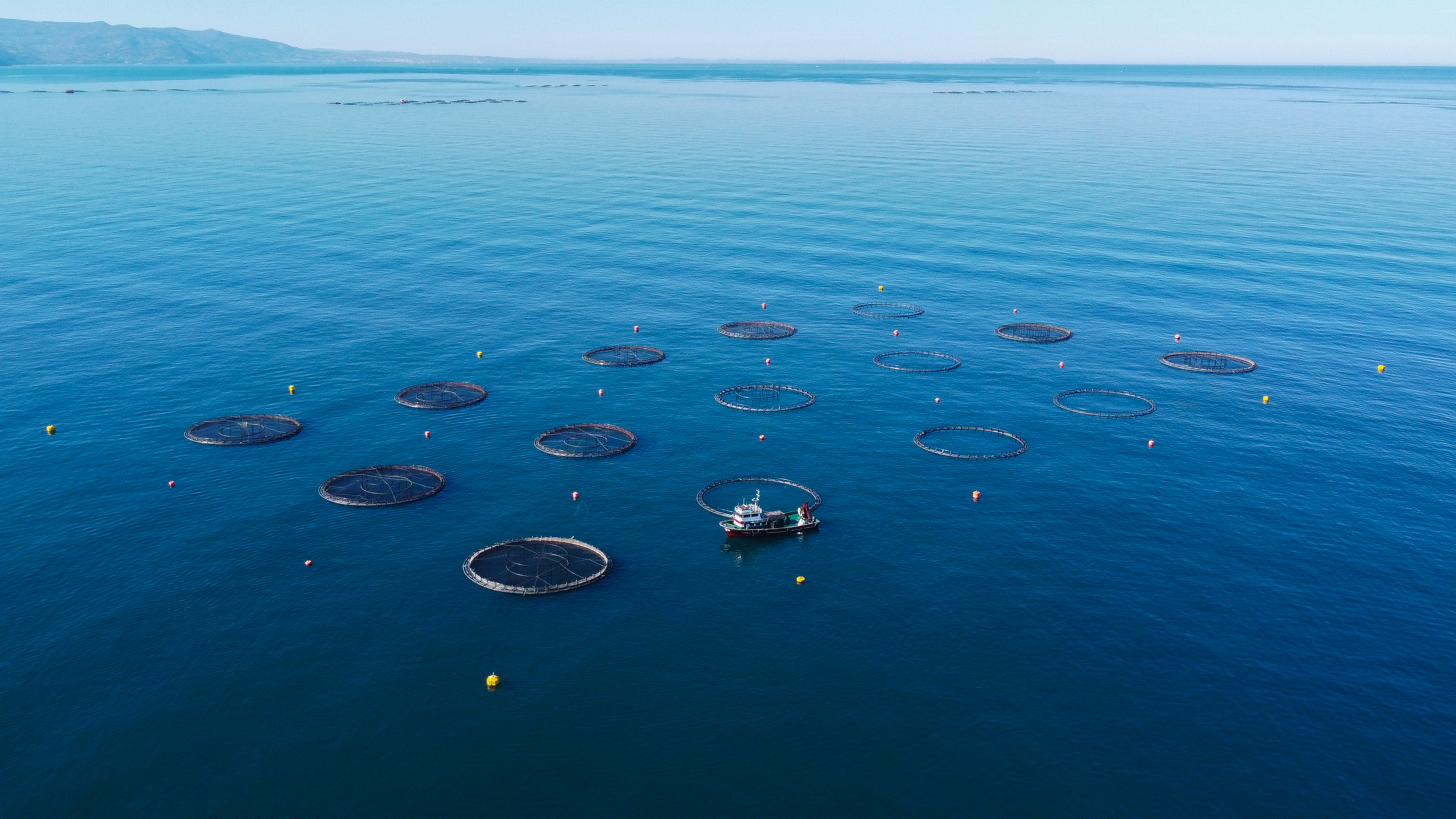
Kıyak Group stands at the forefront of the Turkish salmon industry, leveraging sustainable practices to deliver high-quality fish to international markets. The unique coastal conditions of the Black Sea provide an excellent environment for growing salmon, ensuring a rich flavor profile and nutritional value. As a global supplier, Kıyak Group focuses on maintaining the freshness of their salmon through meticulous harvesting and handling processes.
When planning to import Turkish Salmon, it is important to consider factors like quality control, supply chain logistics, and the regulatory environment. The Turkish salmon market is bolstered by a growing domestic consumption rate and increasing export demands. Ensuring compliance with international seafood safety standards and certifications can facilitate smoother market entry.
Moreover, Kıyak Group's commitment to sustainable practices not only appeals to environmentally conscious buyers but also ensures the long-term viability of salmon production in the region. Importers can partner with Kıyak Group for a reliable supply of Turkish Salmon, providing a competitive edge in the market. Understanding these elements is crucial for successful import planning and strategy formulation, ensuring that the rich culinary prospects of Turkish Salmon are fully realized.
Quality and Flavor
Turkish Salmon is celebrated for its rich taste, making it a favorite among seafood enthusiasts.
Sustainable Practices
Kıyak Group prioritizes sustainable farming techniques to ensure environmental responsibility.
Market Demand
With increasing global consumer interest, Turkish Salmon is becoming a staple in many markets.
What Buyers Should Check Before Ordering
A professional Turkish salmon purchase begins with a detailed written specification. Buyers should confirm the species, farming origin, harvest or production information, product form, size range, trim, skin and pin-bone requirements, packaging, storage conditions, shelf life and delivery temperature. They should also review the processing facility’s approvals, food-safety system, traceability procedure and documents required by the destination country. Photographs and samples are helpful, but they do not replace agreed tolerances and inspection criteria. Commercial terms should define net weight, glazing where relevant, carton configuration, labeling language, claims, lead time and the process for reporting non-conformities. Careful specification work protects both supplier and customer.
A Practical Choice for Balanced Meals
Turkish salmon fits easily into balanced meal planning because a single portion can serve as the main protein while vegetables, grains or legumes complete the plate. Its satisfying texture and natural richness often reduce the need for heavy sauces, which gives chefs room to create lighter recipes with herbs, lemon, roasted vegetables or grain salads. Portion size should be selected according to the customer group, recipe and local dietary guidance rather than a single universal rule. The final nutritional value also depends on preparation: breading, deep-frying and rich sauces produce a different meal from baking or grilling. Clear menu descriptions help consumers understand both the fish and the way it has been prepared.
What Is Turkish Salmon?
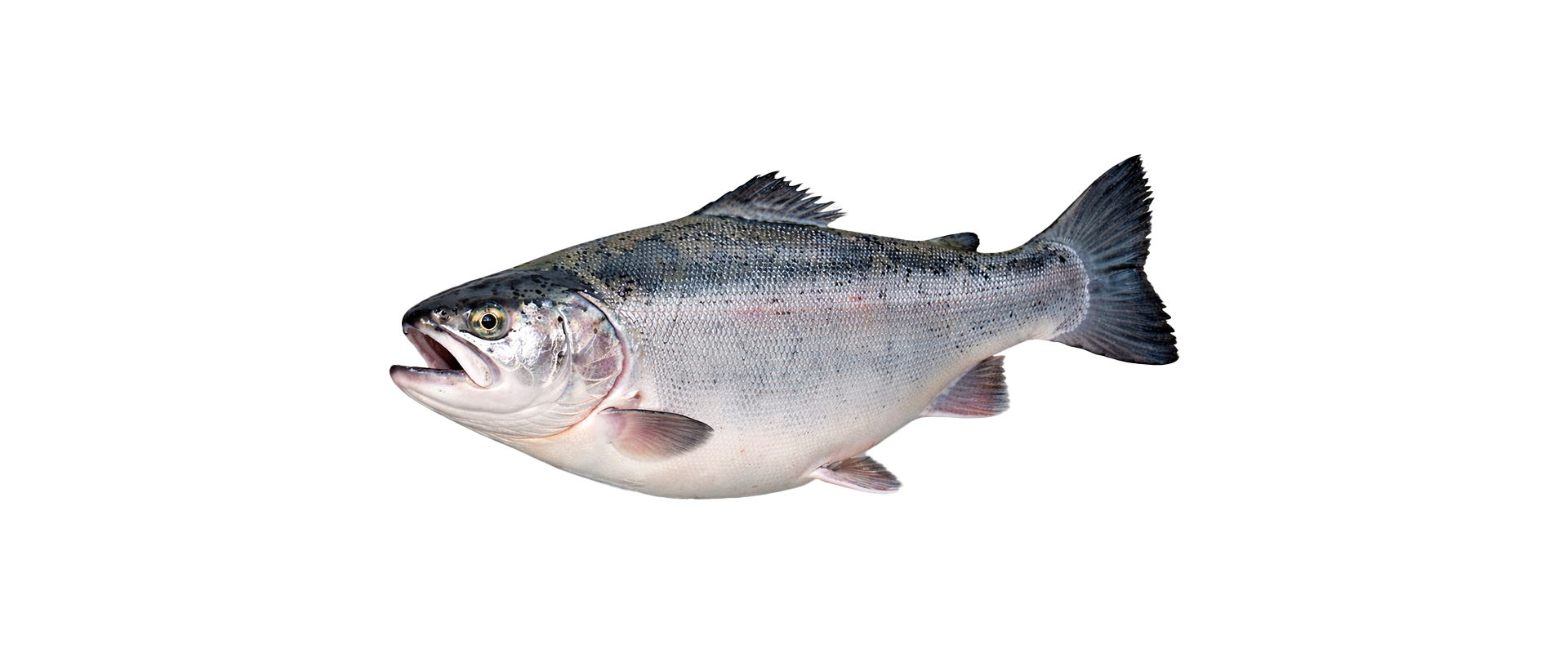
Turkish salmon is the commercial name commonly used for large rainbow trout, Oncorhynchus mykiss, raised in Türkiye under controlled aquaculture conditions. It is not the same species as Atlantic salmon, yet its generous fillet size, firm texture, appealing color and rich taste make it suitable for many of the same culinary applications. Production programs may combine freshwater farming with a marine growth stage, depending on the farm and region. For buyers, the name describes a distinctive Turkish aquaculture product whose specifications can vary by producer, harvest season, processing format and target market. Product decisions should therefore be based on verified size, trim, origin and quality documents rather than the commercial name alone.
E-Commerce and Home Delivery Use
Portioned or retail-packed Turkish salmon can be used in online seafood stores and home-delivery programs. Clearly labeled packs, suitable cold-chain packaging, and practical serving sizes help digital retailers offer a convenient salmon option to customers who order seafood for home cooking.
Product Specification Confirmation
Before production starts, the exporter and buyer confirm the agreed specification for whole fish, headed and gutted fish, fillets, portions, fresh or frozen presentation, weight range, trimming, glazing where applicable, and packing method. This confirmation becomes the operational reference for preparing and checking the order.
Check Order Flexibility
Buyers should review minimum quantities, mixed-size availability, packaging options, trial-order possibilities, production scheduling, and the process for changing specifications. Flexible arrangements can be valuable when introducing Turkish salmon to a new market or supplying several customer groups from one shipment.
Traceable Production Records
Turkish salmon export programs can be supported by batch-based production, processing, packing, and shipment records. Clear traceability gives importers better visibility into product movement and helps them manage receiving checks, inventory control, customer questions, internal quality procedures, and supply-chain documentation.
Frequently Asked Questions
Is Turkish salmon suitable for ready-meal production?
Turkish salmon portions or fillets may be used in ready-meal and ready-to-cook applications when they meet the manufacturer's specifications. Processors must validate recipes, cooking instructions, allergens, shelf life, packaging, food-safety controls, and destination requirements.
What information should appear in a purchase inquiry?
A useful inquiry should include company and destination, product format, fresh or frozen condition, size, processing, quantity, packaging, label needs, delivery term, target date, transport preference, documents, and any special quality criteria. Complete requests receive more accurate responses.
Can carton weights be customized?
Custom carton weights may be possible when they fit the processor's packing line, product size, handling limits, and shipment plan. Buyers should specify desired net weight, unit count, carton dimensions, pallet requirements, and acceptable tolerance before approval.
How should a sample be evaluated?
Buyers should assess the sample against written criteria such as format, size, trimming, appearance, packaging, label, preparation performance, yield, and intended customer use. Results should be documented and converted into an approved specification for future commercial orders.
What happens if a shipment is delayed?
The exporter, carrier, and importer should share updates and evaluate the effect of the delay on customs, receiving, storage, and product conditions. Responsibilities and claims depend on the delivery term, transport contract, insurance, evidence, and circumstances of the shipment.
Can Turkish salmon carry the buyer's barcode?
A buyer-provided barcode can be included when supported by the packaging program. The buyer remains responsible for supplying the correct code and associated product data, while both parties should verify placement, print quality, pack size, and label version before production.
Consistent Orders Require Shared Standards
Recurring Turkish salmon supply works best when exporter and buyer use the same written specifications, inspection criteria, packaging instructions, and communication process. Shared standards reduce variation and make performance easier to measure across multiple shipments.
Explore related content
Continue with pages and guides that complement this topic.