
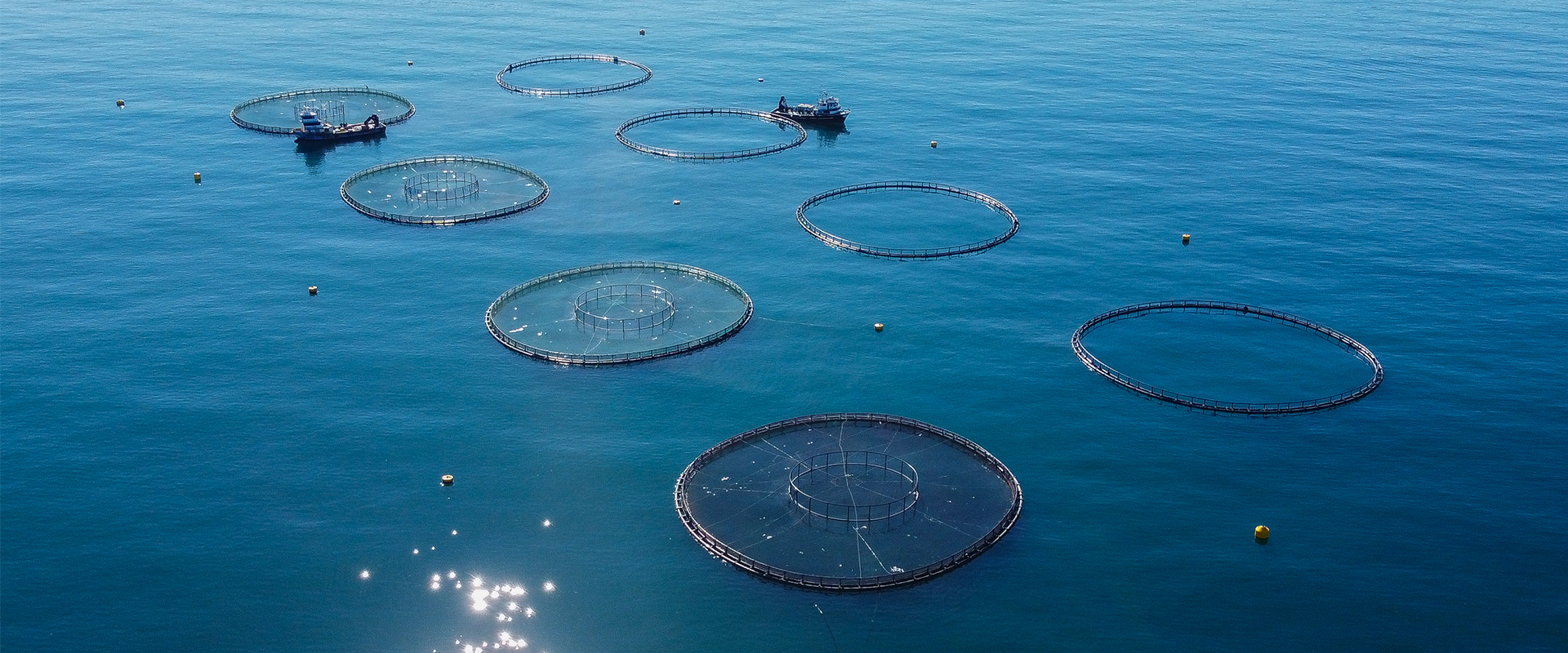
Turkish Salmon Supply Options for Import Planning
Turkey is emerging as a prime source for high-quality salmon, appealing to international importers. The unique geographic location coupled with advanced aquaculture practices makes Turkish salmon a reliable choice for seafood markets worldwide. Understanding the supply chain and export procedures can greatly enhance the efficiency of import planning, ensuring consistent quality and availability for businesses. This overview delves into the various aspects of sourcing Turkish salmon, offering insights into suppliers, logistics, and market trends, which are essential for informed decision-making in the competitive seafood industry. With an eye towards future sustainability and demand, the rise of Turkish salmon on the global stage indicates promising opportunities for importers.
Navigating Turkish Salmon Supply for Importers
Importing Turkish salmon involves navigating a well-established network of seasoned fisheries, quality control measures, and logistics management. Kıyak Group, based in Samsun, specializes in Turkish salmon production and export. They have developed robust processes to maintain high standards throughout the supply chain, ensuring that freshness and quality are preserved from sea to market. Importers looking to capitalize on the growing demand for high-quality seafood should consider factors such as shipping logistics, certification, and sustainable practices.
The firm’s commitment to excellence ensures that businesses receive fresh, frozen, or processed products that meet market expectations. Analyzing market trends indicates that seafood consumers are increasingly looking for traceable and responsibly sourced products, making Turkish salmon an attractive option in an era of heightened consumer awareness.
Additionally, potential importers should stay updated on international regulations and tariffs that may impact the flow of goods. Engaging with reputable suppliers like Kıyak Group is crucial for establishing reliable import channels. Furthermore, collaborating with local fisheries can enhance the import process by providing insights into seasonal availability and local market dynamics, ultimately leading to a more effective supply strategy. By leveraging these insights, importers can not only meet consumer demand but also contribute to the sustainability of the seafood industry.
Quality Assurance in Turkish Salmon Production
Kıyak Group employs stringent quality control measures to ensure that all products meet international standards.
Logistics and Supply Chain Management
Efficient logistics play a key role in the timely delivery of fresh products from Turkey to global markets.
Sustainability Practices
The emphasis on sustainable farming practices enhances the appeal of Turkish salmon in the competitive seafood market.
Grilling Turkish Salmon
For grilling, evenly cut Turkish salmon portions help the kitchen achieve consistent cooking and presentation. Skin-on pieces can be useful because the skin protects the flesh and may become crisp when the surface is dry and the grill is properly prepared. A light coating of oil and restrained seasoning allow the natural flavor to remain clear. Thick sugary marinades should be managed carefully because they can burn before the center is ready. Cooking time varies with portion thickness, starting temperature and equipment, so visual appearance alone is not a reliable safety control. When the fish releases cleanly from the grill and remains moist inside, it works well with lemon, herbs, grilled vegetables or grain-based side dishes.
High-Quality Protein and Beneficial Fats
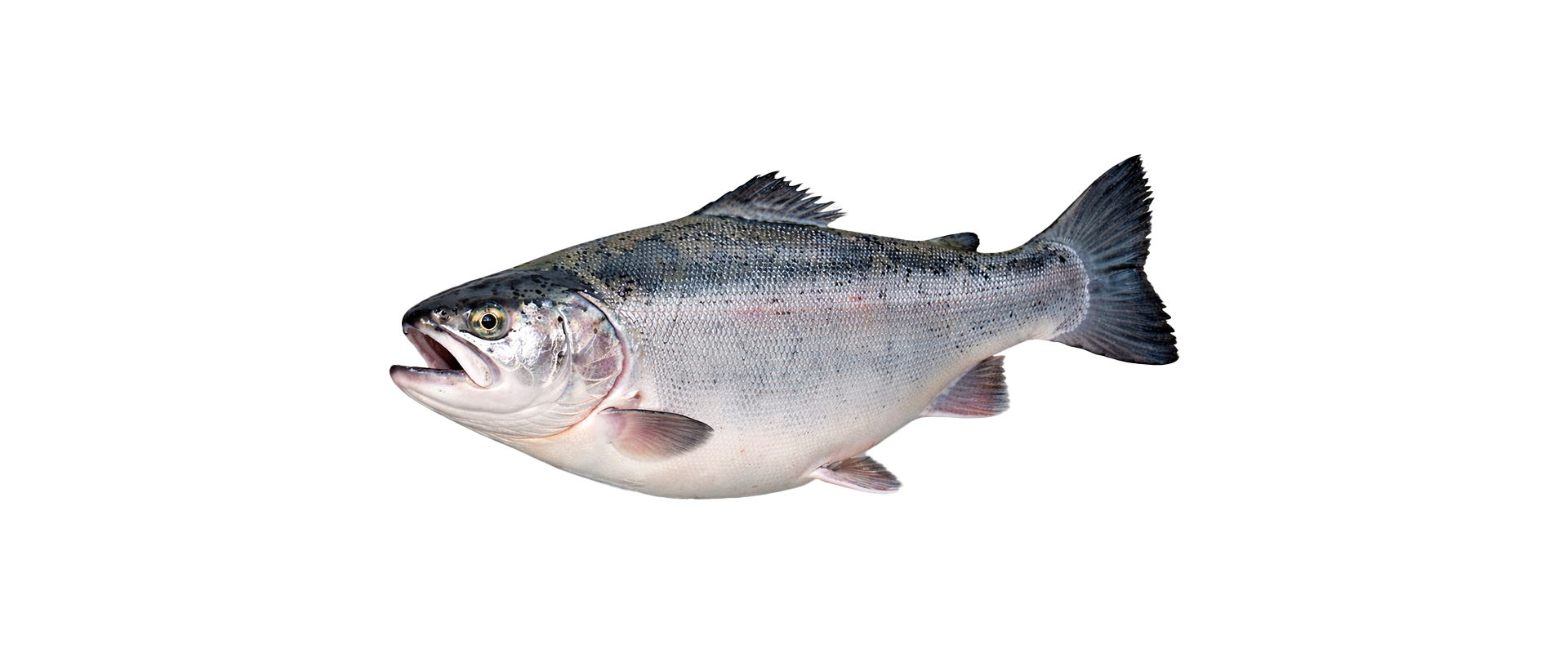
Turkish salmon can contribute high-quality protein and beneficial unsaturated fats to a balanced diet. Fish protein supplies essential amino acids used by the body for the maintenance and repair of tissues, while naturally occurring omega-3 fatty acids make oily fish an important part of varied eating patterns. The exact nutritional profile is not identical in every product; it can change with farming conditions, feed, harvest size, edible portion and processing method. For retail labels, menus or health-focused marketing, businesses should rely on a current laboratory analysis or the supplier’s approved nutrition declaration. Preparation also matters: grilling, baking or steaming with moderate added fat can preserve the fish’s natural qualities without unnecessarily increasing calories.
Smoked Turkish Salmon as a Value-Added Product
Smoking can transform Turkish salmon into a value-added product with a concentrated aroma, attractive slicing characteristics and broad menu potential. Depending on the approved process, smoked fish may be presented in sliced retail packs, breakfast dishes, sandwiches, salads, canapés or appetizer plates. Salt level, smoke intensity, moisture, slice thickness and packaging all influence consumer acceptance. Because smoked seafood is a ready-to-eat or minimally prepared category in many applications, processors and buyers must pay close attention to hygienic production, temperature control, shelf-life validation and label instructions. The specific product should be evaluated on its own technical documentation rather than assuming that all smoked formats have the same handling requirements.
Bulk Packaging for Distributors
For wholesale and distribution operations, Turkish salmon may be supplied in bulk packaging that supports efficient handling in cold stores and distribution centers. Buyers can then allocate product to restaurants, seafood shops, retailers, or processors according to local demand and their own repacking capabilities.
Fresh Product Chilling
Fresh Turkish salmon is chilled through the facility's approved temperature-control process before packing and dispatch. Maintaining suitable product conditions during this stage supports cold-chain continuity and prepares the shipment for refrigerated storage and international transportation.
Verify Label Requirements
Before ordering, the buyer should provide the required label language, product name, net weight, storage instruction, batch details, barcode, importer information, and market-specific statements. Confirming these elements early helps prevent relabeling work and supports smoother Turkish salmon distribution after arrival.
Final Order Conformity Review
Before dispatch, the completed Turkish salmon order can be reviewed against the packing list and approved specification. Checking case quantities, weights, labels, packaging condition, product format, and batch references helps detect discrepancies before the shipment leaves the facility.
Frequently Asked Questions
Can Turkish salmon carry the buyer's barcode?
A buyer-provided barcode can be included when supported by the packaging program. The buyer remains responsible for supplying the correct code and associated product data, while both parties should verify placement, print quality, pack size, and label version before production.
Can carton weights be customized?
Custom carton weights may be possible when they fit the processor's packing line, product size, handling limits, and shipment plan. Buyers should specify desired net weight, unit count, carton dimensions, pallet requirements, and acceptable tolerance before approval.
What happens if a shipment is delayed?
The exporter, carrier, and importer should share updates and evaluate the effect of the delay on customs, receiving, storage, and product conditions. Responsibilities and claims depend on the delivery term, transport contract, insurance, evidence, and circumstances of the shipment.
How should a sample be evaluated?
Buyers should assess the sample against written criteria such as format, size, trimming, appearance, packaging, label, preparation performance, yield, and intended customer use. Results should be documented and converted into an approved specification for future commercial orders.
Can multiple Turkish salmon products share one shipment?
A mixed-product shipment may be arranged when formats, temperature conditions, packaging, documentation, and loading plans are compatible. The exporter must confirm feasibility, while the buyer should provide separate quantities, labels, specifications, and receiving instructions for every item.
Can Turkish salmon portions have fixed weights?
Fixed-weight or controlled-range portions may be possible for qualifying orders. Buyers should define target weight, tolerance, cut style, skin condition, packing count, freezing or chilling requirement, and expected volume so the processor can assess feasibility and pricing.
Product Versatility Supports Growth
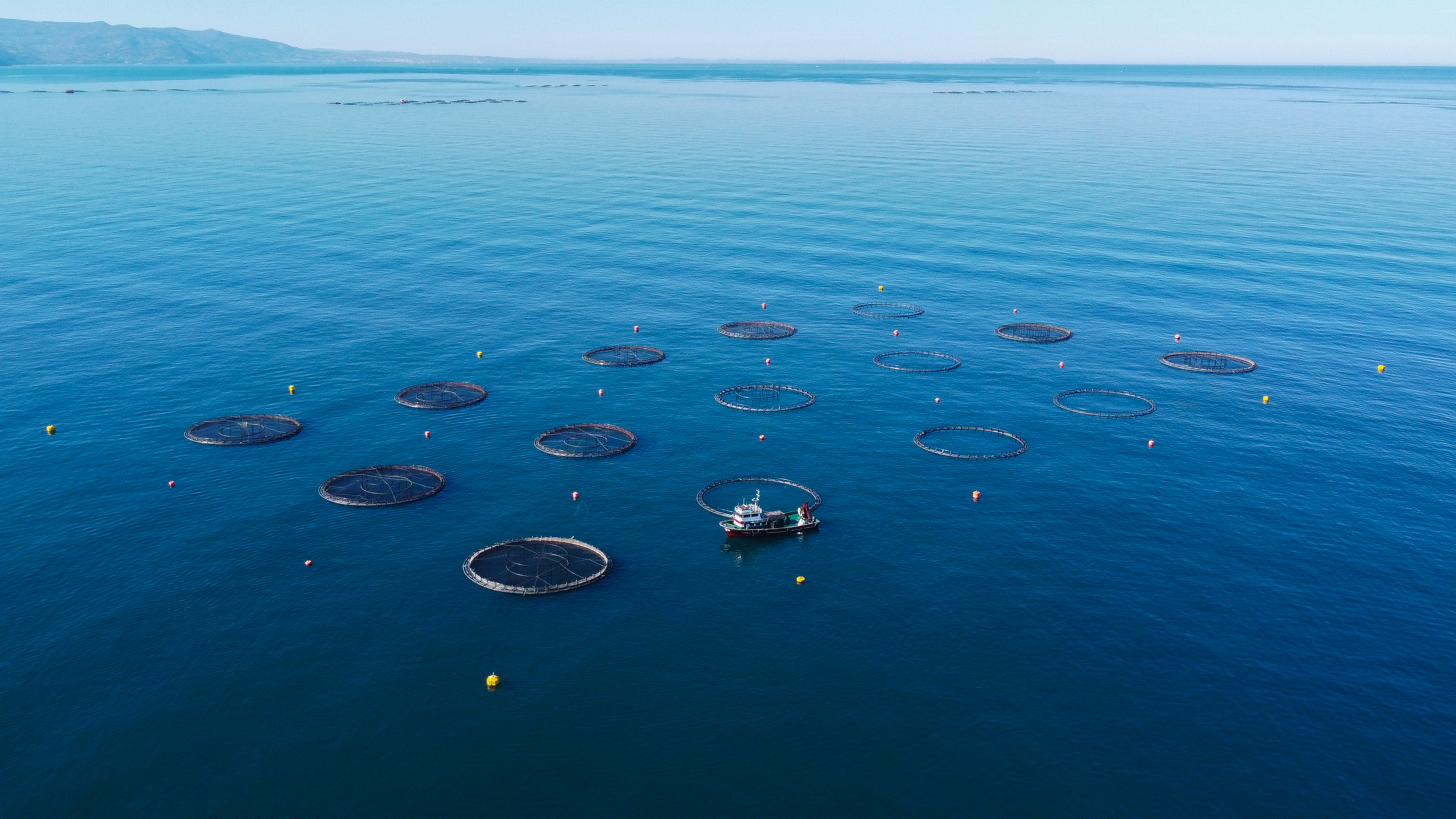
Whole fish, headed and gutted products, fillets, portions, fresh packs, and frozen formats give Turkish salmon broad commercial versatility. Buyers can select the most suitable presentation for existing operations and introduce additional formats as market demand grows.
Explore related content
Continue with pages and guides that complement this topic.