
Turkish Salmon Supplier for Saudi Seafood Buyers
Kıyak Group stands as a premier Turkish salmon supplier for Saudi Arabia, delivering top-quality Oncorhynchus mykiss sourced from the Black Sea. Our commitment to sustainable aquaculture and efficient processing ensures that you receive only the best products for your seafood needs. With an annual processing capacity of around 5,000 tons, we are positioned to meet the growing demands of the Saudi market, providing tailored solutions for both foodservice and retail applications. Explore our extensive range of packaging options designed for long-lasting freshness.
Reliable Turkish Salmon Supplier for Saudi Arabia
As a trusted B2B seafood producer, Kıyak Group emphasizes quality and compliance with Saudi regulations. The Turkish salmon, distinguished by its rich flavor and texture, caters to both food service and retail sectors. We offer a variety of pack formats, ensuring versatility for your business needs. It is essential for us to adhere to the Saudi Food and Drug Authority (SFDA) requirements, and we provide comprehensive label documentation to facilitate seamless imports. Our cold chain options guarantee that your products maintain optimal quality throughout the shipping process.
In addition to our robust supply capabilities, we offer an RFQ checklist to streamline your ordering experience. Our commitment to quality, continuous improvement, and customer satisfaction makes us the ideal partner for seafood importers in KSA. Whether you are looking for bulk shipments or specific product requests, Kıyak Group is ready to support your unique needs. Contact us today to discuss how we can assist you in sourcing premium Turkish salmon for your business.
Turkish Salmon Overview
Oncorhynchus mykiss is celebrated for its distinctive taste and quality, ideal for various culinary applications.
Pack Formats
Flexible packaging options catering to wholesale and retail needs ensure product freshness and versatility.
Regulatory Compliance
All products meet SFDA standards, supported by detailed labeling and documentation for seamless import.
What Is Turkish Salmon?
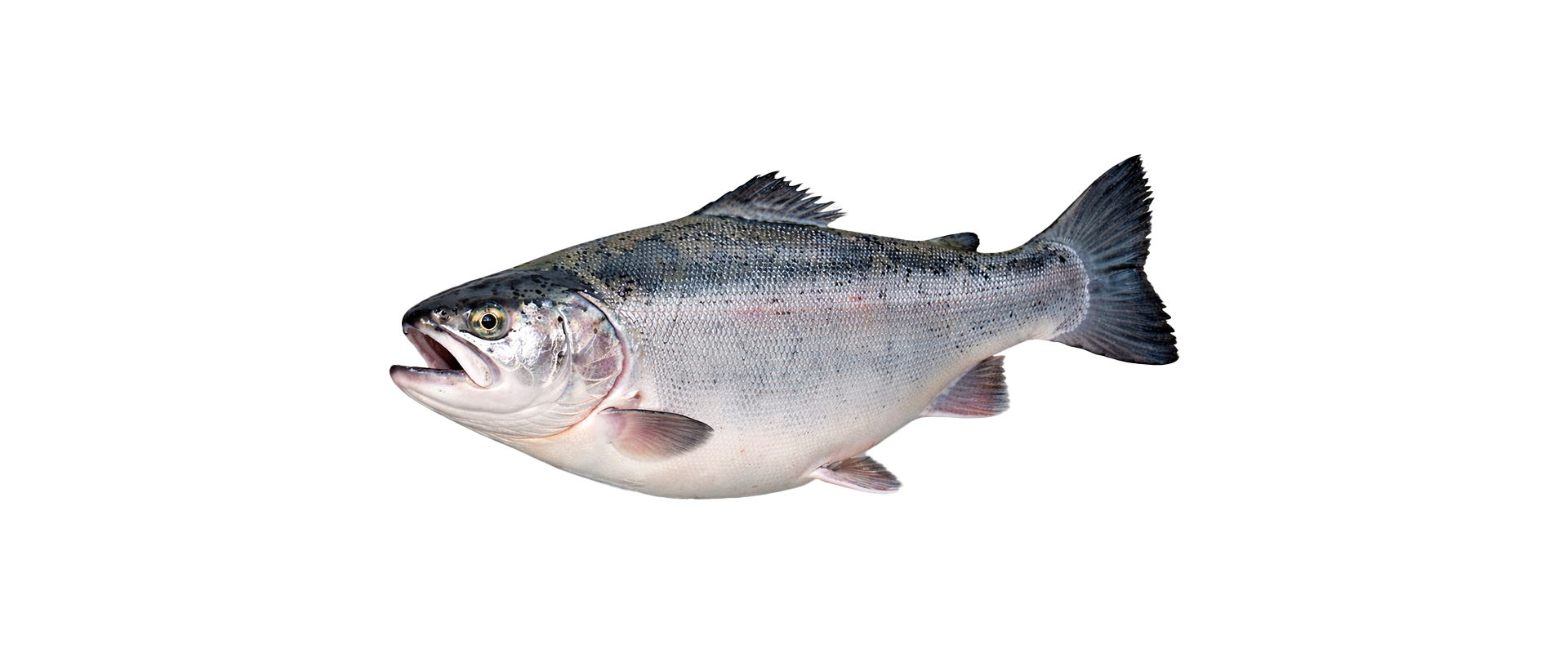
Turkish salmon is the commercial name commonly used for large rainbow trout, Oncorhynchus mykiss, raised in Türkiye under controlled aquaculture conditions. It is not the same species as Atlantic salmon, yet its generous fillet size, firm texture, appealing color and rich taste make it suitable for many of the same culinary applications. Production programs may combine freshwater farming with a marine growth stage, depending on the farm and region. For buyers, the name describes a distinctive Turkish aquaculture product whose specifications can vary by producer, harvest season, processing format and target market. Product decisions should therefore be based on verified size, trim, origin and quality documents rather than the commercial name alone.
Responsible Aquaculture Requires Measurable Practices
The environmental performance of Turkish salmon depends on how individual farms and supply chains are managed. Responsible aquaculture involves attention to feed use, fish health, water quality, stocking practices, escapes, waste management, energy, worker welfare and compliance with applicable regulations. Sustainability should not be assumed from country of origin or product name alone. Buyers seeking environmental assurances can request current farm information, audit evidence, certification status where applicable and measurable improvement data. They should also examine processing yield, packaging and transport because impacts continue beyond the farm. Accurate, specific claims are more credible than broad statements, and any certification logo or sustainability message must be supported by valid documentation for the exact product supplied.
Smoked Turkish Salmon as a Value-Added Product
Smoking can transform Turkish salmon into a value-added product with a concentrated aroma, attractive slicing characteristics and broad menu potential. Depending on the approved process, smoked fish may be presented in sliced retail packs, breakfast dishes, sandwiches, salads, canapés or appetizer plates. Salt level, smoke intensity, moisture, slice thickness and packaging all influence consumer acceptance. Because smoked seafood is a ready-to-eat or minimally prepared category in many applications, processors and buyers must pay close attention to hygienic production, temperature control, shelf-life validation and label instructions. The specific product should be evaluated on its own technical documentation rather than assuming that all smoked formats have the same handling requirements.
What Buyers Should Check Before Ordering
A professional Turkish salmon purchase begins with a detailed written specification. Buyers should confirm the species, farming origin, harvest or production information, product form, size range, trim, skin and pin-bone requirements, packaging, storage conditions, shelf life and delivery temperature. They should also review the processing facility’s approvals, food-safety system, traceability procedure and documents required by the destination country. Photographs and samples are helpful, but they do not replace agreed tolerances and inspection criteria. Commercial terms should define net weight, glazing where relevant, carton configuration, labeling language, claims, lead time and the process for reporting non-conformities. Careful specification work protects both supplier and customer.
From Freshwater Farms to the Black Sea
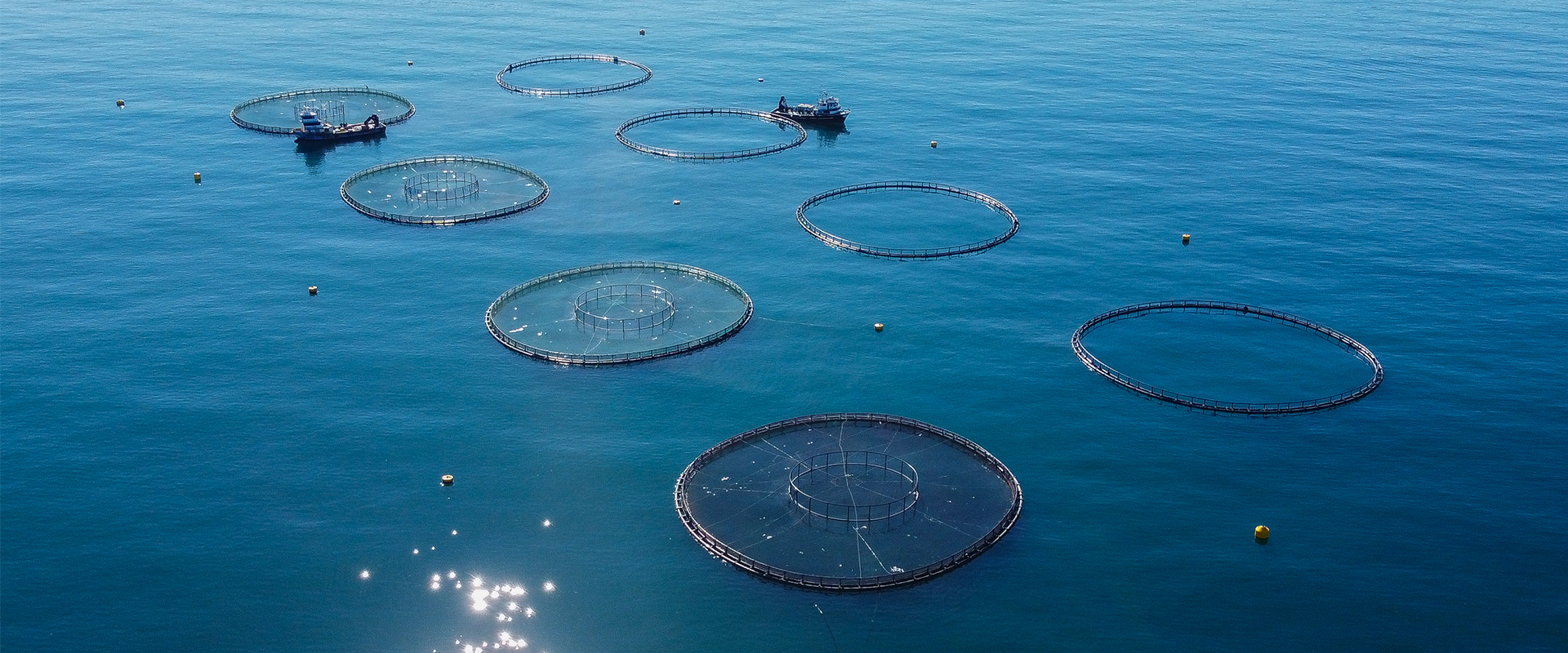
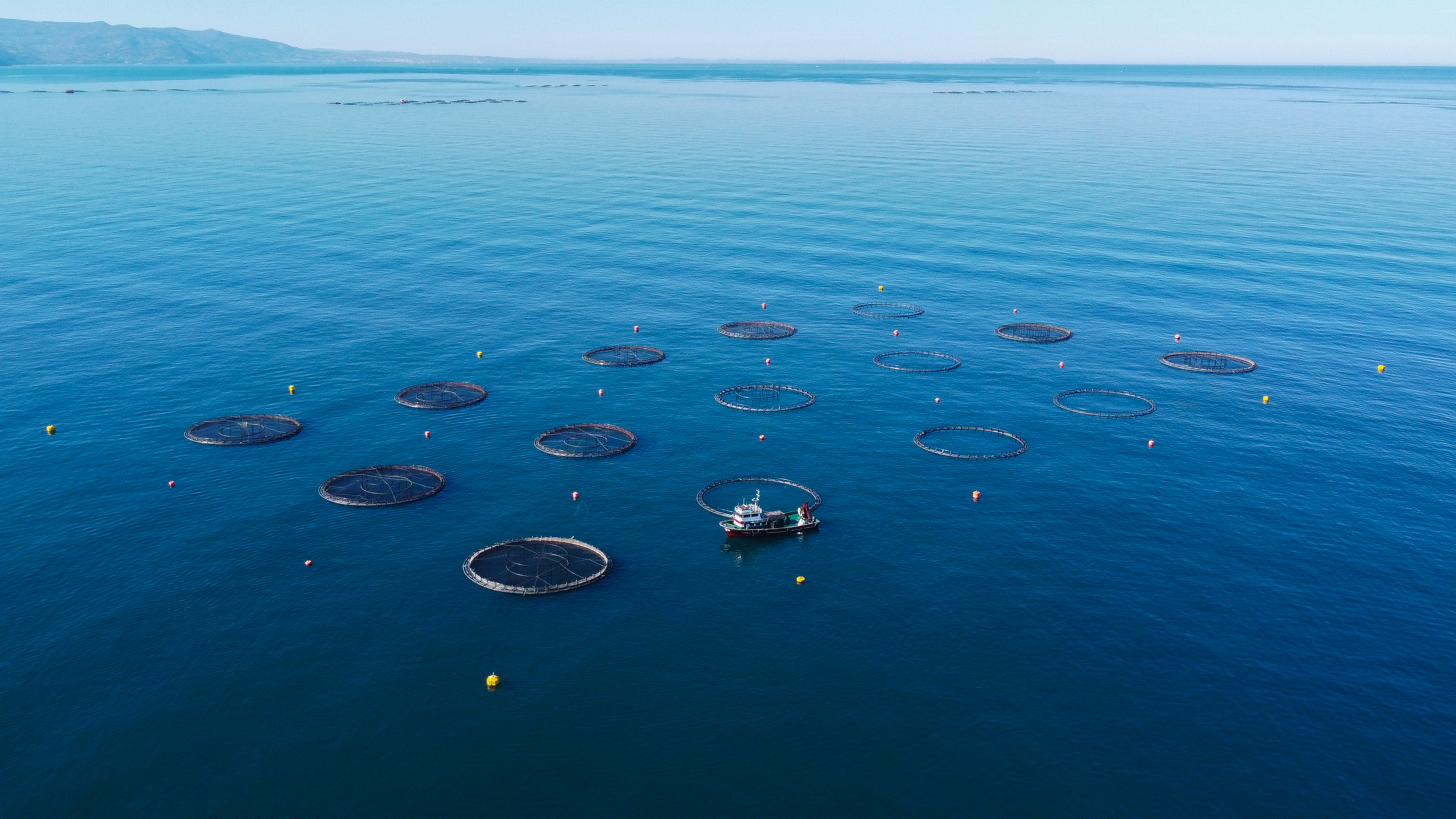
A typical Turkish salmon production cycle begins in freshwater, where rainbow trout are raised through their early growth stages under monitored farming conditions. Selected fish may later be transferred to marine cages in the Black Sea, where cool water and carefully managed feeding support further growth before harvest. The exact cycle, transfer timing and harvest window differ among producers and locations, so buyers should request farm-specific information when planning a program. This combination of freshwater expertise and marine farming has helped create a product with a substantial body size and versatile fillet yield. Throughout the cycle, water quality, stocking density, fish health, feed management and handling practices directly influence final quality.
Flexible Distribution Channel Use
The same Turkish salmon product family can be allocated across wholesale, retail, food service, processing, and online sales channels. This enables importers to use their existing distribution network efficiently while adjusting formats and packaging to the needs of different customer groups.
Menu Versatility Across Cuisines
Turkish salmon can be used in Mediterranean, European, Asian-inspired, and modern fusion recipes, depending on the buyer's culinary direction. Its adaptable use allows food-service teams to include it in grilled dishes, salads, pasta, rice bowls, sandwiches, appetizers, and seasonal menu specials.
Ready-to-Cook Product Development
Turkish salmon can be incorporated into ready-to-cook recipes such as seasoned fillets, tray-bake meals, skewers, or marinated portions. This usage fits manufacturers and retailers developing convenient seafood products for consumers who want quick preparation with clear cooking instructions.
Destination Receiving Procedure
At destination, the buyer verifies shipment identity, case quantities, packaging condition, documents, and product temperature according to internal receiving procedures. Any observation is recorded promptly, and accepted Turkish salmon is transferred to the appropriate chilled or frozen storage area.
Quotation and Commercial Agreement
A commercial quotation is prepared according to the confirmed product, quantity, delivery term, destination, freight arrangement, payment conditions, and estimated shipment period. Once the buyer approves the offer, both parties document the order details so procurement and production teams can proceed with the same information.
Sorting and Grading
Fish are sorted and graded according to the weight ranges and product characteristics agreed for the export order. This application helps create consistent cases and enables the buyer to receive products that are better suited to retail display, restaurant portioning, wholesale sale, or further processing.
Evaluate Fresh or Frozen Supply
The choice between fresh and frozen Turkish salmon should reflect transit time, inventory turnover, storage capacity, sales forecast, and customer use. Fresh formats suit rapid chilled distribution, while frozen formats can support longer storage periods, wider delivery coverage, and more flexible stock planning.
Evaluate Export Experience
Experience with international seafood shipments can indicate whether a supplier understands documentation, refrigerated logistics, communication, destination coordination, and order follow-up. Buyers should consider the exporter's relevant market experience and ability to explain how each Turkish salmon shipment will be managed.
Use a Trial Order for Validation
Before starting a large recurring program, buyers may use a controlled trial order to evaluate Turkish salmon quality, specification accuracy, packaging, labeling, documentation, transit performance, and customer response. The results provide practical evidence for refining future orders and establishing long-term supply conditions.
Responsive Issue Management
When a buyer reports a documented concern, a reliable exporter reviews batch records, shipment information, photographs, receiving data, and relevant process controls. A clear investigation and corrective-action approach helps resolve problems and reduce the chance of recurrence in future Turkish salmon orders.
Quality Checks at Receiving
Incoming Turkish salmon can be checked for batch identity, size, general appearance, temperature, and production information before processing begins. Documented receiving controls help prevent unsuitable raw material from continuing through the production line and support a more reliable finished product.
Sea Freight for Regional Distribution
Sea freight may be evaluated for suitable frozen or larger-volume Turkish salmon shipments, depending on route availability and destination requirements. Importers should coordinate container conditions, port procedures, transit schedules, customs clearance, and onward refrigerated delivery before selecting this option.
Frequently Asked Questions
Are temperature records available during transit?
Temperature records may be available depending on the transport unit, carrier, route, and agreed monitoring equipment. Buyers should specify data-logger requirements, placement, access, reporting format, responsibility, and action procedures when arranging the shipment.
Can Turkish salmon be individually quick frozen?
Individually quick frozen formats may be available for fillets or portions depending on processor capability. Importers should request details about product size, glazing if applicable, inner packaging, carton count, storage temperature, and the method used for the quoted item.
What payment terms are available?
Payment terms vary by exporter, buyer history, order size, destination, risk assessment, and commercial agreement. The quotation or contract should clearly state currency, deposit, balance timing, banking details, charges, required documents, and any credit conditions.
Can mixed-size Turkish salmon orders be arranged?
Mixed-size orders may be possible depending on stock, production planning, minimum quantities, packaging, and shipment configuration. Buyers should list acceptable size groups and volumes separately so the exporter can confirm availability and quote each specification accurately.
Can Turkish salmon portions have fixed weights?
Fixed-weight or controlled-range portions may be possible for qualifying orders. Buyers should define target weight, tolerance, cut style, skin condition, packing count, freezing or chilling requirement, and expected volume so the processor can assess feasibility and pricing.
Can specifications be changed after order confirmation?
Changes may be possible only before certain production or packaging stages and require exporter approval. Adjustments to size, cut, quantity, label, pack, date, or destination can affect availability, price, lead time, documents, and already purchased materials.
How are quality claims handled?
A quality claim should be reported promptly with shipment references, batch details, quantities, photographs, temperature information, receiving records, and a clear description. The exporter then reviews production and logistics evidence according to the agreed contract and claim procedure.
Can urgent Turkish salmon orders be accepted?
Urgent orders may be possible when product, processing capacity, packaging, documents, and suitable transport are available. The exporter should confirm feasibility before commitment, and the buyer should expect that limited choices or additional logistics costs may apply.
Can multiple Turkish salmon products share one shipment?
A mixed-product shipment may be arranged when formats, temperature conditions, packaging, documentation, and loading plans are compatible. The exporter must confirm feasibility, while the buyer should provide separate quantities, labels, specifications, and receiving instructions for every item.
Is modified-atmosphere packaging available?
Modified-atmosphere packaging may be considered only when the supplier has the appropriate equipment and validated product program. Buyers should review pack materials, gas system, storage conditions, shelf-life data, transport time, destination rules, and retail handling before approval.
What packaging materials are used for Turkish salmon?
Packaging materials vary by fresh or frozen condition, product format, transport method, case size, and buyer program. Exporters should describe the proposed inner and outer packaging, insulation or ice system where relevant, label placement, and pallet configuration in the quotation.
Communication Supports Reliable Delivery
Open communication about product availability, specifications, timelines, documents, and shipment progress helps all parties coordinate their responsibilities. For Turkish salmon buyers, a responsive supplier can be as important as product quality in maintaining dependable supply.
Explore related content
Continue with pages and guides that complement this topic.