
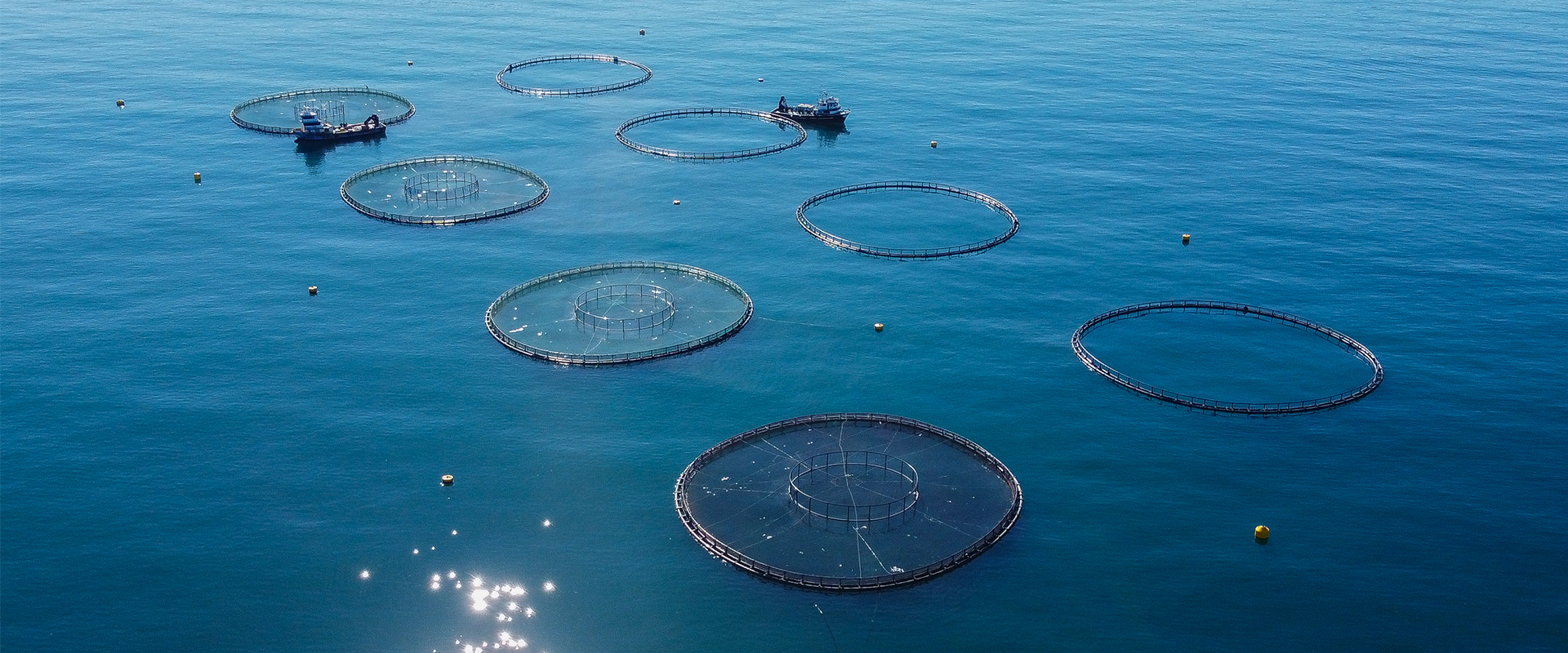
Turkish Salmon Supplier for International Seafood Buyers
Kıyak Group is a leading Turkish salmon supplier, renowned for its dedication to quality and sustainability. Located in Samsun, Turkey, the company specializes in producing top-grade Turkish salmon, delivering fresh and frozen seafood to international markets. With a focus on the highest standards of production, Kıyak Group's salmon stands out for its exceptional taste and nutritional value, making it a preferred choice among global buyers seeking reliability and quality in their seafood sourcing. The firm's commitment to responsible practices ensures that customers receive products that not only meet their culinary needs but also align with sustainable sourcing requirements.
Kıyak Group: Your Trusted Turkish Salmon Supplier
In the world of seafood, the demand for high-quality fish is ever-increasing. Turkish salmon, with its rich flavor and premium quality, has become a preferred option for many international buyers. Kıyak Group plays a pivotal role in this arena by bridging the gap between Turkey's abundant aquatic resources and global markets. The company emphasizes freshness, ensuring that the salmon is processed and delivered promptly to preserve its delicate texture and flavor. This dedication doesn’t just enhance taste; it also guarantees that the nutritional benefits of the salmon are retained, making it a healthy choice for consumers worldwide.
Kıyak Group leverages advanced fishing techniques and sustainable practices to address modern seafood challenges. The firm is committed to environmentally friendly production methods, which not only safeguard marine life but also reflect well on its reputation as a responsible supplier. With a professional approach to exporting, Kıyak Group has established strong relationships with its clients across the globe, providing them with consistent quality and reliable service.
International buyers looking for a trustworthy Turkish salmon supplier can rely on Kıyak Group’s expertise and experience in the industry. From the moment the fish is caught to the time it reaches your table, Kıyak Group ensures that every step of the process meets stringent safety and quality standards, thereby satisfying both regulatory requirements and consumer expectations. This comprehensive approach positions Kıyak Group as a go-to supplier for seafood buyers around the world, making sourcing Turkish salmon an efficient and gratifying experience.
Quality Assurance
Kıyak Group guarantees high-quality Turkish salmon, ensuring freshness from catch to delivery.
Sustainable Practices
The company utilizes environmentally friendly methods, supporting sustainable fishing and aquaculture.
Global Reach
Kıyak Group exports to numerous countries, establishing itself as a reliable supplier in the seafood market.
What Buyers Should Check Before Ordering
A professional Turkish salmon purchase begins with a detailed written specification. Buyers should confirm the species, farming origin, harvest or production information, product form, size range, trim, skin and pin-bone requirements, packaging, storage conditions, shelf life and delivery temperature. They should also review the processing facility’s approvals, food-safety system, traceability procedure and documents required by the destination country. Photographs and samples are helpful, but they do not replace agreed tolerances and inspection criteria. Commercial terms should define net weight, glazing where relevant, carton configuration, labeling language, claims, lead time and the process for reporting non-conformities. Careful specification work protects both supplier and customer.
Broad Culinary Versatility
Turkish salmon can be prepared through grilling, baking, pan-searing, smoking, marinating, and other cooking methods. This versatility gives buyers a product that can fit casual meals, premium menus, ready-to-cook concepts, and culturally adapted recipes, expanding its potential across different markets and consumer occasions.
Adaptability Across Sales Channels
Turkish salmon can serve several channels, from seafood wholesalers and supermarket chains to hotels, restaurants, catering businesses, and processors. This broad commercial usability allows importers to distribute the same product family through multiple customer segments and develop channel-specific packaging, portioning, or promotional strategies.
Private-Label Customization
Private-label Turkish salmon programs can include tailored product naming, label artwork, barcode placement, language details, and pack design in line with buyer requirements. This feature is useful for retailers and seafood brands that want to market Turkish salmon under their own identity while keeping a consistent product range.
Final Packing Verification
Before cases are released to storage, the packing team verifies product count, case weight, label accuracy, packaging condition, and order reference. This final review helps detect packing errors before palletizing and reduces discrepancies during shipment receiving.
Evaluate Export Experience
Experience with international seafood shipments can indicate whether a supplier understands documentation, refrigerated logistics, communication, destination coordination, and order follow-up. Buyers should consider the exporter's relevant market experience and ability to explain how each Turkish salmon shipment will be managed.
Processing Control and Verification
Heading, gutting, filleting, trimming, deboning, and portioning operations can be checked against the confirmed order specification. This verification helps ensure that Turkish salmon is prepared in the format expected by wholesalers, retailers, food-service buyers, and processors.
Frequently Asked Questions
What is Turkish salmon?
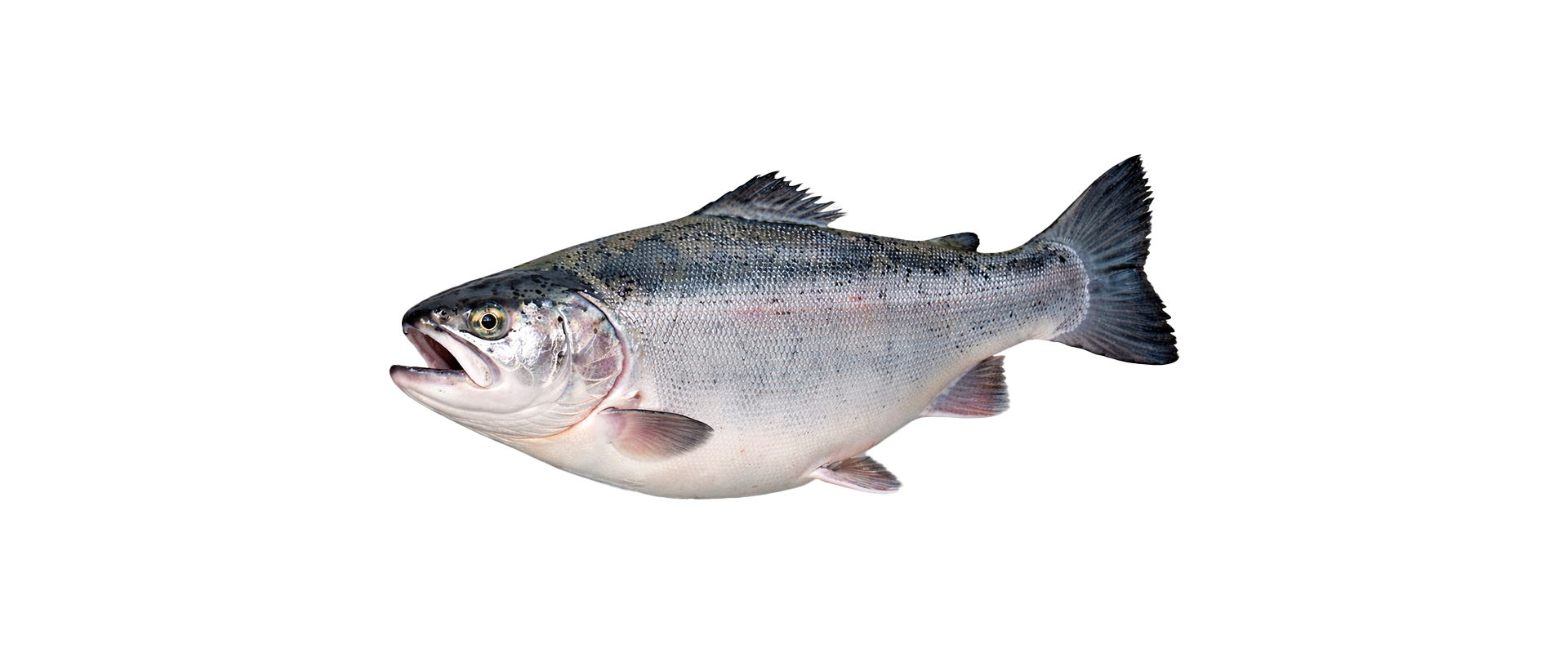
Turkish salmon is a salmon-category aquaculture product associated with production and processing in Türkiye, particularly within the broader Black Sea supply context. Export specifications can vary by producer, so buyers should confirm species information, origin, product format, size, processing details, and supporting documents for each order.
Which documents are required to import Turkish salmon?
Requirements depend on the destination country and shipment. Common commercial and shipping records may include an invoice, packing list, certificates, health-related documents, origin information, and transport records. Importers should confirm the current list with their customs broker or competent authority before ordering.
How should importers compare Turkish salmon suppliers?
Importers should compare product conformity, production capacity, processing options, quality controls, traceability, packaging, documentation, cold-chain coordination, communication, lead times, order flexibility, export experience, and total landed value—not only the quoted product price.
Is Turkish salmon suitable for restaurants and hotels?
Turkish salmon can be suitable for restaurants, hotels, catering companies, and institutional kitchens in whole, fillet, or portion formats. Chefs and purchasing teams should select specifications according to recipe, serving size, kitchen workflow, storage capacity, menu positioning, and target food cost.
Can buyers request samples or a trial order?
A trial shipment may be possible depending on exporter policy, minimum quantities, destination, logistics, and product availability. Trial orders help buyers assess quality, specification accuracy, packaging, documentation, transport performance, processing yield, and customer response before planning larger volumes.
How is Turkish salmon quality checked?
Quality controls may cover incoming fish, grading, processing, trimming, weight, appearance, packaging, labeling, storage, and final shipment conformity. Buyers should request information about the exporter's procedures and define clear acceptance criteria within the agreed product specification.
Documentation Should Be Planned Early
Export documentation is most effective when destination requirements are confirmed before production and dispatch. Early coordination between the Turkish salmon exporter, importer, customs broker, and logistics provider helps reduce avoidable delays and inconsistent shipment information.
Explore related content
Continue with pages and guides that complement this topic.