
Turkish Salmon Supplier for Chinese Seafood Importers
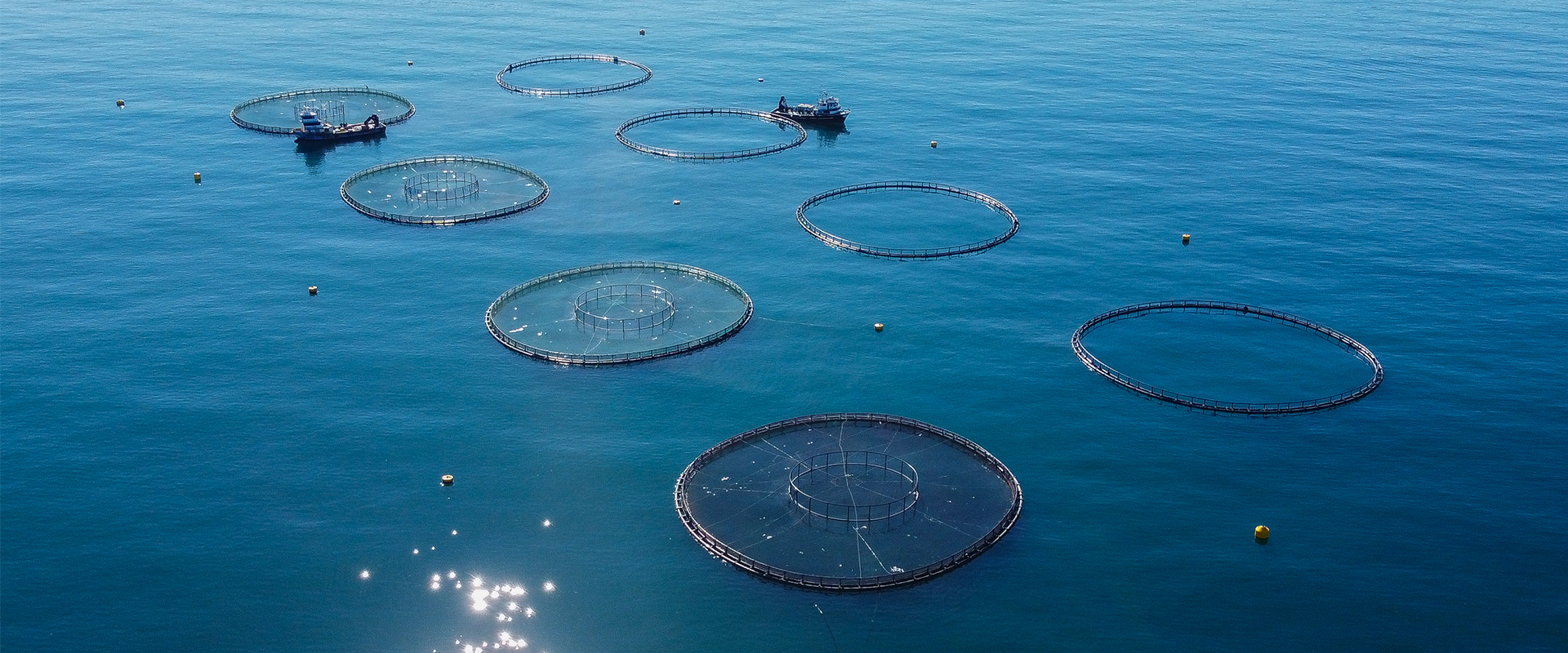
As global demand for high-quality seafood continues to rise, Kıyak Group stands out as a premier Turkish salmon supplier for Chinese importers. Sourced from Turkey's pristine waters, specifically the Oncorhynchus mykiss species, our salmon offers exceptional flavor and versatility. This landing page is tailored for commercial buyers looking to enhance their seafood offerings with superior Turkish salmon, ensuring freshness and quality in every delivery. Our robust supply chain, integrated processing capabilities, and export-ready packaging ensure that you receive only the best.
Your Trusted Source for Turkish Salmon in China
Kıyak Group provides a comprehensive solution for Chinese seafood importers by delivering high-quality Turkish salmon. Our operational excellence in aquaculture allows us to maintain a processing capacity of approximately 5,000 tons annually. We adhere to stringent quality controls, ensuring that our products meet the highest standards for safety and taste.
### Why Choose Kıyak Group?
1. **Quality Assurance**: We guarantee the freshness of our salmon by utilizing advanced processing techniques. Our frozen logistics system ensures that the product retains its optimal qualities from the moment it leaves our facility until it reaches your door.
2. **Tailored Solutions**: We understand the unique needs of Chinese importers, distributors, and e-commerce businesses. Our team is dedicated to helping clients navigate label reviews and compliance, ensuring that your products meet local regulations.
3. **Sustainability Practices**: Kıyak Group is committed to sustainable aquaculture practices, promoting environmental stewardship while providing high-quality seafood.
With our extensive experience and resources, Kıyak Group is your reliable partner in sourcing Turkish salmon. For further information or to inquire about our products, feel free to reach out.
Integrated Supply Chain
Kıyak Group manages every aspect of production, from aquaculture to processing and distribution.
High Processing Capacity
With a capacity of around 5,000 tons annually, we ensure a consistent supply of high-quality salmon.
Compliance and Support
We support our clients with label review and compliance assistance, tailored for the Chinese market.
Product Formats for Retail and Foodservice
Turkish salmon can be supplied in several formats, including whole round fish, gutted fish, headed-and-gutted fish, skin-on or skinless fillets, fixed-weight portions and smoked products. Availability depends on the producer, processing facility and destination market. Each format serves a different operation: whole fish may suit traditional counters, fillets reduce kitchen preparation, and calibrated portions improve cost control in restaurants or catering. Buyers should define trim level, pin-bone requirement, skin condition, weight tolerance, packaging, glazing and labeling before confirming an order. Precise product codes and written specifications prevent misunderstandings, especially when the same commercial description is used for cuts with different yields and labor requirements.
High-Quality Protein and Beneficial Fats
Turkish salmon can contribute high-quality protein and beneficial unsaturated fats to a balanced diet. Fish protein supplies essential amino acids used by the body for the maintenance and repair of tissues, while naturally occurring omega-3 fatty acids make oily fish an important part of varied eating patterns. The exact nutritional profile is not identical in every product; it can change with farming conditions, feed, harvest size, edible portion and processing method. For retail labels, menus or health-focused marketing, businesses should rely on a current laboratory analysis or the supplier’s approved nutrition declaration. Preparation also matters: grilling, baking or steaming with moderate added fat can preserve the fish’s natural qualities without unnecessarily increasing calories.
Retail Presentation and Consumer Communication
In retail, Turkish salmon can be positioned as whole fish, chilled fillets, frozen portions, marinated items or smoked products. Clear labeling should identify the legally required species information, production method, origin, storage instructions, net quantity, date information and other details required in the destination market. Transparent communication is particularly important because the commercial term Turkish salmon may be unfamiliar to some consumers. Packaging should protect the fish, support temperature control and make the cut and portion size easy to understand. Recipe suggestions, cooking guidance and flavor pairings can reduce hesitation at the point of sale, but claims about nutrition, sustainability or certification should only be used when supported by approved documentation.
A Practical Choice for Balanced Meals
Turkish salmon fits easily into balanced meal planning because a single portion can serve as the main protein while vegetables, grains or legumes complete the plate. Its satisfying texture and natural richness often reduce the need for heavy sauces, which gives chefs room to create lighter recipes with herbs, lemon, roasted vegetables or grain salads. Portion size should be selected according to the customer group, recipe and local dietary guidance rather than a single universal rule. The final nutritional value also depends on preparation: breading, deep-frying and rich sauces produce a different meal from baking or grilling. Clear menu descriptions help consumers understand both the fish and the way it has been prepared.
Prepared for International Supply Chains
Turkish salmon can be supplied to international buyers in chilled or frozen formats, but successful export requires precise coordination between production, processing, documentation and logistics. The chosen format must match transit time, border procedures, customer storage capacity and the shelf life required on arrival. Exporters and importers should confirm health certificates, facility eligibility, labeling, species declaration, packaging marks and any market-specific requirements before dispatch. Insulated packaging, suitable refrigerants where used, temperature monitoring and reliable transport partners help protect the shipment. A pre-agreed document checklist and communication plan reduce delays. Because regulatory requirements can change, every shipment should be checked against the current rules of the destination market rather than relying on an earlier order.
Menu Versatility Across Cuisines
Turkish salmon can be used in Mediterranean, European, Asian-inspired, and modern fusion recipes, depending on the buyer's culinary direction. Its adaptable use allows food-service teams to include it in grilled dishes, salads, pasta, rice bowls, sandwiches, appetizers, and seasonal menu specials.
Ready-to-Cook Product Development
Turkish salmon can be incorporated into ready-to-cook recipes such as seasoned fillets, tray-bake meals, skewers, or marinated portions. This usage fits manufacturers and retailers developing convenient seafood products for consumers who want quick preparation with clear cooking instructions.
Traceable Batch Identification
Each shipment can be organized with batch-level identifiers and supporting commercial documentation to help buyers follow product movement through their supply chain. This feature can be used for warehouse control, quality checks, stock rotation, customer inquiries, and internal traceability procedures.
Quotation and Commercial Agreement
A commercial quotation is prepared according to the confirmed product, quantity, delivery term, destination, freight arrangement, payment conditions, and estimated shipment period. Once the buyer approves the offer, both parties document the order details so procurement and production teams can proceed with the same information.
Sorting and Grading
Fish are sorted and graded according to the weight ranges and product characteristics agreed for the export order. This application helps create consistent cases and enables the buyer to receive products that are better suited to retail display, restaurant portioning, wholesale sale, or further processing.
Raw Material Receiving
After harvest, Turkish salmon is transferred to the processing operation under controlled handling conditions. Receiving teams check the incoming fish against defined criteria such as general appearance, size range, temperature, batch information, and production records before authorizing the next processing stage.
Evaluate Export Experience
Experience with international seafood shipments can indicate whether a supplier understands documentation, refrigerated logistics, communication, destination coordination, and order follow-up. Buyers should consider the exporter's relevant market experience and ability to explain how each Turkish salmon shipment will be managed.
Use a Trial Order for Validation
Before starting a large recurring program, buyers may use a controlled trial order to evaluate Turkish salmon quality, specification accuracy, packaging, labeling, documentation, transit performance, and customer response. The results provide practical evidence for refining future orders and establishing long-term supply conditions.
Choose the Appropriate Product Format
Buyers should first determine whether whole fish, headed and gutted fish, fillets, portions, fresh products, or frozen products best fit their operation. The correct Turkish salmon format depends on local processing capacity, sales channel, customer expectations, kitchen workflow, storage conditions, and intended final presentation.
Traceable Production Records
Turkish salmon export programs can be supported by batch-based production, processing, packing, and shipment records. Clear traceability gives importers better visibility into product movement and helps them manage receiving checks, inventory control, customer questions, internal quality procedures, and supply-chain documentation.
Processing Control and Verification
Heading, gutting, filleting, trimming, deboning, and portioning operations can be checked against the confirmed order specification. This verification helps ensure that Turkish salmon is prepared in the format expected by wholesalers, retailers, food-service buyers, and processors.
Türkiye as a Regional Seafood Supplier
Türkiye's location between Europe, Asia, the Middle East, and the Black Sea gives Turkish salmon exporters access to several regional trade corridors. Buyers can evaluate transport routes and delivery programs according to destination distance, product condition, shipment size, and local distribution requirements.

Frequently Asked Questions
What trimming options are available for fillets?
Trimming options depend on the processor's production program and the buyer's specification. Importers should communicate the desired removal of fins, belly material, bones, excess tissue, and other details using a written description or approved reference sample.
Can Turkish salmon be shipped door to door?
Door-to-door delivery may be arranged through suitable logistics providers and agreed trade terms. Feasibility depends on origin, destination, customs responsibilities, cold-chain continuity, local delivery access, shipment size, and the services included in the quotation.
Is Turkish salmon suitable for ready-meal production?
Turkish salmon portions or fillets may be used in ready-meal and ready-to-cook applications when they meet the manufacturer's specifications. Processors must validate recipes, cooking instructions, allergens, shelf life, packaging, food-safety controls, and destination requirements.
What species is marketed as Turkish salmon?
The commercial name Turkish salmon may refer to a salmon-category aquaculture product marketed by Turkish suppliers. Because terminology and specifications can vary, importers should confirm the scientific species name, commercial description, origin, production method, and label wording before placing an order.
Can Turkish salmon be distributed through e-commerce?
Retail-packed or portioned Turkish salmon may suit online seafood and grocery channels when appropriate cold-chain packaging, labeling, delivery time, storage instructions, and last-mile handling are established. The e-commerce operator should validate the complete delivery process.
Can Turkish salmon be shipped without pallets?
Floor-loaded or non-palletized arrangements may be possible for certain refrigerated shipments, subject to product packaging, transport equipment, loading method, destination handling, and buyer approval. The agreed loading configuration should appear clearly in shipment planning.
What happens if a shipment is delayed?
The exporter, carrier, and importer should share updates and evaluate the effect of the delay on customs, receiving, storage, and product conditions. Responsibilities and claims depend on the delivery term, transport contract, insurance, evidence, and circumstances of the shipment.
How long is a Turkish salmon quotation valid?
Quotation validity depends on product availability, raw-material conditions, packaging costs, freight rates, currency movements, and exporter policy. The validity date should be stated clearly, and buyers should request an updated offer if approval occurs after that period.
Which Incoterms can be used for Turkish salmon?
Available Incoterms depend on the exporter, buyer, transport mode, destination, and commercial agreement. Both parties should confirm the named place and understand responsibility for freight, insurance, clearance, local charges, risk transfer, and final delivery before signing the order.
Can Turkish salmon carry the buyer's barcode?
A buyer-provided barcode can be included when supported by the packaging program. The buyer remains responsible for supplying the correct code and associated product data, while both parties should verify placement, print quality, pack size, and label version before production.
Can Turkish salmon fillets be supplied skin-on or skinless?
Skin-on or skinless fillet options may be available depending on processing capability and order specification. Buyers should also confirm trimming, pin-bone removal, fillet weight, packing style, fresh or frozen condition, and any tolerances required for their market.

Regional Positioning Supports Market Development
Türkiye's connection to European, Middle Eastern, Black Sea, and Eurasian trade routes creates several possibilities for Turkish salmon market development. The best opportunity depends on destination demand, transport access, import requirements, product condition, and the buyer's distribution network.
Explore related content
Continue with pages and guides that complement this topic.