
Turkish Salmon Sourcing Strategies for Seafood Trading
Turkish salmon has gained recognition in global seafood markets for its quality and sustainable production methods. Sourcing this delicacy requires an in-depth understanding of both the local industry and international trade dynamics. Companies like Kıyak Group exemplify the potential of Turkish salmon as a viable product, emphasizing quality, traceability, and sustainability in their sourcing practices. This guide outlines effective strategies for sourcing Turkish salmon to optimize trade and market reach, ensuring you remain competitive in the seafood industry.
Sourcing Turkish Salmon: Strategies for Success
The focus on Turkish salmon sourcing strategies involves several key considerations, including supplier relationships, quality assurance, market trends, and sustainability practices. Establishing strong relationships with local producers, such as those associated with Kıyak Group, allows for better control over quality and supply chain efficiency. Understanding market demand and trends is crucial; tracking consumer preferences helps in adapting sourcing strategies accordingly.
Quality assurance is paramount in the seafood industry. Ensuring that the Turkish salmon meets international standards not only enhances marketability but also builds trust with clients. Companies should implement stringent quality checks and certifications, so buyers are confident in the product's origin and handling.
Sustainability is another vital aspect when sourcing Turkish salmon. Adopting environmentally friendly practices not only complies with increasing regulations but also appeals to ethically conscious consumers. This includes engaging in responsible farming and fishing practices, minimizing bycatch, and ensuring compliance with local and international sustainability standards.
Finally, keeping abreast of international trade regulations and tariffs is essential for successful exporting of Turkish salmon. These regulations can significantly affect pricing and trade strategies, necessitating an informed approach to sourcing and market entry.
Building Supplier Relationships
Cultivate strong partnerships with local producers for better quality control and reliable supply.
Ensuring Quality Assurance
Implement robust quality checks to meet international seafood standards and enhance market trust.
Understanding Market Trends
Monitor consumer preferences to adjust sourcing strategies and maximize market reach.
Local Employment and Seafood Expertise
Aquaculture, processing, packaging, quality control, cold storage, and logistics create specialized work across the Turkish salmon supply chain. This local knowledge supports daily production activities and contributes to the operational experience required for preparing seafood for international markets.
Regional Processing Infrastructure
Turkish salmon export depends on coordinated local operations that connect production areas with processing, packaging, cold storage, and transport services. This regional infrastructure helps convert harvested fish into buyer-specific formats suitable for wholesale, retail, food service, or further processing.
Turkish Salmon and the Black Sea Region
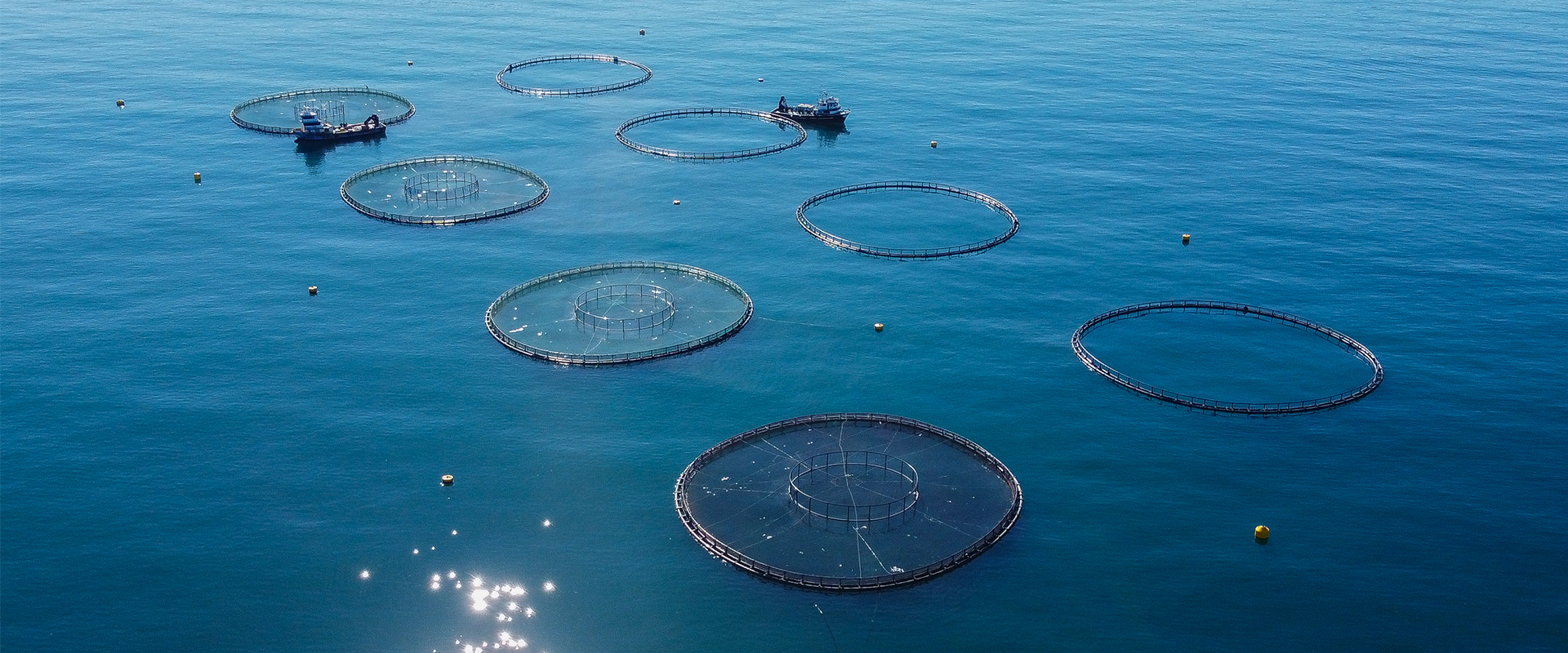
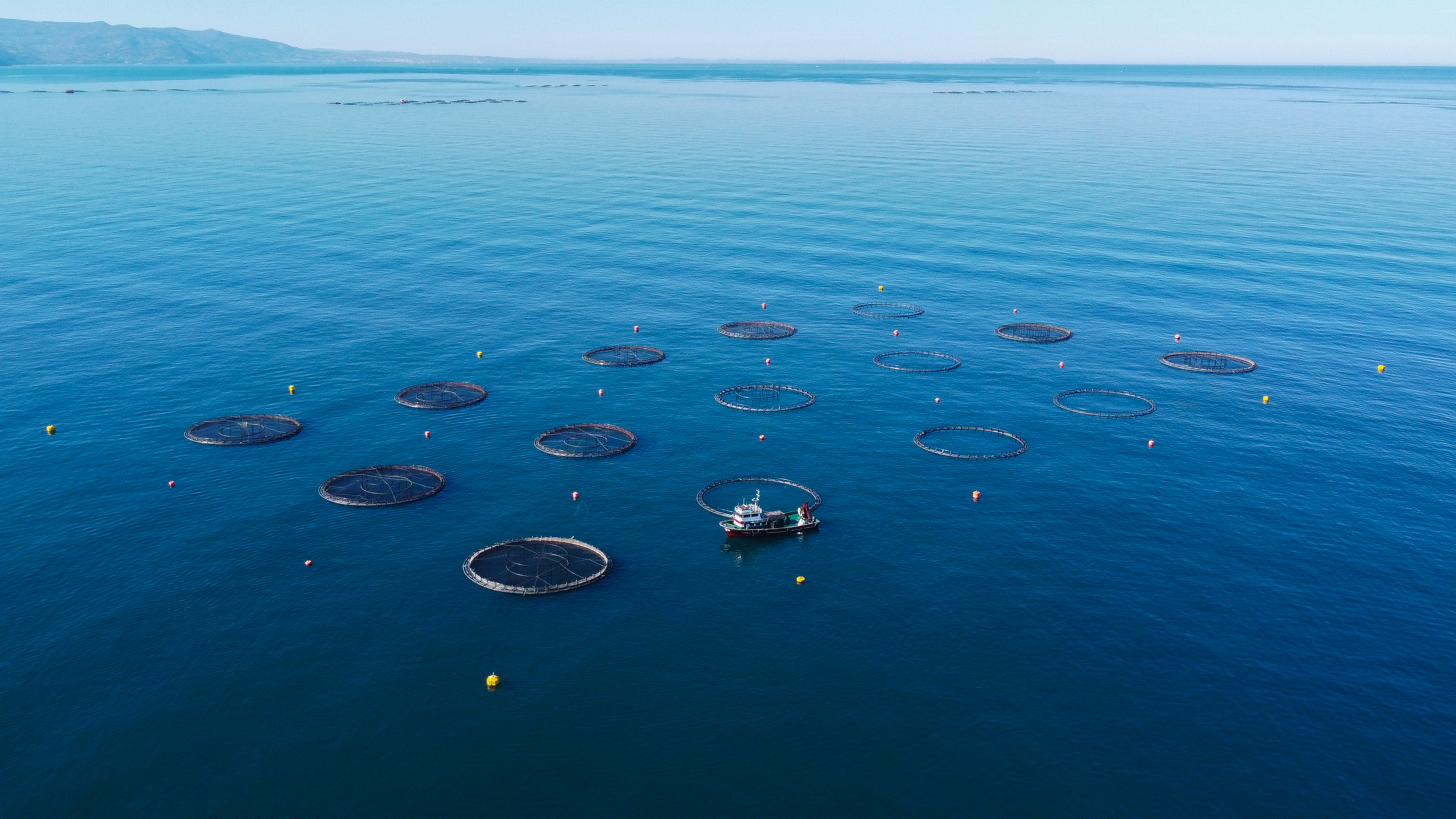
Turkish salmon is closely associated with aquaculture activity connected to Türkiye's Black Sea region. This regional identity gives exporters a clear origin story and allows international buyers to position the product around its Turkish production background, coastal supply network, and connection to a recognized seafood-producing area.
Building Long-Term Regional Partnerships
Turkish salmon trade can develop through long-term cooperation between producers, exporters, importers, distributors, retailers, and food-service businesses. Regular feedback on regional demand, logistics, specifications, packaging, and customer response helps partners create more stable and market-focused supply programs.
Türkiye as a Regional Seafood Supplier
Türkiye's location between Europe, Asia, the Middle East, and the Black Sea gives Turkish salmon exporters access to several regional trade corridors. Buyers can evaluate transport routes and delivery programs according to destination distance, product condition, shipment size, and local distribution requirements.
Regional Cold-Chain Coordination
Maintaining Turkish salmon quality requires cooperation between local processors, cold stores, transport companies, freight forwarders, and destination partners. Regional cold-chain coordination supports controlled movement from the production area to international loading and onward delivery.
Black Sea Origin Story for Buyers
The Black Sea context can support product communication in retail displays, menus, catalogs, and digital campaigns. Importers may use the Turkish regional origin to differentiate their salmon range while keeping all marketing statements aligned with the actual producer, batch, and documented supply information.
Frequently Asked Questions
How is product temperature checked before loading?
The exporter follows its approved monitoring procedure and records relevant product or storage conditions before dispatch. Buyers should ask which measurements are taken, how results are documented, and what acceptance limits apply to the selected fresh, chilled, or frozen format.
How are pallets prepared for export?
Pallet configuration depends on carton dimensions, case weight, transport mode, container or vehicle limits, handling equipment, and destination requirements. Buyers should request pallet count, cases per pallet, gross weight, dimensions, wrapping method, and labeling details before dispatch.
Can multiple Turkish salmon products share one shipment?
A mixed-product shipment may be arranged when formats, temperature conditions, packaging, documentation, and loading plans are compatible. The exporter must confirm feasibility, while the buyer should provide separate quantities, labels, specifications, and receiving instructions for every item.
Can mixed-size Turkish salmon orders be arranged?
Mixed-size orders may be possible depending on stock, production planning, minimum quantities, packaging, and shipment configuration. Buyers should list acceptable size groups and volumes separately so the exporter can confirm availability and quote each specification accurately.
Are pin-bone-removed fillets available?
Pin-bone removal may be offered by suitable processors, subject to the agreed product definition and production capability. Importers should specify the required standard, permitted tolerance, inspection method, fillet format, and intended retail or food-service use when requesting a quotation.
What happens if the requested size is unavailable?
The exporter should inform the buyer and propose available alternatives, revised quantities, a different shipment date, or another product format. No substitution should be made without buyer approval and an updated written specification or order confirmation.
Total Landed Value Matters
When evaluating Turkish salmon, importers should consider freight, customs, handling, storage, processing yield, packaging, and local delivery alongside the product price. This complete assessment provides a more accurate view of commercial value and potential profitability.
Explore related content
Continue with pages and guides that complement this topic.