
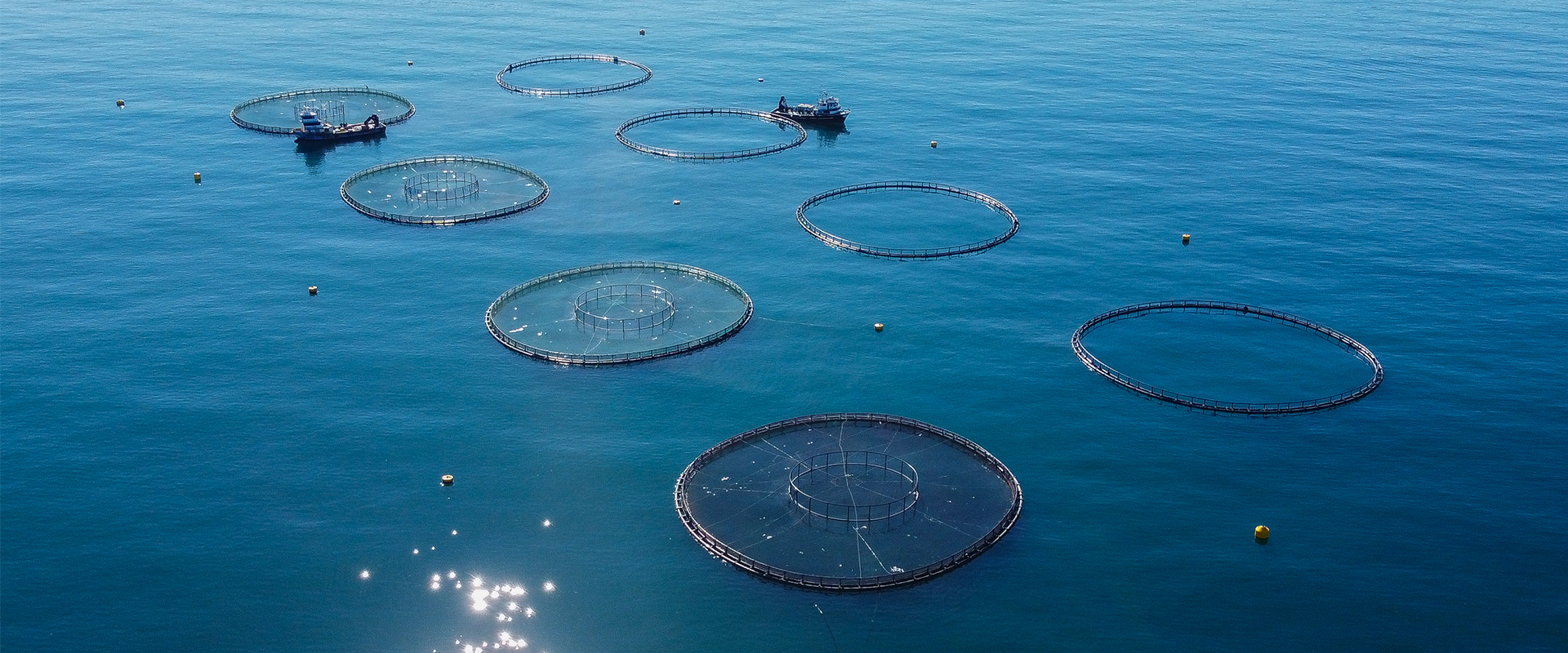
Turkish Salmon Sourcing Strategies for Frozen Fillets
The Turkish salmon market is known for its high-quality production methodologies, making it essential to adopt effective sourcing strategies when procuring frozen fillets. Understanding the nuances of this market can help buyers maximize their investments while ensuring a reliable supply of premium fish products. Utilizing the right approaches not only enhances product quality but also improves supply chain efficiency, allowing for better overall customer satisfaction in the competitive seafood industry. With this in mind, various methods can be implemented to optimize sourcing practices.
Effective Sourcing Strategies for Turkish Salmon Frozen Fillets
Implementing effective sourcing strategies for Turkish salmon involves understanding the regional advantages and sourcing practices unique to Turkey. The key to navigating this process lies in forging relationships with reliable suppliers, ensuring that all products meet international quality standards. Buyers should prioritize suppliers that emphasize sustainable practices and traceability, ensuring that the frozen fillets are sourced responsibly. Building partnerships with local producers can also facilitate better pricing models, contributing positively to the entire supply chain. Furthermore, leveraging technology to access real-time market data can enhance decision-making processes, enabling buyers to adjust their sourcing strategies based on market trends. Lastly, regular quality assurance checks, combined with transparent communication with suppliers, will lead to maintaining high standards and fostering trust over long-term collaborations. By utilizing these strategies, stakeholders can expect a more streamlined, cost-effective approach to sourcing Turkish salmon.
Focus on Sustainable Sourcing
Prioritizing suppliers that adhere to sustainable practices ensures responsible sourcing of Turkish salmon.
Emphasize Quality Assurance
Implement regular quality checks to maintain high standards and meet consumer expectations.
Build Local Partnerships
Collaborating with local producers can facilitate better pricing models and foster long-term relationships.
Frequently Asked Questions
Can specifications be changed after order confirmation?
Changes may be possible only before certain production or packaging stages and require exporter approval. Adjustments to size, cut, quantity, label, pack, date, or destination can affect availability, price, lead time, documents, and already purchased materials.
What information should appear in a purchase inquiry?
A useful inquiry should include company and destination, product format, fresh or frozen condition, size, processing, quantity, packaging, label needs, delivery term, target date, transport preference, documents, and any special quality criteria. Complete requests receive more accurate responses.
Can Turkish salmon be shipped without pallets?
Floor-loaded or non-palletized arrangements may be possible for certain refrigerated shipments, subject to product packaging, transport equipment, loading method, destination handling, and buyer approval. The agreed loading configuration should appear clearly in shipment planning.
Can labels be printed in multiple languages?
Multilingual labels may be prepared when the buyer supplies or approves accurate translations and mandatory destination information. Product identity, net weight, storage condition, batch coding, importer details, barcode, and regulatory statements should be reviewed before printing.
Can Turkish salmon be packed for supermarket display?
Retail-display packs may be developed according to buyer volume and supplier capability. Pack size, tray or pouch format, label language, barcode, product name, storage instructions, artwork approval, shelf presentation, and destination compliance must be confirmed in advance.
What sizes of whole Turkish salmon are available?
Available whole-fish sizes depend on the production cycle, harvest plan, season, grading program, and current stock. Buyers should state their acceptable minimum and maximum range and ask the exporter to confirm availability before finalizing packaging and shipment quantities.
Consistent Orders Require Shared Standards
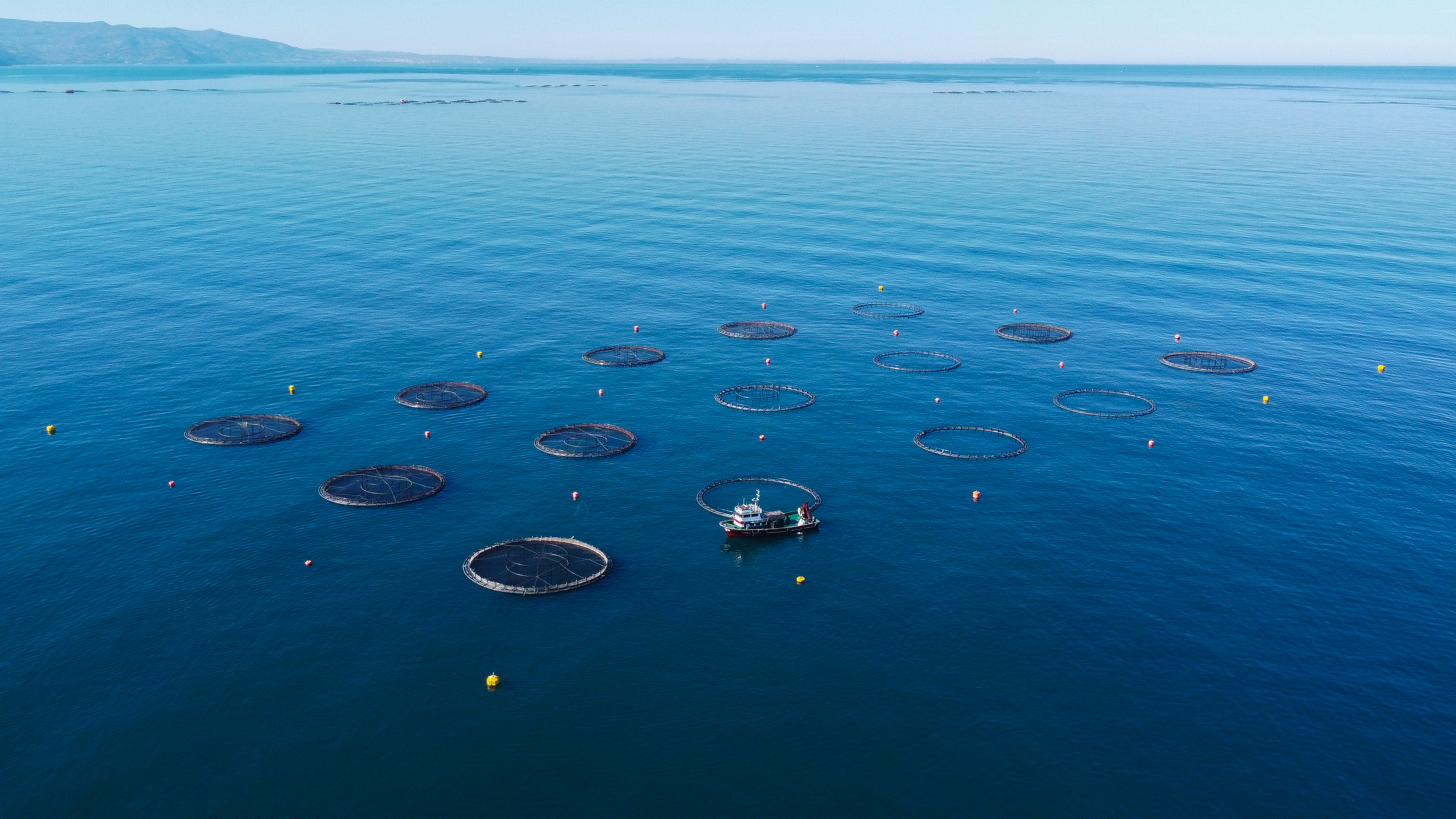
Recurring Turkish salmon supply works best when exporter and buyer use the same written specifications, inspection criteria, packaging instructions, and communication process. Shared standards reduce variation and make performance easier to measure across multiple shipments.
Explore related content
Continue with pages and guides that complement this topic.