
Turkish Salmon Sourcing Strategies for Cross-Border Seafood Trade
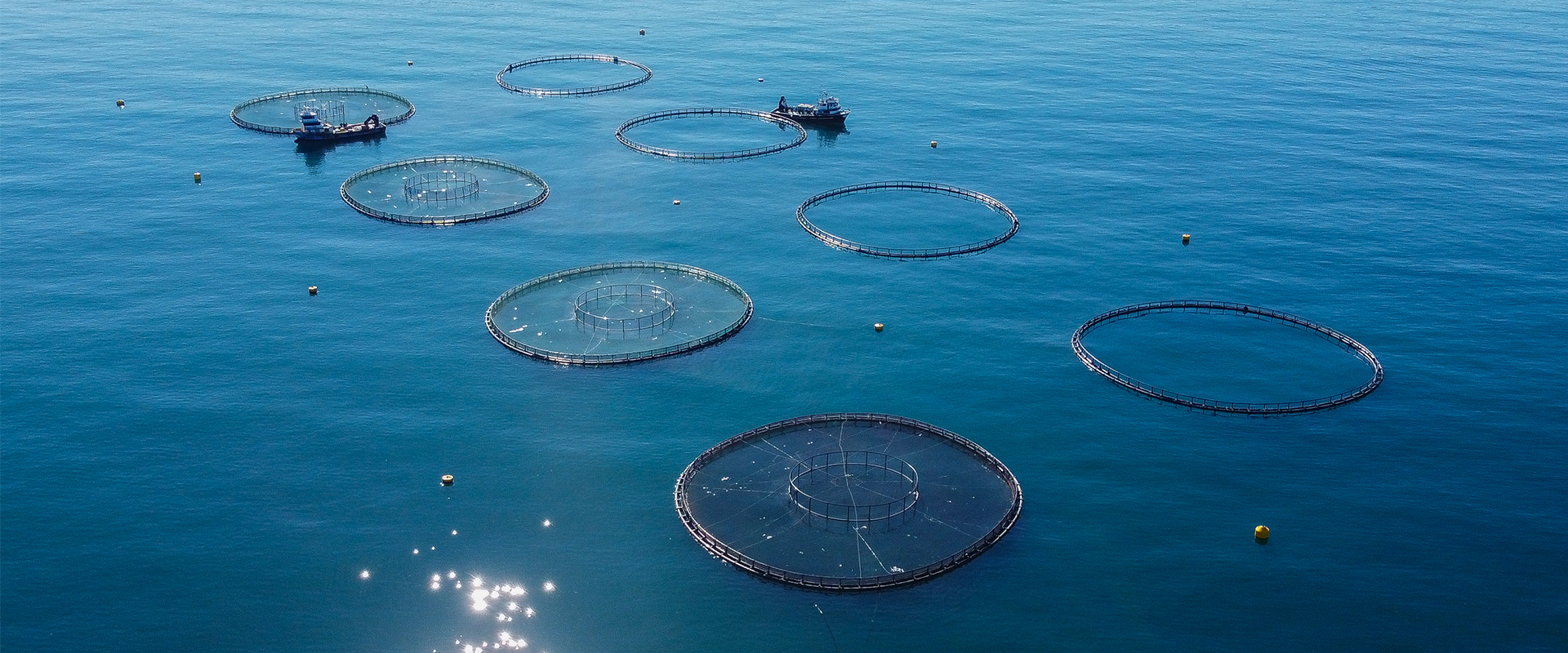
Understanding the complexities of sourcing Turkish Salmon can significantly impact success in the cross-border seafood trade. With Turkey's rich aquatic resources and a growing industry, firms can leverage local production for global markets. Implementing effective sourcing strategies is crucial to ensure quality, cost-effectiveness, and compliance with international regulations, paving the way for smoother trade operations and enhanced profitability for stakeholders in the seafood sector. Let's explore key approaches to optimize sourcing in this unique market context, focusing on strategies that elevate quality and sustainability while also addressing logistical challenges that may arise during international trade. Reaching optimal sourcing decisions is essential for a successful venture into global seafood markets.
Mastering Turkish Salmon Sourcing for International Success
The critical factors in sourcing Turkish Salmon lie in establishing reliable partnerships, ensuring quality control, and navigating regulatory frameworks. Building relationships with local producers in regions such as Samsun offers access to high-quality products while promoting sustainability. It's necessary to assess and monitor the supply chain rigorously, ensuring all stakeholders adhere to health and safety standards, ultimately enhancing the confidence of international buyers. Moreover, understanding the logistics of cross-border transportation is vital; factors like export documentation and customs regulations cannot be overlooked to avoid costly delays. Networking within the industry opens doors to invaluable insights and best practices that can inform successful strategies. Keeping abreast of market trends equips companies to adapt to consumer preferences, enhancing their competitive edge globally. By nurturing these elements, businesses can thrive in the international seafood market, maximizing the potential of Turkish Salmon as a premium product. Continuous evaluation of sourcing practices and market conditions is a must, further solidifying a firm's position in the dynamic landscape of seafood trade. Additionally, leveraging technology can improve supply chain transparency, helping to identify potential inefficiencies and optimize sourcing strategies effectively, thus ensuring that stakeholders throughout the process benefit from the growing demand in the global seafood marketplace.
Quality and Sustainability
Partnering with local producers ensures access to high-quality, sustainably sourced Turkish Salmon.
Effective Supply Chain Management
Implement monitoring systems to maintain compliance with international health and safety standards.
Navigating Regulatory Frameworks
Understand and manage all necessary export documentation and customs regulations for smooth operations.
Smoked Turkish Salmon as a Value-Added Product
Smoking can transform Turkish salmon into a value-added product with a concentrated aroma, attractive slicing characteristics and broad menu potential. Depending on the approved process, smoked fish may be presented in sliced retail packs, breakfast dishes, sandwiches, salads, canapés or appetizer plates. Salt level, smoke intensity, moisture, slice thickness and packaging all influence consumer acceptance. Because smoked seafood is a ready-to-eat or minimally prepared category in many applications, processors and buyers must pay close attention to hygienic production, temperature control, shelf-life validation and label instructions. The specific product should be evaluated on its own technical documentation rather than assuming that all smoked formats have the same handling requirements.
What Buyers Should Check Before Ordering
A professional Turkish salmon purchase begins with a detailed written specification. Buyers should confirm the species, farming origin, harvest or production information, product form, size range, trim, skin and pin-bone requirements, packaging, storage conditions, shelf life and delivery temperature. They should also review the processing facility’s approvals, food-safety system, traceability procedure and documents required by the destination country. Photographs and samples are helpful, but they do not replace agreed tolerances and inspection criteria. Commercial terms should define net weight, glazing where relevant, carton configuration, labeling language, claims, lead time and the process for reporting non-conformities. Careful specification work protects both supplier and customer.
Grilling Turkish Salmon
For grilling, evenly cut Turkish salmon portions help the kitchen achieve consistent cooking and presentation. Skin-on pieces can be useful because the skin protects the flesh and may become crisp when the surface is dry and the grill is properly prepared. A light coating of oil and restrained seasoning allow the natural flavor to remain clear. Thick sugary marinades should be managed carefully because they can burn before the center is ready. Cooking time varies with portion thickness, starting temperature and equipment, so visual appearance alone is not a reliable safety control. When the fish releases cleanly from the grill and remains moist inside, it works well with lemon, herbs, grilled vegetables or grain-based side dishes.
Portion-Controlled Cuts
Turkish salmon can be prepared in portion-controlled cuts when an importer needs uniform serving sizes. This format is particularly useful for hotels, restaurants, catering businesses, and meal-preparation brands because it supports consistent plating, portion cost control, simpler kitchen workflow, and standard recipe execution.
Production and Harvest Planning
The supplier coordinates production availability and harvest timing with the requested shipment window. Planning considers fish size, processing capacity, packaging materials, cold-storage availability, and transport arrangements, helping the export order move through each stage without avoidable interruption.
Compare Delivery Lead Times
The expected time for production, packing, documentation, transport booking, and international transit should match the buyer's inventory plan. Importers should compare realistic lead times rather than only shipment speed, because dependable Turkish salmon replenishment requires coordination across the complete supply chain.
Consistent Sorting and Grading
Sorting Turkish salmon according to agreed weight ranges and product criteria creates greater consistency within export cases. Reliable grading supports predictable retail presentation, restaurant portioning, processing yield, stock planning, and customer satisfaction across repeated orders.
Frequently Asked Questions
How is net weight confirmed for export cases?
Net weight is checked according to the product format, packing process, agreed tolerances, and applicable commercial requirements. Importers should define whether they require fixed or variable weights and how case-level and unit-level weights should appear on labels and documents.
Is cargo insurance included in the quotation?
Cargo insurance is not automatically included in every offer. Buyers should review the stated Incoterm and quotation details, confirm who arranges insurance, understand coverage limits and exclusions, and ensure that temperature-sensitive seafood risks are addressed appropriately.
Can Turkish salmon be individually quick frozen?
Individually quick frozen formats may be available for fillets or portions depending on processor capability. Importers should request details about product size, glazing if applicable, inner packaging, carton count, storage temperature, and the method used for the quoted item.
Who approves private-label artwork?
The buyer normally provides or approves brand artwork, while the exporter confirms production feasibility and printing requirements. Both parties should sign off on the final file, product details, dimensions, colors, barcode, language, and mandatory information before packaging is produced.
What sizes of whole Turkish salmon are available?
Available whole-fish sizes depend on the production cycle, harvest plan, season, grading program, and current stock. Buyers should state their acceptable minimum and maximum range and ask the exporter to confirm availability before finalizing packaging and shipment quantities.
Where is Turkish salmon produced?
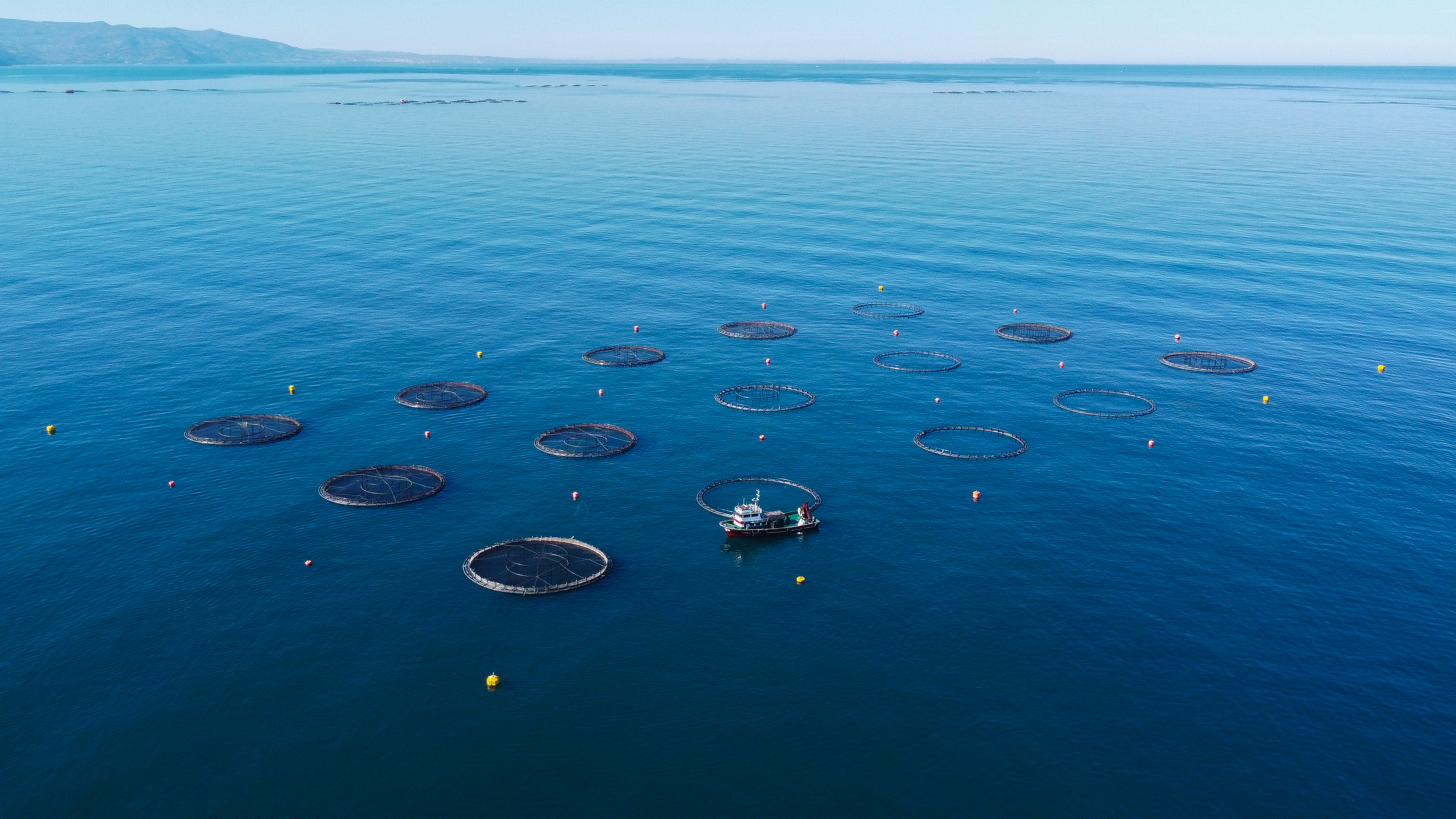
Turkish salmon production is associated with aquaculture operations in Türkiye and the wider Black Sea supply context. Exact farming, processing, and packing locations vary by supplier, so buyers should request documented origin and facility information for the specific shipment.
Traceability Strengthens Commercial Confidence
Batch identification and organized production, packing, and shipment records give buyers greater visibility throughout the supply chain. As a result, traceability is not only a quality tool but also an important element of trust in long-term Turkish salmon trade.
Explore related content
Continue with pages and guides that complement this topic.