

Turkish Salmon Size Grades and Weight Selection Guide
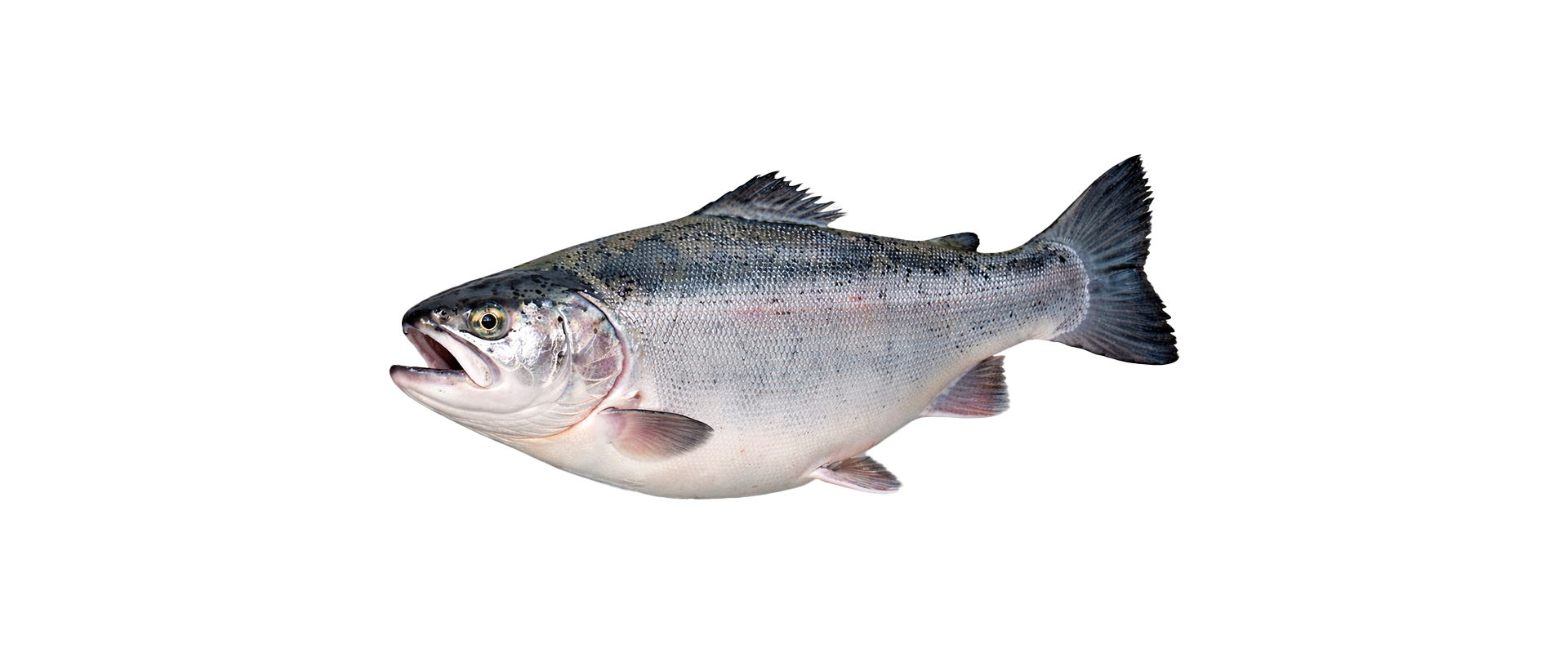
Turkish salmon sizes play a crucial role in the seafood market, particularly for chefs and distributors aiming for consistency in quality and presentation. Known scientifically as Oncorhynchus mykiss, this large rainbow trout cultivated in Türkiye and the Black Sea region serves diverse culinary applications, from whole fish to fillets and portions. Understanding these size grades can significantly impact yield, preparation methods, and overall customer satisfaction. This guide delves into the various size classifications, helping buyers make informed decisions tailored to their needs.
Understanding Turkish Salmon Sizes and Their Importance
Turkish salmon is classified into several size grades based on weight, which affects its culinary applications and pricing. Whole fish grades range typically from smaller options at 1 kg to larger specimens over 5 kg. Fillet sizes generally fall within specified weight categories, making it easier for chefs and retailers to plan their menus and inventory. For portion control, accurate measurements ensure consistency and reduce waste.
**Size Selection Matrix**: A decision table can help determine the best size based on application. For example, larger whole salmon are suitable for grilling and roasting, while smaller sizes are perfect for sashimi and smaller dishes. Additionally, pack planning might differ; larger fish could be meant for events, while smaller portions serve well in retail settings.
It’s essential to consider yield implications. The size of the fish affects the amount of usable meat, particularly how many portions can be cut from larger fish versus smaller. This understanding affects pricing strategies and customer satisfaction, as providing the right portion sizes helps meet culinary demands.
Tolerance is another aspect worth examining. Variance in sizes can affect orders; thus, having a solid understanding of expected weights and grades can assist businesses in managing client expectations effectively. Overall, selecting the right size of Turkish salmon is vital for maximizing quality, yield, and profitability in culinary operations.
Whole Fish Grading
Turkish salmon sizes are categorized based on weight, with whole fish typically ranging from 1 kg to over 5 kg.
Fillet and Portion Sizes
Fillet sizes are critical for portion control, assisting chefs in maintaining consistency and reducing waste.
Yield Implications
Larger fish provide more usable meat, affecting portion numbers and overall profitability.
Suitable for Many Cooking Techniques
The firm flesh and natural richness of Turkish salmon make it suitable for grilling, baking, pan-searing, steaming, poaching and smoking. The best method depends on cut thickness, skin, fat level and the desired service style. High heat can create an attractive surface, while gentler cooking supports moisture retention in thick portions. Overcooking may dry the fish and reduce its delicate texture, so chefs should use a validated time-and-temperature method appropriate to their food-safety system. After cooking, a short rest can help the juices settle before plating. Because the fish accepts both simple seasoning and more complex marinades, it can move from casual menus to premium presentations without requiring an entirely different raw material.
Traceability from Farm to Customer
Traceability connects each shipment of Turkish salmon to relevant production, processing and distribution records. A practical system uses lot or batch codes that allow businesses to identify the farm or production group, harvest and processing details, packaging date and delivery path according to applicable rules. This information supports quality investigations, stock rotation, targeted recalls and customer documentation. Buyers should verify that codes on the product, inner packs, cartons and shipping documents correspond with one another and remain legible throughout handling. Traceability is most effective when every participant records receiving and dispatch information promptly. It should be tested through periodic exercises rather than treated as a label-only requirement.
Traceability Builds Buyer Confidence
Batch records, production information, packing details, and shipment documentation can make Turkish salmon easier to follow through the supply chain. When exporters provide clear and organized traceability data, importers gain better visibility for internal quality procedures, customer inquiries, inventory management, and destination-market compliance checks.
Cold-Chain Focus Supports Product Integrity
Professional Turkish salmon export operations rely on temperature-controlled handling from processing through international delivery. Careful cold-chain management can help preserve the product's intended texture, appearance, and overall condition, giving buyers greater confidence when planning long-distance distribution and downstream storage.
Suitable for Value-Added Processing
The versatility of Turkish salmon makes it relevant for businesses producing portions, ready-to-cook products, smoked items, marinated selections, or other value-added seafood lines. Importers and processors can use suitable formats as a base for localized recipes and packaging concepts that respond to changing consumer preferences.
Headed and Gutted Processing
Headed and gutted Turkish salmon offers a practical format for customers who want a cleaner, ready-for-further-processing product. It can be used by distributors and food-service suppliers that need to reduce preparation time while preserving flexibility for local filleting, smoking, marinating, or retail counter presentation.
Bulk Packaging for Distributors
For wholesale and distribution operations, Turkish salmon may be supplied in bulk packaging that supports efficient handling in cold stores and distribution centers. Buyers can then allocate product to restaurants, seafood shops, retailers, or processors according to local demand and their own repacking capabilities.
Traceable Batch Identification
Each shipment can be organized with batch-level identifiers and supporting commercial documentation to help buyers follow product movement through their supply chain. This feature can be used for warehouse control, quality checks, stock rotation, customer inquiries, and internal traceability procedures.
Buyer Requirement Assessment
The Turkish salmon export process begins by reviewing the buyer's destination, preferred product format, size range, order volume, packaging, delivery schedule, and documentation needs. Recording these requirements clearly helps the exporter prepare an accurate offer and align production planning with the importer's commercial expectations.
Product Quality Inspection
Processed products are checked for conformity with the order specification. Inspection may review dimensions, weight, cut, trimming, appearance, packaging readiness, and other agreed criteria. Non-conforming items are separated so only suitable products continue to packing and shipment preparation.
Export Document Preparation
The exporter prepares the commercial invoice, packing list, shipment records, certificates, and other documents agreed for the destination. Document details are cross-checked against the actual order so the importer, freight forwarder, customs broker, and receiving team work from consistent shipment information.
Verify Label Requirements
Before ordering, the buyer should provide the required label language, product name, net weight, storage instruction, batch details, barcode, importer information, and market-specific statements. Confirming these elements early helps prevent relabeling work and supports smoother Turkish salmon distribution after arrival.
Compare Delivery Lead Times
The expected time for production, packing, documentation, transport booking, and international transit should match the buyer's inventory plan. Importers should compare realistic lead times rather than only shipment speed, because dependable Turkish salmon replenishment requires coordination across the complete supply chain.
Use a Trial Order for Validation
Before starting a large recurring program, buyers may use a controlled trial order to evaluate Turkish salmon quality, specification accuracy, packaging, labeling, documentation, transit performance, and customer response. The results provide practical evidence for refining future orders and establishing long-term supply conditions.
Trial Orders Build Confidence
A controlled trial shipment allows importers to evaluate Turkish salmon specifications, packaging, labeling, documents, transit performance, and market response before committing to larger volumes. The results help both parties refine expectations and establish a practical foundation for recurring trade.
Regular Quality Feedback
Feedback from receiving teams, warehouse staff, processors, retailers, chefs, and end customers can be reviewed after delivery. Sharing this information with the Turkish salmon exporter supports specification improvements, better packaging decisions, and more consistent future supply programs.
Potential Across Eurasian Markets
Turkish salmon can be considered by buyers across Eurasian markets seeking alternative seafood origins and flexible product formats. Regional trade relationships, transport availability, local consumer preferences, import procedures, and seasonal demand all influence how each export program should be structured.
Frequently Asked Questions
Can Turkish salmon be shipped without pallets?
Floor-loaded or non-palletized arrangements may be possible for certain refrigerated shipments, subject to product packaging, transport equipment, loading method, destination handling, and buyer approval. The agreed loading configuration should appear clearly in shipment planning.
How should a sample be evaluated?
Buyers should assess the sample against written criteria such as format, size, trimming, appearance, packaging, label, preparation performance, yield, and intended customer use. Results should be documented and converted into an approved specification for future commercial orders.
Can Turkish salmon carry the buyer's barcode?
A buyer-provided barcode can be included when supported by the packaging program. The buyer remains responsible for supplying the correct code and associated product data, while both parties should verify placement, print quality, pack size, and label version before production.
Can Turkish salmon be supplied for further processing?
Whole fish, headed and gutted products, fillets, or other suitable formats may be supplied to processors. The buyer should define intended output, equipment needs, yield expectations, raw-material size, temperature condition, packaging, and delivery frequency.
Which Incoterms can be used for Turkish salmon?
Available Incoterms depend on the exporter, buyer, transport mode, destination, and commercial agreement. Both parties should confirm the named place and understand responsibility for freight, insurance, clearance, local charges, risk transfer, and final delivery before signing the order.
How is order availability confirmed?
Availability is confirmed after reviewing current stock or production plans, required size, format, quantity, packaging, target shipment date, and destination. A written confirmation or accepted order document should be obtained before the buyer makes downstream sales commitments.
Can mixed-size Turkish salmon orders be arranged?
Mixed-size orders may be possible depending on stock, production planning, minimum quantities, packaging, and shipment configuration. Buyers should list acceptable size groups and volumes separately so the exporter can confirm availability and quote each specification accurately.
Can labels be printed in multiple languages?
Multilingual labels may be prepared when the buyer supplies or approves accurate translations and mandatory destination information. Product identity, net weight, storage condition, batch coding, importer details, barcode, and regulatory statements should be reviewed before printing.
How far in advance should an order be placed?
Required notice depends on product availability, harvest and processing schedules, packaging materials, private-label preparation, order volume, documentation, and freight capacity. Buyers should request a lead-time plan and place recurring or promotional orders earlier than standard replenishment orders.
What payment terms are available?
Payment terms vary by exporter, buyer history, order size, destination, risk assessment, and commercial agreement. The quotation or contract should clearly state currency, deposit, balance timing, banking details, charges, required documents, and any credit conditions.
Documentation Should Be Planned Early
Export documentation is most effective when destination requirements are confirmed before production and dispatch. Early coordination between the Turkish salmon exporter, importer, customs broker, and logistics provider helps reduce avoidable delays and inconsistent shipment information.
Explore related content
Continue with pages and guides that complement this topic.