
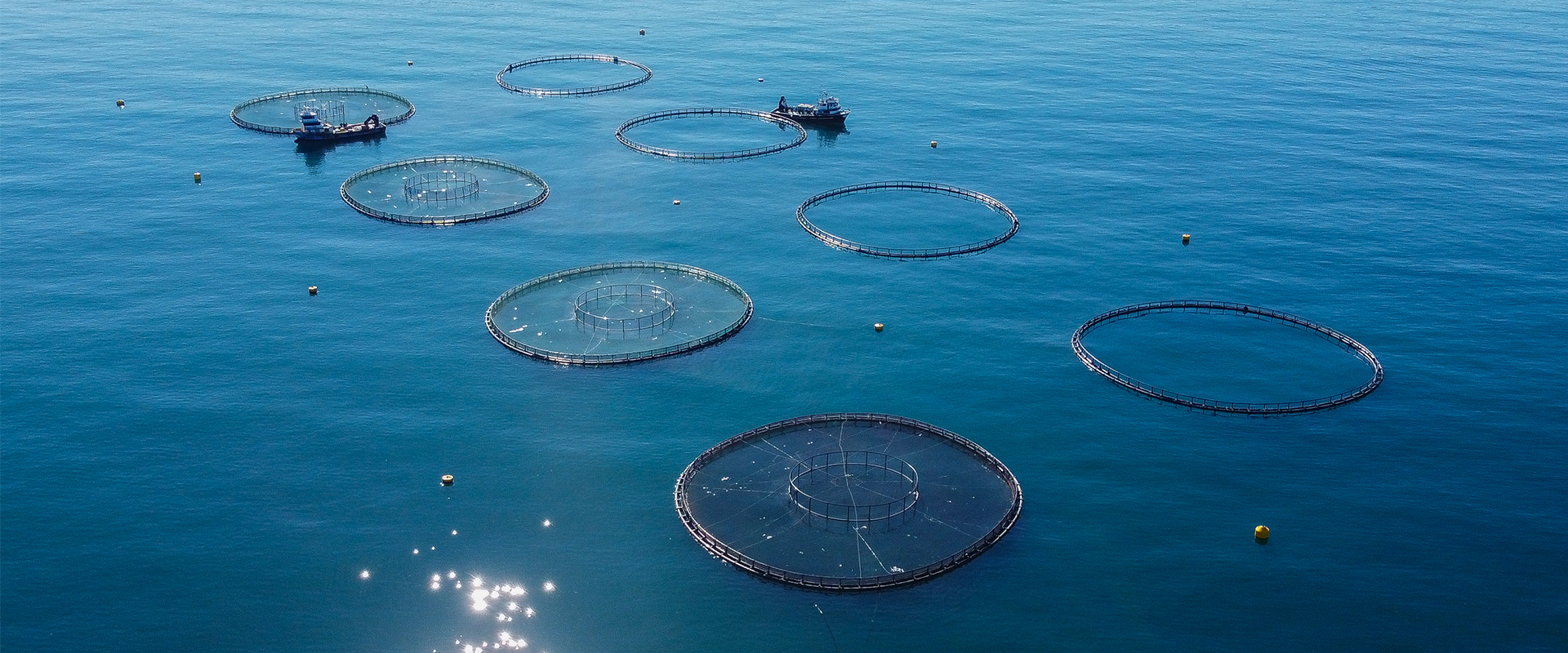
Turkish Salmon Requirements for Global Purchasing
The global seafood market is increasingly relying on high-quality products, and Turkish Salmon stands out due to its unique attributes. Originating from the Samsun region, this delicacy is not only rich in flavor but also meets international standards for quality and sustainability. Buyers looking to source Turkish Salmon need to familiarize themselves with specific requirements to ensure they receive the best product available. Key factors include adherence to safety standards and traceability throughout the supply chain.
Understanding Turkish Salmon Specifications
To successfully import Turkish Salmon, it's essential to understand the various requirements set forth by international regulatory bodies as well as customer preferences. Firstly, seafood safety standards dictate that all products must undergo rigorous testing for contaminants, ensuring health safety for consumers. This includes complying with guidelines established by bodies like the European Food Safety Authority (EFSA) and the U.S. Food and Drug Administration (FDA).
In addition to safety, buyers should consider the sustainability practices observed by Turkish fishery companies like Kıyak Group. Sustainable fishing practices not only protect marine ecosystems but also enhance the reputation of the products themselves. Certification from recognized organizations can significantly increase trust among buyers and consumers.
The supply chain transparency is another vital component. Importers must be able to trace the origin of the fish, from farm to table, to ensure responsible sourcing. This involves clear documentation that provides details about the harvesting process and the conditions under which the fish were raised. Furthermore, ensuring proper storage and transportation conditions is crucial to maintaining the integrity of the salmon during shipment.
Finally, establishing reliable communication channels with suppliers is key in addressing any concerns about product quality and availability. Leveraging partnerships with established exporters like Kıyak Group streamlines the process and improves overall procurement efficiency. By addressing these requirements, buyers can ensure they are sourcing premium quality Turkish Salmon that meets global expectations and market demands.
Safety Standards Compliance
Turkish Salmon must adhere to international safety regulations, ensuring product integrity and consumer health.
Sustainability Practices
Emphasizing sustainable fishing methods can enhance product appeal and contribute to ecological conservation.
Supply Chain Transparency
Trackability from source to market is crucial for maintaining trust and quality assurance.
Responsive Issue Management
When a buyer reports a documented concern, a reliable exporter reviews batch records, shipment information, photographs, receiving data, and relevant process controls. A clear investigation and corrective-action approach helps resolve problems and reduce the chance of recurrence in future Turkish salmon orders.
Regular Quality Feedback
Feedback from receiving teams, warehouse staff, processors, retailers, chefs, and end customers can be reviewed after delivery. Sharing this information with the Turkish salmon exporter supports specification improvements, better packaging decisions, and more consistent future supply programs.
Consistent Sorting and Grading
Sorting Turkish salmon according to agreed weight ranges and product criteria creates greater consistency within export cases. Reliable grading supports predictable retail presentation, restaurant portioning, processing yield, stock planning, and customer satisfaction across repeated orders.
Reliable Shipment Verification
Loading teams can verify vehicle readiness, shipment references, batch quantities, case condition, and documentation before dispatch. This structured loading check strengthens confidence that the correct Turkish salmon order enters the planned refrigerated transport unit.
Transparent Buyer Communication
Reliable exporters communicate product availability, specification details, production timing, document status, shipment progress, and potential changes clearly. Timely information allows Turkish salmon buyers to coordinate purchasing, customs, warehousing, customer commitments, and onward distribution.
Trial Orders Build Confidence
A controlled trial shipment allows importers to evaluate Turkish salmon specifications, packaging, labeling, documents, transit performance, and market response before committing to larger volumes. The results help both parties refine expectations and establish a practical foundation for recurring trade.
Documented Storage Controls
Packed Turkish salmon is held in the appropriate chilled or frozen storage environment before loading. Batch organization, condition monitoring, stock rotation, and dispatch records support controlled warehouse operations and help ensure that the correct products are released for each order.
Frequently Asked Questions
Can Turkish salmon be packed for supermarket display?
Retail-display packs may be developed according to buyer volume and supplier capability. Pack size, tray or pouch format, label language, barcode, product name, storage instructions, artwork approval, shelf presentation, and destination compliance must be confirmed in advance.
How are freight costs calculated?
Freight costs depend on origin, destination, transport mode, shipment weight and volume, temperature requirement, seasonal capacity, fuel and handling charges, customs services, and delivery scope. Quotes should state whether freight is included and how long the rate remains valid.
Can carton weights be customized?
Custom carton weights may be possible when they fit the processor's packing line, product size, handling limits, and shipment plan. Buyers should specify desired net weight, unit count, carton dimensions, pallet requirements, and acceptable tolerance before approval.
Can Turkish salmon be vacuum packed?
Vacuum packaging may be available for suitable fresh, chilled, or frozen formats when supported by the processor. The buyer should confirm pack weight, product format, storage conditions, shelf-life responsibility, label details, carton configuration, and destination requirements.
What species is marketed as Turkish salmon?
The commercial name Turkish salmon may refer to a salmon-category aquaculture product marketed by Turkish suppliers. Because terminology and specifications can vary, importers should confirm the scientific species name, commercial description, origin, production method, and label wording before placing an order.
What happens if a shipment is delayed?
The exporter, carrier, and importer should share updates and evaluate the effect of the delay on customs, receiving, storage, and product conditions. Responsibilities and claims depend on the delivery term, transport contract, insurance, evidence, and circumstances of the shipment.
Consistent Orders Require Shared Standards
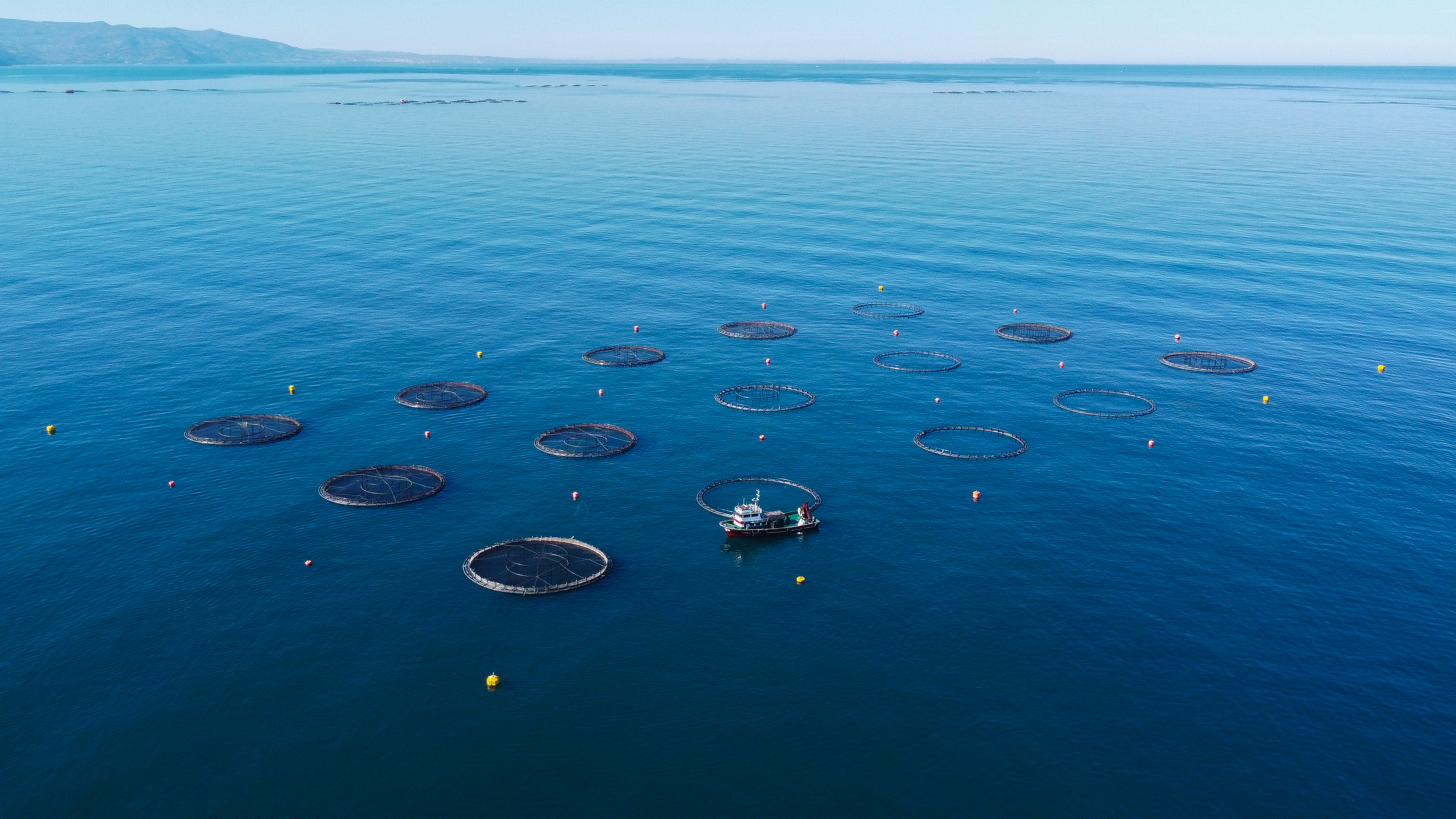
Recurring Turkish salmon supply works best when exporter and buyer use the same written specifications, inspection criteria, packaging instructions, and communication process. Shared standards reduce variation and make performance easier to measure across multiple shipments.
Explore related content
Continue with pages and guides that complement this topic.