

Turkish Salmon Purchasing Tips for Whole Fish
Selecting the perfect whole Turkish Salmon can enhance your cooking experience significantly. When purchasing this exquisite fish, there are several crucial factors to consider to guarantee that you receive the highest quality possible. Understanding these key aspects not only aids in making an informed decision but also elevates the freshness and flavor of your meals. By focusing on attributes such as source, appearance, and sustainability, you can confidently choose the best whole Turkish Salmon for your culinary needs.
Essential Guide to Buying Whole Turkish Salmon
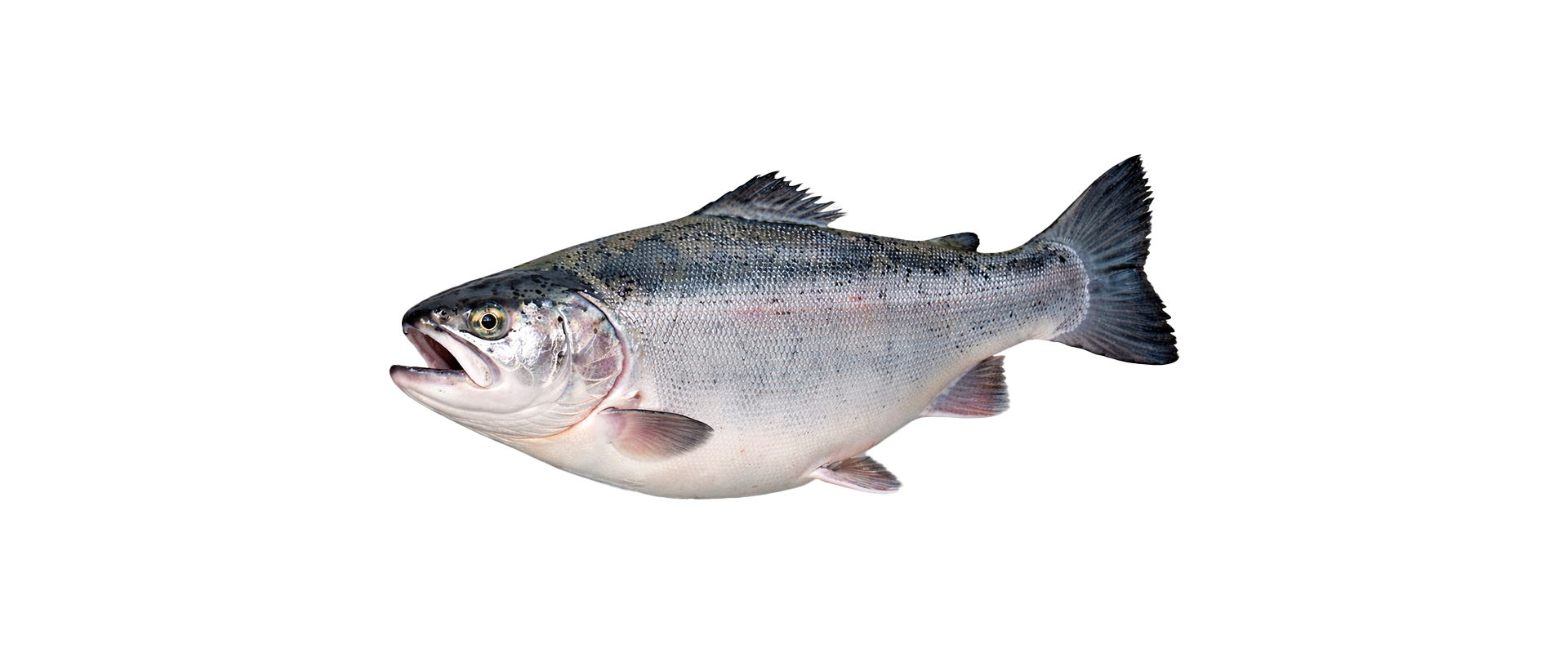
When looking to buy whole Turkish Salmon, the source is paramount. Seek fish from reputable suppliers, such as Kıyak Group, known for their dedication to sustainable fishing practices and quality seafood products. Pay careful attention to the fish’s appearance; it should have vibrant, clear eyes, moist skin, and a fresh, mild scent that indicates it is not spoiled. Additionally, freshness is key—consider purchasing directly from local fish markets or trusted vendors to ensure you're getting fish that has been recently caught. Take note of the size and weight, as these factors can influence cooking time and portioning for meals. Overall, opting for high-quality products will greatly enhance your cooking results and ensure a delightful dining experience. In conclusion, incorporating whole Turkish Salmon into your cooking repertoire not only provides a unique flavor but also contributes to a healthy diet, making it a worthy investment for culinary enthusiasts and home cooks alike. Embrace the delight of preparing fresh, flavorful dishes with this remarkable fish that showcases the best of Turkish aquaculture.
Source Matters
Choose fish from reputable suppliers like Kıyak Group to ensure sustainability and quality.
Appearance Check
Fresh Turkish Salmon should have vibrant eyes, moist skin, and a mild scent—avoid any with dull eyes or off odors.
Local Markets
Consider buying from local fish markets for the freshest selection available in your area.
Sea Freight for Regional Distribution
Sea freight may be evaluated for suitable frozen or larger-volume Turkish salmon shipments, depending on route availability and destination requirements. Importers should coordinate container conditions, port procedures, transit schedules, customs clearance, and onward refrigerated delivery before selecting this option.
Air Freight for Time-Sensitive Markets
Air freight can be considered when Turkish salmon buyers prioritize shorter transit times or serve time-sensitive fresh seafood channels. The decision should account for shipment volume, airport handling, packaging, customs coordination, local cold transport, and total landed cost.
Adaptation to Regional Consumer Preferences
Different markets may prefer whole fish, headed and gutted products, fillets, portions, fresh packs, or frozen formats. Turkish salmon exporters can discuss local buying habits with importers and align size, processing, packaging, labeling, and order frequency with regional demand.
Potential Across Eurasian Markets
Turkish salmon can be considered by buyers across Eurasian markets seeking alternative seafood origins and flexible product formats. Regional trade relationships, transport availability, local consumer preferences, import procedures, and seasonal demand all influence how each export program should be structured.
Food-Service Use Across the Region
Hotels, restaurants, catering companies, and institutional kitchens across surrounding markets can use Turkish salmon in grilled dishes, baked recipes, buffets, portions, and value-added menu concepts. Local cuisine, service style, price positioning, and portion expectations shape the most suitable supply format.
Local Employment and Seafood Expertise
Aquaculture, processing, packaging, quality control, cold storage, and logistics create specialized work across the Turkish salmon supply chain. This local knowledge supports daily production activities and contributes to the operational experience required for preparing seafood for international markets.
Regional Market Entry Through Trial Orders
Importers entering a new regional market can begin with a controlled Turkish salmon trial shipment. This allows them to evaluate local customer response, preferred sizes, packaging performance, delivery timing, retail pricing, food-service demand, and the most suitable recurring order model.
Frequently Asked Questions
When should product issues be reported?
Buyers should inspect the shipment at receiving and report visible issues within the period stated in the contract or supplier procedure. Immediate documentation protects evidence and allows the exporter, carrier, insurer, and importer to investigate while relevant information remains available.
Can mixed-size Turkish salmon orders be arranged?
Mixed-size orders may be possible depending on stock, production planning, minimum quantities, packaging, and shipment configuration. Buyers should list acceptable size groups and volumes separately so the exporter can confirm availability and quote each specification accurately.
Can multiple Turkish salmon products share one shipment?
A mixed-product shipment may be arranged when formats, temperature conditions, packaging, documentation, and loading plans are compatible. The exporter must confirm feasibility, while the buyer should provide separate quantities, labels, specifications, and receiving instructions for every item.
Can Turkish salmon portions have fixed weights?
Fixed-weight or controlled-range portions may be possible for qualifying orders. Buyers should define target weight, tolerance, cut style, skin condition, packing count, freezing or chilling requirement, and expected volume so the processor can assess feasibility and pricing.
Can buyers audit the supplier?
Supplier audits may be arranged subject to company policy, confidentiality, production schedules, biosecurity, safety rules, and commercial relationship. Buyers should define audit scope, requested documents, standards, participants, date, and reporting expectations in advance.
How are pallets prepared for export?
Pallet configuration depends on carton dimensions, case weight, transport mode, container or vehicle limits, handling equipment, and destination requirements. Buyers should request pallet count, cases per pallet, gross weight, dimensions, wrapping method, and labeling details before dispatch.
Private Label Can Expand Market Reach
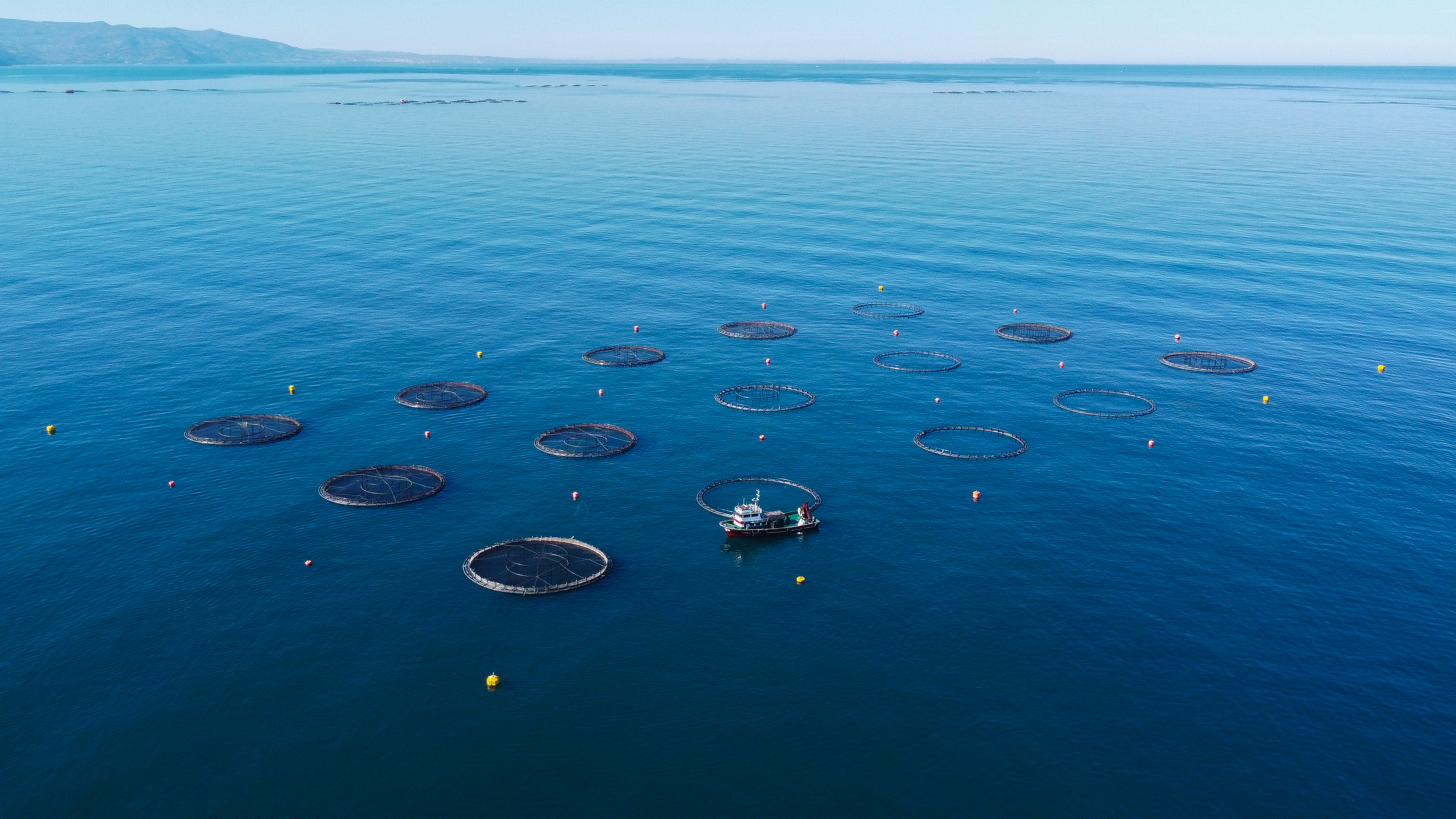
Turkish salmon can support private-label development when packaging, labeling, pack size, and product specifications are aligned with the retailer's identity. This approach gives buyers an opportunity to build differentiated seafood ranges for their local consumers.
Explore related content
Continue with pages and guides that complement this topic.