
Turkish Salmon: Key Considerations for Seafood Trading
Turkish Salmon has emerged as a significant player in the seafood trading sector, recognized for its quality and sustainability. Knowing the essential aspects of Turkish Salmon is crucial for both buyers and sellers in the seafood industry. This fish not only has appealing taste profiles but also offers nutritional benefits, making it a favored choice among consumers seeking healthy meal options. As the market evolves, understanding the unique characteristics of Turkish Salmon can help stakeholders make informed decisions in their trading activities.
Understanding Turkish Salmon in the Seafood Market
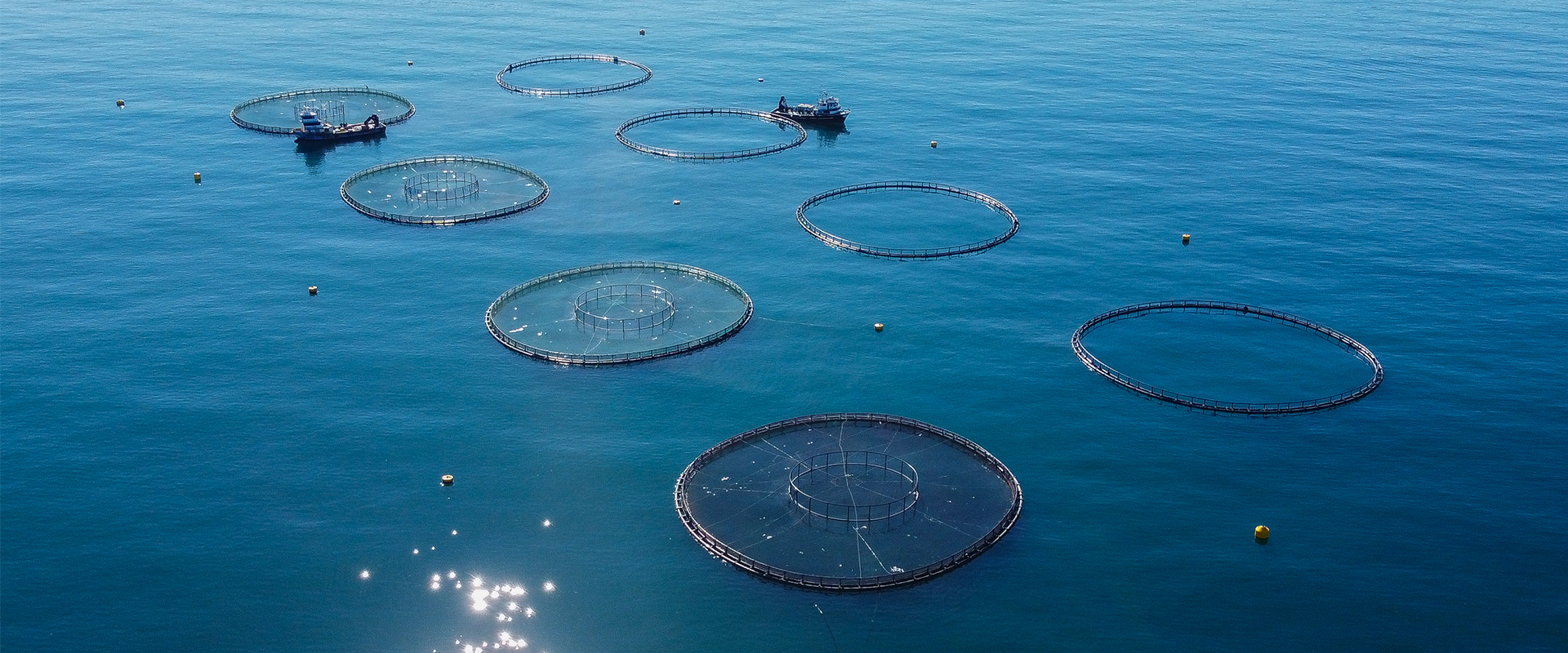
Turkish Salmon is notable for its rich flavor and high nutritional value, placing it in high demand in various markets. The fish is sourced from the coastal waters of Turkey, particularly around Samsun, where Kıyak Group operates its production facilities. This region is ideal for aquaculture, benefiting from clean waters and optimal growing conditions that enhance the quality of the fish. Buyers should consider several key factors when trading Turkish Salmon. Quality assurance is paramount; ensuring that the fish meet international standards is critical to gaining consumer trust. Furthermore, the sustainability of fishing practices is increasingly influencing purchasing decisions. Consumers are looking for seafood that is sustainably sourced, and businesses can leverage this by highlighting their adherence to sustainable aquaculture practices. Additionally, pricing and market trends play vital roles in trading success. Keeping abreast of the latest market conditions ensures businesses can competitively price their products. Establishing strong relationships with suppliers and buyers also fosters trust and long-term partnerships. Hence, understanding the intricacies of the Turkish Salmon market is essential for effective seafood trading, with quality, sustainability, and strategic pricing serving as the cornerstone of success.
Nutritional Benefits of Turkish Salmon
Turkish Salmon is rich in Omega-3 fatty acids, vitamins, and minerals, making it a healthy choice for consumers.
Sustainable Aquaculture Practices
Kıyak Group emphasizes sustainable fishing methods to ensure minimal environmental impact and promote responsible consumption.
Market Trends and Demand
The global demand for Turkish Salmon has been increasing due to its desirable taste and health benefits.
Building Long-Term Regional Partnerships
Turkish salmon trade can develop through long-term cooperation between producers, exporters, importers, distributors, retailers, and food-service businesses. Regular feedback on regional demand, logistics, specifications, packaging, and customer response helps partners create more stable and market-focused supply programs.
Coastal Logistics Connections
Production and processing operations linked to coastal regions can coordinate with ports, road networks, airports, and refrigerated transport providers. Exporters select the most suitable logistics route for Turkish salmon according to destination, lead time, temperature condition, shipment volume, and buyer delivery expectations.
Access to European Markets
For European importers, Turkish salmon can provide an additional origin within the wider regional seafood supply landscape. Road, sea, and air connections may be evaluated according to destination, delivery schedule, fresh or frozen format, and the buyer's cold-storage and receiving capabilities.
Food-Service Use Across the Region
Hotels, restaurants, catering companies, and institutional kitchens across surrounding markets can use Turkish salmon in grilled dishes, baked recipes, buffets, portions, and value-added menu concepts. Local cuisine, service style, price positioning, and portion expectations shape the most suitable supply format.
Connection to Middle Eastern Demand
Türkiye's proximity to Middle Eastern markets creates commercial potential for Turkish salmon suppliers serving wholesalers, supermarkets, hotels, restaurants, and catering businesses. Product format, labeling language, documentation, packaging, and delivery planning can be adapted to the specific requirements of each destination.
Black Sea Origin Story for Buyers
The Black Sea context can support product communication in retail displays, menus, catalogs, and digital campaigns. Importers may use the Turkish regional origin to differentiate their salmon range while keeping all marketing statements aligned with the actual producer, batch, and documented supply information.
Regional Private-Label Development
Supermarket groups and seafood brands in surrounding markets may use Turkish salmon for private-label programs. Packaging language, label design, barcode placement, pack size, product naming, and promotional positioning can be prepared according to the commercial requirements of each country or region.
Frequently Asked Questions
Who approves private-label artwork?
The buyer normally provides or approves brand artwork, while the exporter confirms production feasibility and printing requirements. Both parties should sign off on the final file, product details, dimensions, colors, barcode, language, and mandatory information before packaging is produced.
How is net weight confirmed for export cases?
Net weight is checked according to the product format, packing process, agreed tolerances, and applicable commercial requirements. Importers should define whether they require fixed or variable weights and how case-level and unit-level weights should appear on labels and documents.
Can carton weights be customized?
Custom carton weights may be possible when they fit the processor's packing line, product size, handling limits, and shipment plan. Buyers should specify desired net weight, unit count, carton dimensions, pallet requirements, and acceptable tolerance before approval.
How is order availability confirmed?
Availability is confirmed after reviewing current stock or production plans, required size, format, quantity, packaging, target shipment date, and destination. A written confirmation or accepted order document should be obtained before the buyer makes downstream sales commitments.
What species is marketed as Turkish salmon?
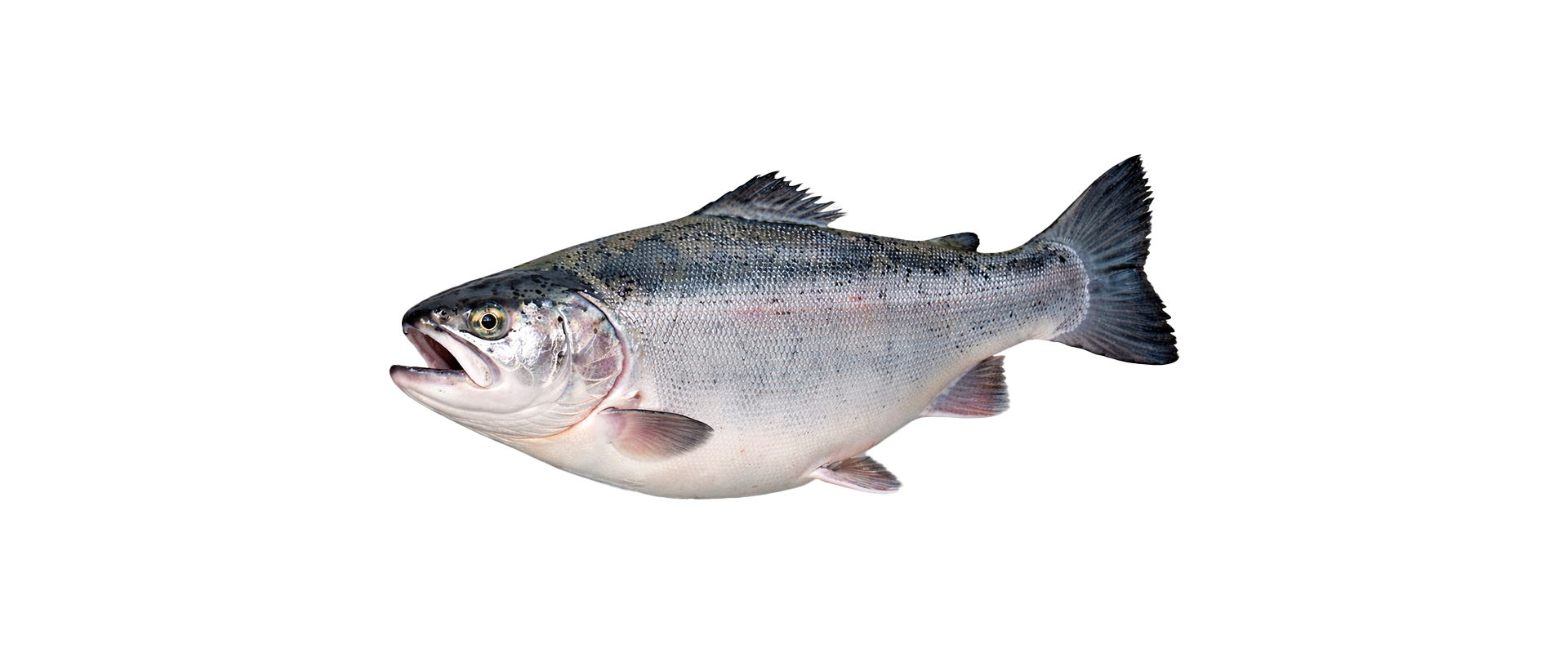
The commercial name Turkish salmon may refer to a salmon-category aquaculture product marketed by Turkish suppliers. Because terminology and specifications can vary, importers should confirm the scientific species name, commercial description, origin, production method, and label wording before placing an order.
What happens if a shipment is delayed?
The exporter, carrier, and importer should share updates and evaluate the effect of the delay on customs, receiving, storage, and product conditions. Responsibilities and claims depend on the delivery term, transport contract, insurance, evidence, and circumstances of the shipment.
Long-Term Planning Creates Stability
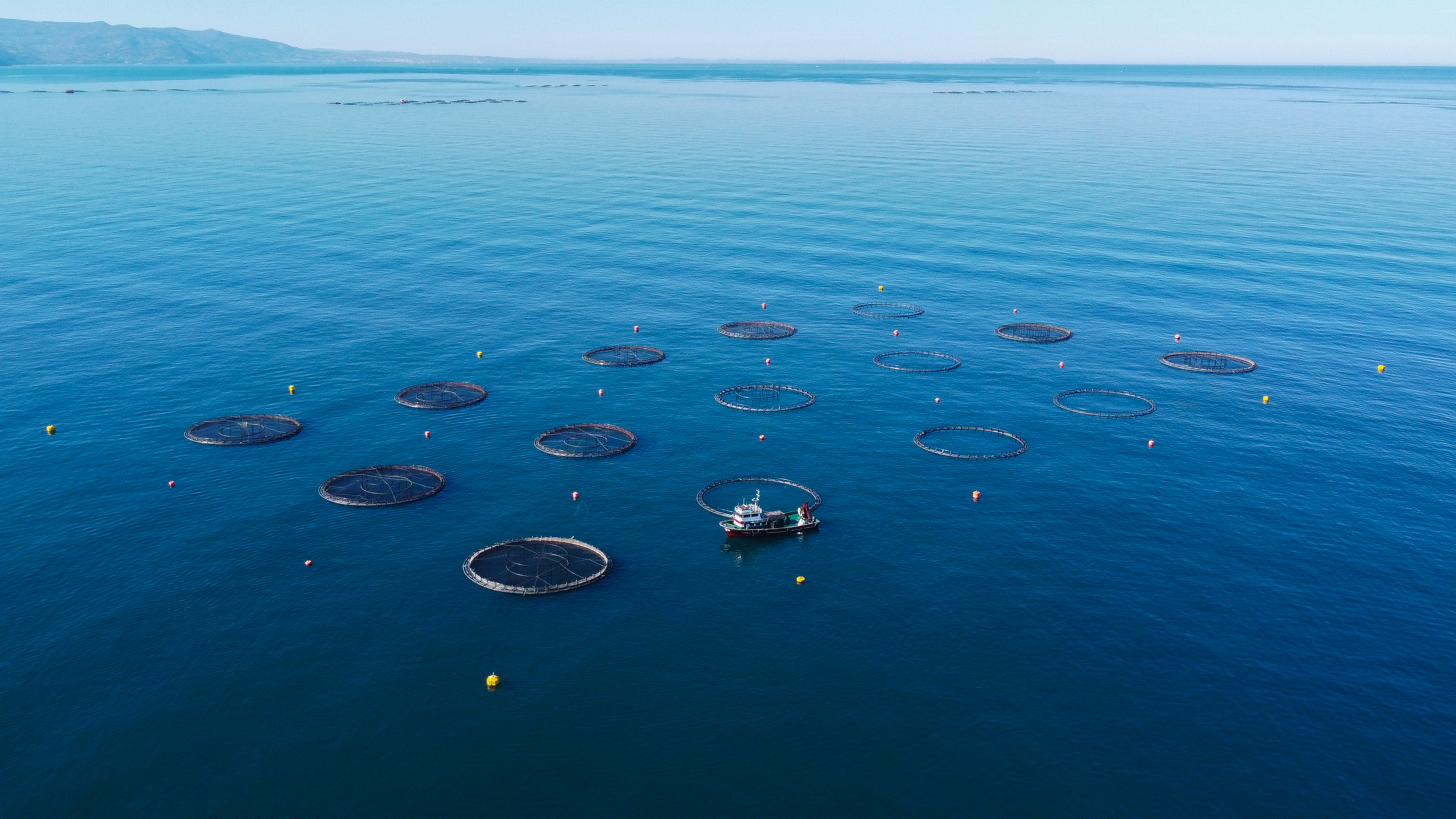
Forecasting demand, scheduling orders, reserving production capacity, and coordinating transport can make Turkish salmon supply more stable. Long-term planning allows exporters and buyers to prepare for seasonal changes, promotional periods, and growth in customer demand.
Explore related content
Continue with pages and guides that complement this topic.