
Turkish Salmon for Supermarkets and Fresh Fish Counters
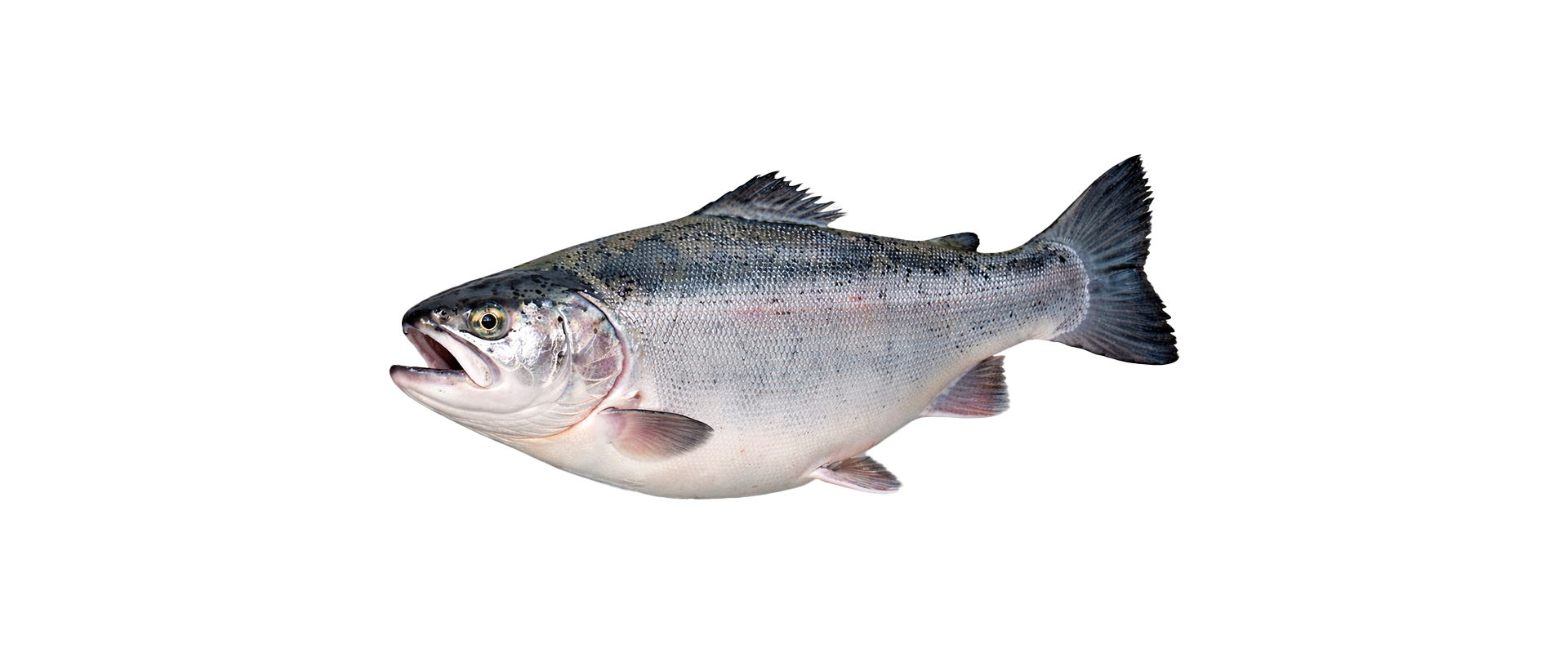
Kıyak Group offers top-quality Turkish salmon specifically tailored for supermarkets and fresh fish counters. Recognized globally, our salmon, scientifically known as Oncorhynchus mykiss, embodies the rich flavors associated with Türkiye and the Black Sea. Our commitment to quality and reliable supply ensures that commercial buyers can trust us for their seafood needs. With our integrated aquaculture and expert processing techniques, we provide an exceptional product line that is ready for international distribution, meeting the demands of today's market.
Discover Premium Turkish Salmon for Supermarkets
Our Turkish salmon products come in a variety of assortments, including whole fish, fillets, and consumer packs designed to appeal to retail customers. We understand the importance of presentation in supermarkets, which is why we offer tailored display and packaging choices that enhance your product offerings. Label-data coordination is a vital part of our service, ensuring your customers have essential product information at their fingertips.
We emphasize case planning and shrink controls, utilized to optimize inventory and reduce waste, ultimately benefiting your store's bottom line. Quality checks are conducted at every stage, from aquaculture to packaging, ensuring that each shipment meets the highest standards. Our promotional education programs provide your team with the knowledge needed to effectively market Turkish salmon, highlighting its unique attributes and advantages to the customers.
When selecting a seafood supplier, you deserve a partner who shares your commitment to quality and reliability. With Kıyak Group, you can be confident that you’re sourcing the best Turkish salmon available in the market.
Whole, Fillet, and Portion Assortments
We offer a variety of cuts to suit different customer needs and preferences, ensuring a versatile selection.
Custom Display and Pack Choices
Tailored packaging options designed for supermarket presentation maximize visibility and customer engagement.
Rigorous Quality Checks
Our stringent quality control processes at every stage guarantee that products meet industry standards.
What Buyers Should Check Before Ordering
A professional Turkish salmon purchase begins with a detailed written specification. Buyers should confirm the species, farming origin, harvest or production information, product form, size range, trim, skin and pin-bone requirements, packaging, storage conditions, shelf life and delivery temperature. They should also review the processing facility’s approvals, food-safety system, traceability procedure and documents required by the destination country. Photographs and samples are helpful, but they do not replace agreed tolerances and inspection criteria. Commercial terms should define net weight, glazing where relevant, carton configuration, labeling language, claims, lead time and the process for reporting non-conformities. Careful specification work protects both supplier and customer.
From Freshwater Farms to the Black Sea
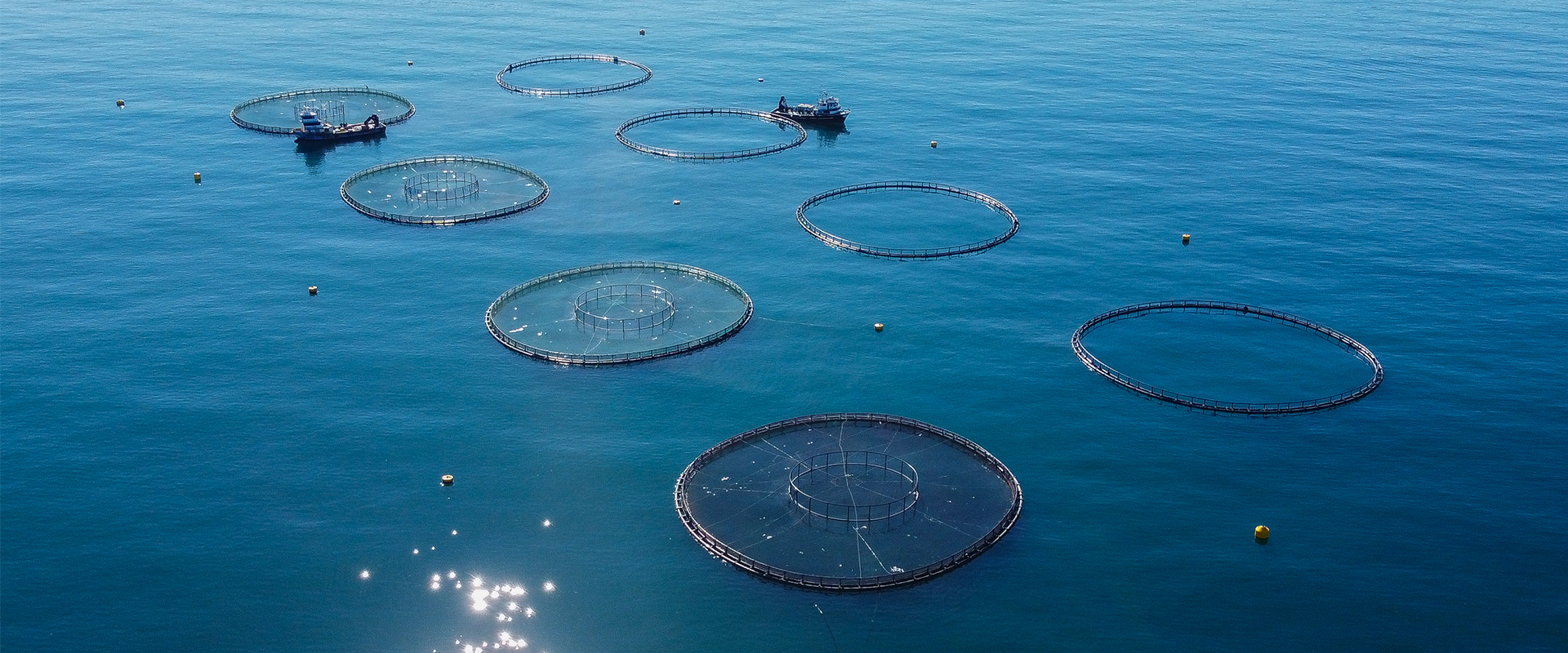
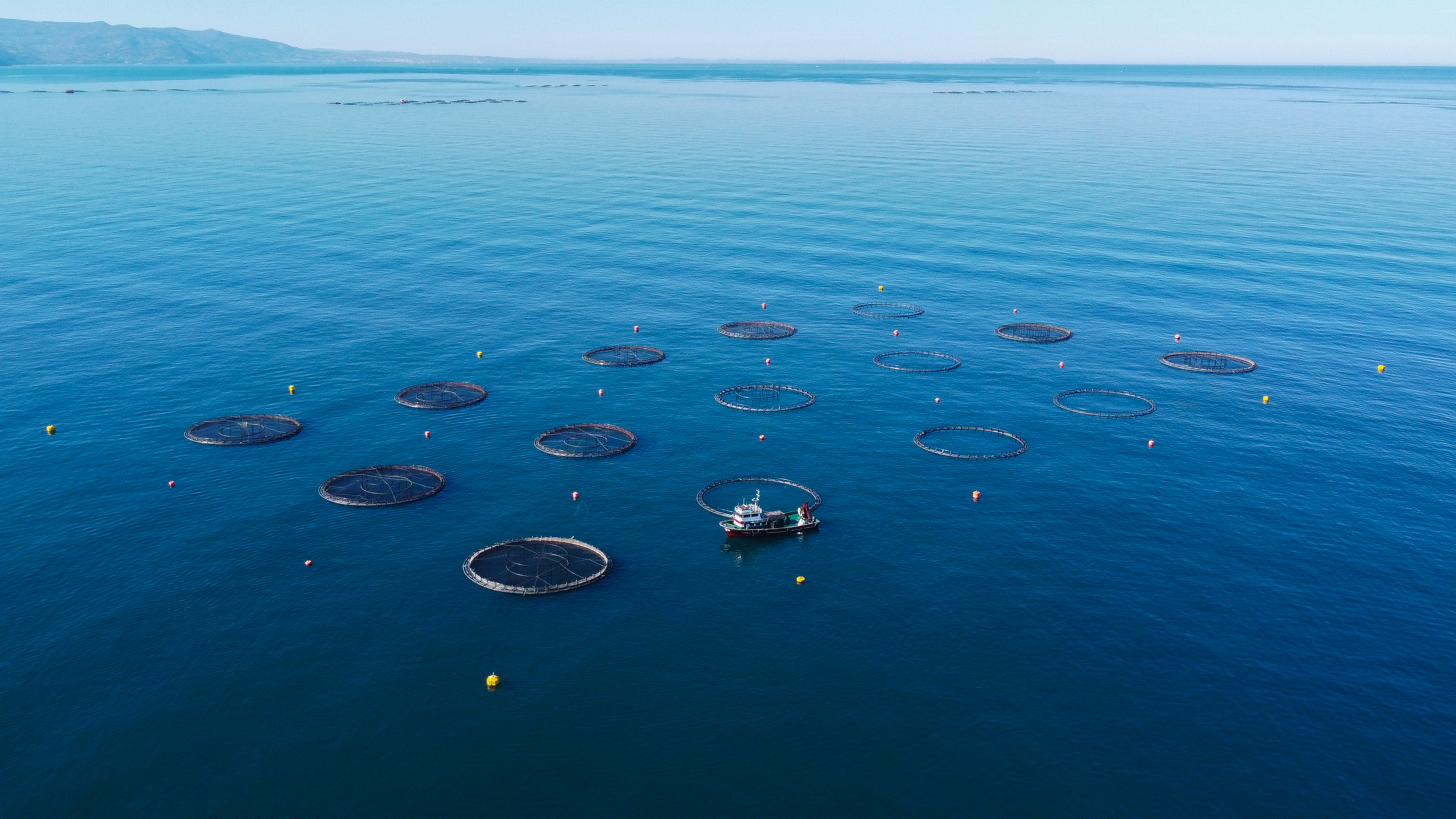
A typical Turkish salmon production cycle begins in freshwater, where rainbow trout are raised through their early growth stages under monitored farming conditions. Selected fish may later be transferred to marine cages in the Black Sea, where cool water and carefully managed feeding support further growth before harvest. The exact cycle, transfer timing and harvest window differ among producers and locations, so buyers should request farm-specific information when planning a program. This combination of freshwater expertise and marine farming has helped create a product with a substantial body size and versatile fillet yield. Throughout the cycle, water quality, stocking density, fish health, feed management and handling practices directly influence final quality.
Export Documentation Can Simplify Receiving
Complete commercial invoices, packing lists, health documents, certificates, and shipment records—prepared according to the agreed destination requirements—can make customs coordination and receiving procedures more manageable. Organized documentation helps importers verify consignments, communicate with logistics partners, and reduce avoidable administrative delays.
Adaptability Across Sales Channels
Turkish salmon can serve several channels, from seafood wholesalers and supermarket chains to hotels, restaurants, catering businesses, and processors. This broad commercial usability allows importers to distribute the same product family through multiple customer segments and develop channel-specific packaging, portioning, or promotional strategies.
Strategic Access to International Seafood Markets
Turkish salmon export gives seafood buyers access to a distinctive product from Türkiye's expanding aquaculture sector. Its positioning between familiar salmon categories and regional seafood traditions can help importers diversify their assortments, reach new customer segments, and present an appealing alternative in competitive retail, food-service, and wholesale markets.
Smoked Salmon Production Use
Suitable Turkish salmon formats can be supplied to processors producing smoked seafood lines. Fillets or selected cuts may be used as a raw material for hot-smoked or cold-smoked concepts, depending on the processor's recipe, equipment, food-safety controls, and target-market standards.
Supermarket Seafood Counter Use
Turkish salmon is suitable for supervised seafood counters where staff sell whole fish, fillets, or cut-to-order portions. Buyers can use this format to offer visible freshness, support customer requests for specific cuts, and build attractive displays alongside other chilled seafood products.
Custom Weight and Size Specifications
Export orders can be planned around agreed fish weights, fillet dimensions, trim preferences, and portion sizes, subject to production availability. This allows importers to select specifications that fit their local retail plans, kitchen requirements, processing equipment, and customer purchasing habits.
Post-Delivery Review
After delivery, the exporter and buyer can review product conformity, packaging performance, logistics timing, documentation, and customer feedback. Findings from this evaluation are used to refine future specifications, order quantities, delivery schedules, and recurring Turkish salmon export programs.
Product Specification Confirmation
Before production starts, the exporter and buyer confirm the agreed specification for whole fish, headed and gutted fish, fillets, portions, fresh or frozen presentation, weight range, trimming, glazing where applicable, and packing method. This confirmation becomes the operational reference for preparing and checking the order.
Final Packing Verification
Before cases are released to storage, the packing team verifies product count, case weight, label accuracy, packaging condition, and order reference. This final review helps detect packing errors before palletizing and reduces discrepancies during shipment receiving.
Examine Traceability Information
Buyers should confirm that the exporter can provide batch identification and relevant production, packing, and shipment records. Effective traceability supports internal quality procedures, stock management, customer inquiries, receiving checks, and the ability to follow Turkish salmon through the distribution chain.
Clarify Incoterms and Responsibilities
The buyer and exporter should agree on the delivery term and clearly understand who manages freight, insurance, export clearance, import clearance, local charges, and final delivery. This selection criterion allows Turkish salmon offers to be compared on the same commercial basis and reduces responsibility disputes.
Assess Cold-Chain Capability
A Turkish salmon supplier should be evaluated on how chilled or frozen conditions are maintained during processing, storage, loading, and transport coordination. Buyers should also verify that their chosen logistics partners and destination warehouse can continue the required temperature-controlled handling after shipment arrival.
Quality Checks at Receiving
Incoming Turkish salmon can be checked for batch identity, size, general appearance, temperature, and production information before processing begins. Documented receiving controls help prevent unsuitable raw material from continuing through the production line and support a more reliable finished product.
Responsive Issue Management
When a buyer reports a documented concern, a reliable exporter reviews batch records, shipment information, photographs, receiving data, and relevant process controls. A clear investigation and corrective-action approach helps resolve problems and reduce the chance of recurrence in future Turkish salmon orders.
Air Freight for Time-Sensitive Markets
Air freight can be considered when Turkish salmon buyers prioritize shorter transit times or serve time-sensitive fresh seafood channels. The decision should account for shipment volume, airport handling, packaging, customs coordination, local cold transport, and total landed cost.
Frequently Asked Questions
How is order availability confirmed?
Availability is confirmed after reviewing current stock or production plans, required size, format, quantity, packaging, target shipment date, and destination. A written confirmation or accepted order document should be obtained before the buyer makes downstream sales commitments.
How should a sample be evaluated?
Buyers should assess the sample against written criteria such as format, size, trimming, appearance, packaging, label, preparation performance, yield, and intended customer use. Results should be documented and converted into an approved specification for future commercial orders.
Which Incoterms can be used for Turkish salmon?
Available Incoterms depend on the exporter, buyer, transport mode, destination, and commercial agreement. Both parties should confirm the named place and understand responsibility for freight, insurance, clearance, local charges, risk transfer, and final delivery before signing the order.
Can Turkish salmon be shipped without pallets?
Floor-loaded or non-palletized arrangements may be possible for certain refrigerated shipments, subject to product packaging, transport equipment, loading method, destination handling, and buyer approval. The agreed loading configuration should appear clearly in shipment planning.
Can Turkish salmon carry the buyer's barcode?
A buyer-provided barcode can be included when supported by the packaging program. The buyer remains responsible for supplying the correct code and associated product data, while both parties should verify placement, print quality, pack size, and label version before production.
Can Turkish salmon be supplied for further processing?
Whole fish, headed and gutted products, fillets, or other suitable formats may be supplied to processors. The buyer should define intended output, equipment needs, yield expectations, raw-material size, temperature condition, packaging, and delivery frequency.
How far in advance should an order be placed?
Required notice depends on product availability, harvest and processing schedules, packaging materials, private-label preparation, order volume, documentation, and freight capacity. Buyers should request a lead-time plan and place recurring or promotional orders earlier than standard replenishment orders.
Can mixed-size Turkish salmon orders be arranged?
Mixed-size orders may be possible depending on stock, production planning, minimum quantities, packaging, and shipment configuration. Buyers should list acceptable size groups and volumes separately so the exporter can confirm availability and quote each specification accurately.
Can labels be printed in multiple languages?
Multilingual labels may be prepared when the buyer supplies or approves accurate translations and mandatory destination information. Product identity, net weight, storage condition, batch coding, importer details, barcode, and regulatory statements should be reviewed before printing.
What payment terms are available?
Payment terms vary by exporter, buyer history, order size, destination, risk assessment, and commercial agreement. The quotation or contract should clearly state currency, deposit, balance timing, banking details, charges, required documents, and any credit conditions.
Traceability Strengthens Commercial Confidence
Batch identification and organized production, packing, and shipment records give buyers greater visibility throughout the supply chain. As a result, traceability is not only a quality tool but also an important element of trust in long-term Turkish salmon trade.
Explore related content
Continue with pages and guides that complement this topic.