
Turkish Salmon for Seafood Trading: A Practical Buyer Guide
Turkish Salmon, renowned for its quality and flavor, has emerged as a critical player in the global seafood market. As demand for premium seafood increases, understanding the nuances of trading Turkish Salmon can enhance your business opportunities. This guide aims to provide practical insights into sourcing, quality assurance, and the advantages of Turkish Salmon in the seafood trading landscape. With its rich nutritional profile and sustainability, Turkish Salmon stands out not only for its culinary appeal but also for its economic viability.
Explore the Excellence of Turkish Salmon
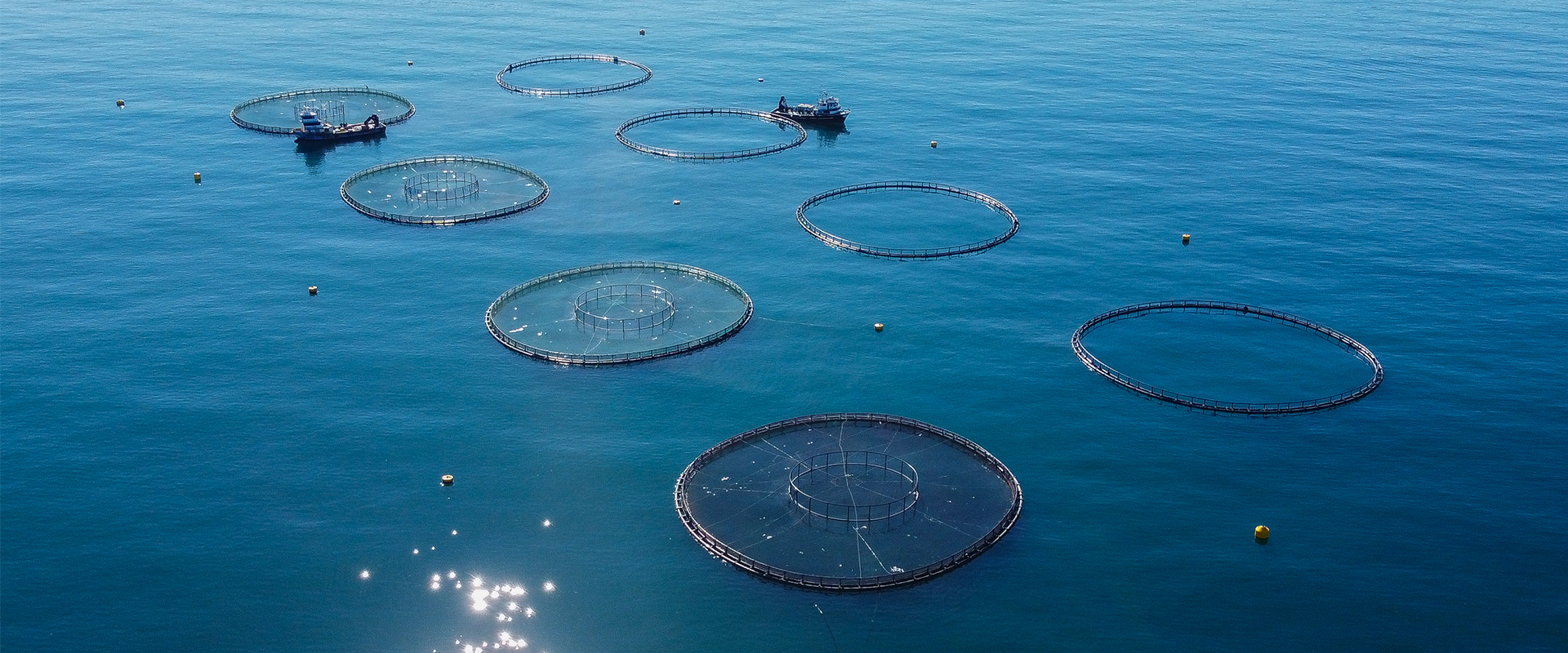
Sourced primarily from the pristine waters of Turkey, Turkish Salmon reflects the country’s commitment to quality in aquaculture. The Kıyak Group, based in Samsun, is a leading player in this sector, focusing on sustainable production and export of premium fish varieties. When navigating the world of seafood trading, consideration of factors such as sourcing practices, transportation logistics, and market demand is crucial. This ensures that traders are well-prepared to meet both local and international consumer preferences.
The advantages of Turkish Salmon are multifaceted. From its rich omega-3 content to the exquisite taste that appeals to diverse culinary traditions, it is indeed a favored choice among chefs and consumers alike. Furthermore, Kıyak Group's dedication to sustainable practices ensures that the salmon not only tastes good but is also ethically sourced, an increasingly important consideration for modern consumers.
In addition, having a reliable supply chain is vital in seafood trading. The Kıyak Group's operations emphasize quality control at every stage, offering a level of assurance that is crucial for building strong trading relationships. Establishing connections with reputable suppliers can make a significant difference in the quality of products available to buyers. Understanding the export regulations and compliance requirements for Turkish Salmon is also essential, ensuring no disruptions occur during the trading process.
This guide outlines the best practices and considerations for successfully trading Turkish Salmon. Be it understanding the market landscape, working with reputable exporters, or ensuring product quality through strict adherence to industry standards, these factors are imperative for any buyer's success in the seafood trading sector.
Quality Sourcing
Ensure that the salmon is sourced from trusted farms committed to sustainable aquaculture practices.
Nutritional Benefits
Turkish Salmon is rich in omega-3 fatty acids, promoting health and wellness for consumers.
Market Demand
Remain informed about consumer preferences and trends within the seafood market to optimize trading opportunities.
Connection to Middle Eastern Demand
Türkiye's proximity to Middle Eastern markets creates commercial potential for Turkish salmon suppliers serving wholesalers, supermarkets, hotels, restaurants, and catering businesses. Product format, labeling language, documentation, packaging, and delivery planning can be adapted to the specific requirements of each destination.
Türkiye as a Regional Seafood Supplier
Türkiye's location between Europe, Asia, the Middle East, and the Black Sea gives Turkish salmon exporters access to several regional trade corridors. Buyers can evaluate transport routes and delivery programs according to destination distance, product condition, shipment size, and local distribution requirements.
Turkish Salmon and the Black Sea Region
Turkish salmon is closely associated with aquaculture activity connected to Türkiye's Black Sea region. This regional identity gives exporters a clear origin story and allows international buyers to position the product around its Turkish production background, coastal supply network, and connection to a recognized seafood-producing area.
Access to European Markets
For European importers, Turkish salmon can provide an additional origin within the wider regional seafood supply landscape. Road, sea, and air connections may be evaluated according to destination, delivery schedule, fresh or frozen format, and the buyer's cold-storage and receiving capabilities.
Coastal Logistics Connections
Production and processing operations linked to coastal regions can coordinate with ports, road networks, airports, and refrigerated transport providers. Exporters select the most suitable logistics route for Turkish salmon according to destination, lead time, temperature condition, shipment volume, and buyer delivery expectations.
Black Sea Origin Story for Buyers
The Black Sea context can support product communication in retail displays, menus, catalogs, and digital campaigns. Importers may use the Turkish regional origin to differentiate their salmon range while keeping all marketing statements aligned with the actual producer, batch, and documented supply information.
Food-Service Use Across the Region
Hotels, restaurants, catering companies, and institutional kitchens across surrounding markets can use Turkish salmon in grilled dishes, baked recipes, buffets, portions, and value-added menu concepts. Local cuisine, service style, price positioning, and portion expectations shape the most suitable supply format.

Frequently Asked Questions
What sizes of whole Turkish salmon are available?
Available whole-fish sizes depend on the production cycle, harvest plan, season, grading program, and current stock. Buyers should state their acceptable minimum and maximum range and ask the exporter to confirm availability before finalizing packaging and shipment quantities.
Where is Turkish salmon produced?
Turkish salmon production is associated with aquaculture operations in Türkiye and the wider Black Sea supply context. Exact farming, processing, and packing locations vary by supplier, so buyers should request documented origin and facility information for the specific shipment.
Can Turkish salmon be supplied for further processing?
Whole fish, headed and gutted products, fillets, or other suitable formats may be supplied to processors. The buyer should define intended output, equipment needs, yield expectations, raw-material size, temperature condition, packaging, and delivery frequency.
How are freight costs calculated?
Freight costs depend on origin, destination, transport mode, shipment weight and volume, temperature requirement, seasonal capacity, fuel and handling charges, customs services, and delivery scope. Quotes should state whether freight is included and how long the rate remains valid.
What trimming options are available for fillets?
Trimming options depend on the processor's production program and the buyer's specification. Importers should communicate the desired removal of fins, belly material, bones, excess tissue, and other details using a written description or approved reference sample.
How long is a Turkish salmon quotation valid?
Quotation validity depends on product availability, raw-material conditions, packaging costs, freight rates, currency movements, and exporter policy. The validity date should be stated clearly, and buyers should request an updated offer if approval occurs after that period.

Feedback Drives Continuous Improvement
Post-delivery feedback from receiving teams, distributors, retailers, chefs, processors, and customers can guide future Turkish salmon orders. Reviewing this information helps improve sizing, processing, packaging, logistics, and market positioning over time.
Explore related content
Continue with pages and guides that complement this topic.