
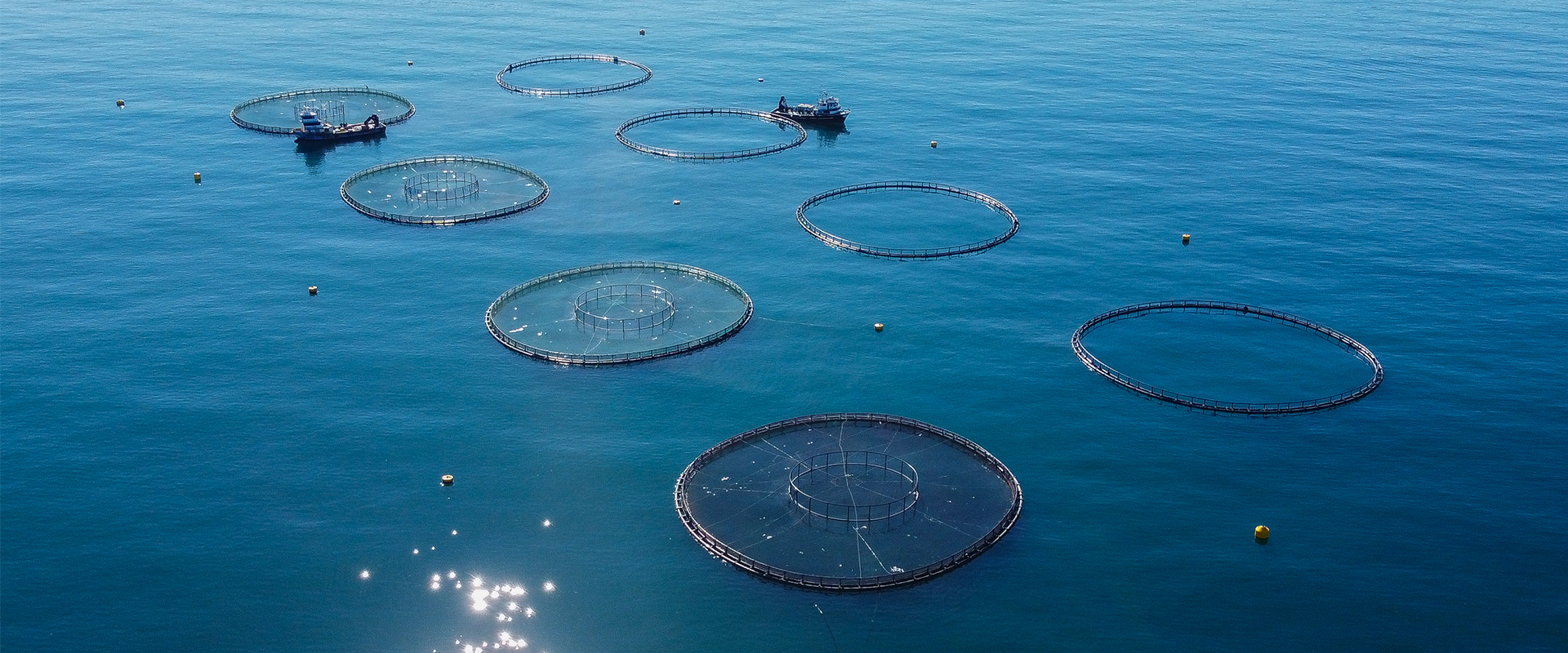
Turkish Salmon for Restaurant Menus and Professional Kitchens
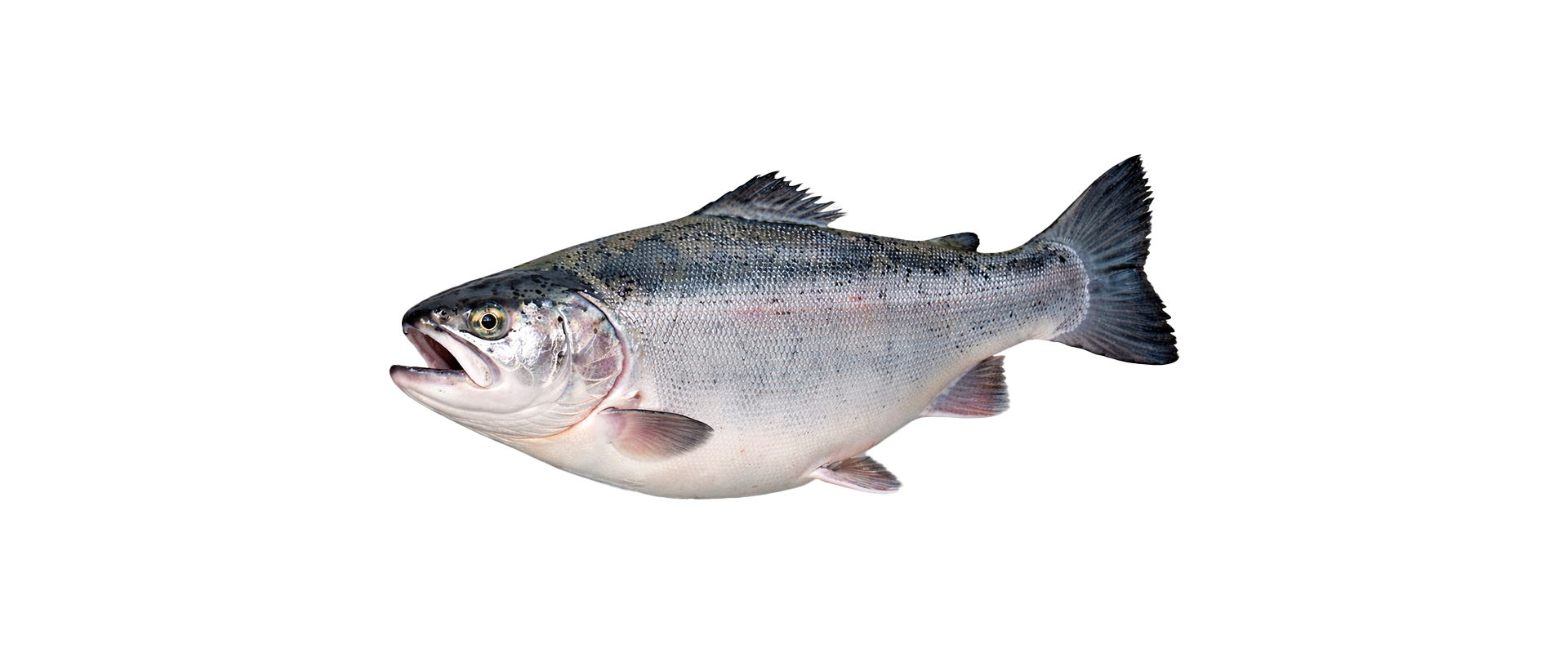
Turkish salmon, scientifically known as Oncorhynchus mykiss, offers an exceptional choice for restaurant menus. Its rich flavor profile makes it ideal for chefs seeking quality and versatility. Sourced from the Black Sea region, this premium seafood can enhance any dining experience, satisfying both culinary creativity and customer demand for superior ingredients. Utilizing Turkish salmon from Kıyak Group ensures your establishment serves a product that stands out in taste and presentation.
This high-quality fish not only elevates the menu but also provides consistency in yield and portion sizes, crucial for professional kitchens. Consider the following details when incorporating Turkish salmon into your offerings.
Elevate Your Menu with Turkish Salmon
Menu Positioning: Turkish salmon can be featured prominently across various sections of the menu, whether as a star entrée or used creatively in appetizers and salads. Its appealing appearance and rich taste can attract diverse clientele.
Fillet and Portion Choices: Available in various cuts, including fillets and portions, Turkish salmon can easily be tailored to your restaurant's needs. These options facilitate efficient kitchen handling while ensuring consistent serving sizes.
Yield and Consistency: Turkish salmon boasts a high yield with minimal waste, allowing for optimal cost management. The consistent quality of each fillet supports reliable cooking outcomes, which is paramount for high-pressure restaurant environments.
Cooking Methods: Versatile in preparation, Turkish salmon can be grilled, baked, or pan-seared, making it adaptable for a variety of cuisines. This flexibility caters to contemporary culinary trends.
Kitchen Handling: Proper handling is essential. Ensure your staff is trained in storage and preparation techniques to maintain the integrity of this premium fish. Adhering to these practices not only preserves freshness but enhances the overall dining experience.
Premium Presentation: Plate presentation is vital in engaging diners. The vibrant colors of Turkish salmon elevate any dish visually, creating an appealing focal point.
Supplier Questions: When choosing Kıyak Group as your supplier, inquire about sourcing practices, packaging solutions, and bulk order options to meet your establishment's demands effectively. Our team is dedicated to supporting your culinary vision with quality seafood supply tailored to restaurant needs.
Menu Positioning
Feature Turkish salmon as a centerpiece or creative addition across your menu for diverse appeal.
Fillet and Portion Choices
Offer various cuts to fit your kitchen requirements and ensure portion control for efficient service.
Yield and Consistency
Maximize cost-effectiveness with high yield and low waste, crucial for high-demand kitchens.
A Practical Choice for Balanced Meals
Turkish salmon fits easily into balanced meal planning because a single portion can serve as the main protein while vegetables, grains or legumes complete the plate. Its satisfying texture and natural richness often reduce the need for heavy sauces, which gives chefs room to create lighter recipes with herbs, lemon, roasted vegetables or grain salads. Portion size should be selected according to the customer group, recipe and local dietary guidance rather than a single universal rule. The final nutritional value also depends on preparation: breading, deep-frying and rich sauces produce a different meal from baking or grilling. Clear menu descriptions help consumers understand both the fish and the way it has been prepared.
Retail Presentation and Consumer Communication
In retail, Turkish salmon can be positioned as whole fish, chilled fillets, frozen portions, marinated items or smoked products. Clear labeling should identify the legally required species information, production method, origin, storage instructions, net quantity, date information and other details required in the destination market. Transparent communication is particularly important because the commercial term Turkish salmon may be unfamiliar to some consumers. Packaging should protect the fish, support temperature control and make the cut and portion size easy to understand. Recipe suggestions, cooking guidance and flavor pairings can reduce hesitation at the point of sale, but claims about nutrition, sustainability or certification should only be used when supported by approved documentation.
Suitable for Value-Added Processing
The versatility of Turkish salmon makes it relevant for businesses producing portions, ready-to-cook products, smoked items, marinated selections, or other value-added seafood lines. Importers and processors can use suitable formats as a base for localized recipes and packaging concepts that respond to changing consumer preferences.
Reliable Supply for Global Buyers
A well-planned Turkish salmon export program can support consistent purchasing schedules for international distributors. Coordinated production, processing, cold storage, and shipment planning helps buyers maintain continuity across seasonal campaigns, restaurant menus, and retail promotions while reducing the operational difficulty of sourcing seafood through fragmented channels.
Traceability Builds Buyer Confidence
Batch records, production information, packing details, and shipment documentation can make Turkish salmon easier to follow through the supply chain. When exporters provide clear and organized traceability data, importers gain better visibility for internal quality procedures, customer inquiries, inventory management, and destination-market compliance checks.
Documentation for Import Coordination
Turkish salmon export orders can be accompanied by the commercial and shipping documents agreed for the destination market. Importers use these records to coordinate with freight forwarders, customs brokers, receiving teams, and regulatory processes, making the transfer from exporter to local distribution more organized.
Traceable Batch Identification
Each shipment can be organized with batch-level identifiers and supporting commercial documentation to help buyers follow product movement through their supply chain. This feature can be used for warehouse control, quality checks, stock rotation, customer inquiries, and internal traceability procedures.
Bulk Packaging for Distributors
For wholesale and distribution operations, Turkish salmon may be supplied in bulk packaging that supports efficient handling in cold stores and distribution centers. Buyers can then allocate product to restaurants, seafood shops, retailers, or processors according to local demand and their own repacking capabilities.
Sorting and Grading
Fish are sorted and graded according to the weight ranges and product characteristics agreed for the export order. This application helps create consistent cases and enables the buyer to receive products that are better suited to retail display, restaurant portioning, wholesale sale, or further processing.
Cold Storage Management
Packed Turkish salmon is transferred to the appropriate chilled or frozen storage area while awaiting dispatch. Warehouse teams organize batches, monitor storage conditions, apply stock-rotation procedures, and prepare the correct order quantities for loading according to the shipment schedule.
Labeling and Batch Coding
Each pack is labeled with the agreed commercial and traceability information, such as product name, format, net weight, batch reference, storage condition, production details, and buyer-specific label elements where required. Accurate coding supports warehouse control and product tracking throughout distribution.
Check Product Appearance
When assessing Turkish salmon, buyers should review the agreed visual criteria for the selected format, including overall condition, color consistency, cut quality, surface appearance, and packaging presentation. Clear acceptance standards make product inspection more objective at both dispatch and destination receiving.
Use a Trial Order for Validation
Before starting a large recurring program, buyers may use a controlled trial order to evaluate Turkish salmon quality, specification accuracy, packaging, labeling, documentation, transit performance, and customer response. The results provide practical evidence for refining future orders and establishing long-term supply conditions.
Verify Label Requirements
Before ordering, the buyer should provide the required label language, product name, net weight, storage instruction, batch details, barcode, importer information, and market-specific statements. Confirming these elements early helps prevent relabeling work and supports smoother Turkish salmon distribution after arrival.
Organized Export Documentation
Commercial invoices, packing lists, shipment records, certificates, and agreed destination documents should contain consistent order information. Organized documentation builds buyer confidence by supporting customs coordination, receiving verification, traceability, and communication with logistics partners.
Consistent Performance Across Orders
A trustworthy Turkish salmon supplier should demonstrate repeatable results in product specification, packing, documentation, communication, and delivery coordination. Reviewing performance across multiple shipments gives buyers stronger evidence than relying on a single successful order.
Regional Private-Label Development
Supermarket groups and seafood brands in surrounding markets may use Turkish salmon for private-label programs. Packaging language, label design, barcode placement, pack size, product naming, and promotional positioning can be prepared according to the commercial requirements of each country or region.
Frequently Asked Questions
What trimming options are available for fillets?
Trimming options depend on the processor's production program and the buyer's specification. Importers should communicate the desired removal of fins, belly material, bones, excess tissue, and other details using a written description or approved reference sample.
Is cargo insurance included in the quotation?
Cargo insurance is not automatically included in every offer. Buyers should review the stated Incoterm and quotation details, confirm who arranges insurance, understand coverage limits and exclusions, and ensure that temperature-sensitive seafood risks are addressed appropriately.
Which currencies can be used for payment?
Accepted currencies depend on the exporter's banking arrangements and the commercial offer. Buyers should confirm quotation currency, exchange-rate validity, bank fees, payment deadline, beneficiary information, and whether any local or intermediary charges are excluded.
Can forecast volumes be reserved?
Production or shipment capacity may be reserved through a forecast and commercial agreement, subject to supplier policy. Buyers should discuss expected monthly volumes, size mix, packaging, flexibility, confirmation deadlines, payment terms, and procedures for forecast changes.
How are pallets prepared for export?
Pallet configuration depends on carton dimensions, case weight, transport mode, container or vehicle limits, handling equipment, and destination requirements. Buyers should request pallet count, cases per pallet, gross weight, dimensions, wrapping method, and labeling details before dispatch.
Can Turkish salmon be packed for supermarket display?
Retail-display packs may be developed according to buyer volume and supplier capability. Pack size, tray or pouch format, label language, barcode, product name, storage instructions, artwork approval, shelf presentation, and destination compliance must be confirmed in advance.
Can Turkish salmon fillets be supplied skin-on or skinless?
Skin-on or skinless fillet options may be available depending on processing capability and order specification. Buyers should also confirm trimming, pin-bone removal, fillet weight, packing style, fresh or frozen condition, and any tolerances required for their market.
Can Turkish salmon be distributed through e-commerce?
Retail-packed or portioned Turkish salmon may suit online seafood and grocery channels when appropriate cold-chain packaging, labeling, delivery time, storage instructions, and last-mile handling are established. The e-commerce operator should validate the complete delivery process.
How are freight costs calculated?
Freight costs depend on origin, destination, transport mode, shipment weight and volume, temperature requirement, seasonal capacity, fuel and handling charges, customs services, and delivery scope. Quotes should state whether freight is included and how long the rate remains valid.
What species is marketed as Turkish salmon?
The commercial name Turkish salmon may refer to a salmon-category aquaculture product marketed by Turkish suppliers. Because terminology and specifications can vary, importers should confirm the scientific species name, commercial description, origin, production method, and label wording before placing an order.
Supplier Selection Shapes the Outcome
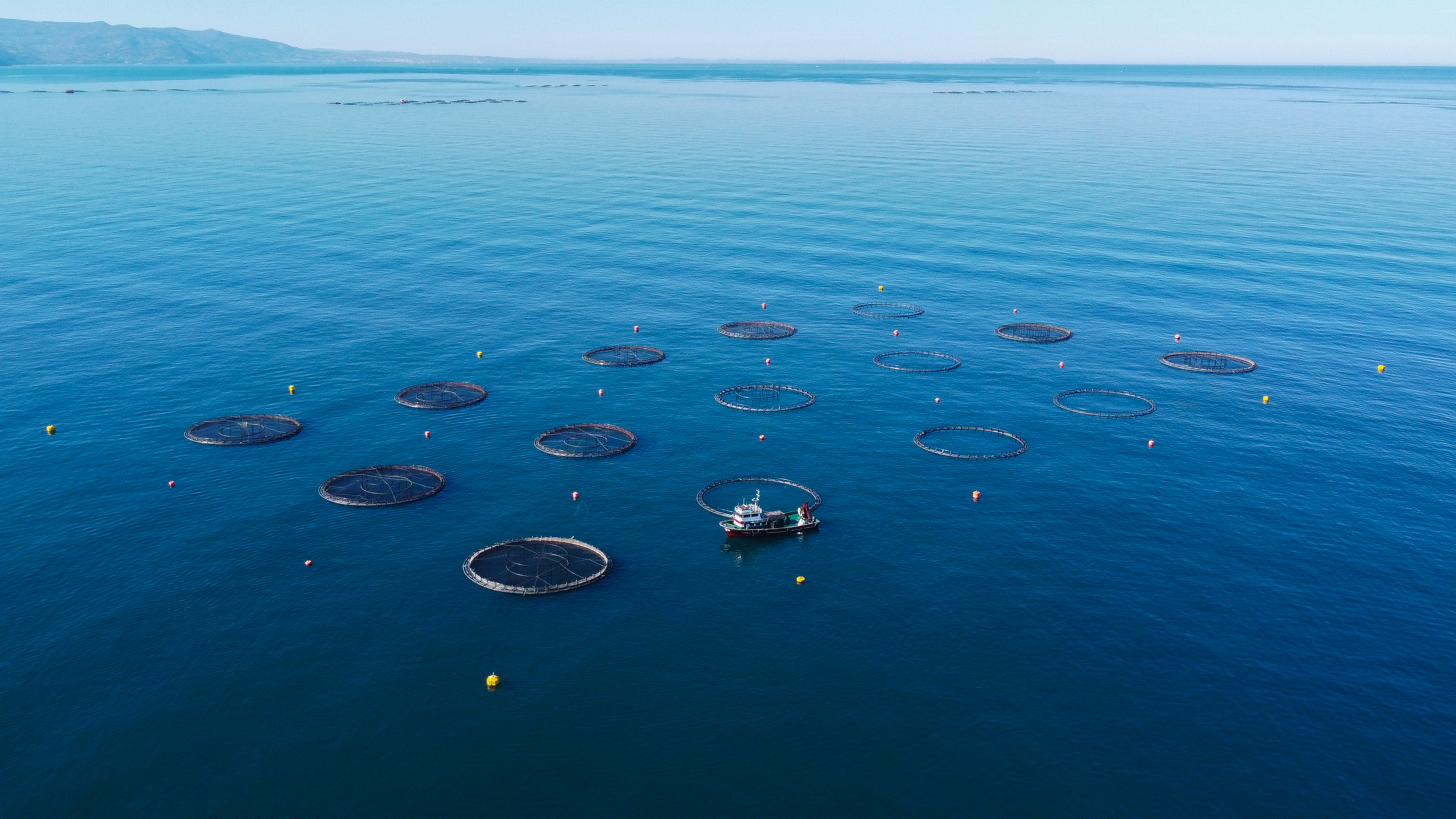
The success of a Turkish salmon import program is closely linked to supplier capability, communication, quality controls, documentation, and delivery coordination. Buyers should compare total performance rather than relying only on product price or a single shipment promise.
Explore related content
Continue with pages and guides that complement this topic.