
Turkish Salmon for Import Planning: A Practical Buyer Guide
Turkish Salmon has emerged as a vital product in the seafood export sector, particularly due to its unique taste and quality. When considering importing this fish, buyers must navigate various factors to ensure they make informed decisions. This guide aims to equip importers with crucial insights into Turkish Salmon—helping them understand its market potential, sourcing strategies, and quality assessments necessary for successful transactions. Understanding the intricacies of sourcing Turkish Salmon can greatly affect your success in the seafood market.
Your Guide to Sourcing Turkish Salmon Efficiently
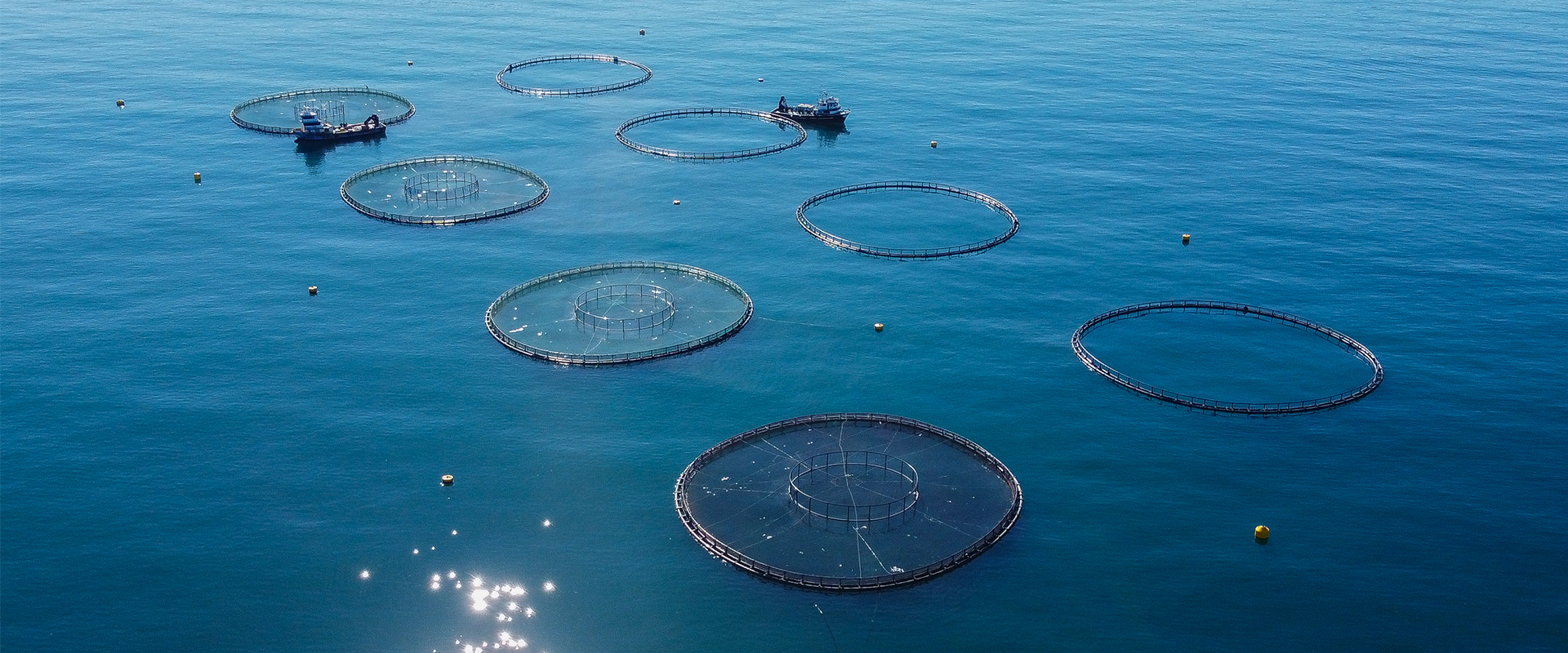
Turkey's geographical advantages and favorable climate make it an ideal location for breeding and harvesting high-quality salmon. When planning to import Turkish Salmon, buyers should prioritize understanding the local fishing practices, production standards, and regulatory compliance connected to seafood exports. It's vital to work with verified suppliers like Kıyak Group, which specializes in the production and export of Turkish Salmon. Establishing partnerships with reputable firms can simplify logistics and ensure higher quality control. Furthermore, buyers should study the trends in consumer preferences, which show a growing demand for sustainably sourced seafood alternatives. Engaging with the right stakeholders, including international trade experts and market analysts, can also provide insights into pricing strategies and market entry tactics. Attention to certifications and quality standards will further enhance buyer confidence, ensuring compliance with both local and international requirements. Overall, a well-rounded understanding of the Turkish Salmon industry enhances the potential for effective import planning and successful sales. Buyers can capitalize on the strengths of this fish to enhance their seafood offerings while meeting the demands of health-conscious consumers.
Quality Assurance
Ensuring that sourced Turkish Salmon meets international quality standards is crucial for importers.
Market Trends
Monitoring evolving consumer preferences can help identify lucrative opportunities for Turkish Salmon.
Regulatory Compliance
Familiarize with export regulations to streamline the importation process and avoid potential fines.
Firm Texture and Versatile Fillets
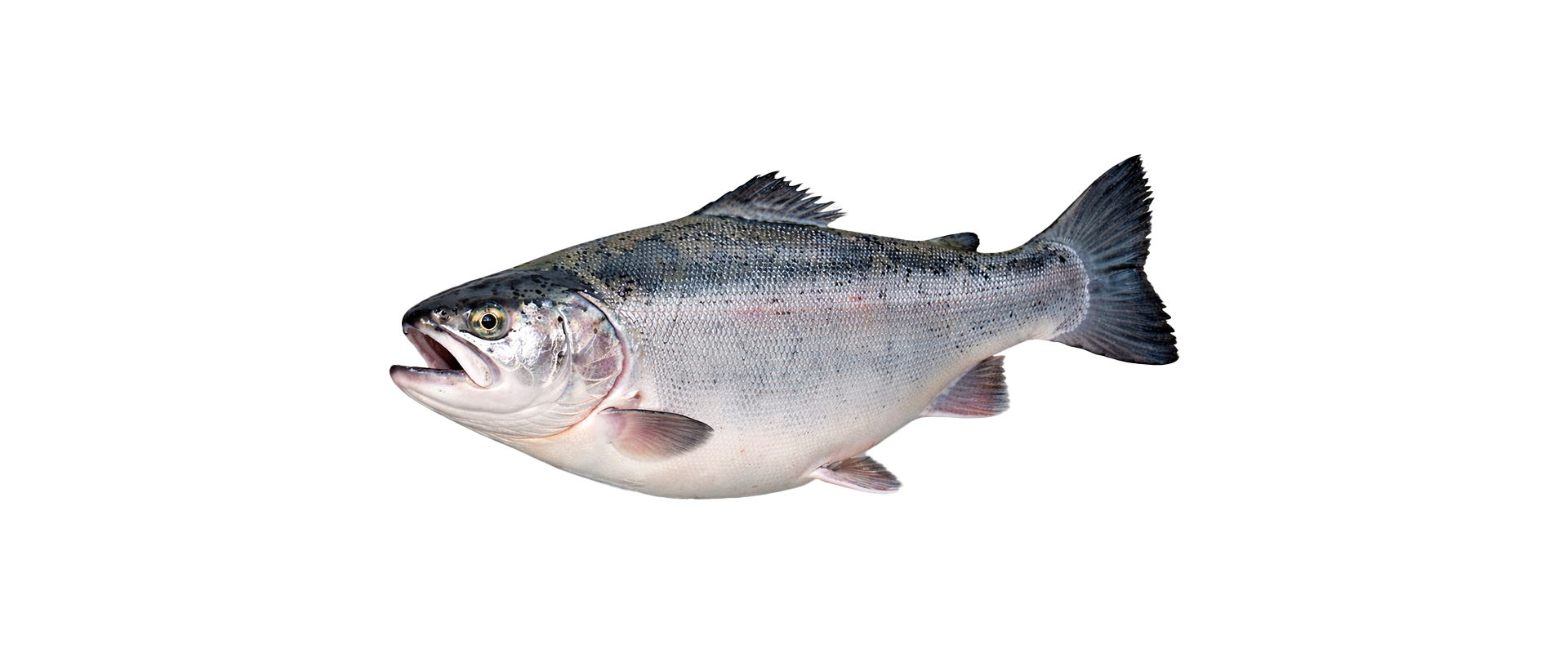
One of the practical strengths of Turkish salmon is its firm, sliceable flesh, which supports filleting, portioning, smoking and several cooking methods. The flesh color may range across pink and orange tones, while intensity can vary with feed composition, production conditions and the individual fish. A well-handled fillet should have a fresh appearance, an appropriate marine aroma, resilient flesh and packaging that protects the product from dehydration or physical damage. Texture is especially important for chefs and processors because it affects portion consistency, cooking loss and presentation. Clear specifications for fillet weight, trim level, pin bones, skin, glazing and acceptable color range help buyers receive a more consistent product.
Suitable for Many Cooking Techniques
The firm flesh and natural richness of Turkish salmon make it suitable for grilling, baking, pan-searing, steaming, poaching and smoking. The best method depends on cut thickness, skin, fat level and the desired service style. High heat can create an attractive surface, while gentler cooking supports moisture retention in thick portions. Overcooking may dry the fish and reduce its delicate texture, so chefs should use a validated time-and-temperature method appropriate to their food-safety system. After cooking, a short rest can help the juices settle before plating. Because the fish accepts both simple seasoning and more complex marinades, it can move from casual menus to premium presentations without requiring an entirely different raw material.
Fresh and Frozen Formats Serve Different Needs
Fresh Turkish salmon can support premium displays and short supply chains, while properly frozen formats provide planning flexibility and access to more distant markets. Freezing does not automatically mean lower quality; the result depends on raw-material condition, freezing speed, protective packaging, storage stability and correct thawing. For frozen products, buyers should specify net weight, glazing policy, packaging format, storage temperature and acceptable remaining shelf life. Thawing should take place under controlled refrigeration according to the supplier’s instructions, not at room temperature. The product should not be refrozen after thawing unless an approved process specifically allows it. Choosing between fresh and frozen is therefore a commercial and operational decision, not simply a quality ranking.
Traceable Batch Identification
Each shipment can be organized with batch-level identifiers and supporting commercial documentation to help buyers follow product movement through their supply chain. This feature can be used for warehouse control, quality checks, stock rotation, customer inquiries, and internal traceability procedures.
Raw Material Receiving
After harvest, Turkish salmon is transferred to the processing operation under controlled handling conditions. Receiving teams check the incoming fish against defined criteria such as general appearance, size range, temperature, batch information, and production records before authorizing the next processing stage.
Use a Trial Order for Validation
Before starting a large recurring program, buyers may use a controlled trial order to evaluate Turkish salmon quality, specification accuracy, packaging, labeling, documentation, transit performance, and customer response. The results provide practical evidence for refining future orders and establishing long-term supply conditions.
Responsive Issue Management
When a buyer reports a documented concern, a reliable exporter reviews batch records, shipment information, photographs, receiving data, and relevant process controls. A clear investigation and corrective-action approach helps resolve problems and reduce the chance of recurrence in future Turkish salmon orders.
Frequently Asked Questions
Who approves private-label artwork?
The buyer normally provides or approves brand artwork, while the exporter confirms production feasibility and printing requirements. Both parties should sign off on the final file, product details, dimensions, colors, barcode, language, and mandatory information before packaging is produced.
Where is Turkish salmon produced?
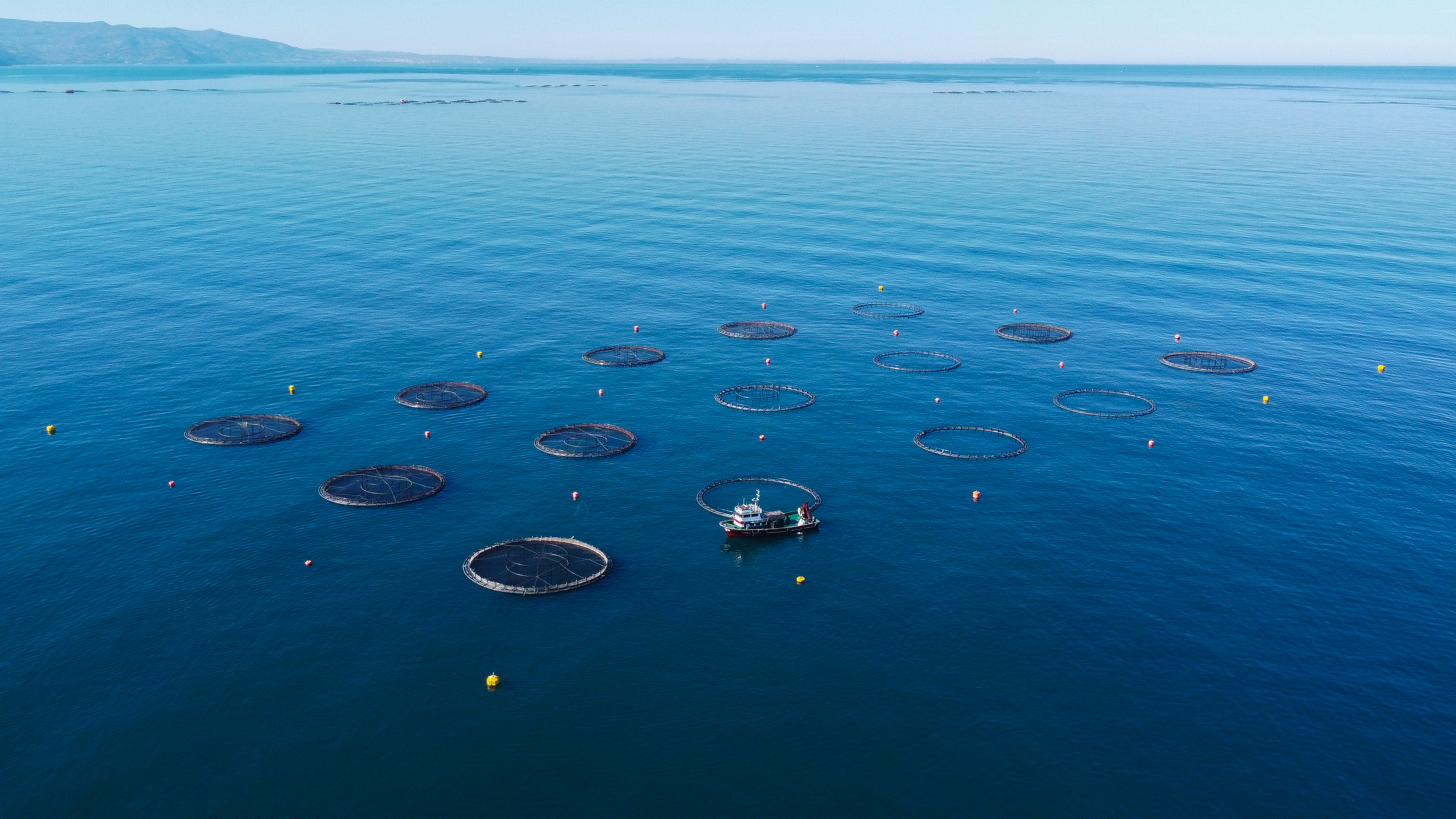
Turkish salmon production is associated with aquaculture operations in Türkiye and the wider Black Sea supply context. Exact farming, processing, and packing locations vary by supplier, so buyers should request documented origin and facility information for the specific shipment.
What packaging materials are used for Turkish salmon?
Packaging materials vary by fresh or frozen condition, product format, transport method, case size, and buyer program. Exporters should describe the proposed inner and outer packaging, insulation or ice system where relevant, label placement, and pallet configuration in the quotation.
Can Turkish salmon fillets be supplied skin-on or skinless?
Skin-on or skinless fillet options may be available depending on processing capability and order specification. Buyers should also confirm trimming, pin-bone removal, fillet weight, packing style, fresh or frozen condition, and any tolerances required for their market.
Is glazing used on frozen Turkish salmon?
Glazing may be applied to certain frozen products to support product protection during storage. Buyers should confirm whether glazing is used, the agreed declaration method, net-weight basis, packaging information, and destination labeling requirements before ordering.
How long is a Turkish salmon quotation valid?
Quotation validity depends on product availability, raw-material conditions, packaging costs, freight rates, currency movements, and exporter policy. The validity date should be stated clearly, and buyers should request an updated offer if approval occurs after that period.
Quality Depends on Coordinated Execution
The overall quality of Turkish salmon exports depends on coordinated production, processing, packaging, cold storage, documentation, and logistics. When each stage follows the agreed specification, buyers gain a more consistent product and a stronger foundation for repeat orders.
Explore related content
Continue with pages and guides that complement this topic.