
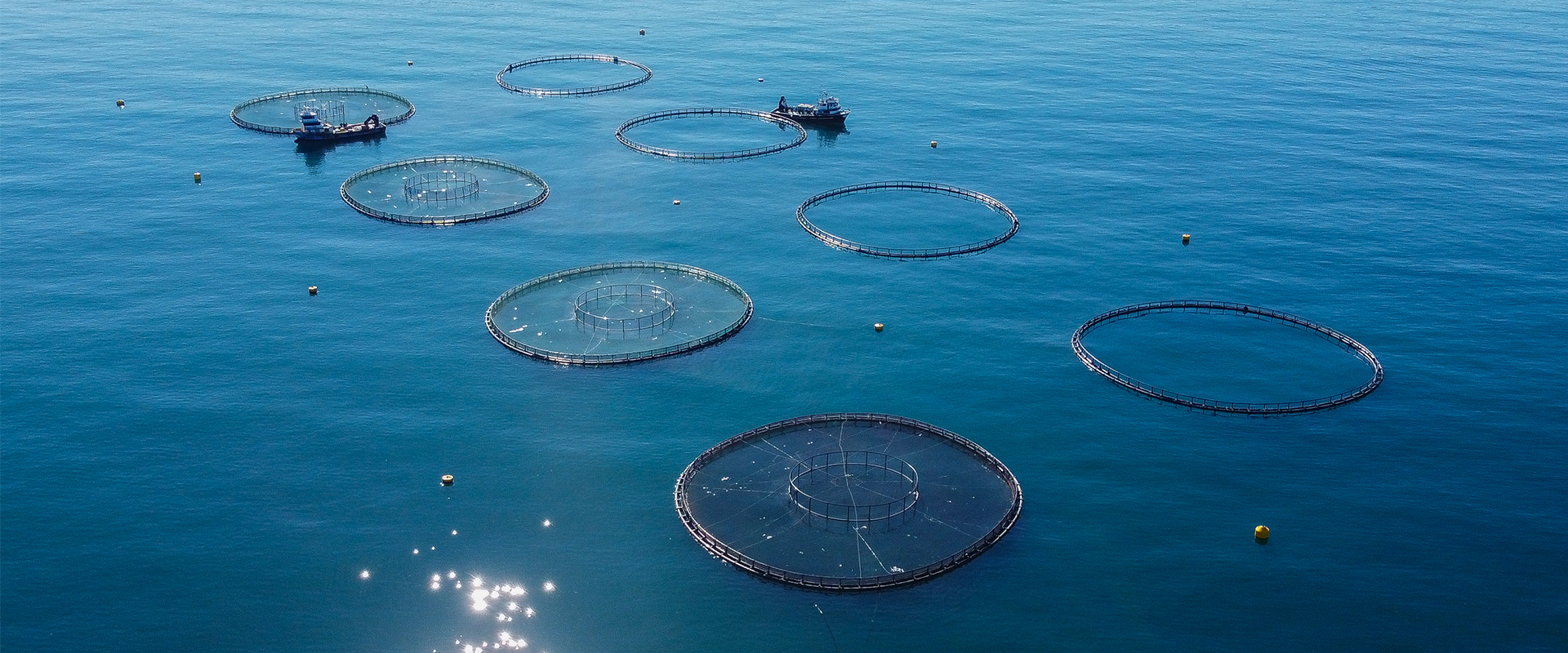
Turkish Salmon for Hotels, Resorts and Event Catering
Turkish salmon, specifically Oncorhynchus mykiss, offers a premium seafood option that elevates the dining experience in hotels, resorts, and event catering. Known for its rich taste and versatility, this high-quality fish is ideal for buffet lines, banquets, and à la carte menus. Sourced from the pristine waters of Türkiye, Kıyak Group provides a reliable B2B supply chain tailored to meet the demands of commercial kitchens globally. Whether you need bulk portions or individual servings, Turkish salmon serves as a key ingredient to enhance your culinary offerings.
Elevate Your Culinary Offerings with Turkish Salmon
The demand for quality seafood continues to rise among commercial buyers in the hospitality sector. Turkish salmon stands out due to its exceptional quality and adaptability in various cooking styles. As a hotel seafood supplier, Kıyak Group addresses the specific needs of each client, including buffet setups, banquet styles, and à la carte orders. Considering forecast peaks in demand, our processing capacity stands at approximately 5,000 tons annually, ensuring consistent supply throughout the year.
Preparation of Turkish salmon requires careful thaw planning and storage solutions tailored for commercial kitchens. The salmon is available in various portion formats, catering to diverse environments such as restaurants, hotels, and event catering services. This flexibility aids in kitchen efficiency and allows chefs to maintain consistency in flavor and presentation.
In addition to quality, Kıyak Group emphasizes service continuity, ensuring a reliable supply chain. We understand that culinary professionals need to access resources seamlessly, and our logistics are structured to support this need. By choosing Turkish salmon, you not only enhance your menu but also associate your establishment with a premium product that guests will appreciate.
Versatile Culinary Applications
Ideal for buffets, banquets, and à la carte dishes, enhancing menu offerings with premium seafood.
Reliable Supply Chain
Kıyak Group's processing capacity ensures consistency and availability throughout the year.
Quality Assurance
Sourced from the favorable waters of Türkiye, guaranteeing freshness and sustainability.
Responsible Aquaculture Requires Measurable Practices
The environmental performance of Turkish salmon depends on how individual farms and supply chains are managed. Responsible aquaculture involves attention to feed use, fish health, water quality, stocking practices, escapes, waste management, energy, worker welfare and compliance with applicable regulations. Sustainability should not be assumed from country of origin or product name alone. Buyers seeking environmental assurances can request current farm information, audit evidence, certification status where applicable and measurable improvement data. They should also examine processing yield, packaging and transport because impacts continue beyond the farm. Accurate, specific claims are more credible than broad statements, and any certification logo or sustainability message must be supported by valid documentation for the exact product supplied.
What Is Turkish Salmon?
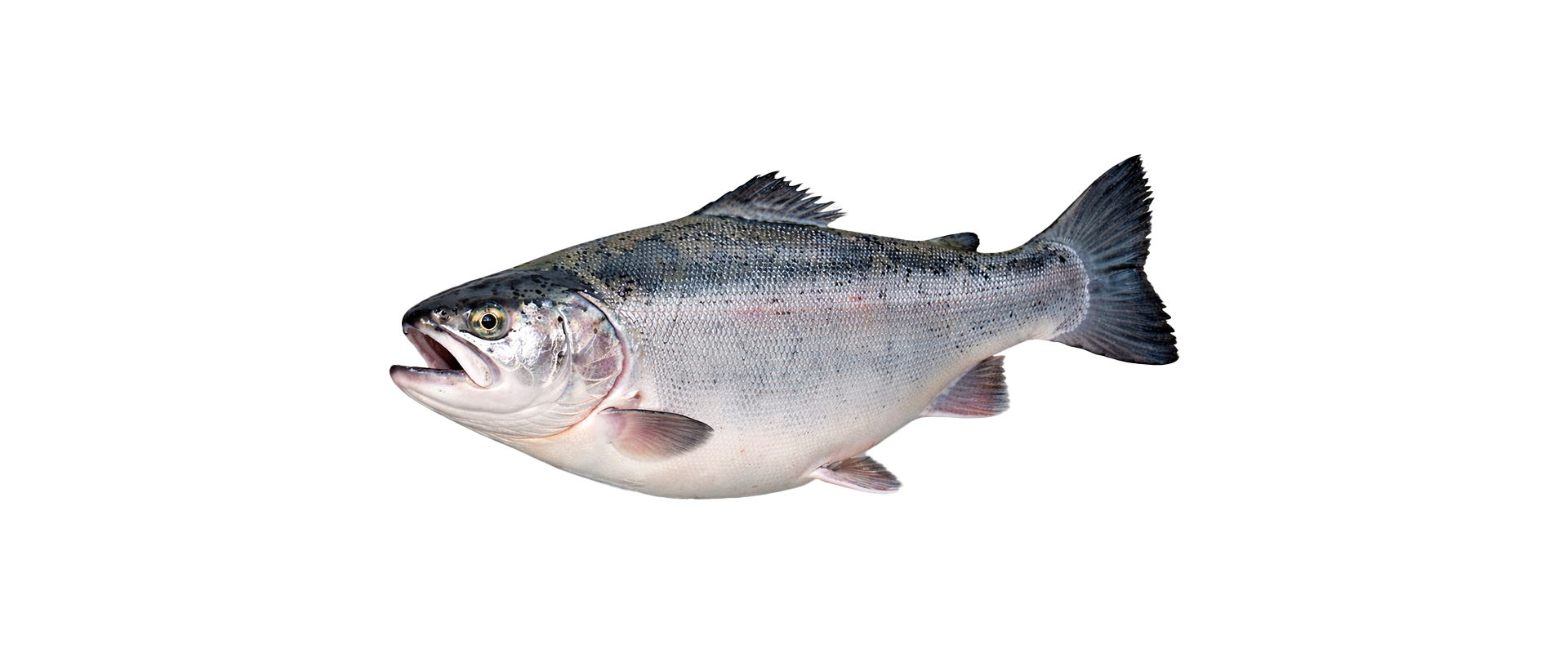
Turkish salmon is the commercial name commonly used for large rainbow trout, Oncorhynchus mykiss, raised in Türkiye under controlled aquaculture conditions. It is not the same species as Atlantic salmon, yet its generous fillet size, firm texture, appealing color and rich taste make it suitable for many of the same culinary applications. Production programs may combine freshwater farming with a marine growth stage, depending on the farm and region. For buyers, the name describes a distinctive Turkish aquaculture product whose specifications can vary by producer, harvest season, processing format and target market. Product decisions should therefore be based on verified size, trim, origin and quality documents rather than the commercial name alone.
Efficient Regional Logistics
Türkiye's geographic connection to Europe, the Middle East, North Africa, and nearby Eurasian markets can support practical transport planning for Turkish salmon exports. Depending on destination and product format, buyers may evaluate road, sea, or air freight options to balance lead time, shipment size, freshness objectives, and logistics cost.
Cold-Chain Focus Supports Product Integrity
Professional Turkish salmon export operations rely on temperature-controlled handling from processing through international delivery. Careful cold-chain management can help preserve the product's intended texture, appearance, and overall condition, giving buyers greater confidence when planning long-distance distribution and downstream storage.
Flexible Product Formats
Turkish salmon export can be organized in multiple commercial formats, including whole fish, headed and gutted products, fillets, portions, and frozen presentations when supported by the supplier. This flexibility helps buyers select formats suited to retail counters, restaurant kitchens, industrial processing, or private-label programs and can simplify local preparation requirements.
Headed and Gutted Processing
Headed and gutted Turkish salmon offers a practical format for customers who want a cleaner, ready-for-further-processing product. It can be used by distributors and food-service suppliers that need to reduce preparation time while preserving flexibility for local filleting, smoking, marinating, or retail counter presentation.
Cold-Chain Shipment Handling
Turkish salmon export is supported by temperature-controlled handling during packing, storage, transport, and delivery coordination. This feature is essential for buyers using fresh or chilled products, as it helps maintain the intended product condition from the exporter to the destination's receiving and storage facilities.
Private-Label Customization
Private-label Turkish salmon programs can include tailored product naming, label artwork, barcode placement, language details, and pack design in line with buyer requirements. This feature is useful for retailers and seafood brands that want to market Turkish salmon under their own identity while keeping a consistent product range.
Product Quality Inspection
Processed products are checked for conformity with the order specification. Inspection may review dimensions, weight, cut, trimming, appearance, packaging readiness, and other agreed criteria. Non-conforming items are separated so only suitable products continue to packing and shipment preparation.
Buyer Requirement Assessment
The Turkish salmon export process begins by reviewing the buyer's destination, preferred product format, size range, order volume, packaging, delivery schedule, and documentation needs. Recording these requirements clearly helps the exporter prepare an accurate offer and align production planning with the importer's commercial expectations.
Fresh Product Chilling
Fresh Turkish salmon is chilled through the facility's approved temperature-control process before packing and dispatch. Maintaining suitable product conditions during this stage supports cold-chain continuity and prepares the shipment for refrigerated storage and international transportation.
Select the Suitable Transport Mode
Road, sea, and air freight offer different combinations of speed, capacity, route availability, and cost. The best method for Turkish salmon depends on destination distance, fresh or frozen condition, shipment size, required arrival date, and the buyer's receiving capabilities.
Compare Delivery Lead Times
The expected time for production, packing, documentation, transport booking, and international transit should match the buyer's inventory plan. Importers should compare realistic lead times rather than only shipment speed, because dependable Turkish salmon replenishment requires coordination across the complete supply chain.
Define the Required Weight Range
Selecting a clear fish or fillet weight range helps the exporter grade the order consistently. Importers should match size specifications with retail pack plans, restaurant portions, processing yields, display preferences, and consumer purchasing habits before confirming a Turkish salmon export order.
Controlled Cold-Chain Management
Temperature-controlled handling during processing, storage, loading, and international transport is central to Turkish salmon quality management. Coordinated cold-chain practices help maintain the intended condition of fresh, chilled, or frozen products until they reach the buyer's receiving facility.
Destination Receiving Transparency
Importers can assess shipment identity, packaging, quantities, temperature, documents, and product condition using their receiving procedure. Recording observations immediately creates an objective basis for accepting the Turkish salmon shipment and communicating any issue to the exporter.
Access to European Markets
For European importers, Turkish salmon can provide an additional origin within the wider regional seafood supply landscape. Road, sea, and air connections may be evaluated according to destination, delivery schedule, fresh or frozen format, and the buyer's cold-storage and receiving capabilities.
Frequently Asked Questions
Is Turkish salmon farmed or wild-caught?
Turkish salmon offered through export supply chains is generally associated with aquaculture production. Buyers should verify the production method directly with the supplier and ensure that invoices, labels, certificates, and product descriptions use accurate information for the destination market.
Is Turkish salmon suitable for ready-meal production?
Turkish salmon portions or fillets may be used in ready-meal and ready-to-cook applications when they meet the manufacturer's specifications. Processors must validate recipes, cooking instructions, allergens, shelf life, packaging, food-safety controls, and destination requirements.
Can product samples be sent before a commercial shipment?
Samples may be possible depending on destination rules, courier or freight options, product condition, quantity, customs procedures, and supplier policy. Sample approval should not replace the final written specification because commercial production can involve different packaging and shipment conditions.
Where is Turkish salmon produced?
Turkish salmon production is associated with aquaculture operations in Türkiye and the wider Black Sea supply context. Exact farming, processing, and packing locations vary by supplier, so buyers should request documented origin and facility information for the specific shipment.
What happens if a shipment is delayed?
The exporter, carrier, and importer should share updates and evaluate the effect of the delay on customs, receiving, storage, and product conditions. Responsibilities and claims depend on the delivery term, transport contract, insurance, evidence, and circumstances of the shipment.
Can carton weights be customized?
Custom carton weights may be possible when they fit the processor's packing line, product size, handling limits, and shipment plan. Buyers should specify desired net weight, unit count, carton dimensions, pallet requirements, and acceptable tolerance before approval.
Can Turkish salmon be shipped door to door?
Door-to-door delivery may be arranged through suitable logistics providers and agreed trade terms. Feasibility depends on origin, destination, customs responsibilities, cold-chain continuity, local delivery access, shipment size, and the services included in the quotation.
How long is a Turkish salmon quotation valid?
Quotation validity depends on product availability, raw-material conditions, packaging costs, freight rates, currency movements, and exporter policy. The validity date should be stated clearly, and buyers should request an updated offer if approval occurs after that period.
What information should appear in a purchase inquiry?
A useful inquiry should include company and destination, product format, fresh or frozen condition, size, processing, quantity, packaging, label needs, delivery term, target date, transport preference, documents, and any special quality criteria. Complete requests receive more accurate responses.
When should product issues be reported?
Buyers should inspect the shipment at receiving and report visible issues within the period stated in the contract or supplier procedure. Immediate documentation protects evidence and allows the exporter, carrier, insurer, and importer to investigate while relevant information remains available.
Total Landed Value Matters
When evaluating Turkish salmon, importers should consider freight, customs, handling, storage, processing yield, packaging, and local delivery alongside the product price. This complete assessment provides a more accurate view of commercial value and potential profitability.
Explore related content
Continue with pages and guides that complement this topic.