
Turkish Salmon for Foodservice and Catering Supply
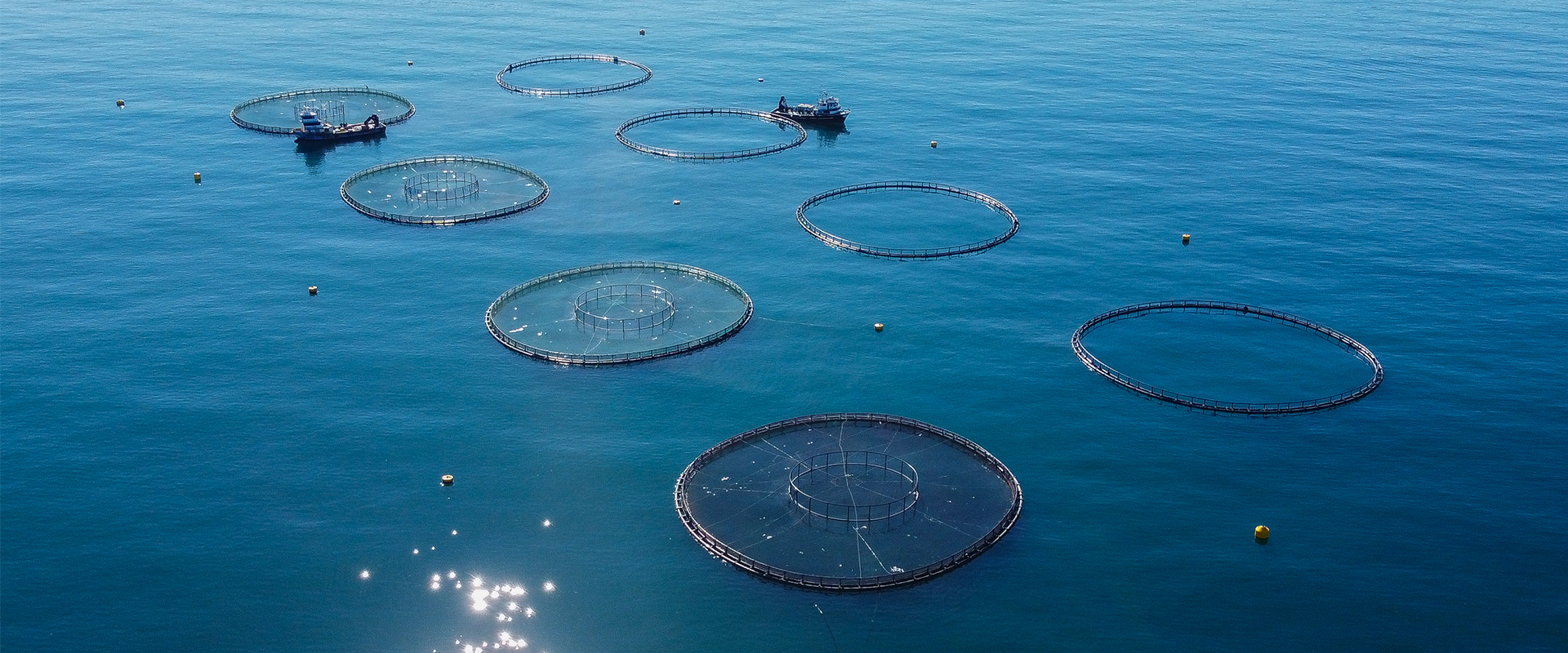
Turkish salmon, scientifically known as Oncorhynchus mykiss, offers unmatched quality for foodservice and catering. As a top choice for restaurants seeking to delight customers with nutritious meals, it is distinguished by its vibrant flavor and versatility. Sourced from the picturesque Black Sea region, Kıyak Group is committed to providing high-quality Turkish salmon that meets the demanding standards of commercial kitchens worldwide. Our comprehensive approach encompasses aquaculture, processing, and distribution, ensuring a seamless supply chain from farm to table.
Premium Turkish Salmon for Foodservice
Kıyak Group specializes in producing premium Turkish salmon, supplying foodservice operators globally. With a processing capacity of around 5,000 tons annually, our operations guarantee a robust and consistent supply of salmon tailored to your specific needs. Whether it's restaurants, catering services, or wholesale distributors, we offer a variety of options in portions and fillets to suit diverse culinary applications.
**Menu Formats**: Our Turkish salmon can be prepared in various forms, from fillets to steaks, which makes it suitable for an extensive range of menu styles, including fine dining and casual eateries.
**Portion Control**: We provide customizable portion sizes to minimize waste and optimize kitchen efficiency, making it easier to manage inventory in busy settings.
**Preparation Labor**: Our salmon requires minimal labor for preparation, allowing your kitchen staff to focus on other critical tasks without compromising quality or service speed.
**Pack and Thaw Planning**: Each order is packaged to maintain freshness, and we offer guidance on thawing methods to ensure optimal taste and texture whenever it's needed.
**Cooking Applications**: Versatile in nature, Turkish salmon can be grilled, baked, or used in soups and salads, providing endless possibilities for chefs looking to innovate.
**Allergen and Label Information**: We supply comprehensive allergen information and labeling details for seamless compliance with health regulations, making it easier to serve your clientele with transparency.
**Waste Control and Reorder Planning**: Efficient waste control practices help in managing costs better, while our streamlined ordering process ensures that you stay stocked without the risk of over-purchasing.
Why Choose Turkish Salmon?
Turkish salmon offers a unique taste and high nutritional value, making it a preferred option in the market.
Sourcing and Processing
Sourced from the Black Sea region, our salmon undergoes strict quality checks to ensure excellence.
Customizable Portions
Our flexible portion sizes cater to different culinary needs and help in reducing food waste.
High-Quality Protein and Beneficial Fats
Turkish salmon can contribute high-quality protein and beneficial unsaturated fats to a balanced diet. Fish protein supplies essential amino acids used by the body for the maintenance and repair of tissues, while naturally occurring omega-3 fatty acids make oily fish an important part of varied eating patterns. The exact nutritional profile is not identical in every product; it can change with farming conditions, feed, harvest size, edible portion and processing method. For retail labels, menus or health-focused marketing, businesses should rely on a current laboratory analysis or the supplier’s approved nutrition declaration. Preparation also matters: grilling, baking or steaming with moderate added fat can preserve the fish’s natural qualities without unnecessarily increasing calories.
Prepared for International Supply Chains
Turkish salmon can be supplied to international buyers in chilled or frozen formats, but successful export requires precise coordination between production, processing, documentation and logistics. The chosen format must match transit time, border procedures, customer storage capacity and the shelf life required on arrival. Exporters and importers should confirm health certificates, facility eligibility, labeling, species declaration, packaging marks and any market-specific requirements before dispatch. Insulated packaging, suitable refrigerants where used, temperature monitoring and reliable transport partners help protect the shipment. A pre-agreed document checklist and communication plan reduce delays. Because regulatory requirements can change, every shipment should be checked against the current rules of the destination market rather than relying on an earlier order.
Opportunity for Premium Presentation
Careful grading, clean packaging, accurate labeling, and a clear origin message can support premium positioning for Turkish salmon. Importers may use these elements to strengthen shelf presentation, menu descriptions, and customer communication, particularly in markets where consumers value product provenance and professional seafood handling.
Supports Year-Round Menu Planning
With an agreed supply program, Turkish salmon can help food-service buyers plan recurring menu items and promotional periods more confidently. Consistent specifications and scheduled deliveries support recipe standardization, portion control, purchasing forecasts, and kitchen operations across restaurants, hotels, and catering businesses.
Competitive Value for Importers
Turkish salmon can offer importers a useful balance between product quality, commercial positioning, and procurement flexibility. This value proposition allows wholesalers and retailers to build attractive seafood ranges without relying on a single origin, while creating room for different pack sizes, customer groups, and price points within their market strategy.
Whole Fish Export Format
Turkish salmon can be supplied as whole fish for buyers who prefer to handle cutting, filleting, or portioning within their own facilities. This format is suitable for seafood wholesalers, fish markets, and processors seeking maximum control over yield, presentation, and downstream product development.
Frozen Product Options
Where available, frozen Turkish salmon formats can support buyers who need longer storage windows and more flexible inventory planning. Frozen products may be used for retail freezer ranges, food-service distribution, industrial processing, and export programs serving destinations where transit times or stock-management cycles are longer.
Ready-to-Cook Product Development
Turkish salmon can be incorporated into ready-to-cook recipes such as seasoned fillets, tray-bake meals, skewers, or marinated portions. This usage fits manufacturers and retailers developing convenient seafood products for consumers who want quick preparation with clear cooking instructions.
Transport Booking and Coordination
Refrigerated road, sea, or air transport is booked according to the destination, product condition, delivery target, and agreed trade terms. The exporter coordinates collection time, equipment requirements, loading location, route details, and communication between logistics partners.
Raw Material Receiving
After harvest, Turkish salmon is transferred to the processing operation under controlled handling conditions. Receiving teams check the incoming fish against defined criteria such as general appearance, size range, temperature, batch information, and production records before authorizing the next processing stage.
Export Document Preparation
The exporter prepares the commercial invoice, packing list, shipment records, certificates, and other documents agreed for the destination. Document details are cross-checked against the actual order so the importer, freight forwarder, customs broker, and receiving team work from consistent shipment information.
Evaluate Export Experience
Experience with international seafood shipments can indicate whether a supplier understands documentation, refrigerated logistics, communication, destination coordination, and order follow-up. Buyers should consider the exporter's relevant market experience and ability to explain how each Turkish salmon shipment will be managed.
Choose the Appropriate Product Format
Buyers should first determine whether whole fish, headed and gutted fish, fillets, portions, fresh products, or frozen products best fit their operation. The correct Turkish salmon format depends on local processing capacity, sales channel, customer expectations, kitchen workflow, storage conditions, and intended final presentation.
Confirm Processing Specifications
Importers should define requirements for heading, gutting, filleting, trimming, pin-bone removal, skin condition, portion cutting, or other processing details. Precise instructions reduce interpretation differences and help ensure that Turkish salmon arrives ready for the buyer's intended retail, food-service, or industrial application.
Traceable Production Records
Turkish salmon export programs can be supported by batch-based production, processing, packing, and shipment records. Clear traceability gives importers better visibility into product movement and helps them manage receiving checks, inventory control, customer questions, internal quality procedures, and supply-chain documentation.
Processing Control and Verification
Heading, gutting, filleting, trimming, deboning, and portioning operations can be checked against the confirmed order specification. This verification helps ensure that Turkish salmon is prepared in the format expected by wholesalers, retailers, food-service buyers, and processors.
Türkiye as a Regional Seafood Supplier
Türkiye's location between Europe, Asia, the Middle East, and the Black Sea gives Turkish salmon exporters access to several regional trade corridors. Buyers can evaluate transport routes and delivery programs according to destination distance, product condition, shipment size, and local distribution requirements.

Frequently Asked Questions
What packaging materials are used for Turkish salmon?
Packaging materials vary by fresh or frozen condition, product format, transport method, case size, and buyer program. Exporters should describe the proposed inner and outer packaging, insulation or ice system where relevant, label placement, and pallet configuration in the quotation.
Are pin-bone-removed fillets available?
Pin-bone removal may be offered by suitable processors, subject to the agreed product definition and production capability. Importers should specify the required standard, permitted tolerance, inspection method, fillet format, and intended retail or food-service use when requesting a quotation.
Is modified-atmosphere packaging available?
Modified-atmosphere packaging may be considered only when the supplier has the appropriate equipment and validated product program. Buyers should review pack materials, gas system, storage conditions, shelf-life data, transport time, destination rules, and retail handling before approval.
Is glazing used on frozen Turkish salmon?
Glazing may be applied to certain frozen products to support product protection during storage. Buyers should confirm whether glazing is used, the agreed declaration method, net-weight basis, packaging information, and destination labeling requirements before ordering.
Can multiple Turkish salmon products share one shipment?
A mixed-product shipment may be arranged when formats, temperature conditions, packaging, documentation, and loading plans are compatible. The exporter must confirm feasibility, while the buyer should provide separate quantities, labels, specifications, and receiving instructions for every item.
Are temperature records available during transit?
Temperature records may be available depending on the transport unit, carrier, route, and agreed monitoring equipment. Buyers should specify data-logger requirements, placement, access, reporting format, responsibility, and action procedures when arranging the shipment.
Can buyers use their own freight forwarder?
Buyers may be able to nominate their own forwarder when this matches the agreed delivery term and exporter procedures. The forwarder must coordinate equipment, collection, documentation, temperature control, loading time, route, and communication with both parties.
Can Turkish salmon be vacuum packed?
Vacuum packaging may be available for suitable fresh, chilled, or frozen formats when supported by the processor. The buyer should confirm pack weight, product format, storage conditions, shelf-life responsibility, label details, carton configuration, and destination requirements.
Can specifications be changed after order confirmation?
Changes may be possible only before certain production or packaging stages and require exporter approval. Adjustments to size, cut, quantity, label, pack, date, or destination can affect availability, price, lead time, documents, and already purchased materials.
Can Turkish salmon be individually quick frozen?
Individually quick frozen formats may be available for fillets or portions depending on processor capability. Importers should request details about product size, glazing if applicable, inner packaging, carton count, storage temperature, and the method used for the quoted item.

Regional Positioning Supports Market Development
Türkiye's connection to European, Middle Eastern, Black Sea, and Eurasian trade routes creates several possibilities for Turkish salmon market development. The best opportunity depends on destination demand, transport access, import requirements, product condition, and the buyer's distribution network.
Explore related content
Continue with pages and guides that complement this topic.