
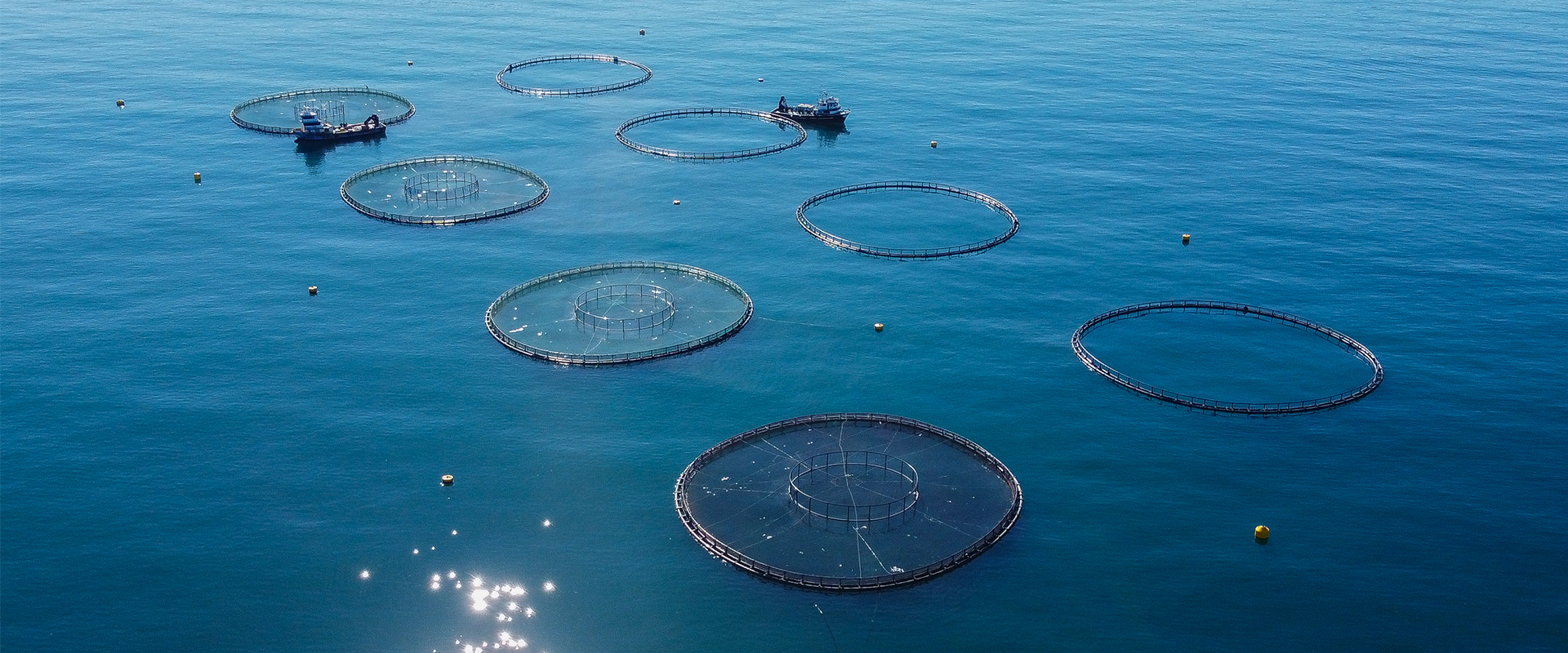
Turkish Salmon for Better International Sourcing
Turkish Salmon, sourced from the rich, pristine waters of Turkey, offers an unparalleled quality that is essential for international markets. Providing a combination of flavor, nutritional benefits, and sustainable practices, this fish meets the high standards demanded by global consumers. Companies looking to diversify their product offerings and impress clients can greatly benefit from incorporating Turkish Salmon into their portfolios. As an increasing demand for quality seafood continues globally, Turkish Salmon stands out as a prime choice for discerning buyers.
Elevate Your Sourcing with Turkish Salmon
Kıyak Group, a leading figure in the fishing and export sector, specializes in the production of Turkish Salmon and Trout. Based in Samsun, Turkey, the company is dedicated to delivering top-tier seafood products that cater to international clients. The unique selling propositions of Turkish Salmon include its robust flavor, exceptional health benefits, and sustainability practices that ensure environmental care.
In recent years, Turkish Salmon has gained recognition for its superior quality and consistency, making it an ideal option for distributors and restaurants around the world. The fish is raised in controlled environments, promoting healthy growth without the use of harmful additives. This commitment to quality not only enhances the product's reputation but also builds trust with customers seeking reliable suppliers.
Choosing Turkish Salmon allows businesses to tap into a lucrative market segment that prioritizes quality and sustainability. With Kıyak Group’s expertise in salmon production and export, partners can rest assured of a seamless supply chain and high-quality products. Furthermore, the company’s professional tone and dedication to customer service ensure that inquiries and orders are handled efficiently.
Incorporating Turkish Salmon into a product lineup can elevate a brand’s status in the competitive seafood market, appealing to health-conscious consumers and gourmets alike. Leveraging the rich culinary heritage of Turkey, this salmon presents numerous possibilities for creative dishes that appeal globally. As international demands evolve, partnering with Kıyak Group for your salmon sourcing needs positions your business at the forefront of the seafood industry, ready to meet the tastes and demands of consumers worldwide.
High Quality Standards
Turkish Salmon is known for its exceptional quality due to strict farming practices in Turkey.
Sustainability at Its Core
Kıyak Group's practices ensure that the salmon production is environmentally sustainable.
Health Benefits
Rich in omega-3 fatty acids, Turkish Salmon promotes heart health and general well-being.
Traceability from Farm to Customer
Traceability connects each shipment of Turkish salmon to relevant production, processing and distribution records. A practical system uses lot or batch codes that allow businesses to identify the farm or production group, harvest and processing details, packaging date and delivery path according to applicable rules. This information supports quality investigations, stock rotation, targeted recalls and customer documentation. Buyers should verify that codes on the product, inner packs, cartons and shipping documents correspond with one another and remain legible throughout handling. Traceability is most effective when every participant records receiving and dispatch information promptly. It should be tested through periodic exercises rather than treated as a label-only requirement.
Suitable for Many Cooking Techniques
The firm flesh and natural richness of Turkish salmon make it suitable for grilling, baking, pan-searing, steaming, poaching and smoking. The best method depends on cut thickness, skin, fat level and the desired service style. High heat can create an attractive surface, while gentler cooking supports moisture retention in thick portions. Overcooking may dry the fish and reduce its delicate texture, so chefs should use a validated time-and-temperature method appropriate to their food-safety system. After cooking, a short rest can help the juices settle before plating. Because the fish accepts both simple seasoning and more complex marinades, it can move from casual menus to premium presentations without requiring an entirely different raw material.
Retail Presentation and Consumer Communication
In retail, Turkish salmon can be positioned as whole fish, chilled fillets, frozen portions, marinated items or smoked products. Clear labeling should identify the legally required species information, production method, origin, storage instructions, net quantity, date information and other details required in the destination market. Transparent communication is particularly important because the commercial term Turkish salmon may be unfamiliar to some consumers. Packaging should protect the fish, support temperature control and make the cut and portion size easy to understand. Recipe suggestions, cooking guidance and flavor pairings can reduce hesitation at the point of sale, but claims about nutrition, sustainability or certification should only be used when supported by approved documentation.
Supermarket Seafood Counter Use
Turkish salmon is suitable for supervised seafood counters where staff sell whole fish, fillets, or cut-to-order portions. Buyers can use this format to offer visible freshness, support customer requests for specific cuts, and build attractive displays alongside other chilled seafood products.
Final Packing Verification
Before cases are released to storage, the packing team verifies product count, case weight, label accuracy, packaging condition, and order reference. This final review helps detect packing errors before palletizing and reduces discrepancies during shipment receiving.
Clarify Incoterms and Responsibilities
The buyer and exporter should agree on the delivery term and clearly understand who manages freight, insurance, export clearance, import clearance, local charges, and final delivery. This selection criterion allows Turkish salmon offers to be compared on the same commercial basis and reduces responsibility disputes.
Trial Orders Build Confidence
A controlled trial shipment allows importers to evaluate Turkish salmon specifications, packaging, labeling, documents, transit performance, and market response before committing to larger volumes. The results help both parties refine expectations and establish a practical foundation for recurring trade.

Frequently Asked Questions
Can Turkish salmon be packed for supermarket display?
Retail-display packs may be developed according to buyer volume and supplier capability. Pack size, tray or pouch format, label language, barcode, product name, storage instructions, artwork approval, shelf presentation, and destination compliance must be confirmed in advance.
How are freight costs calculated?
Freight costs depend on origin, destination, transport mode, shipment weight and volume, temperature requirement, seasonal capacity, fuel and handling charges, customs services, and delivery scope. Quotes should state whether freight is included and how long the rate remains valid.
What trimming options are available for fillets?
Trimming options depend on the processor's production program and the buyer's specification. Importers should communicate the desired removal of fins, belly material, bones, excess tissue, and other details using a written description or approved reference sample.
Can Turkish salmon be shipped without pallets?
Floor-loaded or non-palletized arrangements may be possible for certain refrigerated shipments, subject to product packaging, transport equipment, loading method, destination handling, and buyer approval. The agreed loading configuration should appear clearly in shipment planning.
What species is marketed as Turkish salmon?
The commercial name Turkish salmon may refer to a salmon-category aquaculture product marketed by Turkish suppliers. Because terminology and specifications can vary, importers should confirm the scientific species name, commercial description, origin, production method, and label wording before placing an order.
When should product issues be reported?
Buyers should inspect the shipment at receiving and report visible issues within the period stated in the contract or supplier procedure. Immediate documentation protects evidence and allows the exporter, carrier, insurer, and importer to investigate while relevant information remains available.

Regional Positioning Supports Market Development
Türkiye's connection to European, Middle Eastern, Black Sea, and Eurasian trade routes creates several possibilities for Turkish salmon market development. The best opportunity depends on destination demand, transport access, import requirements, product condition, and the buyer's distribution network.
Explore related content
Continue with pages and guides that complement this topic.