
Turkish Salmon for Better Cross-Border Seafood Trade
Turkish Salmon is emerging as a robust choice for seafood businesses looking to flourish in cross-border trade. Known for its rich flavor and high nutritional value, this product stands out in a competitive market. As demand for high-quality seafood continues to increase, Turkish Salmon can help businesses stand out and cater to consumers seeking the best options available. Its unique characteristics and sustainable production practices make it not just a food source, but a part of an evolving market strategy for traders and wholesalers alike.
Unlock the Potential of Turkish Salmon in Global Markets
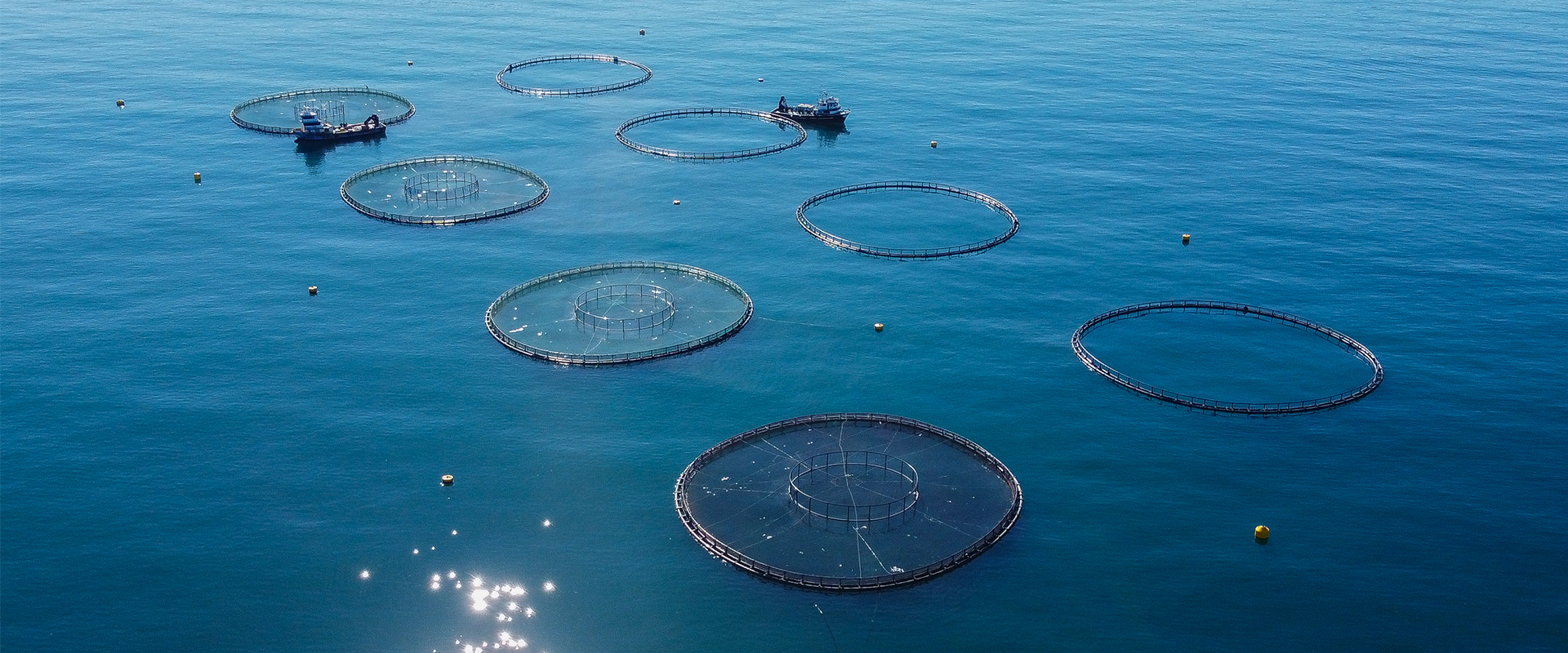
The Turkish salmon fishery is rooted in rich traditions and modern aquaculture practices, ensuring a consistent supply of premium salmon. With its succulent taste and firm texture, Turkish Salmon is highly sought after in international markets, appealing to gourmet chefs and health-conscious consumers alike. By investing in Turkish seafood products, businesses can take advantage of competitive pricing, reducing costs while increasing profit margins. Furthermore, the traceability and sustainable farming practices associated with Turkish salmon production enhance its appeal in an increasingly eco-conscious marketplace. When businesses look to import or distribute seafood, incorporating Turkish Salmon into their offerings not only diversifies their selection but also promotes quality and sustainability in seafood trade. With a strong support infrastructure and established export channels, Kıyak Group stands ready to partner with businesses aiming to expand their seafood portfolios beyond borders. This blend of premium quality, reliable supply, and sustainable practices makes Turkish Salmon an excellent choice for enhancing cross-border seafood trade operations.
High Quality and Flavor
Turkish Salmon offers a unique taste profile that appeals to various cuisines and consumer preferences.
Sustainable Production Methods
The aquaculture techniques employed in Turkey focus on sustainability, promoting eco-friendly practices.
Market Demand
There is an increasing global demand for premium seafood options, especially those that are sustainably sourced.
Retail Presentation and Consumer Communication
In retail, Turkish salmon can be positioned as whole fish, chilled fillets, frozen portions, marinated items or smoked products. Clear labeling should identify the legally required species information, production method, origin, storage instructions, net quantity, date information and other details required in the destination market. Transparent communication is particularly important because the commercial term Turkish salmon may be unfamiliar to some consumers. Packaging should protect the fish, support temperature control and make the cut and portion size easy to understand. Recipe suggestions, cooking guidance and flavor pairings can reduce hesitation at the point of sale, but claims about nutrition, sustainability or certification should only be used when supported by approved documentation.
Cold-Chain Control Protects Quality
Temperature control is essential from harvest through processing, transport, storage and final delivery. Rapid chilling and an uninterrupted cold chain help preserve texture, appearance and shelf life while reducing food-safety risks. Buyers should review the supplier’s declared storage temperature, production date, use-by or best-before information, packaging condition and transport records. Fresh and frozen products require different handling procedures, so staff must follow the instructions printed on the approved specification and label. A quality inspection should also check for damaged cartons, broken vacuum packs, excessive dehydration, unusual odor or signs of temperature abuse. Even a strong product can lose value quickly when storage and handling are inconsistent.
Prepared for International Supply Chains
Turkish salmon can be supplied to international buyers in chilled or frozen formats, but successful export requires precise coordination between production, processing, documentation and logistics. The chosen format must match transit time, border procedures, customer storage capacity and the shelf life required on arrival. Exporters and importers should confirm health certificates, facility eligibility, labeling, species declaration, packaging marks and any market-specific requirements before dispatch. Insulated packaging, suitable refrigerants where used, temperature monitoring and reliable transport partners help protect the shipment. A pre-agreed document checklist and communication plan reduce delays. Because regulatory requirements can change, every shipment should be checked against the current rules of the destination market rather than relying on an earlier order.
Supermarket Seafood Counter Use
Turkish salmon is suitable for supervised seafood counters where staff sell whole fish, fillets, or cut-to-order portions. Buyers can use this format to offer visible freshness, support customer requests for specific cuts, and build attractive displays alongside other chilled seafood products.
Final Packing Verification
Before cases are released to storage, the packing team verifies product count, case weight, label accuracy, packaging condition, and order reference. This final review helps detect packing errors before palletizing and reduces discrepancies during shipment receiving.
Clarify Incoterms and Responsibilities
The buyer and exporter should agree on the delivery term and clearly understand who manages freight, insurance, export clearance, import clearance, local charges, and final delivery. This selection criterion allows Turkish salmon offers to be compared on the same commercial basis and reduces responsibility disputes.
Trial Orders Build Confidence
A controlled trial shipment allows importers to evaluate Turkish salmon specifications, packaging, labeling, documents, transit performance, and market response before committing to larger volumes. The results help both parties refine expectations and establish a practical foundation for recurring trade.
Frequently Asked Questions
Can Turkish salmon portions have fixed weights?
Fixed-weight or controlled-range portions may be possible for qualifying orders. Buyers should define target weight, tolerance, cut style, skin condition, packing count, freezing or chilling requirement, and expected volume so the processor can assess feasibility and pricing.
Can multiple Turkish salmon products share one shipment?
A mixed-product shipment may be arranged when formats, temperature conditions, packaging, documentation, and loading plans are compatible. The exporter must confirm feasibility, while the buyer should provide separate quantities, labels, specifications, and receiving instructions for every item.
How are quality claims handled?
A quality claim should be reported promptly with shipment references, batch details, quantities, photographs, temperature information, receiving records, and a clear description. The exporter then reviews production and logistics evidence according to the agreed contract and claim procedure.
How are pallets prepared for export?
Pallet configuration depends on carton dimensions, case weight, transport mode, container or vehicle limits, handling equipment, and destination requirements. Buyers should request pallet count, cases per pallet, gross weight, dimensions, wrapping method, and labeling details before dispatch.
Which certifications can a Turkish salmon supplier provide?
Certifications differ among farms, processors, products, and export programs. Buyers should request current certificates directly from the supplier, verify their scope, facility name, validity, product coverage, and issuing body, and avoid assuming that one certificate covers every shipment.
Are pin-bone-removed fillets available?
Pin-bone removal may be offered by suitable processors, subject to the agreed product definition and production capability. Importers should specify the required standard, permitted tolerance, inspection method, fillet format, and intended retail or food-service use when requesting a quotation.
Regional Positioning Supports Market Development
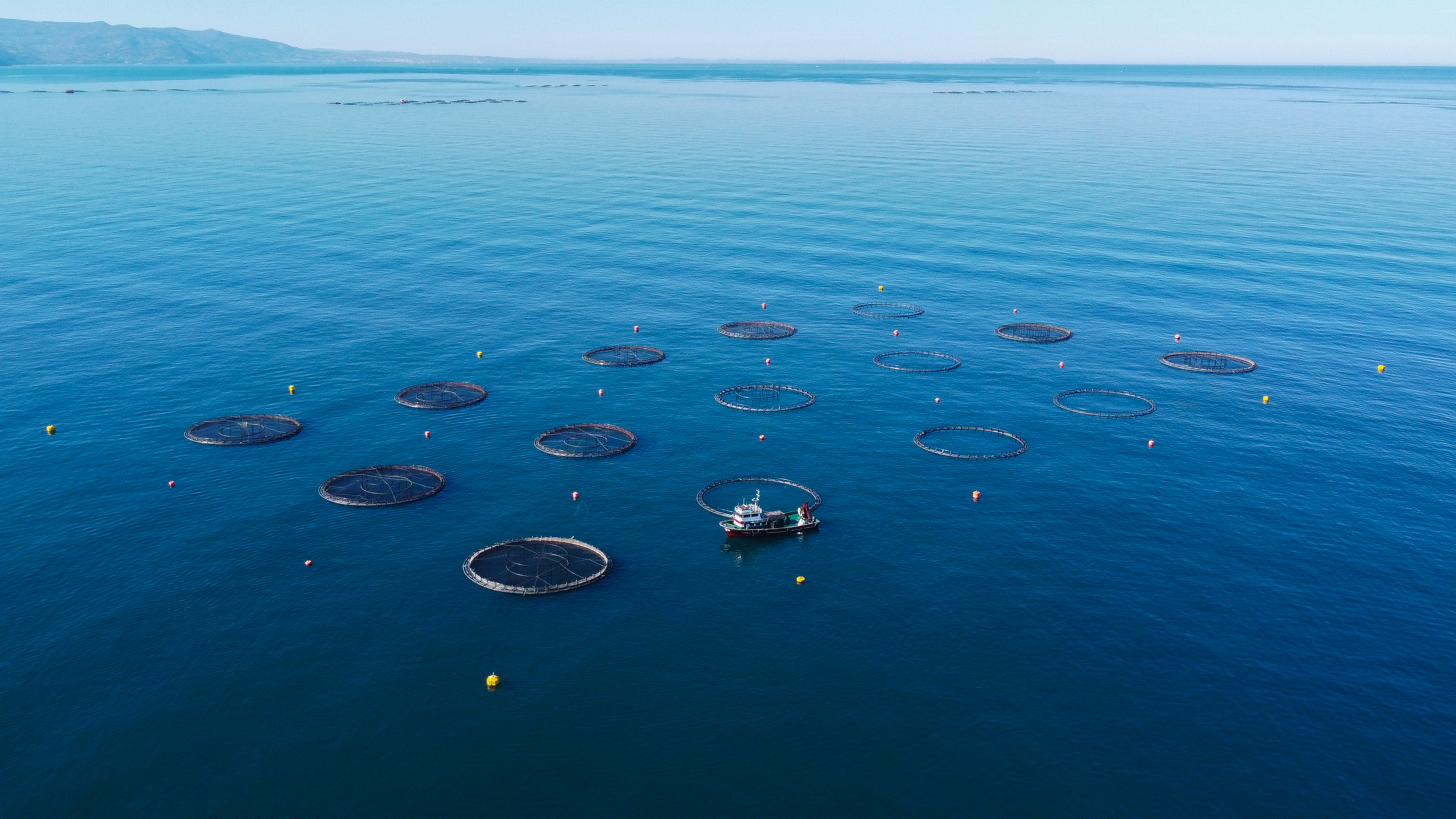
Türkiye's connection to European, Middle Eastern, Black Sea, and Eurasian trade routes creates several possibilities for Turkish salmon market development. The best opportunity depends on destination demand, transport access, import requirements, product condition, and the buyer's distribution network.
Explore related content
Continue with pages and guides that complement this topic.