
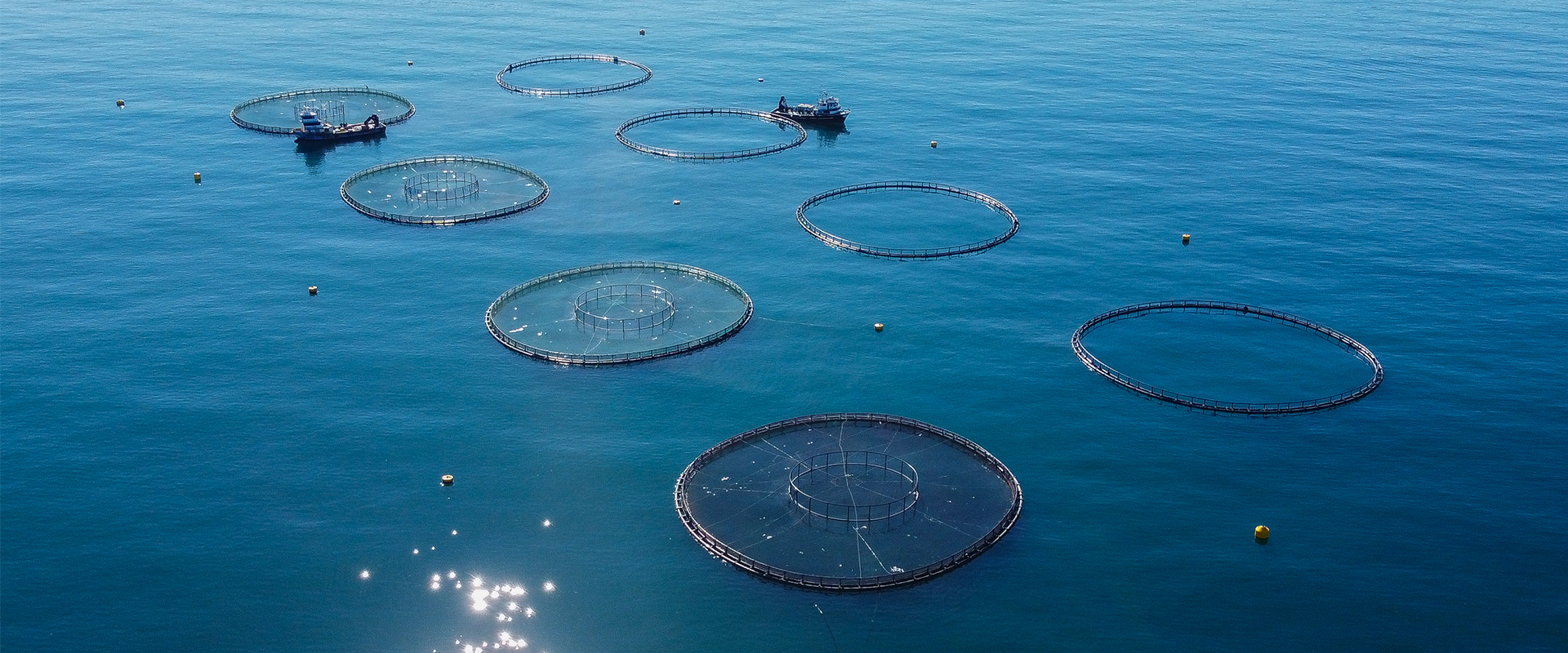
Turkish Salmon Export Supply for European Union Buyers
Kıyak Group stands out as a premier Turkish salmon supplier in the European Union, specializing in the export of Oncorhynchus mykiss, commonly known as rainbow trout. This species is celebrated for its exceptional quality and taste, especially from the pristine waters of the Black Sea region. With a focus on sustainability and rigorous safety standards, Kıyak Group ensures that every shipment meets the expectations of European seafood importers. Our integrated aquaculture and advanced processing facilities streamline operations, providing consistent and reliable supply.
Quality Turkish Salmon Supply for the EU
Navigating the complexities of seafood imports can be challenging; however, Kıyak Group simplifies the process for buying Turkish salmon in the EU. Our operational structure is designed for efficiency, ensuring compliance with all EU food safety and labeling regulations. This guarantees that our products not only meet but exceed international quality standards.
We offer various product forms, including fresh and frozen salmon, tailored to suit the specifications demanded by European seafood importers. Each batch goes through official verification processes to maintain traceability and uphold supplier due diligence. Moreover, we prioritize the maintenance of a cold chain to safeguard the integrity of our salmon during transit.
Buyers can benefit from our vast experience, as Kıyak Group is equipped to manage border and document workflows seamlessly, allowing for smooth transactions and timely deliveries. Understanding the significance of traceability, we maintain stringent records, ensuring every piece of salmon can be traced back to its source. With an annual processing capacity close to 5,000 tons, our commitment to quality and service positions us as a leading player in the European salmon market.
EU Buyer Segmentation
Tailored solutions for various buyers including wholesalers, retailers, and food service providers.
Product Forms Available
Offering both fresh and frozen Turkish salmon to meet diverse market needs in the EU.
Official EU Food Safety Compliance
Adherence to rigorous food safety standards with official labeling verification.
Cold-Chain Control Protects Quality
Temperature control is essential from harvest through processing, transport, storage and final delivery. Rapid chilling and an uninterrupted cold chain help preserve texture, appearance and shelf life while reducing food-safety risks. Buyers should review the supplier’s declared storage temperature, production date, use-by or best-before information, packaging condition and transport records. Fresh and frozen products require different handling procedures, so staff must follow the instructions printed on the approved specification and label. A quality inspection should also check for damaged cartons, broken vacuum packs, excessive dehydration, unusual odor or signs of temperature abuse. Even a strong product can lose value quickly when storage and handling are inconsistent.
Traceability from Farm to Customer
Traceability connects each shipment of Turkish salmon to relevant production, processing and distribution records. A practical system uses lot or batch codes that allow businesses to identify the farm or production group, harvest and processing details, packaging date and delivery path according to applicable rules. This information supports quality investigations, stock rotation, targeted recalls and customer documentation. Buyers should verify that codes on the product, inner packs, cartons and shipping documents correspond with one another and remain legible throughout handling. Traceability is most effective when every participant records receiving and dispatch information promptly. It should be tested through periodic exercises rather than treated as a label-only requirement.
Firm Texture and Versatile Fillets
One of the practical strengths of Turkish salmon is its firm, sliceable flesh, which supports filleting, portioning, smoking and several cooking methods. The flesh color may range across pink and orange tones, while intensity can vary with feed composition, production conditions and the individual fish. A well-handled fillet should have a fresh appearance, an appropriate marine aroma, resilient flesh and packaging that protects the product from dehydration or physical damage. Texture is especially important for chefs and processors because it affects portion consistency, cooking loss and presentation. Clear specifications for fillet weight, trim level, pin bones, skin, glazing and acceptable color range help buyers receive a more consistent product.
Suitable for Many Cooking Techniques
The firm flesh and natural richness of Turkish salmon make it suitable for grilling, baking, pan-searing, steaming, poaching and smoking. The best method depends on cut thickness, skin, fat level and the desired service style. High heat can create an attractive surface, while gentler cooking supports moisture retention in thick portions. Overcooking may dry the fish and reduce its delicate texture, so chefs should use a validated time-and-temperature method appropriate to their food-safety system. After cooking, a short rest can help the juices settle before plating. Because the fish accepts both simple seasoning and more complex marinades, it can move from casual menus to premium presentations without requiring an entirely different raw material.
Fresh and Frozen Formats Serve Different Needs
Fresh Turkish salmon can support premium displays and short supply chains, while properly frozen formats provide planning flexibility and access to more distant markets. Freezing does not automatically mean lower quality; the result depends on raw-material condition, freezing speed, protective packaging, storage stability and correct thawing. For frozen products, buyers should specify net weight, glazing policy, packaging format, storage temperature and acceptable remaining shelf life. Thawing should take place under controlled refrigeration according to the supplier’s instructions, not at room temperature. The product should not be refrozen after thawing unless an approved process specifically allows it. Choosing between fresh and frozen is therefore a commercial and operational decision, not simply a quality ranking.
Scheduled Export Programs
Recurring Turkish salmon export programs can be arranged around agreed order cycles, shipment windows, and product specifications. This feature helps importers plan purchases for regular retail replenishment, restaurant supply, promotional activity, or production schedules instead of sourcing each shipment separately.
Restaurant and Hotel Menu Supply
Restaurants, hotels, and catering kitchens can use Turkish salmon in breakfast, lunch, dinner, banquet, and buffet applications. The product can support menus ranging from simple grilled portions to premium plated dishes, allowing chefs to adapt recipes to their cuisine style and service format.
E-Commerce and Home Delivery Use
Portioned or retail-packed Turkish salmon can be used in online seafood stores and home-delivery programs. Clearly labeled packs, suitable cold-chain packaging, and practical serving sizes help digital retailers offer a convenient salmon option to customers who order seafood for home cooking.
Freezing Application
For frozen orders, the selected Turkish salmon format is frozen using the processor's approved method and production controls. The product is then maintained under frozen storage conditions until loading, allowing buyers to plan longer transit routes, inventory cycles, and further processing programs.
Production and Harvest Planning
The supplier coordinates production availability and harvest timing with the requested shipment window. Planning considers fish size, processing capacity, packaging materials, cold-storage availability, and transport arrangements, helping the export order move through each stage without avoidable interruption.
Refrigerated Loading
During loading, the correct cases and batch quantities are verified against shipment documents. Products are transferred from cold storage to the prepared refrigerated transport unit using controlled handling practices, after which the load is secured and released for international transit.
Examine Traceability Information
Buyers should confirm that the exporter can provide batch identification and relevant production, packing, and shipment records. Effective traceability supports internal quality procedures, stock management, customer inquiries, receiving checks, and the ability to follow Turkish salmon through the distribution chain.
Confirm Destination Documentation
Required documents vary by destination, shipment method, and commercial arrangement. Importers should verify health documents, certificates, commercial invoices, packing lists, origin information, and other requirements with their broker or authority, then communicate the confirmed list to the Turkish salmon exporter before dispatch.
Compare Supplier Production Capacity
A suitable exporter should be able to align production capacity with the buyer's expected order size and delivery frequency. Importers should discuss trial quantities, recurring volumes, seasonal demand, processing limitations, and lead times to determine whether the Turkish salmon supplier can support planned growth.
Organized Export Documentation
Commercial invoices, packing lists, shipment records, certificates, and agreed destination documents should contain consistent order information. Organized documentation builds buyer confidence by supporting customs coordination, receiving verification, traceability, and communication with logistics partners.
Consistent Performance Across Orders
A trustworthy Turkish salmon supplier should demonstrate repeatable results in product specification, packing, documentation, communication, and delivery coordination. Reviewing performance across multiple shipments gives buyers stronger evidence than relying on a single successful order.
Building Long-Term Regional Partnerships
Turkish salmon trade can develop through long-term cooperation between producers, exporters, importers, distributors, retailers, and food-service businesses. Regular feedback on regional demand, logistics, specifications, packaging, and customer response helps partners create more stable and market-focused supply programs.

Frequently Asked Questions
Can Turkish salmon be shipped without pallets?
Floor-loaded or non-palletized arrangements may be possible for certain refrigerated shipments, subject to product packaging, transport equipment, loading method, destination handling, and buyer approval. The agreed loading configuration should appear clearly in shipment planning.
Can forecast volumes be reserved?
Production or shipment capacity may be reserved through a forecast and commercial agreement, subject to supplier policy. Buyers should discuss expected monthly volumes, size mix, packaging, flexibility, confirmation deadlines, payment terms, and procedures for forecast changes.
When should product issues be reported?
Buyers should inspect the shipment at receiving and report visible issues within the period stated in the contract or supplier procedure. Immediate documentation protects evidence and allows the exporter, carrier, insurer, and importer to investigate while relevant information remains available.
Can Turkish salmon fillets be supplied skin-on or skinless?
Skin-on or skinless fillet options may be available depending on processing capability and order specification. Buyers should also confirm trimming, pin-bone removal, fillet weight, packing style, fresh or frozen condition, and any tolerances required for their market.
Can Turkish salmon be distributed through e-commerce?
Retail-packed or portioned Turkish salmon may suit online seafood and grocery channels when appropriate cold-chain packaging, labeling, delivery time, storage instructions, and last-mile handling are established. The e-commerce operator should validate the complete delivery process.
What happens if a shipment is delayed?
The exporter, carrier, and importer should share updates and evaluate the effect of the delay on customs, receiving, storage, and product conditions. Responsibilities and claims depend on the delivery term, transport contract, insurance, evidence, and circumstances of the shipment.
Which Incoterms can be used for Turkish salmon?
Available Incoterms depend on the exporter, buyer, transport mode, destination, and commercial agreement. Both parties should confirm the named place and understand responsibility for freight, insurance, clearance, local charges, risk transfer, and final delivery before signing the order.
Can Turkish salmon be shipped door to door?
Door-to-door delivery may be arranged through suitable logistics providers and agreed trade terms. Feasibility depends on origin, destination, customs responsibilities, cold-chain continuity, local delivery access, shipment size, and the services included in the quotation.
Is Turkish salmon suitable for ready-meal production?
Turkish salmon portions or fillets may be used in ready-meal and ready-to-cook applications when they meet the manufacturer's specifications. Processors must validate recipes, cooking instructions, allergens, shelf life, packaging, food-safety controls, and destination requirements.
Can product samples be sent before a commercial shipment?
Samples may be possible depending on destination rules, courier or freight options, product condition, quantity, customs procedures, and supplier policy. Sample approval should not replace the final written specification because commercial production can involve different packaging and shipment conditions.
How should a sample be evaluated?
Buyers should assess the sample against written criteria such as format, size, trimming, appearance, packaging, label, preparation performance, yield, and intended customer use. Results should be documented and converted into an approved specification for future commercial orders.

Feedback Drives Continuous Improvement
Post-delivery feedback from receiving teams, distributors, retailers, chefs, processors, and customers can guide future Turkish salmon orders. Reviewing this information helps improve sizing, processing, packaging, logistics, and market positioning over time.
Explore related content
Continue with pages and guides that complement this topic.