
Turkish Salmon Export Logistics by Air and Reefer
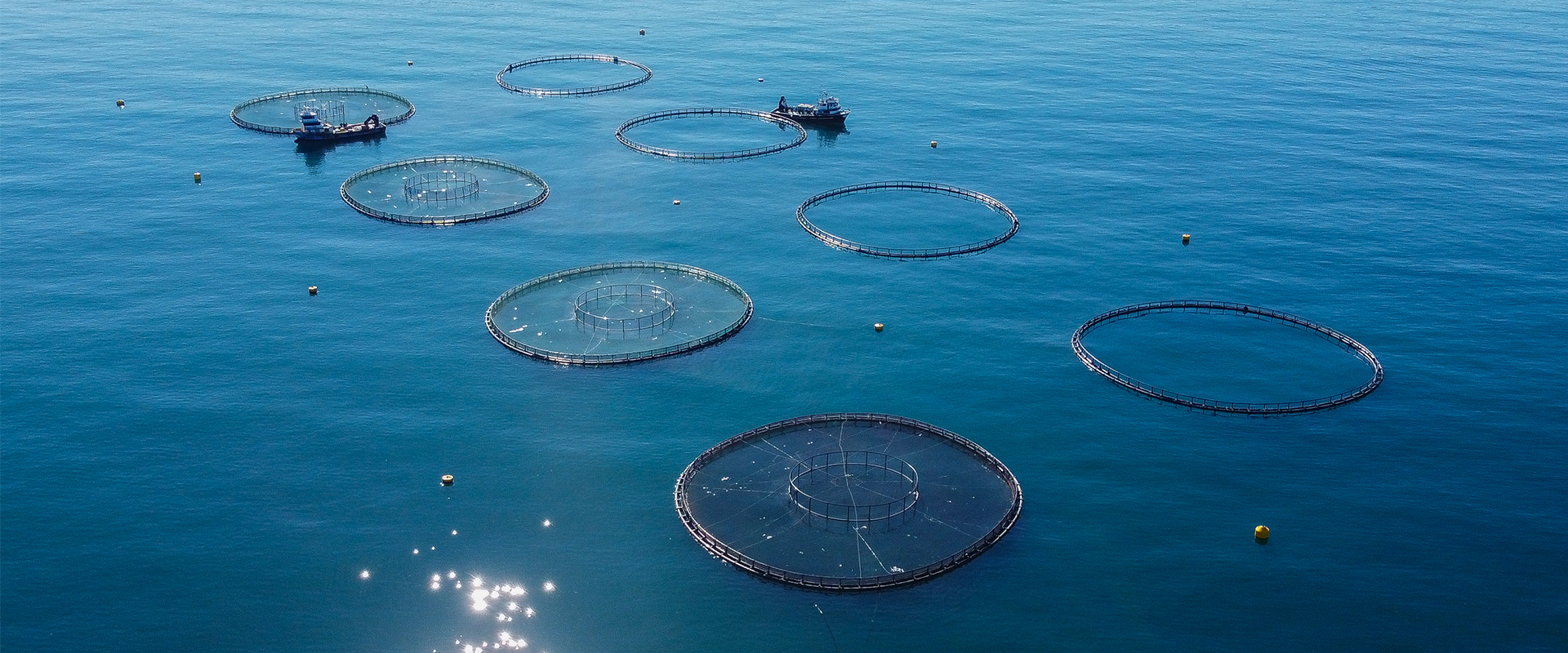
Understanding the logistics behind Turkish salmon exports is crucial for ensuring quality and compliance in international seafood markets. Turkish salmon, specifically Oncorhynchus mykiss, is recognized for its fine quality and is primarily sourced from the Black Sea region. When considering the most effective transportation methods, businesses must weigh the pros and cons of air freight versus reefer shipping. This analysis not only impacts transit times but also overall product quality and cost-effectiveness during international shipping.
Optimizing Turkish Salmon Logistics for Export
When exporting Turkish salmon, two main logistics methods stand out: air freight and reefer shipping. Air freight is the fastest option, allowing salmon to reach international markets in minimal time. However, it can be cost-prohibitive for larger shipments. Reefer containers, which maintain a controlled temperature, are more economical for bulk shipments but require careful planning regarding transit durations.
**Suitability Considerations**: Chilled salmon is ideal for short transit times and can be exported via air to retain freshness. Conversely, frozen salmon is better suited for reefer shipments, as these containers maintain a consistent temperature for extended periods, making them perfect for logistics planning.
**Temperature Monitoring and Risk Controls**: Maintaining optimal temperatures during transit is vital. Both methods involve strict temperature monitoring to prevent spoilage, with reefer containers equipped with real-time tracking technology. This ensures that any deviations are addressed swiftly.
**Documentation and Handoffs**: Proper documentation is essential in seafood export logistics. Transporters need to manage accurate paperwork that includes health certifications and export permits, ensuring compliance with international regulations.
**Incoterms Considerations**: Understanding Incoterms is crucial for defining shipping responsibilities. Clear communication between suppliers and logistics partners helps avoid disputes and enhances operational efficiency. Businesses should assess their logistics needs against the benefits and limitations of each transport method to choose the best fit for their trade operation.
Air vs. Reefer Trade-offs
Air freight offers speed but at a higher cost; reefer shipping is more economical for bulk but takes longer.
Chilled vs. Frozen Suitability
Air is preferable for chilled salmon; reefer is best for frozen shipments during longer transits.
Transit Planning
Effective planning minimizes delays; consider optimal shipping times to maintain freshness.
Grilling Turkish Salmon
For grilling, evenly cut Turkish salmon portions help the kitchen achieve consistent cooking and presentation. Skin-on pieces can be useful because the skin protects the flesh and may become crisp when the surface is dry and the grill is properly prepared. A light coating of oil and restrained seasoning allow the natural flavor to remain clear. Thick sugary marinades should be managed carefully because they can burn before the center is ready. Cooking time varies with portion thickness, starting temperature and equipment, so visual appearance alone is not a reliable safety control. When the fish releases cleanly from the grill and remains moist inside, it works well with lemon, herbs, grilled vegetables or grain-based side dishes.
Naturally Occurring Vitamins and Minerals
In addition to protein and fat, Turkish salmon may provide useful micronutrients commonly associated with oily fish, including vitamin B12, vitamin D, selenium and phosphorus. These nutrients support several normal functions in the body, but the quantity present depends on the specific product and portion. Nutritional communication should therefore avoid treating every fillet as identical or making medical claims that are not supported by approved evidence. A supplier specification, nutrition panel or accredited laboratory report is the right reference for exact values. From a menu-planning perspective, the fish works well with vegetables, whole grains, legumes and salads, creating complete meals that combine protein, fiber and a broad range of micronutrients.
Opportunity for Premium Presentation
Careful grading, clean packaging, accurate labeling, and a clear origin message can support premium positioning for Turkish salmon. Importers may use these elements to strengthen shelf presentation, menu descriptions, and customer communication, particularly in markets where consumers value product provenance and professional seafood handling.
Responsive Export Partnerships
Working directly with an experienced Turkish salmon exporter can improve communication on specifications, packing, documentation, production timing, and shipment planning. A responsive supplier relationship helps buyers resolve operational questions quickly and align each order more closely with destination requirements and commercial expectations.
Custom Sizing for Target Markets
Turkish salmon export programs can be planned around preferred weight ranges and product specifications, subject to availability and production conditions. This allows buyers to match fish sizes with local consumer habits, menu requirements, processing yields, or retail display standards instead of accepting a one-size-fits-all purchasing model.
Whole Fish Export Format
Turkish salmon can be supplied as whole fish for buyers who prefer to handle cutting, filleting, or portioning within their own facilities. This format is suitable for seafood wholesalers, fish markets, and processors seeking maximum control over yield, presentation, and downstream product development.
Flexible Distribution Channel Use
The same Turkish salmon product family can be allocated across wholesale, retail, food service, processing, and online sales channels. This enables importers to use their existing distribution network efficiently while adjusting formats and packaging to the needs of different customer groups.
Restaurant and Hotel Menu Supply
Restaurants, hotels, and catering kitchens can use Turkish salmon in breakfast, lunch, dinner, banquet, and buffet applications. The product can support menus ranging from simple grilled portions to premium plated dishes, allowing chefs to adapt recipes to their cuisine style and service format.
Transport Booking and Coordination
Refrigerated road, sea, or air transport is booked according to the destination, product condition, delivery target, and agreed trade terms. The exporter coordinates collection time, equipment requirements, loading location, route details, and communication between logistics partners.
Destination Receiving Procedure
At destination, the buyer verifies shipment identity, case quantities, packaging condition, documents, and product temperature according to internal receiving procedures. Any observation is recorded promptly, and accepted Turkish salmon is transferred to the appropriate chilled or frozen storage area.
Primary Processing
Depending on the order, Turkish salmon proceeds through the required operations, which may include gutting, heading, filleting, trimming, deboning, or portion cutting. Processing teams follow the confirmed specification so the final format matches the intended wholesale, retail, food-service, or industrial use.
Review Quality-Control Procedures
Buyers should ask how the supplier checks raw material, grading, processing, packing, labeling, storage, and final shipment conformity. Understanding these controls helps the importer evaluate whether Turkish salmon orders can be prepared consistently according to agreed commercial specifications.
Check Order Flexibility
Buyers should review minimum quantities, mixed-size availability, packaging options, trial-order possibilities, production scheduling, and the process for changing specifications. Flexible arrangements can be valuable when introducing Turkish salmon to a new market or supplying several customer groups from one shipment.
Evaluate Export Experience
Experience with international seafood shipments can indicate whether a supplier understands documentation, refrigerated logistics, communication, destination coordination, and order follow-up. Buyers should consider the exporter's relevant market experience and ability to explain how each Turkish salmon shipment will be managed.
Final Order Conformity Review
Before dispatch, the completed Turkish salmon order can be reviewed against the packing list and approved specification. Checking case quantities, weights, labels, packaging condition, product format, and batch references helps detect discrepancies before the shipment leaves the facility.
Documented Storage Controls
Packed Turkish salmon is held in the appropriate chilled or frozen storage environment before loading. Batch organization, condition monitoring, stock rotation, and dispatch records support controlled warehouse operations and help ensure that the correct products are released for each order.
Coastal Logistics Connections
Production and processing operations linked to coastal regions can coordinate with ports, road networks, airports, and refrigerated transport providers. Exporters select the most suitable logistics route for Turkish salmon according to destination, lead time, temperature condition, shipment volume, and buyer delivery expectations.
Frequently Asked Questions
What trimming options are available for fillets?
Trimming options depend on the processor's production program and the buyer's specification. Importers should communicate the desired removal of fins, belly material, bones, excess tissue, and other details using a written description or approved reference sample.
Can Turkish salmon fillets be supplied skin-on or skinless?
Skin-on or skinless fillet options may be available depending on processing capability and order specification. Buyers should also confirm trimming, pin-bone removal, fillet weight, packing style, fresh or frozen condition, and any tolerances required for their market.
Can Turkish salmon be distributed through e-commerce?
Retail-packed or portioned Turkish salmon may suit online seafood and grocery channels when appropriate cold-chain packaging, labeling, delivery time, storage instructions, and last-mile handling are established. The e-commerce operator should validate the complete delivery process.
What species is marketed as Turkish salmon?
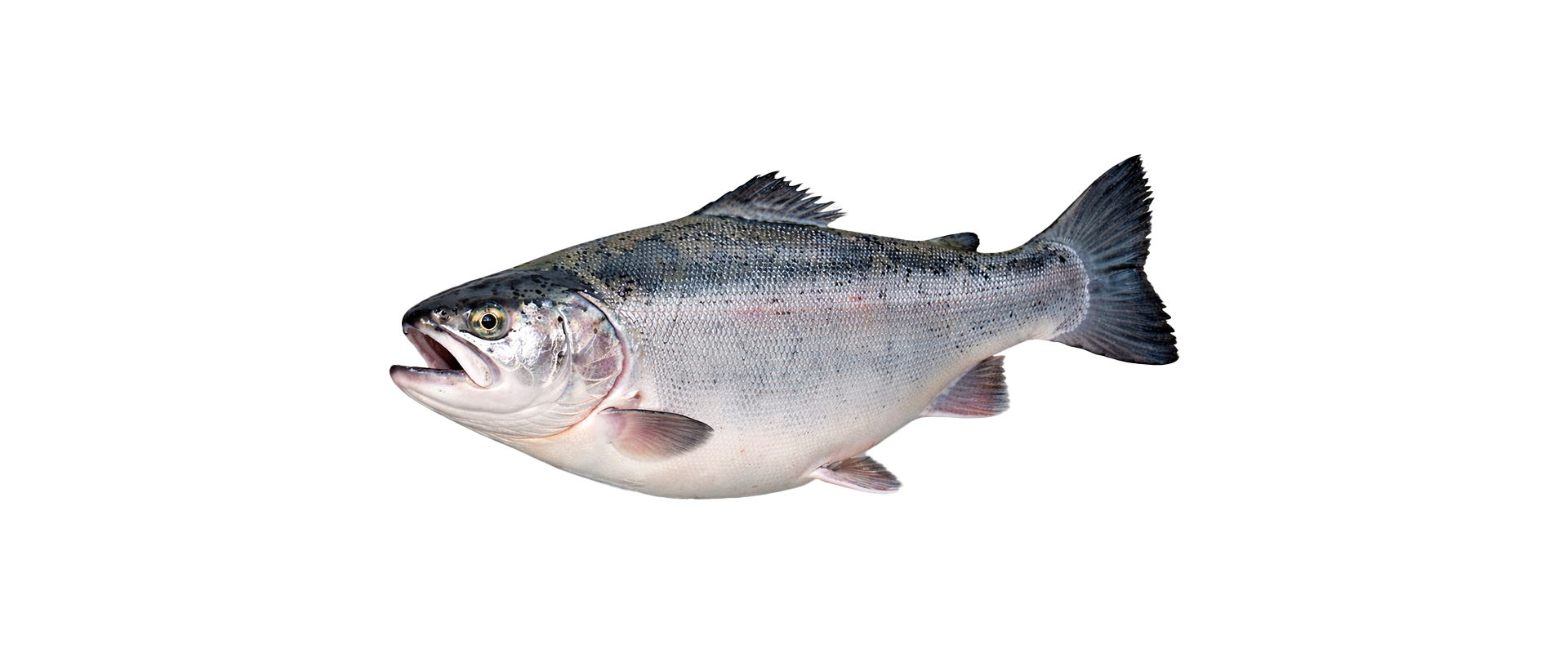
The commercial name Turkish salmon may refer to a salmon-category aquaculture product marketed by Turkish suppliers. Because terminology and specifications can vary, importers should confirm the scientific species name, commercial description, origin, production method, and label wording before placing an order.
Which currencies can be used for payment?
Accepted currencies depend on the exporter's banking arrangements and the commercial offer. Buyers should confirm quotation currency, exchange-rate validity, bank fees, payment deadline, beneficiary information, and whether any local or intermediary charges are excluded.
How are freight costs calculated?
Freight costs depend on origin, destination, transport mode, shipment weight and volume, temperature requirement, seasonal capacity, fuel and handling charges, customs services, and delivery scope. Quotes should state whether freight is included and how long the rate remains valid.
Can forecast volumes be reserved?
Production or shipment capacity may be reserved through a forecast and commercial agreement, subject to supplier policy. Buyers should discuss expected monthly volumes, size mix, packaging, flexibility, confirmation deadlines, payment terms, and procedures for forecast changes.
Can Turkish salmon be packed for supermarket display?
Retail-display packs may be developed according to buyer volume and supplier capability. Pack size, tray or pouch format, label language, barcode, product name, storage instructions, artwork approval, shelf presentation, and destination compliance must be confirmed in advance.
How are pallets prepared for export?
Pallet configuration depends on carton dimensions, case weight, transport mode, container or vehicle limits, handling equipment, and destination requirements. Buyers should request pallet count, cases per pallet, gross weight, dimensions, wrapping method, and labeling details before dispatch.
Is cargo insurance included in the quotation?
Cargo insurance is not automatically included in every offer. Buyers should review the stated Incoterm and quotation details, confirm who arranges insurance, understand coverage limits and exclusions, and ensure that temperature-sensitive seafood risks are addressed appropriately.
A Strategic Seafood Export Opportunity
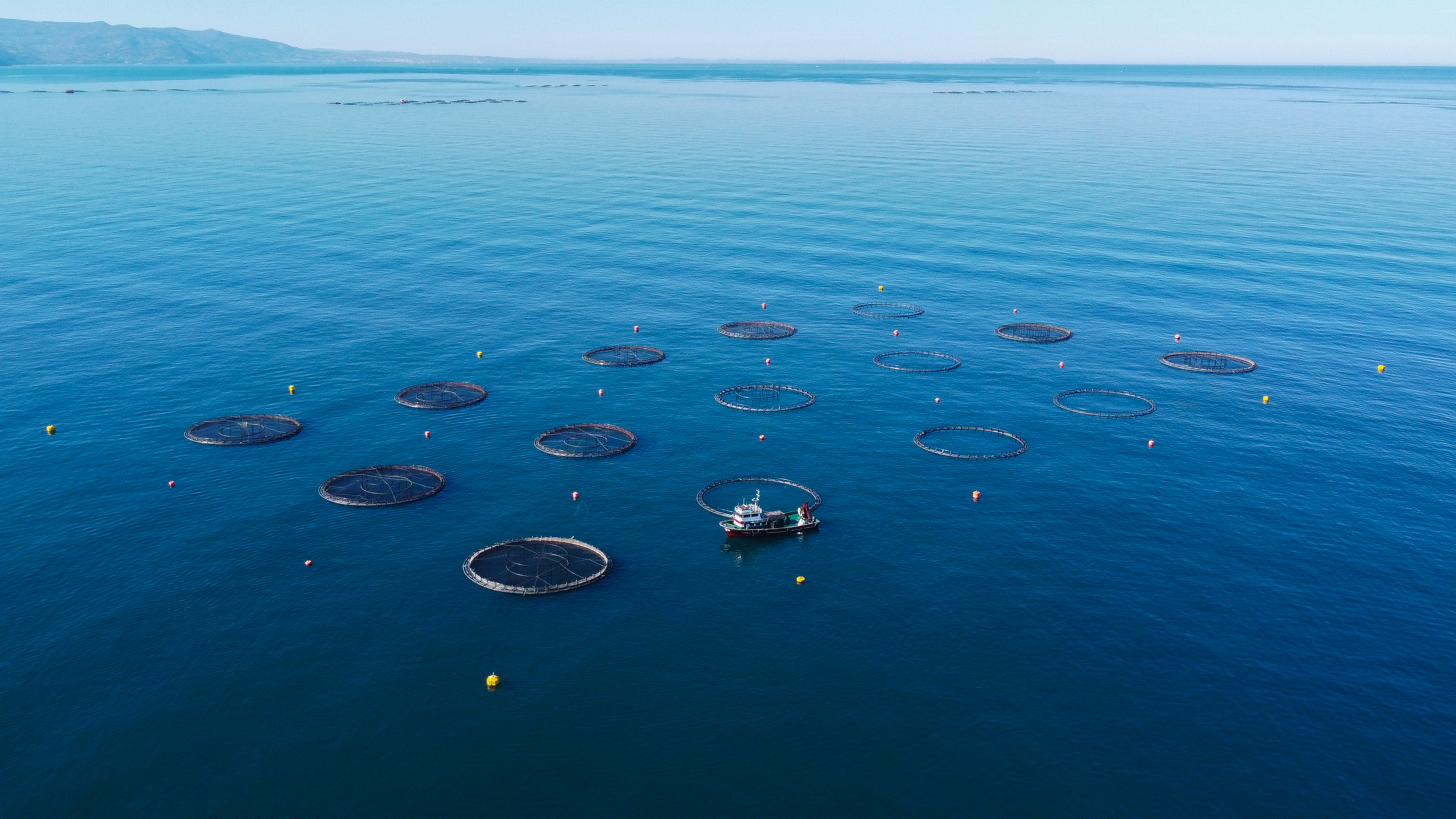
In conclusion, Turkish salmon offers international buyers a distinctive addition to their seafood portfolios. Its adaptable product formats, regional origin, processing options, and potential for organized export programs make it relevant for wholesale, retail, food-service, and value-added processing channels.
Explore related content
Continue with pages and guides that complement this topic.