
Turkish Salmon Color: What Buyers and Chefs Should Know
Turkish salmon, primarily Oncorhynchus mykiss, showcases a range of colors that influence consumer perception and marketability. The distinct shades of pink and orange in its flesh are not only vital for culinary applications but also reflect the quality and production factors of this fish type. From the farming practices to feeding regimens, each element has a significant impact on the appearance of the salmon, making understanding its color essential for buyers and chefs alike. This guide provides an in-depth look at what buyers should know about Turkish salmon color and its implications in both commercial and culinary contexts.
Understanding Turkish Salmon Color
The color of Turkish salmon is influenced by various factors, including natural variation, diet, and production conditions. Natural variations can arise based on genetics and environmental factors during growth. These aspects lead to differences in flesh color, which can range from pale pink to a deeper orange hue. Within aquaculture, the salmon’s diet plays a crucial role; a diet rich in carotenoids, for instance, enhances the salmon’s vividness. Additionally, how salmon is raised—whether in open water or in controlled environments—affects coloration. Lighting during storage and presentation also alters the perceived color, influencing buyer decisions.
When assessing quality, it's essential to differentiate between appearance and actual quality; while vibrant color might suggest freshness, it doesn't always correlate to taste or nutritional value. Buyers should rely on documentation and acceptance ranges rather than solely on color to ensure they are receiving quality fish that meets their needs. This understanding of Turkish salmon color not only helps chefs select the right salmon for their culinary creations but also aids in setting customer expectations and acceptance standards in the marketplace.
Natural Variation
Color differences can arise from genetics and the environment, leading to varied shades in the same species.
Diet and Production Factors
Feeding salmon carotenoid-rich diets enhances color vibrancy, vital for market appeal.
Product Condition and Lighting
Lighting affects color perception, impacting decision-making for buyers in presentation contexts.
What Buyers Should Check Before Ordering
A professional Turkish salmon purchase begins with a detailed written specification. Buyers should confirm the species, farming origin, harvest or production information, product form, size range, trim, skin and pin-bone requirements, packaging, storage conditions, shelf life and delivery temperature. They should also review the processing facility’s approvals, food-safety system, traceability procedure and documents required by the destination country. Photographs and samples are helpful, but they do not replace agreed tolerances and inspection criteria. Commercial terms should define net weight, glazing where relevant, carton configuration, labeling language, claims, lead time and the process for reporting non-conformities. Careful specification work protects both supplier and customer.
From Freshwater Farms to the Black Sea
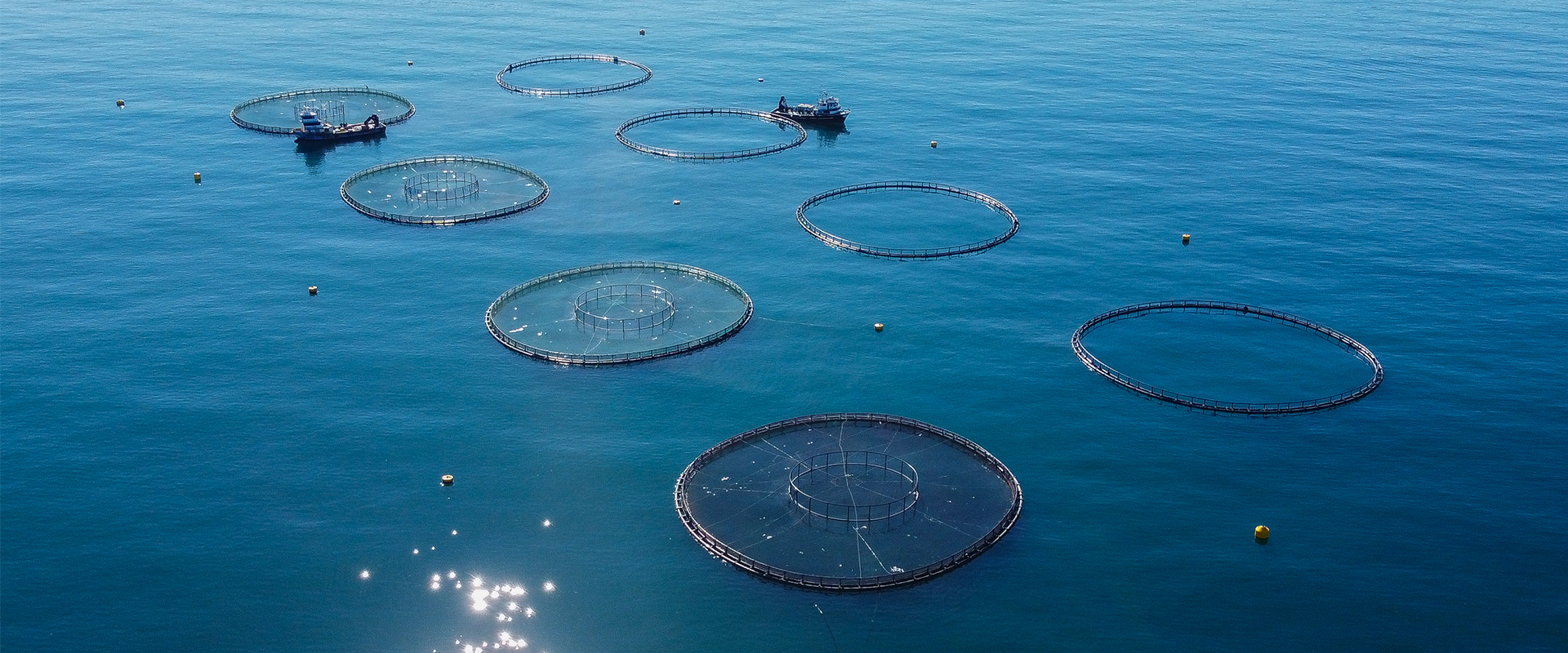
A typical Turkish salmon production cycle begins in freshwater, where rainbow trout are raised through their early growth stages under monitored farming conditions. Selected fish may later be transferred to marine cages in the Black Sea, where cool water and carefully managed feeding support further growth before harvest. The exact cycle, transfer timing and harvest window differ among producers and locations, so buyers should request farm-specific information when planning a program. This combination of freshwater expertise and marine farming has helped create a product with a substantial body size and versatile fillet yield. Throughout the cycle, water quality, stocking density, fish health, feed management and handling practices directly influence final quality.
Custom Sizing for Target Markets
Turkish salmon export programs can be planned around preferred weight ranges and product specifications, subject to availability and production conditions. This allows buyers to match fish sizes with local consumer habits, menu requirements, processing yields, or retail display standards instead of accepting a one-size-fits-all purchasing model.
Opportunity for Premium Presentation
Careful grading, clean packaging, accurate labeling, and a clear origin message can support premium positioning for Turkish salmon. Importers may use these elements to strengthen shelf presentation, menu descriptions, and customer communication, particularly in markets where consumers value product provenance and professional seafood handling.
Supports Year-Round Menu Planning
With an agreed supply program, Turkish salmon can help food-service buyers plan recurring menu items and promotional periods more confidently. Consistent specifications and scheduled deliveries support recipe standardization, portion control, purchasing forecasts, and kitchen operations across restaurants, hotels, and catering businesses.
Flexible Distribution Channel Use
The same Turkish salmon product family can be allocated across wholesale, retail, food service, processing, and online sales channels. This enables importers to use their existing distribution network efficiently while adjusting formats and packaging to the needs of different customer groups.
Whole Fish Export Format
Turkish salmon can be supplied as whole fish for buyers who prefer to handle cutting, filleting, or portioning within their own facilities. This format is suitable for seafood wholesalers, fish markets, and processors seeking maximum control over yield, presentation, and downstream product development.
Ready-to-Cook Product Development
Turkish salmon can be incorporated into ready-to-cook recipes such as seasoned fillets, tray-bake meals, skewers, or marinated portions. This usage fits manufacturers and retailers developing convenient seafood products for consumers who want quick preparation with clear cooking instructions.
Primary Processing
Depending on the order, Turkish salmon proceeds through the required operations, which may include gutting, heading, filleting, trimming, deboning, or portion cutting. Processing teams follow the confirmed specification so the final format matches the intended wholesale, retail, food-service, or industrial use.
Destination Receiving Procedure
At destination, the buyer verifies shipment identity, case quantities, packaging condition, documents, and product temperature according to internal receiving procedures. Any observation is recorded promptly, and accepted Turkish salmon is transferred to the appropriate chilled or frozen storage area.
Sorting and Grading
Fish are sorted and graded according to the weight ranges and product characteristics agreed for the export order. This application helps create consistent cases and enables the buyer to receive products that are better suited to retail display, restaurant portioning, wholesale sale, or further processing.
Evaluate Export Experience
Experience with international seafood shipments can indicate whether a supplier understands documentation, refrigerated logistics, communication, destination coordination, and order follow-up. Buyers should consider the exporter's relevant market experience and ability to explain how each Turkish salmon shipment will be managed.
Review Quality-Control Procedures
Buyers should ask how the supplier checks raw material, grading, processing, packing, labeling, storage, and final shipment conformity. Understanding these controls helps the importer evaluate whether Turkish salmon orders can be prepared consistently according to agreed commercial specifications.
Use a Trial Order for Validation
Before starting a large recurring program, buyers may use a controlled trial order to evaluate Turkish salmon quality, specification accuracy, packaging, labeling, documentation, transit performance, and customer response. The results provide practical evidence for refining future orders and establishing long-term supply conditions.
Quality Checks at Receiving
Incoming Turkish salmon can be checked for batch identity, size, general appearance, temperature, and production information before processing begins. Documented receiving controls help prevent unsuitable raw material from continuing through the production line and support a more reliable finished product.
Responsive Issue Management
When a buyer reports a documented concern, a reliable exporter reviews batch records, shipment information, photographs, receiving data, and relevant process controls. A clear investigation and corrective-action approach helps resolve problems and reduce the chance of recurrence in future Turkish salmon orders.
Sea Freight for Regional Distribution
Sea freight may be evaluated for suitable frozen or larger-volume Turkish salmon shipments, depending on route availability and destination requirements. Importers should coordinate container conditions, port procedures, transit schedules, customs clearance, and onward refrigerated delivery before selecting this option.

Frequently Asked Questions
Can Turkish salmon carry the buyer's barcode?
A buyer-provided barcode can be included when supported by the packaging program. The buyer remains responsible for supplying the correct code and associated product data, while both parties should verify placement, print quality, pack size, and label version before production.
Which Incoterms can be used for Turkish salmon?
Available Incoterms depend on the exporter, buyer, transport mode, destination, and commercial agreement. Both parties should confirm the named place and understand responsibility for freight, insurance, clearance, local charges, risk transfer, and final delivery before signing the order.
Can Turkish salmon be shipped without pallets?
Floor-loaded or non-palletized arrangements may be possible for certain refrigerated shipments, subject to product packaging, transport equipment, loading method, destination handling, and buyer approval. The agreed loading configuration should appear clearly in shipment planning.
How should a sample be evaluated?
Buyers should assess the sample against written criteria such as format, size, trimming, appearance, packaging, label, preparation performance, yield, and intended customer use. Results should be documented and converted into an approved specification for future commercial orders.
Can Turkish salmon be supplied for further processing?
Whole fish, headed and gutted products, fillets, or other suitable formats may be supplied to processors. The buyer should define intended output, equipment needs, yield expectations, raw-material size, temperature condition, packaging, and delivery frequency.
How is order availability confirmed?
Availability is confirmed after reviewing current stock or production plans, required size, format, quantity, packaging, target shipment date, and destination. A written confirmation or accepted order document should be obtained before the buyer makes downstream sales commitments.
How far in advance should an order be placed?
Required notice depends on product availability, harvest and processing schedules, packaging materials, private-label preparation, order volume, documentation, and freight capacity. Buyers should request a lead-time plan and place recurring or promotional orders earlier than standard replenishment orders.
Can mixed-size Turkish salmon orders be arranged?
Mixed-size orders may be possible depending on stock, production planning, minimum quantities, packaging, and shipment configuration. Buyers should list acceptable size groups and volumes separately so the exporter can confirm availability and quote each specification accurately.
What payment terms are available?
Payment terms vary by exporter, buyer history, order size, destination, risk assessment, and commercial agreement. The quotation or contract should clearly state currency, deposit, balance timing, banking details, charges, required documents, and any credit conditions.
Can labels be printed in multiple languages?
Multilingual labels may be prepared when the buyer supplies or approves accurate translations and mandatory destination information. Product identity, net weight, storage condition, batch coding, importer details, barcode, and regulatory statements should be reviewed before printing.

Communication Supports Reliable Delivery
Open communication about product availability, specifications, timelines, documents, and shipment progress helps all parties coordinate their responsibilities. For Turkish salmon buyers, a responsive supplier can be as important as product quality in maintaining dependable supply.
Explore related content
Continue with pages and guides that complement this topic.