

Kıyak Group: A Pioneer in Turkish Salmon Export
The global fish market has seen remarkable changes over the years, with Turkish salmon emerging as a significant player. At the forefront of this surge is Kıyak Group, a prominent Turkish salmon exporter based in Samsun, Turkey. Their commitment to quality and sustainability has led to an increase in the popularity of Turkish salmon among international consumers. Understanding their role in this expanding market is essential for grasping the dynamics of global seafood trading today. As a global supplier, Kıyak Group is not only providing high-quality products but also setting industry standards in fish export.
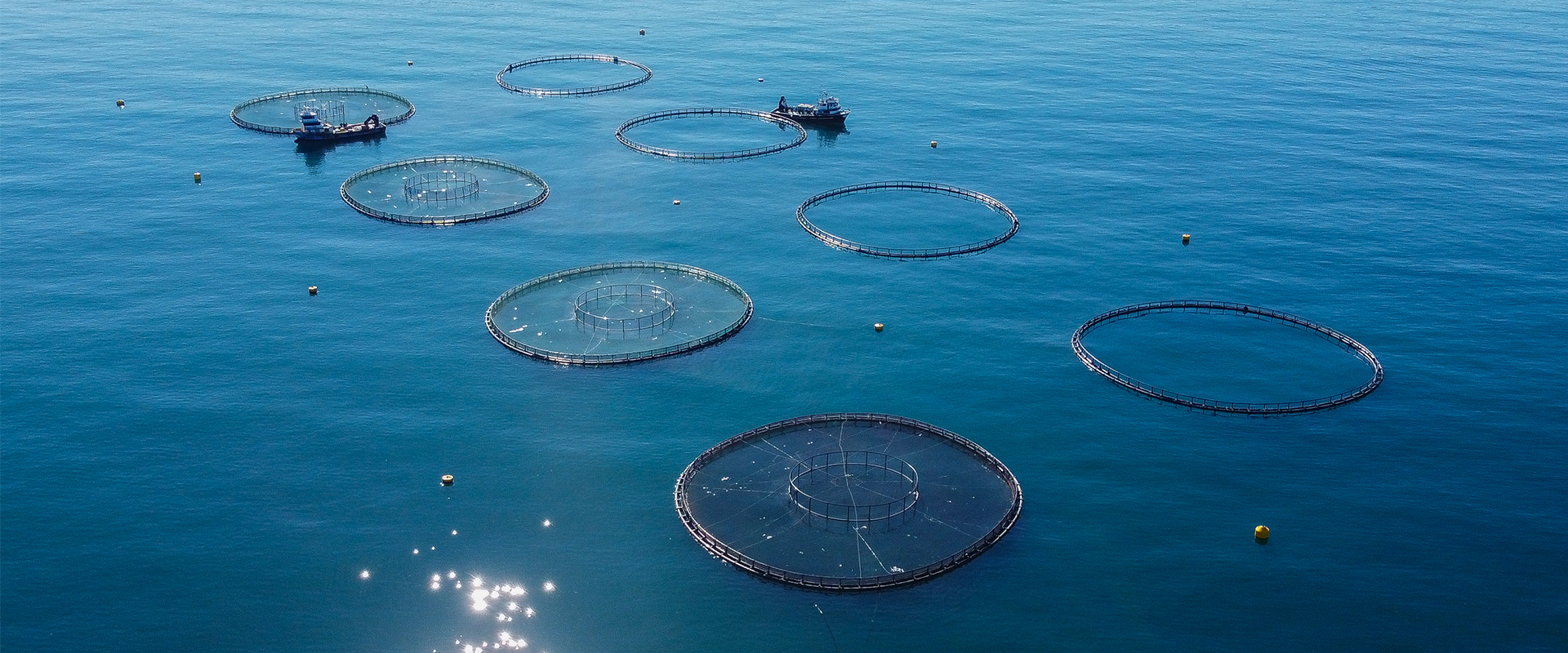
Turkish salmon, known for its rich flavor and high nutritional value, has carved a niche in various international markets. Kıyak Group specializes in enhancing the supply chain of this fish by adhering to strict quality control measures. The company's operations reflect a deep understanding of the fishing industry, emphasizing sustainable practices that ensure ecological balance and meet consumer demands. By investing in modern aquaculture methods, Kıyak Group significantly increases the yield of Turkish salmon, making it more accessible to a global audience.
The rise in popularity of Turkish salmon is attributed to several factors: its exceptional taste, increased awareness of health benefits, and the overall growth in global seafood consumption. By offering frozen and fresh salmon options, Kıyak Group caters to diverse customer preferences.
In addition to meeting the growing demand, Kıyak Group actively participates in international seafood exhibitions and trade fairs. These events provide opportunities to showcase their products and strengthen partnerships with distributors worldwide. By establishing robust logistical frameworks, Kıyak Group ensures timely delivery of quality products, which is crucial for maintaining their competitive edge.
The commitment to excellence has solidified Kıyak Group’s reputation within the seafood industry. As global consumption trends continue to evolve, their role as a leading Turkish salmon exporter positions them favorably to adapt and thrive in the ever-changing market landscape.
Market Growth
The demand for Turkish salmon is increasing due to its premium quality and taste.
Sustainability Practices
Kıyak Group implements eco-friendly practices ensuring sustainable salmon farming.
International Presence
The company actively participates in global seafood events to enhance visibility.
Firm Texture and Versatile Fillets
One of the practical strengths of Turkish salmon is its firm, sliceable flesh, which supports filleting, portioning, smoking and several cooking methods. The flesh color may range across pink and orange tones, while intensity can vary with feed composition, production conditions and the individual fish. A well-handled fillet should have a fresh appearance, an appropriate marine aroma, resilient flesh and packaging that protects the product from dehydration or physical damage. Texture is especially important for chefs and processors because it affects portion consistency, cooking loss and presentation. Clear specifications for fillet weight, trim level, pin bones, skin, glazing and acceptable color range help buyers receive a more consistent product.
Suitable for Value-Added Processing
The versatility of Turkish salmon makes it relevant for businesses producing portions, ready-to-cook products, smoked items, marinated selections, or other value-added seafood lines. Importers and processors can use suitable formats as a base for localized recipes and packaging concepts that respond to changing consumer preferences.
Supports Year-Round Menu Planning
With an agreed supply program, Turkish salmon can help food-service buyers plan recurring menu items and promotional periods more confidently. Consistent specifications and scheduled deliveries support recipe standardization, portion control, purchasing forecasts, and kitchen operations across restaurants, hotels, and catering businesses.
A Versatile Addition to Seafood Portfolios
For importers seeking growth beyond established products, Turkish salmon can add variety without requiring an entirely new sales infrastructure. Its compatibility with wholesale, retail, food-service, and processing channels means buyers can integrate it into existing seafood operations while developing fresh commercial stories and customer offers.
Restaurant and Hotel Menu Supply
Restaurants, hotels, and catering kitchens can use Turkish salmon in breakfast, lunch, dinner, banquet, and buffet applications. The product can support menus ranging from simple grilled portions to premium plated dishes, allowing chefs to adapt recipes to their cuisine style and service format.
Retail-Ready Packaging
Retail-ready Turkish salmon packs can be designed around the buyer's preferred label information, pack weight, and shelf-presentation requirements. This makes the product suitable for supermarket shelves, convenience retail, specialty fish stores, and online grocery channels that need a consumer-facing seafood format.
Primary Processing
Depending on the order, Turkish salmon proceeds through the required operations, which may include gutting, heading, filleting, trimming, deboning, or portion cutting. Processing teams follow the confirmed specification so the final format matches the intended wholesale, retail, food-service, or industrial use.
Labeling and Batch Coding
Each pack is labeled with the agreed commercial and traceability information, such as product name, format, net weight, batch reference, storage condition, production details, and buyer-specific label elements where required. Accurate coding supports warehouse control and product tracking throughout distribution.
Review Quality-Control Procedures
Buyers should ask how the supplier checks raw material, grading, processing, packing, labeling, storage, and final shipment conformity. Understanding these controls helps the importer evaluate whether Turkish salmon orders can be prepared consistently according to agreed commercial specifications.
Examine Traceability Information
Buyers should confirm that the exporter can provide batch identification and relevant production, packing, and shipment records. Effective traceability supports internal quality procedures, stock management, customer inquiries, receiving checks, and the ability to follow Turkish salmon through the distribution chain.
Trial Orders Build Confidence
A controlled trial shipment allows importers to evaluate Turkish salmon specifications, packaging, labeling, documents, transit performance, and market response before committing to larger volumes. The results help both parties refine expectations and establish a practical foundation for recurring trade.
Turkish Salmon Exporter and Global Supplier
Supplier Selection Shapes the Outcome
The success of a Turkish salmon import program is closely linked to supplier capability, communication, quality controls, documentation, and delivery coordination. Buyers should compare total performance rather than relying only on product price or a single shipment promise.
The Rise of Turkish Salmon in the Global Market
Discover the rise and impact of Turkish salmon in the global market, focusing on Kıyak Group as a leading exporter.
Explore related content
Continue with pages and guides that complement this topic.
Questions about this topic
Clear answers to frequently asked questions related to the blog topic.
How long does Turkish salmon delivery take?
Delivery time depends on production preparation, processing, packaging, documentation, freight booking, origin, destination, customs procedures, and transport mode. Buyers should request a realistic lead-time estimate for the exact order rather than relying on a general delivery figure.
Can Turkish salmon orders be traced by batch?
Export programs can include batch identifiers and related production, packing, and shipment records. Buyers should confirm the supplier's traceability system and specify which information must appear on labels, documents, cases, and internal receiving records.
Is Turkish salmon available fresh or frozen?
Turkish salmon may be available in fresh, chilled, or frozen presentations depending on production, processing, destination, and supplier programs. The best option depends on transit time, cold-storage capacity, inventory turnover, customer expectations, and the intended wholesale, retail, food-service, or processing use.
How should buyers choose a Turkish salmon size?
Buyers should match fish, fillet, or portion sizes with their sales channel and operational needs. Retail pack plans, restaurant serving sizes, display preferences, processing yield, customer habits, and available production ranges should be reviewed before confirming the order specification.
Is private-label Turkish salmon available?
Private-label programs may be arranged with exporters that support customized packaging and labeling. Buyers should provide brand assets, required language, barcode information, product naming, pack size, destination rules, approval process, and expected volume early in the planning stage.