

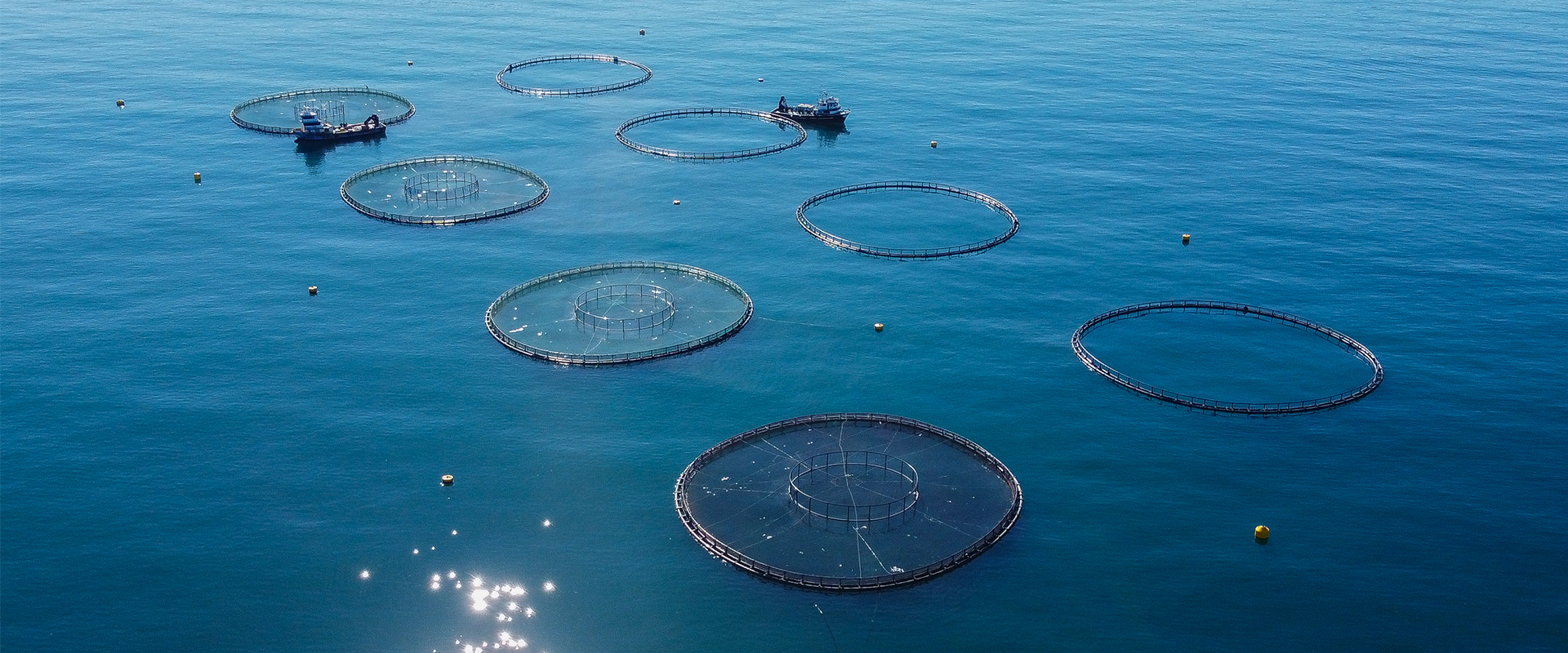
Navigating the Landscape of Global Trade for Turkish Salmon
The Turkish salmon export market is rapidly growing, offering opportunities for businesses to tap into an evolving demand worldwide. However, navigating this marketplace comes with challenges that can significantly impact profitability. Recognizing common mistakes made during international trade can help improve outcomes for exporters. This guide delves into the various pitfalls associated with exporting fresh and frozen Turkish salmon and how to avoid them, ensuring a smoother journey in global trade dealings. Understanding these elements can make all the difference in securing partnerships and maintaining robust supply chains.
One prevalent mistake in the fresh and frozen Turkish salmon export sector is the underestimation of regulatory compliance. Exporters often overlook permits, certifications, and international trade regulations, leading to delays or product rejection at borders. Additionally, misjudgment in market research can result in targeting the wrong demographics or mishandling pricing strategies. Failing to establish a strong distribution network can hamper timely delivery, affecting customer satisfaction and long-term relationships. Seasonal fluctuations in demand should also be factored into production and shipment schedules to avoid surplus or shortages. Monitoring competitor practices and adjusting strategies accordingly can foster resilience. Businesses must be diligent in maintaining quality control to uphold their reputation in the market. By addressing these areas, exporters can mitigate risks and elevate their operations in the global landscape. Ultimately, a strategic mindset focused on learning from these common missteps lays the foundation for successful export practices, ensuring that fresh and frozen Turkish salmon finds its rightful place in international markets.
Regulatory Compliance Pitfalls
Overlooking necessary permits and certifications leads to delays and product rejections.
Market Research Importance
Misjudging target demographics can hinder effective pricing and marketing strategies.
Distribution Network Strength
A weak distribution system results in delivery issues that impact customer satisfaction.
Retail Presentation and Consumer Communication
In retail, Turkish salmon can be positioned as whole fish, chilled fillets, frozen portions, marinated items or smoked products. Clear labeling should identify the legally required species information, production method, origin, storage instructions, net quantity, date information and other details required in the destination market. Transparent communication is particularly important because the commercial term Turkish salmon may be unfamiliar to some consumers. Packaging should protect the fish, support temperature control and make the cut and portion size easy to understand. Recipe suggestions, cooking guidance and flavor pairings can reduce hesitation at the point of sale, but claims about nutrition, sustainability or certification should only be used when supported by approved documentation.
Competitive Value for Importers
Turkish salmon can offer importers a useful balance between product quality, commercial positioning, and procurement flexibility. This value proposition allows wholesalers and retailers to build attractive seafood ranges without relying on a single origin, while creating room for different pack sizes, customer groups, and price points within their market strategy.
Strong Potential for Private-Label Programs
Exporters can prepare Turkish salmon for private-label projects according to the buyer's packaging, sizing, labeling, and market-positioning requirements. This creates an advantage for supermarket groups and seafood brands that want a differentiated product line while maintaining control over how the product is presented to consumers in their target market.
Distinctive Market Positioning
Turkish salmon provides distributors with a product story that can stand apart from standard salmon offerings. Its Turkish origin, aquaculture background, and suitability for multiple culinary uses can support differentiated communication in catalogs, menus, retail displays, and digital campaigns, helping buyers create stronger product recognition in their local market.
Smoked Salmon Production Use
Suitable Turkish salmon formats can be supplied to processors producing smoked seafood lines. Fillets or selected cuts may be used as a raw material for hot-smoked or cold-smoked concepts, depending on the processor's recipe, equipment, food-safety controls, and target-market standards.
Headed and Gutted Processing
Headed and gutted Turkish salmon offers a practical format for customers who want a cleaner, ready-for-further-processing product. It can be used by distributors and food-service suppliers that need to reduce preparation time while preserving flexibility for local filleting, smoking, marinating, or retail counter presentation.
Packaging Preparation
Packaging materials are selected according to the product format, temperature condition, case size, buyer requirements, and transport plan. Packs are assembled to protect the Turkish salmon during handling while supporting efficient stacking, storage, identification, and receiving at the destination.
Production and Harvest Planning
The supplier coordinates production availability and harvest timing with the requested shipment window. Planning considers fish size, processing capacity, packaging materials, cold-storage availability, and transport arrangements, helping the export order move through each stage without avoidable interruption.
Check Order Flexibility
Buyers should review minimum quantities, mixed-size availability, packaging options, trial-order possibilities, production scheduling, and the process for changing specifications. Flexible arrangements can be valuable when introducing Turkish salmon to a new market or supplying several customer groups from one shipment.
Confirm Processing Specifications
Importers should define requirements for heading, gutting, filleting, trimming, pin-bone removal, skin condition, portion cutting, or other processing details. Precise instructions reduce interpretation differences and help ensure that Turkish salmon arrives ready for the buyer's intended retail, food-service, or industrial application.
Responsive Issue Management
When a buyer reports a documented concern, a reliable exporter reviews batch records, shipment information, photographs, receiving data, and relevant process controls. A clear investigation and corrective-action approach helps resolve problems and reduce the chance of recurrence in future Turkish salmon orders.
Fresh and Frozen Turkish Salmon Export
Communication Supports Reliable Delivery
Open communication about product availability, specifications, timelines, documents, and shipment progress helps all parties coordinate their responsibilities. For Turkish salmon buyers, a responsive supplier can be as important as product quality in maintaining dependable supply.
The Impact of Global Trade on Turkish Salmon Exports
Explore the challenges and pitfalls in the fresh and frozen Turkish salmon export market. Learn from common mistakes and thrive in global trade.
Explore related content
Continue with pages and guides that complement this topic.
Questions about this topic
Clear answers to frequently asked questions related to the blog topic.
Is Turkish salmon available fresh or frozen?
Turkish salmon may be available in fresh, chilled, or frozen presentations depending on production, processing, destination, and supplier programs. The best option depends on transit time, cold-storage capacity, inventory turnover, customer expectations, and the intended wholesale, retail, food-service, or processing use.
Is private-label Turkish salmon available?
Private-label programs may be arranged with exporters that support customized packaging and labeling. Buyers should provide brand assets, required language, barcode information, product naming, pack size, destination rules, approval process, and expected volume early in the planning stage.
Which Turkish salmon products can be exported?
Depending on supplier capability, Turkish salmon may be offered as whole fish, headed and gutted fish, fillets, portions, fresh or chilled products, and frozen formats. Buyers should request a current product list and confirm available sizes, cuts, trimming, skin condition, packaging, and order quantities.
How long does Turkish salmon delivery take?
Delivery time depends on production preparation, processing, packaging, documentation, freight booking, origin, destination, customs procedures, and transport mode. Buyers should request a realistic lead-time estimate for the exact order rather than relying on a general delivery figure.
How can buyers request a Turkish salmon quotation?
Buyers should share destination, required product format, fresh or frozen condition, size range, processing details, estimated quantity, packaging, labeling, preferred delivery term, target date, and documentation needs. Complete information allows the exporter to prepare a more accurate and commercially relevant quotation.