

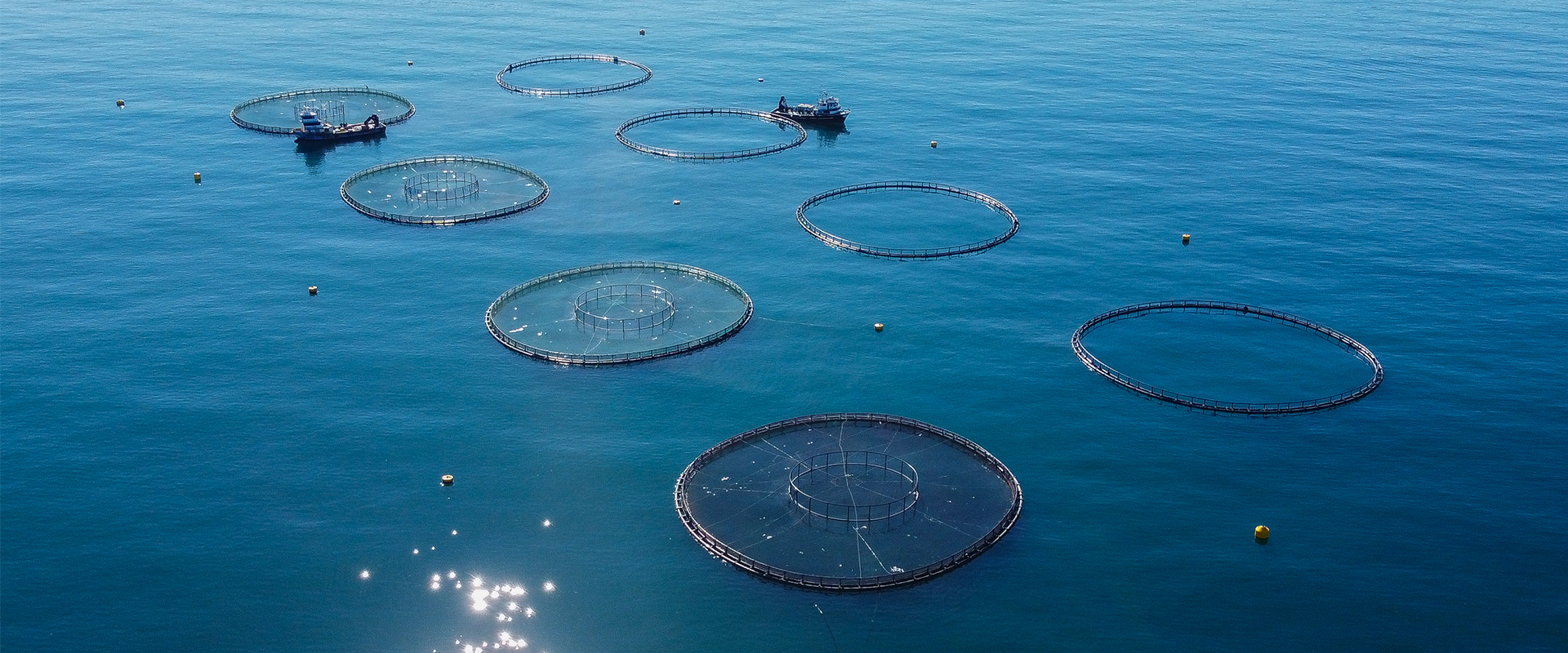
Emerging Trends in Turkish Salmon Export
The Turkish salmon export sector is witnessing significant transformations that reflect global market dynamics. As international preferences shift and sustainability becomes a focal point, Turkey positions itself as a viable player in the global fish export industry. The rising demand for high-quality salmon offers intriguing opportunities for suppliers, particularly for companies like Kıyak Group, which specializes in premium Turkish salmon, sourced and processed with stringent quality controls. Understanding these trends is crucial for buyers looking to meet their seafood sourcing needs effectively.
With the growing awareness about health benefits associated with seafood consumption, the demand for salmon is on the rise. As a result, Turkish salmon exporters are adapting to meet international standards, bringing innovation into their processes. Kıyak Group, based in Samsun, plays a pivotal role in this landscape by ensuring that their products adhere to the highest quality benchmarks. Innovations in farming practices and sustainable harvesting techniques are crucial strategies employed by Kıyak Group to enhance product quality and minimize environmental impacts. Furthermore, market trends indicate a shift towards frozen and processed fish products, which cater to busy consumers seeking convenience without compromising on health. Buyers engaging with suppliers like Kıyak Group can expect not only premium products but also adaptable solutions tailored to the evolving market demands. By prioritizing traceability and sustainability, Turkish salmon producers are set to compete effectively on international fronts, making Turkish salmon a preferred choice among global consumers.
Rising Demand for Sustainable Seafood
The increasing consumer preference for sustainable and responsibly sourced seafood is shaping production methods.
Quality Control and Standards
Turkish salmon producers are implementing rigorous quality control processes to ensure compliance with international standards.
Product Innovation
Innovations in processing methods and product offerings are becoming essential for attracting international buyers.
Smoked Turkish Salmon as a Value-Added Product
Smoking can transform Turkish salmon into a value-added product with a concentrated aroma, attractive slicing characteristics and broad menu potential. Depending on the approved process, smoked fish may be presented in sliced retail packs, breakfast dishes, sandwiches, salads, canapés or appetizer plates. Salt level, smoke intensity, moisture, slice thickness and packaging all influence consumer acceptance. Because smoked seafood is a ready-to-eat or minimally prepared category in many applications, processors and buyers must pay close attention to hygienic production, temperature control, shelf-life validation and label instructions. The specific product should be evaluated on its own technical documentation rather than assuming that all smoked formats have the same handling requirements.
Strong Potential for Private-Label Programs
Exporters can prepare Turkish salmon for private-label projects according to the buyer's packaging, sizing, labeling, and market-positioning requirements. This creates an advantage for supermarket groups and seafood brands that want a differentiated product line while maintaining control over how the product is presented to consumers in their target market.
Strategic Access to International Seafood Markets
Turkish salmon export gives seafood buyers access to a distinctive product from Türkiye's expanding aquaculture sector. Its positioning between familiar salmon categories and regional seafood traditions can help importers diversify their assortments, reach new customer segments, and present an appealing alternative in competitive retail, food-service, and wholesale markets.
Scalable Orders for Growing Demand
Turkish salmon export partnerships can be structured to develop alongside the buyer's sales volume. Starting with defined trial specifications and moving toward recurring programs allows importers to test market response, refine packaging or sizing, and scale procurement more carefully as demand becomes established.
Traceable Batch Identification
Each shipment can be organized with batch-level identifiers and supporting commercial documentation to help buyers follow product movement through their supply chain. This feature can be used for warehouse control, quality checks, stock rotation, customer inquiries, and internal traceability procedures.
Documentation for Import Coordination
Turkish salmon export orders can be accompanied by the commercial and shipping documents agreed for the destination market. Importers use these records to coordinate with freight forwarders, customs brokers, receiving teams, and regulatory processes, making the transfer from exporter to local distribution more organized.
Buyer Requirement Assessment
The Turkish salmon export process begins by reviewing the buyer's destination, preferred product format, size range, order volume, packaging, delivery schedule, and documentation needs. Recording these requirements clearly helps the exporter prepare an accurate offer and align production planning with the importer's commercial expectations.
Export Document Preparation
The exporter prepares the commercial invoice, packing list, shipment records, certificates, and other documents agreed for the destination. Document details are cross-checked against the actual order so the importer, freight forwarder, customs broker, and receiving team work from consistent shipment information.
Verify Label Requirements
Before ordering, the buyer should provide the required label language, product name, net weight, storage instruction, batch details, barcode, importer information, and market-specific statements. Confirming these elements early helps prevent relabeling work and supports smoother Turkish salmon distribution after arrival.
Use a Trial Order for Validation
Before starting a large recurring program, buyers may use a controlled trial order to evaluate Turkish salmon quality, specification accuracy, packaging, labeling, documentation, transit performance, and customer response. The results provide practical evidence for refining future orders and establishing long-term supply conditions.
Accurate Label and Batch Coding
Correct product names, weights, batch references, storage instructions, and buyer-specific label details support transparent distribution. Accurate Turkish salmon labeling reduces receiving confusion, improves warehouse control, and helps products remain identifiable through retail, food-service, and processing channels.
Turkish Salmon Export Solutions for International Buyers
A Balanced Sourcing Alternative
Turkish salmon can provide importers with an additional sourcing origin and help diversify established seafood portfolios. Its value should be assessed through product suitability, supplier performance, logistics reliability, documentation, and market response rather than origin alone.
The Future of Turkish Salmon Export: Trends and Predictions
Explore the evolving trends in Turkish Salmon export and how Kıyak Group is positioned to meet international buyer demands.
Explore related content
Continue with pages and guides that complement this topic.
Questions about this topic
Clear answers to frequently asked questions related to the blog topic.
Can Turkish salmon be supplied as fillets or portions?
Yes, fillets and portion-controlled cuts may be available when supported by the exporter and processor. Buyers should define dimensions, weight range, trimming, skin preference, bone-removal requirement, packing method, and intended use so the supplier can confirm feasibility and availability.
Can Turkish salmon packaging be customized?
Packaging may be customized for suitable orders based on supplier capability, volume, product condition, and buyer requirements. Options can include case size, retail packs, private-label artwork, language details, barcode placement, pack weight, and agreed commercial or traceability information.
How is Turkish salmon kept cold during export?
Exporters coordinate chilled or frozen storage, refrigerated loading, temperature-controlled transport, and destination delivery according to the selected product condition. Buyers should also ensure that customs, receiving, warehouse, and local distribution partners can maintain the required cold chain after arrival.
Can Turkish salmon shipments be scheduled regularly?
Recurring programs may be arranged when the exporter and buyer agree on specifications, forecast volumes, production timing, shipment windows, transport, documentation, and communication procedures. Regular planning can support retail replenishment, food-service supply, promotions, and processing schedules.
What is Turkish salmon?
Turkish salmon is a salmon-category aquaculture product associated with production and processing in Türkiye, particularly within the broader Black Sea supply context. Export specifications can vary by producer, so buyers should confirm species information, origin, product format, size, processing details, and supporting documents for each order.