

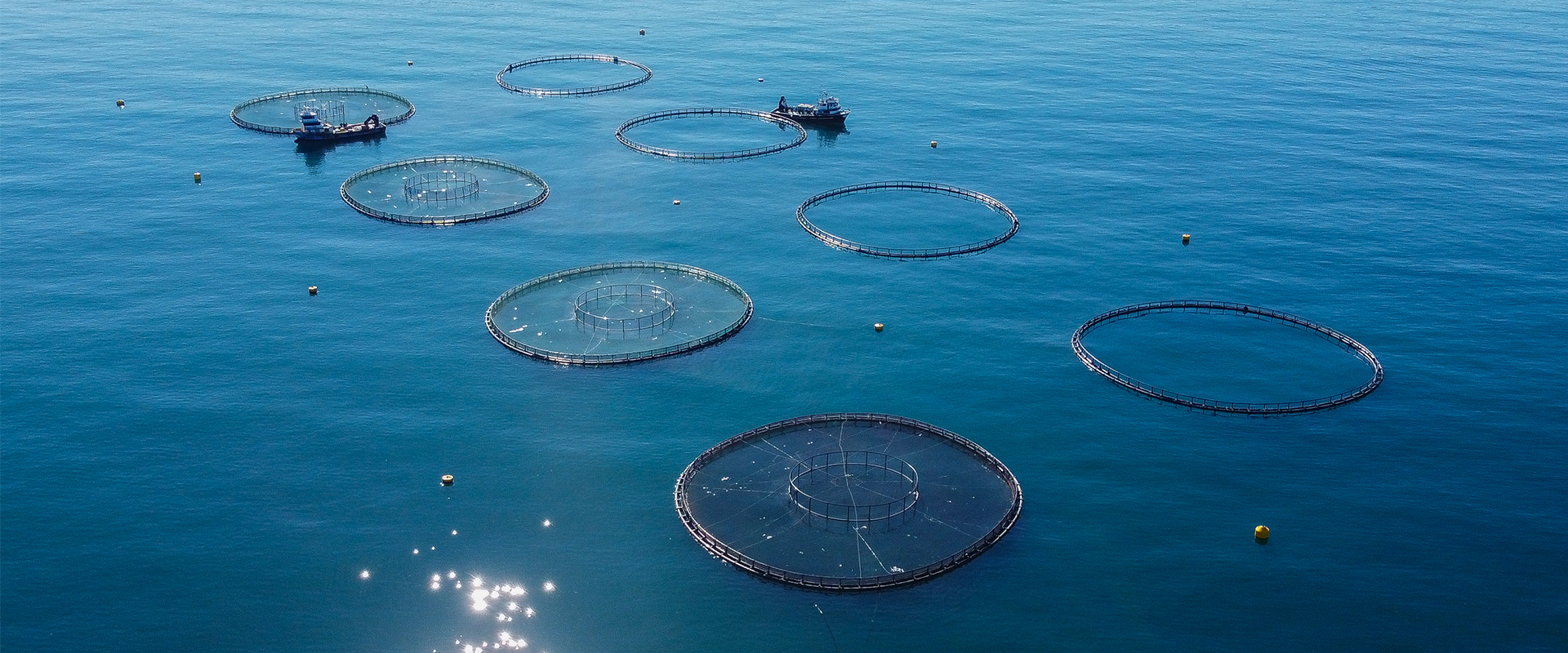
Sustainable Practices in Turkish Salmon Farming and Export
Sustainability is becoming increasingly vital in the fishing industry, especially for Turkish salmon farming. Producers must not only focus on yield but also on environmental impact. Kıyak Group, based in Samsun, Turkey, exemplifies these sustainable practices, which are crucial for maintaining the quality and reputation of Turkish fish exports. Understanding and addressing common pitfalls in sustainable practices is essential for success in this competitive market. This article explores these aspects, emphasizing sustainable practices and the BlackSea export landscape.
One significant mistake in the salmon farming sector is neglecting the ecological footprint. Overfishing and poor management can lead to detrimental effects not only on the fish populations but also on surrounding ecosystems. It’s imperative to adopt responsible sourcing of fish feed, prioritize breeding programs that enhance fish health, and utilize technology for monitoring water quality. Many producers also overlook the importance of traceability in the supply chain. Ensuring that customers know the origin of their fish reinforces trust and accountability, which are crucial in today’s market. Furthermore, regulatory compliance can be overlooked in the rush to export. Following national and international guidelines not only ensures quality but also helps avoid legal repercussions. By addressing these mistakes, Turkish salmon farming can thrive, positioning the country as a leader in sustainable seafood exports to the global market, particularly in BlackSea export initiatives. Emphasizing environmentally friendly practices strengthens brand reputation and improves market access, catering to increasingly eco-conscious consumers.
Ecological Impact Awareness
Farming practices must account for the ecological footprint to avoid long-term damage to marine ecosystems.
Importance of Traceability
Traceability from farm to table enhances consumer trust and ensures product integrity.
Regulatory Compliance
Adhering to regulations is crucial for maintaining quality standards and avoiding legal issues.
Smoked Turkish Salmon as a Value-Added Product
Smoking can transform Turkish salmon into a value-added product with a concentrated aroma, attractive slicing characteristics and broad menu potential. Depending on the approved process, smoked fish may be presented in sliced retail packs, breakfast dishes, sandwiches, salads, canapés or appetizer plates. Salt level, smoke intensity, moisture, slice thickness and packaging all influence consumer acceptance. Because smoked seafood is a ready-to-eat or minimally prepared category in many applications, processors and buyers must pay close attention to hygienic production, temperature control, shelf-life validation and label instructions. The specific product should be evaluated on its own technical documentation rather than assuming that all smoked formats have the same handling requirements.
Supports Year-Round Menu Planning
With an agreed supply program, Turkish salmon can help food-service buyers plan recurring menu items and promotional periods more confidently. Consistent specifications and scheduled deliveries support recipe standardization, portion control, purchasing forecasts, and kitchen operations across restaurants, hotels, and catering businesses.
Custom Sizing for Target Markets
Turkish salmon export programs can be planned around preferred weight ranges and product specifications, subject to availability and production conditions. This allows buyers to match fish sizes with local consumer habits, menu requirements, processing yields, or retail display standards instead of accepting a one-size-fits-all purchasing model.
Suitable for Value-Added Processing
The versatility of Turkish salmon makes it relevant for businesses producing portions, ready-to-cook products, smoked items, marinated selections, or other value-added seafood lines. Importers and processors can use suitable formats as a base for localized recipes and packaging concepts that respond to changing consumer preferences.
Cold-Chain Shipment Handling
Turkish salmon export is supported by temperature-controlled handling during packing, storage, transport, and delivery coordination. This feature is essential for buyers using fresh or chilled products, as it helps maintain the intended product condition from the exporter to the destination's receiving and storage facilities.
Bulk Packaging for Distributors
For wholesale and distribution operations, Turkish salmon may be supplied in bulk packaging that supports efficient handling in cold stores and distribution centers. Buyers can then allocate product to restaurants, seafood shops, retailers, or processors according to local demand and their own repacking capabilities.
Fresh Product Chilling
Fresh Turkish salmon is chilled through the facility's approved temperature-control process before packing and dispatch. Maintaining suitable product conditions during this stage supports cold-chain continuity and prepares the shipment for refrigerated storage and international transportation.
Product Specification Confirmation
Before production starts, the exporter and buyer confirm the agreed specification for whole fish, headed and gutted fish, fillets, portions, fresh or frozen presentation, weight range, trimming, glazing where applicable, and packing method. This confirmation becomes the operational reference for preparing and checking the order.
Compare Delivery Lead Times
The expected time for production, packing, documentation, transport booking, and international transit should match the buyer's inventory plan. Importers should compare realistic lead times rather than only shipment speed, because dependable Turkish salmon replenishment requires coordination across the complete supply chain.
Clarify Incoterms and Responsibilities
The buyer and exporter should agree on the delivery term and clearly understand who manages freight, insurance, export clearance, import clearance, local charges, and final delivery. This selection criterion allows Turkish salmon offers to be compared on the same commercial basis and reduces responsibility disputes.
Accurate Label and Batch Coding
Correct product names, weights, batch references, storage instructions, and buyer-specific label details support transparent distribution. Accurate Turkish salmon labeling reduces receiving confusion, improves warehouse control, and helps products remain identifiable through retail, food-service, and processing channels.
Turkish Salmon BlackSea Export
A Balanced Sourcing Alternative
Turkish salmon can provide importers with an additional sourcing origin and help diversify established seafood portfolios. Its value should be assessed through product suitability, supplier performance, logistics reliability, documentation, and market response rather than origin alone.
Sustainable Practices in Turkish Salmon Farming and Export
Explore the sustainable practices involved in Turkish salmon farming and the challenges of BlackSea export, ensuring quality and compliance in fish exportation.
Explore related content
Continue with pages and guides that complement this topic.
Questions about this topic
Clear answers to frequently asked questions related to the blog topic.
How is Turkish salmon kept cold during export?
Exporters coordinate chilled or frozen storage, refrigerated loading, temperature-controlled transport, and destination delivery according to the selected product condition. Buyers should also ensure that customs, receiving, warehouse, and local distribution partners can maintain the required cold chain after arrival.
Can Turkish salmon be supplied as fillets or portions?
Yes, fillets and portion-controlled cuts may be available when supported by the exporter and processor. Buyers should define dimensions, weight range, trimming, skin preference, bone-removal requirement, packing method, and intended use so the supplier can confirm feasibility and availability.
Can Turkish salmon packaging be customized?
Packaging may be customized for suitable orders based on supplier capability, volume, product condition, and buyer requirements. Options can include case size, retail packs, private-label artwork, language details, barcode placement, pack weight, and agreed commercial or traceability information.
Which Turkish salmon products can be exported?
Depending on supplier capability, Turkish salmon may be offered as whole fish, headed and gutted fish, fillets, portions, fresh or chilled products, and frozen formats. Buyers should request a current product list and confirm available sizes, cuts, trimming, skin condition, packaging, and order quantities.
How can buyers request a Turkish salmon quotation?
Buyers should share destination, required product format, fresh or frozen condition, size range, processing details, estimated quantity, packaging, labeling, preferred delivery term, target date, and documentation needs. Complete information allows the exporter to prepare a more accurate and commercially relevant quotation.