
Skinless Turkish Salmon Fillets for Wholesale Buyers
Kıyak Group specializes in providing high-quality skinless Turkish salmon fillets to wholesalers around the globe. Sourced from the pristine waters of Türkiye, our skinless salmon offers exceptional taste and texture, making it an ideal choice for restaurants and retailers alike. With a commitment to sustainable aquaculture, we ensure our products meet the highest standards of quality and freshness, supported by our advanced processing capabilities and export-ready packaging. As buyers search for reliable seafood suppliers, Kıyak Group stands out in the international market with its dedication to quality and customer satisfaction.
Wholesale Skinless Turkish Salmon Fillets
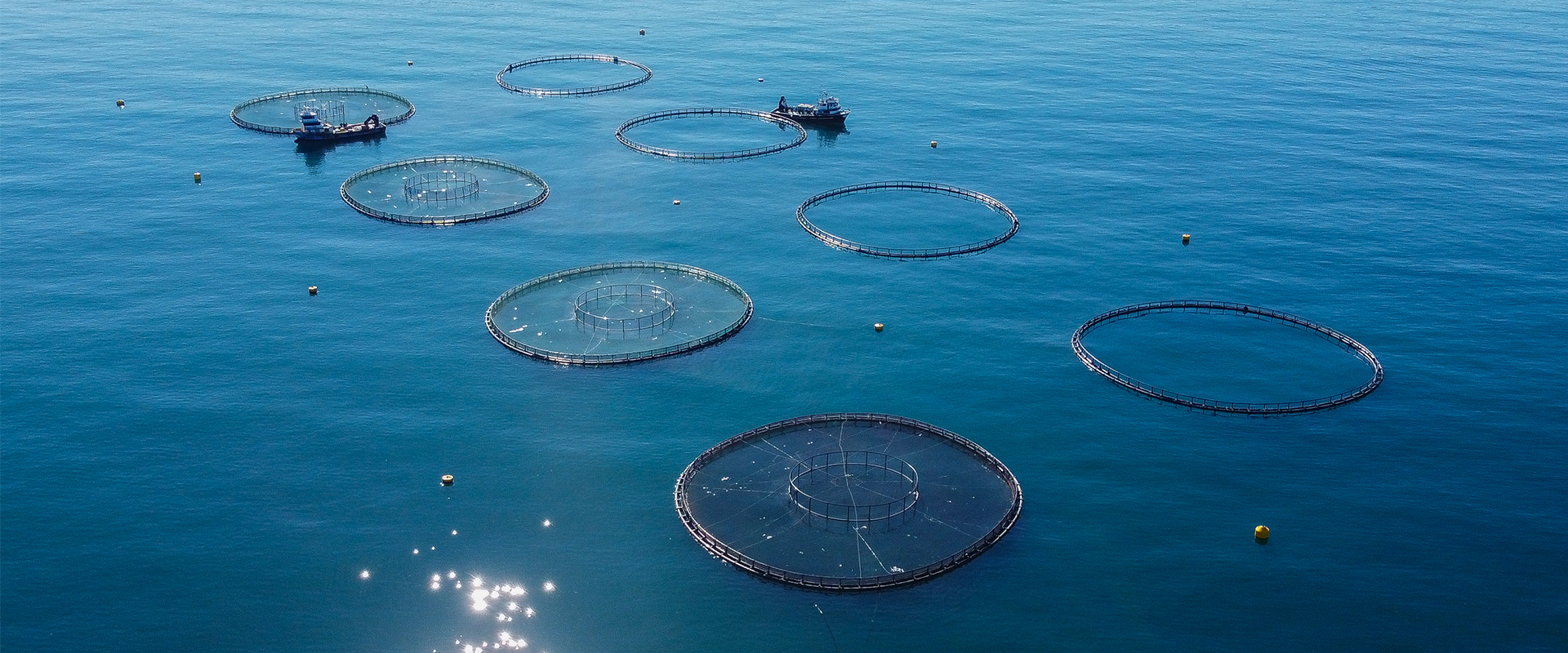
Our skinless Turkish salmon fillets are derived from the renowned Oncorhynchus mykiss, commonly known as large rainbow trout. Known for its rich flavor and firm texture, this fish is responsibly farmed along the Black Sea. When purchasing skinless salmon fillets, it's essential to understand key specifications:
1. **Skin Removal and Trim Expectations**: Our fillets go through a meticulous process to ensure clean skin removal, resulting in high-quality, visually appealing portions.
2. **Bone Status**: We offer boneless fillets, ensuring a safe and convenient experience for end-users.
3. **Surface Quality**: Each fillet is inspected for surface quality to guarantee that it meets our high standards, resulting in minimal imperfections.
4. **Sizing**: We provide various sizing options to cater to diverse market needs, ensuring consistency and availability.
5. **Packing**: Our export-ready packaging maintains freshness during transport, suitable for both retail and foodservice applications.
6. **Yield**: Optimal yield ratios are achieved through our processing methods, maximizing the meat to bone ratio.
7. **Retail and Foodservice Applications**: Suitable for restaurants, grocery stores, and food service businesses, our salmon fillets can be utilized in various culinary creations.
8. **Quality Acceptance**: We adhere to strict quality control measures, ensuring that every batch meets the specifications expected by our clients.
Kıyak Group is more than just a supplier; we are partners in ensuring your seafood offerings are both premium and sustainable, supporting your business's growth and success globally. Connect with us to explore how our skinless Turkish salmon fillets can enhance your product line.
High-Quality Sourcing
Our skinless Turkish salmon is sourced from sustainable practices in Türkiye's Black Sea.
Meticulous Processing
Skin removal and trimming processes ensure top-quality fillets ready for the market.
Flexible Sizing Options
We provide a variety of sizes to meet different customer needs and culinary applications.
Smoked Turkish Salmon as a Value-Added Product
Smoking can transform Turkish salmon into a value-added product with a concentrated aroma, attractive slicing characteristics and broad menu potential. Depending on the approved process, smoked fish may be presented in sliced retail packs, breakfast dishes, sandwiches, salads, canapés or appetizer plates. Salt level, smoke intensity, moisture, slice thickness and packaging all influence consumer acceptance. Because smoked seafood is a ready-to-eat or minimally prepared category in many applications, processors and buyers must pay close attention to hygienic production, temperature control, shelf-life validation and label instructions. The specific product should be evaluated on its own technical documentation rather than assuming that all smoked formats have the same handling requirements.
Naturally Occurring Vitamins and Minerals
In addition to protein and fat, Turkish salmon may provide useful micronutrients commonly associated with oily fish, including vitamin B12, vitamin D, selenium and phosphorus. These nutrients support several normal functions in the body, but the quantity present depends on the specific product and portion. Nutritional communication should therefore avoid treating every fillet as identical or making medical claims that are not supported by approved evidence. A supplier specification, nutrition panel or accredited laboratory report is the right reference for exact values. From a menu-planning perspective, the fish works well with vegetables, whole grains, legumes and salads, creating complete meals that combine protein, fiber and a broad range of micronutrients.
Cold-Chain Focus Supports Product Integrity
Professional Turkish salmon export operations rely on temperature-controlled handling from processing through international delivery. Careful cold-chain management can help preserve the product's intended texture, appearance, and overall condition, giving buyers greater confidence when planning long-distance distribution and downstream storage.
Flexible Product Formats
Turkish salmon export can be organized in multiple commercial formats, including whole fish, headed and gutted products, fillets, portions, and frozen presentations when supported by the supplier. This flexibility helps buyers select formats suited to retail counters, restaurant kitchens, industrial processing, or private-label programs and can simplify local preparation requirements.
Export Documentation Can Simplify Receiving
Complete commercial invoices, packing lists, health documents, certificates, and shipment records—prepared according to the agreed destination requirements—can make customs coordination and receiving procedures more manageable. Organized documentation helps importers verify consignments, communicate with logistics partners, and reduce avoidable administrative delays.
Traceable Batch Identification
Each shipment can be organized with batch-level identifiers and supporting commercial documentation to help buyers follow product movement through their supply chain. This feature can be used for warehouse control, quality checks, stock rotation, customer inquiries, and internal traceability procedures.
Headed and Gutted Processing
Headed and gutted Turkish salmon offers a practical format for customers who want a cleaner, ready-for-further-processing product. It can be used by distributors and food-service suppliers that need to reduce preparation time while preserving flexibility for local filleting, smoking, marinating, or retail counter presentation.
Documentation for Import Coordination
Turkish salmon export orders can be accompanied by the commercial and shipping documents agreed for the destination market. Importers use these records to coordinate with freight forwarders, customs brokers, receiving teams, and regulatory processes, making the transfer from exporter to local distribution more organized.
Production and Harvest Planning
The supplier coordinates production availability and harvest timing with the requested shipment window. Planning considers fish size, processing capacity, packaging materials, cold-storage availability, and transport arrangements, helping the export order move through each stage without avoidable interruption.
Product Specification Confirmation
Before production starts, the exporter and buyer confirm the agreed specification for whole fish, headed and gutted fish, fillets, portions, fresh or frozen presentation, weight range, trimming, glazing where applicable, and packing method. This confirmation becomes the operational reference for preparing and checking the order.
Export Document Preparation
The exporter prepares the commercial invoice, packing list, shipment records, certificates, and other documents agreed for the destination. Document details are cross-checked against the actual order so the importer, freight forwarder, customs broker, and receiving team work from consistent shipment information.
Confirm Processing Specifications
Importers should define requirements for heading, gutting, filleting, trimming, pin-bone removal, skin condition, portion cutting, or other processing details. Precise instructions reduce interpretation differences and help ensure that Turkish salmon arrives ready for the buyer's intended retail, food-service, or industrial application.
Use a Trial Order for Validation
Before starting a large recurring program, buyers may use a controlled trial order to evaluate Turkish salmon quality, specification accuracy, packaging, labeling, documentation, transit performance, and customer response. The results provide practical evidence for refining future orders and establishing long-term supply conditions.
Compare Delivery Lead Times
The expected time for production, packing, documentation, transport booking, and international transit should match the buyer's inventory plan. Importers should compare realistic lead times rather than only shipment speed, because dependable Turkish salmon replenishment requires coordination across the complete supply chain.
Responsive Issue Management
When a buyer reports a documented concern, a reliable exporter reviews batch records, shipment information, photographs, receiving data, and relevant process controls. A clear investigation and corrective-action approach helps resolve problems and reduce the chance of recurrence in future Turkish salmon orders.
Packaging Integrity Checks
Export packaging is reviewed to confirm that cases are correctly assembled, closed, labeled, and suitable for the selected product condition. Strong packaging integrity helps protect Turkish salmon during cold storage, loading, transit, unloading, and onward distribution.
Sea Freight for Regional Distribution
Sea freight may be evaluated for suitable frozen or larger-volume Turkish salmon shipments, depending on route availability and destination requirements. Importers should coordinate container conditions, port procedures, transit schedules, customs clearance, and onward refrigerated delivery before selecting this option.

Frequently Asked Questions
Can Turkish salmon shipments be scheduled regularly?
Recurring programs may be arranged when the exporter and buyer agree on specifications, forecast volumes, production timing, shipment windows, transport, documentation, and communication procedures. Regular planning can support retail replenishment, food-service supply, promotions, and processing schedules.
What is the minimum order quantity for Turkish salmon?
Minimum order quantity varies by exporter, product format, packaging type, production schedule, shipment method, and destination. Buyers should request a quotation for their exact specification and ask whether trial orders, mixed sizes, or recurring shipment programs are available.
Is private-label Turkish salmon available?
Private-label programs may be arranged with exporters that support customized packaging and labeling. Buyers should provide brand assets, required language, barcode information, product naming, pack size, destination rules, approval process, and expected volume early in the planning stage.
Can Turkish salmon be supplied as fillets or portions?
Yes, fillets and portion-controlled cuts may be available when supported by the exporter and processor. Buyers should define dimensions, weight range, trimming, skin preference, bone-removal requirement, packing method, and intended use so the supplier can confirm feasibility and availability.
How long does Turkish salmon delivery take?
Delivery time depends on production preparation, processing, packaging, documentation, freight booking, origin, destination, customs procedures, and transport mode. Buyers should request a realistic lead-time estimate for the exact order rather than relying on a general delivery figure.
Can buyers request samples or a trial order?
A trial shipment may be possible depending on exporter policy, minimum quantities, destination, logistics, and product availability. Trial orders help buyers assess quality, specification accuracy, packaging, documentation, transport performance, processing yield, and customer response before planning larger volumes.
How is Turkish salmon kept cold during export?
Exporters coordinate chilled or frozen storage, refrigerated loading, temperature-controlled transport, and destination delivery according to the selected product condition. Buyers should also ensure that customs, receiving, warehouse, and local distribution partners can maintain the required cold chain after arrival.
Which Turkish salmon products can be exported?
Depending on supplier capability, Turkish salmon may be offered as whole fish, headed and gutted fish, fillets, portions, fresh or chilled products, and frozen formats. Buyers should request a current product list and confirm available sizes, cuts, trimming, skin condition, packaging, and order quantities.
Which transport methods are used for Turkish salmon export?
Road, sea, or air freight may be considered depending on destination, fresh or frozen condition, shipment volume, route availability, required arrival time, and total cost. The exporter and buyer should select the method that best supports the product and delivery plan.

Communication Supports Reliable Delivery
Open communication about product availability, specifications, timelines, documents, and shipment progress helps all parties coordinate their responsibilities. For Turkish salmon buyers, a responsive supplier can be as important as product quality in maintaining dependable supply.
Explore related content
Continue with pages and guides that complement this topic.