
Premium Black Sea Turkish Salmon for International Trade
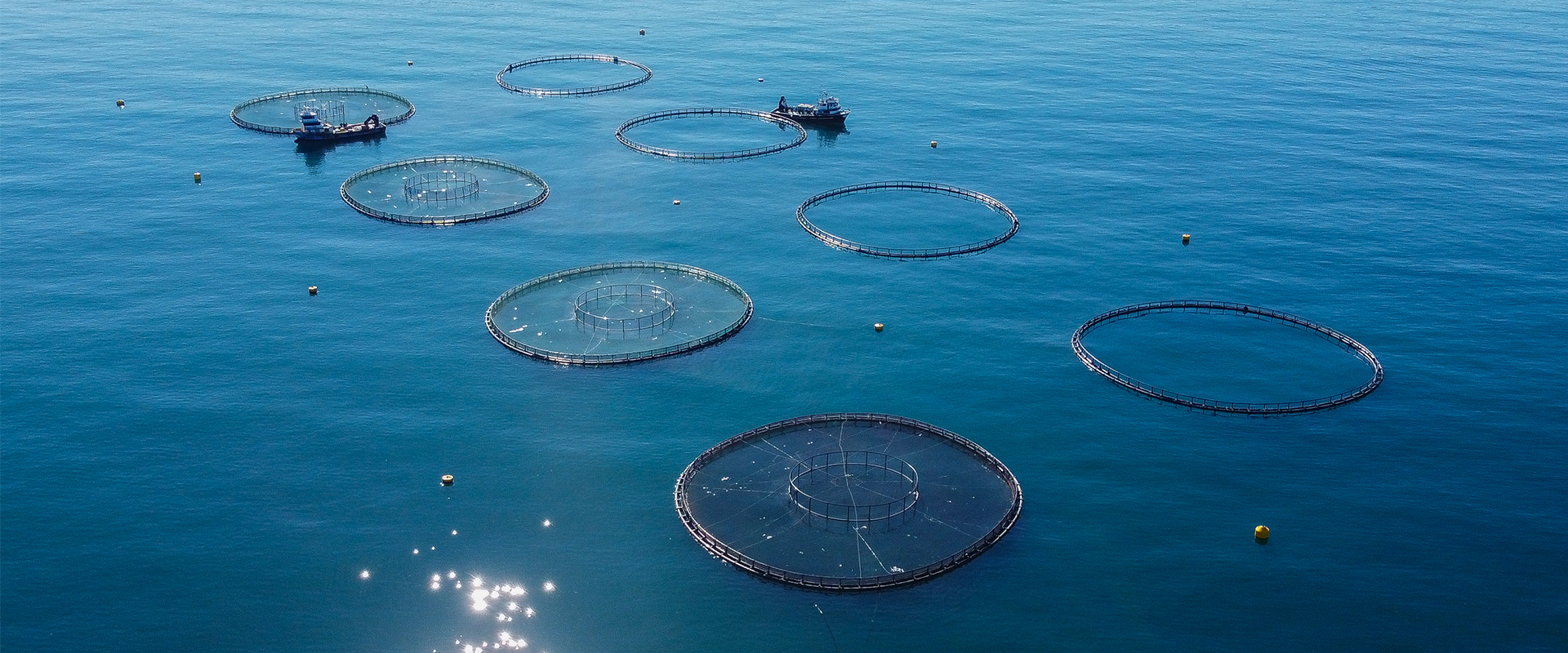
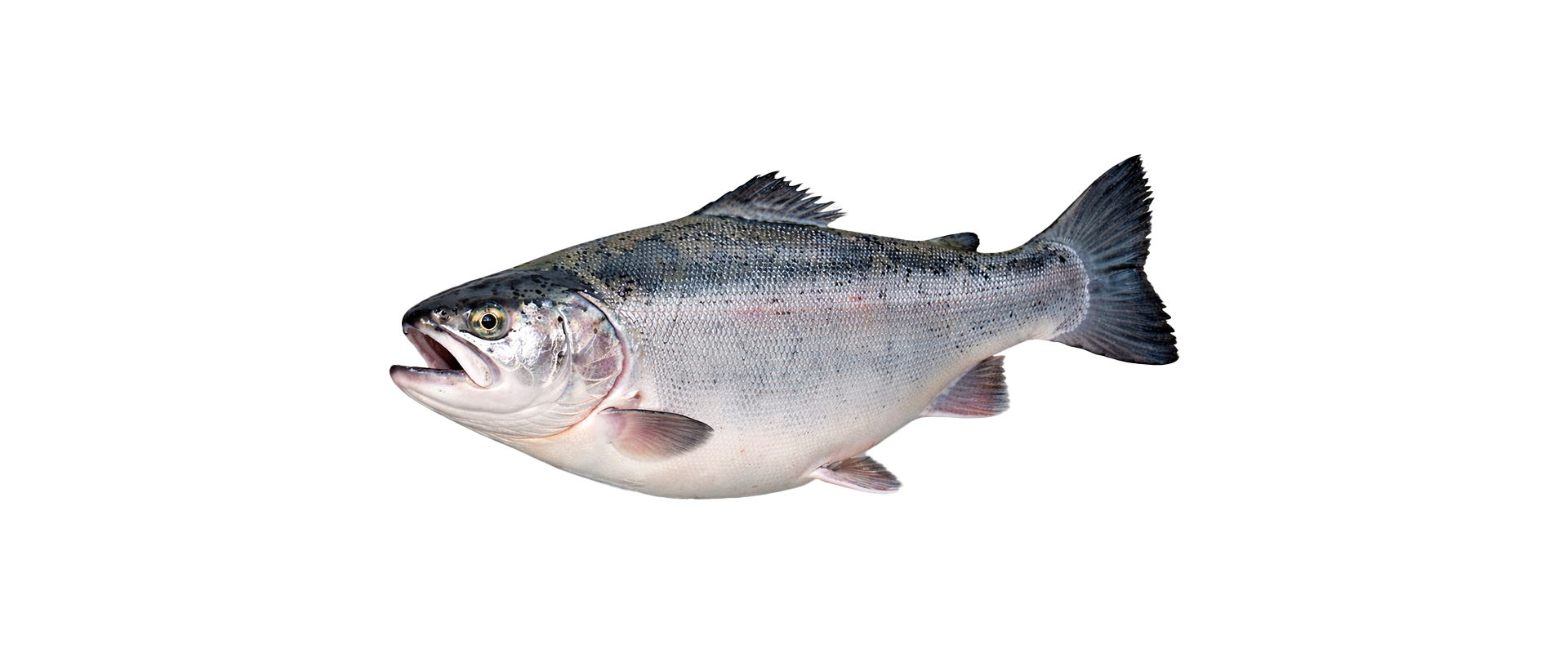
Black Sea Turkish salmon, scientifically known as Oncorhynchus mykiss, represents a premium offering in the global seafood market. Sourced from Turkey's pristine waters, particularly around the Black Sea region, this salmon stands out for its unique taste and superior quality. Kıyak Group, an established B2B seafood producer, has perfected the art of aquaculture, ensuring that every batch meets the highest standards of freshness and sustainability. As buyers increasingly seek superior fish with distinct origins, Black Sea Turkish salmon emerges as a leading choice for discerning consumers.
Unveiling the Rich Heritage of Black Sea Turkish Salmon
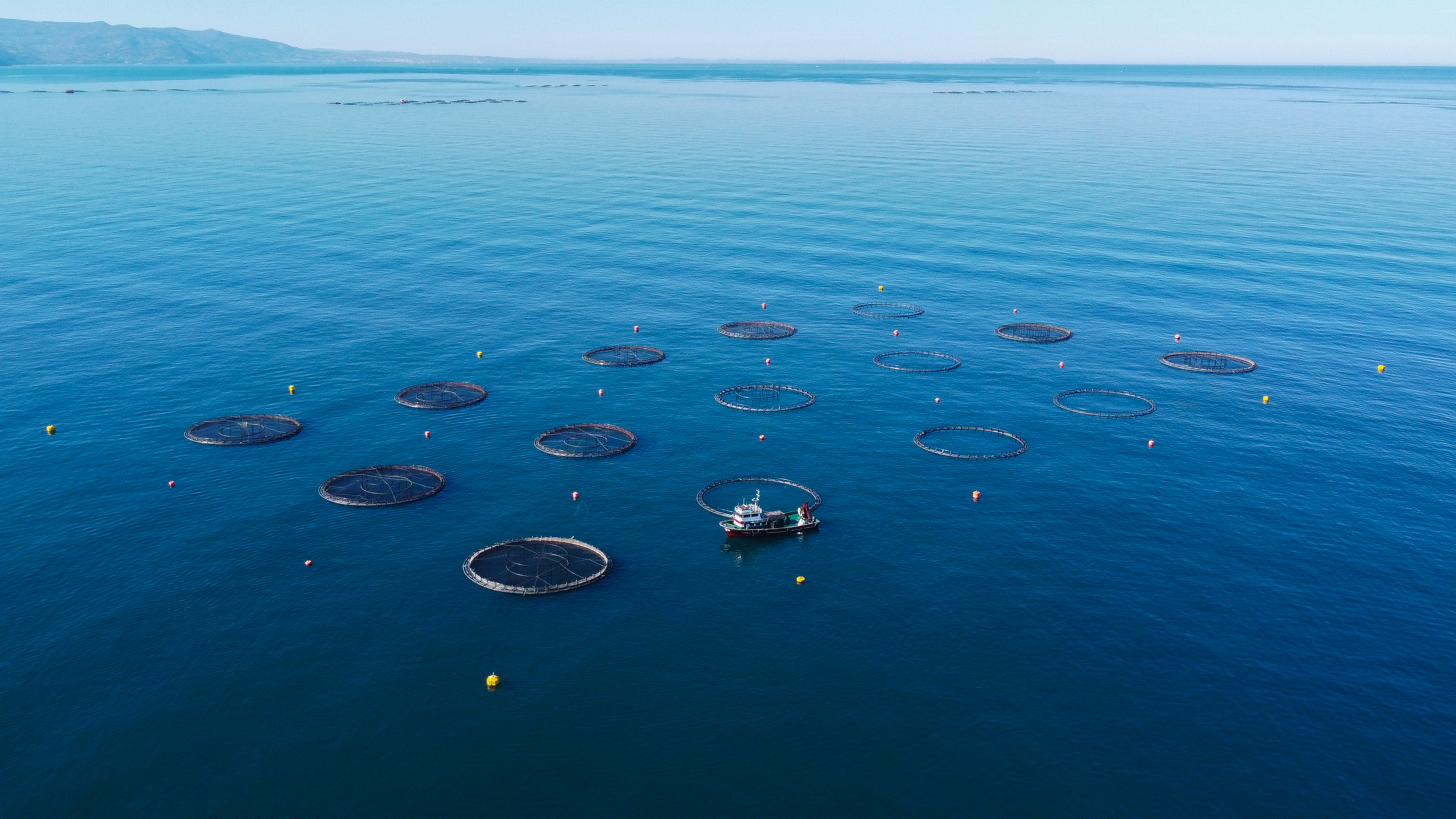
The Black Sea’s rich aquatic environment provides the ideal conditions for farming this high-quality salmon. With a focus on sustainable practices, Kıyak Group employs advanced aquaculture techniques to maintain top-notch production standards. The process begins with selecting the best breeding stock and includes carefully monitored feeding regimes that promote optimal growth and flavor. Buyers appreciate the smooth texture and rich flavor profile of our fish, which is enhanced by the unique water conditions of the Black Sea.
In terms of product diversity, Black Sea Turkish salmon is available in various forms including whole, filleted, and smoked options, catering to different culinary needs. Our commitment to quality extends beyond production; we provide detailed provenance information and transparent quality evidence to assure buyers of their seafood's origins.
When sourcing Black Sea Turkish salmon, buyers often have questions regarding its benefits, sustainability practices, and how it compares to other salmon types available on the market. Kıyak Group stands responsible in addressing these queries, offering insight into our ethical farming methodologies and highlighting the distinct taste benefits of our products. Transparency is key, and we aim to build trust and loyalty with our partners by delivering exceptional seafood and supporting sustainable practices.
Black Sea Origin Story
The Black Sea provides a unique habitat for the Oncorhynchus mykiss species, supporting rich biodiversity and optimal farming conditions.
Species Accuracy
Black Sea Turkish salmon is distinct from Atlantic salmon, offering unique qualities and flavors due to its particular environment.
Sustainability Focus
Kıyak Group utilizes sustainable aquaculture practices, ensuring minimal environmental impact and a commitment to quality.
A Practical Choice for Balanced Meals
Turkish salmon fits easily into balanced meal planning because a single portion can serve as the main protein while vegetables, grains or legumes complete the plate. Its satisfying texture and natural richness often reduce the need for heavy sauces, which gives chefs room to create lighter recipes with herbs, lemon, roasted vegetables or grain salads. Portion size should be selected according to the customer group, recipe and local dietary guidance rather than a single universal rule. The final nutritional value also depends on preparation: breading, deep-frying and rich sauces produce a different meal from baking or grilling. Clear menu descriptions help consumers understand both the fish and the way it has been prepared.
High-Quality Protein and Beneficial Fats
Turkish salmon can contribute high-quality protein and beneficial unsaturated fats to a balanced diet. Fish protein supplies essential amino acids used by the body for the maintenance and repair of tissues, while naturally occurring omega-3 fatty acids make oily fish an important part of varied eating patterns. The exact nutritional profile is not identical in every product; it can change with farming conditions, feed, harvest size, edible portion and processing method. For retail labels, menus or health-focused marketing, businesses should rely on a current laboratory analysis or the supplier’s approved nutrition declaration. Preparation also matters: grilling, baking or steaming with moderate added fat can preserve the fish’s natural qualities without unnecessarily increasing calories.
Export Documentation Can Simplify Receiving
Complete commercial invoices, packing lists, health documents, certificates, and shipment records—prepared according to the agreed destination requirements—can make customs coordination and receiving procedures more manageable. Organized documentation helps importers verify consignments, communicate with logistics partners, and reduce avoidable administrative delays.
Diversified Sourcing Strategy
Adding Turkish salmon to a seafood portfolio can reduce dependence on a limited number of origins. A broader sourcing base gives importers more options when planning seasonal demand, negotiating supply programs, or responding to disruptions, while also enabling them to introduce a new origin story to customers seeking variety in the salmon category.
Flexible Product Formats
Turkish salmon export can be organized in multiple commercial formats, including whole fish, headed and gutted products, fillets, portions, and frozen presentations when supported by the supplier. This flexibility helps buyers select formats suited to retail counters, restaurant kitchens, industrial processing, or private-label programs and can simplify local preparation requirements.
Smoked Salmon Production Use
Suitable Turkish salmon formats can be supplied to processors producing smoked seafood lines. Fillets or selected cuts may be used as a raw material for hot-smoked or cold-smoked concepts, depending on the processor's recipe, equipment, food-safety controls, and target-market standards.
Portion-Controlled Cuts
Turkish salmon can be prepared in portion-controlled cuts when an importer needs uniform serving sizes. This format is particularly useful for hotels, restaurants, catering businesses, and meal-preparation brands because it supports consistent plating, portion cost control, simpler kitchen workflow, and standard recipe execution.
Fresh Fillet Applications
Fresh Turkish salmon fillets can be prepared for premium seafood counters, restaurant kitchens, catering operations, and direct-to-consumer delivery programs. Their convenient form supports quick preparation for grilling, baking, pan-searing, sushi-inspired dishes where appropriate, and other menu concepts built around fresh salmon.
Refrigerated Loading
During loading, the correct cases and batch quantities are verified against shipment documents. Products are transferred from cold storage to the prepared refrigerated transport unit using controlled handling practices, after which the load is secured and released for international transit.
Final Packing Verification
Before cases are released to storage, the packing team verifies product count, case weight, label accuracy, packaging condition, and order reference. This final review helps detect packing errors before palletizing and reduces discrepancies during shipment receiving.
Packaging Preparation
Packaging materials are selected according to the product format, temperature condition, case size, buyer requirements, and transport plan. Packs are assembled to protect the Turkish salmon during handling while supporting efficient stacking, storage, identification, and receiving at the destination.
Review Packaging Suitability
Packaging should be selected according to product condition, shipment duration, case weight, handling method, storage system, and sales channel. Buyers should confirm that the proposed Turkish salmon packaging supports product protection, efficient stacking, traceability, receiving, and any required consumer-facing presentation.
Examine Traceability Information
Buyers should confirm that the exporter can provide batch identification and relevant production, packing, and shipment records. Effective traceability supports internal quality procedures, stock management, customer inquiries, receiving checks, and the ability to follow Turkish salmon through the distribution chain.
Evaluate Total Landed Cost
Importers should compare more than the product price by considering freight, insurance, customs costs, handling, storage, local transport, packaging, and potential processing yield. Reviewing the total landed cost provides a more accurate basis for selecting a Turkish salmon supplier and product format.
Organized Export Documentation
Commercial invoices, packing lists, shipment records, certificates, and agreed destination documents should contain consistent order information. Organized documentation builds buyer confidence by supporting customs coordination, receiving verification, traceability, and communication with logistics partners.
Processing Control and Verification
Heading, gutting, filleting, trimming, deboning, and portioning operations can be checked against the confirmed order specification. This verification helps ensure that Turkish salmon is prepared in the format expected by wholesalers, retailers, food-service buyers, and processors.
Building Long-Term Regional Partnerships
Turkish salmon trade can develop through long-term cooperation between producers, exporters, importers, distributors, retailers, and food-service businesses. Regular feedback on regional demand, logistics, specifications, packaging, and customer response helps partners create more stable and market-focused supply programs.
Frequently Asked Questions
How are pallets prepared for export?
Pallet configuration depends on carton dimensions, case weight, transport mode, container or vehicle limits, handling equipment, and destination requirements. Buyers should request pallet count, cases per pallet, gross weight, dimensions, wrapping method, and labeling details before dispatch.
Can forecast volumes be reserved?
Production or shipment capacity may be reserved through a forecast and commercial agreement, subject to supplier policy. Buyers should discuss expected monthly volumes, size mix, packaging, flexibility, confirmation deadlines, payment terms, and procedures for forecast changes.
Can Turkish salmon be distributed through e-commerce?
Retail-packed or portioned Turkish salmon may suit online seafood and grocery channels when appropriate cold-chain packaging, labeling, delivery time, storage instructions, and last-mile handling are established. The e-commerce operator should validate the complete delivery process.
How are freight costs calculated?
Freight costs depend on origin, destination, transport mode, shipment weight and volume, temperature requirement, seasonal capacity, fuel and handling charges, customs services, and delivery scope. Quotes should state whether freight is included and how long the rate remains valid.
Can Turkish salmon be packed for supermarket display?
Retail-display packs may be developed according to buyer volume and supplier capability. Pack size, tray or pouch format, label language, barcode, product name, storage instructions, artwork approval, shelf presentation, and destination compliance must be confirmed in advance.
Is cargo insurance included in the quotation?
Cargo insurance is not automatically included in every offer. Buyers should review the stated Incoterm and quotation details, confirm who arranges insurance, understand coverage limits and exclusions, and ensure that temperature-sensitive seafood risks are addressed appropriately.
Can Turkish salmon fillets be supplied skin-on or skinless?
Skin-on or skinless fillet options may be available depending on processing capability and order specification. Buyers should also confirm trimming, pin-bone removal, fillet weight, packing style, fresh or frozen condition, and any tolerances required for their market.
What species is marketed as Turkish salmon?
The commercial name Turkish salmon may refer to a salmon-category aquaculture product marketed by Turkish suppliers. Because terminology and specifications can vary, importers should confirm the scientific species name, commercial description, origin, production method, and label wording before placing an order.
What trimming options are available for fillets?
Trimming options depend on the processor's production program and the buyer's specification. Importers should communicate the desired removal of fins, belly material, bones, excess tissue, and other details using a written description or approved reference sample.
Which currencies can be used for payment?
Accepted currencies depend on the exporter's banking arrangements and the commercial offer. Buyers should confirm quotation currency, exchange-rate validity, bank fees, payment deadline, beneficiary information, and whether any local or intermediary charges are excluded.
Feedback Drives Continuous Improvement
Post-delivery feedback from receiving teams, distributors, retailers, chefs, processors, and customers can guide future Turkish salmon orders. Reviewing this information helps improve sizing, processing, packaging, logistics, and market positioning over time.
Explore related content
Continue with pages and guides that complement this topic.