

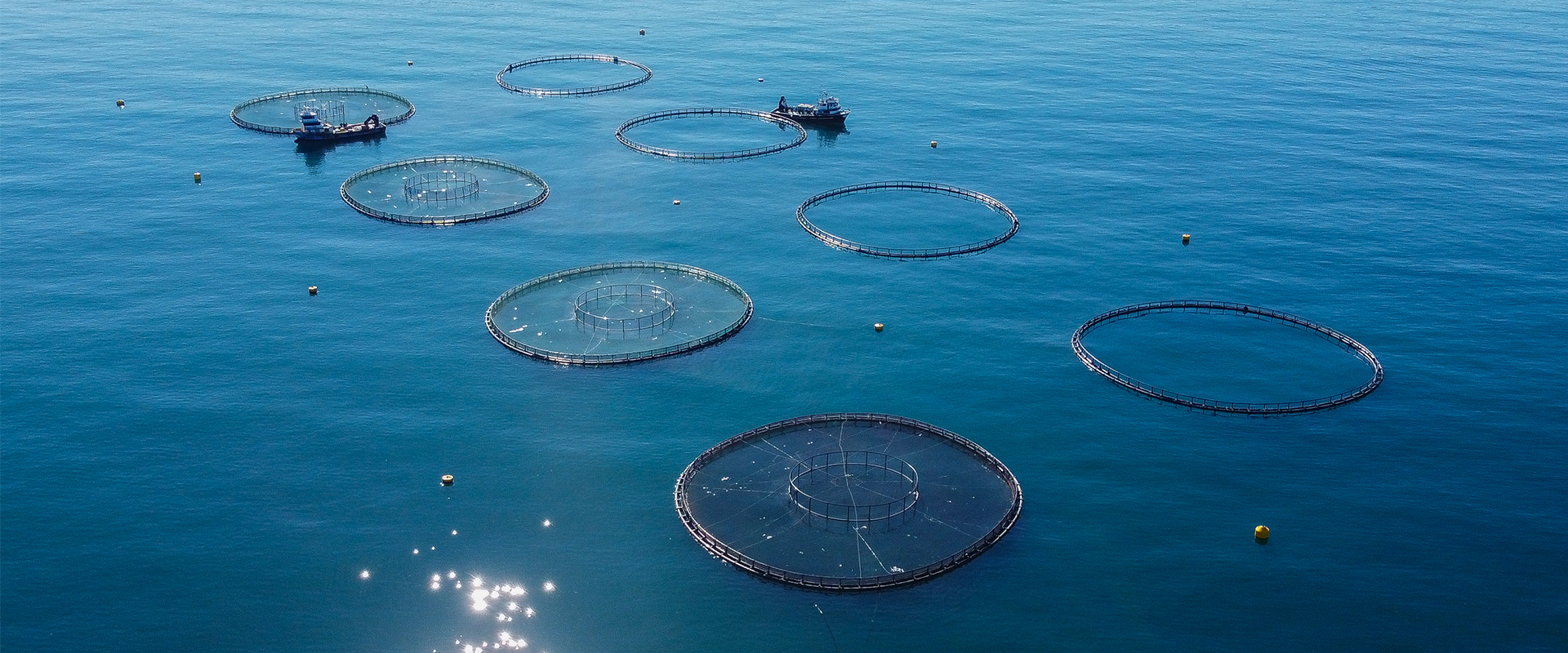
Turkey's Growing Presence in the Salmon Export Market
The global seafood market continues to expand, with Turkish salmon exporters leading the way in quality and sustainability. Among these players, Kıyak Group stands out by providing top-tier salmon products sourced from its production facilities in Samsun, Turkey. As a prominent supplier, they navigate complex international markets, ensuring the delivery of fresh and frozen salmon to diverse global destinations. This rise in exports reflects Turkey's growing reputation in the aquaculture industry, particularly in salmon farming and exportation.
Kıyak Group specializes in the production and export of Turkish salmon, contributing significantly to both local economies and international seafood markets. With a focus on high-quality standards, the company adheres to rigorous certification processes to meet the demands of different regions. The salmon produced by Kıyak Group is known for its rich flavor and sustainable farming practices, appealing to health-conscious consumers worldwide.
The Turkish salmon industry benefits from the country's unique geographic advantages, such as its access to clean waters and ideal environmental conditions for aquaculture. This allows exporters like Kıyak Group to provide fresh seafood options that satisfy stringent quality requirements in markets across Europe, Asia, and beyond. By emphasizing sustainable practices and responsible sourcing, Turkish salmon suppliers are not only boosting their export potential but also setting new standards for environmental responsibility in seafood production.
As the demand for nutritious and ethically sourced seafood grows globally, the expertise and commitment of Turkish salmon exporters ensure they remain competitive players in this dynamic market. Through strategic partnerships and innovative techniques, Kıyak Group and similar companies continue to cultivate their presence on a global scale, solidifying Turkey’s role as a key supplier in the international salmon trade.
Quality Assurance in Salmon Production
Kıyak Group emphasizes high-quality standards through stringent quality control measures and sustainable farming practices.
Strategic Export Destinations
The company targets various global markets, enhancing Turkey's visibility as a reliable salmon supplier.
Sustainability in Aquaculture
Turkish salmon exporters prioritize eco-friendly practices to meet global environmental standards and consumer preferences.
Prepared for International Supply Chains
Turkish salmon can be supplied to international buyers in chilled or frozen formats, but successful export requires precise coordination between production, processing, documentation and logistics. The chosen format must match transit time, border procedures, customer storage capacity and the shelf life required on arrival. Exporters and importers should confirm health certificates, facility eligibility, labeling, species declaration, packaging marks and any market-specific requirements before dispatch. Insulated packaging, suitable refrigerants where used, temperature monitoring and reliable transport partners help protect the shipment. A pre-agreed document checklist and communication plan reduce delays. Because regulatory requirements can change, every shipment should be checked against the current rules of the destination market rather than relying on an earlier order.
Opportunity for Premium Presentation
Careful grading, clean packaging, accurate labeling, and a clear origin message can support premium positioning for Turkish salmon. Importers may use these elements to strengthen shelf presentation, menu descriptions, and customer communication, particularly in markets where consumers value product provenance and professional seafood handling.
Export Documentation Can Simplify Receiving
Complete commercial invoices, packing lists, health documents, certificates, and shipment records—prepared according to the agreed destination requirements—can make customs coordination and receiving procedures more manageable. Organized documentation helps importers verify consignments, communicate with logistics partners, and reduce avoidable administrative delays.
A Versatile Addition to Seafood Portfolios
For importers seeking growth beyond established products, Turkish salmon can add variety without requiring an entirely new sales infrastructure. Its compatibility with wholesale, retail, food-service, and processing channels means buyers can integrate it into existing seafood operations while developing fresh commercial stories and customer offers.
Menu Versatility Across Cuisines
Turkish salmon can be used in Mediterranean, European, Asian-inspired, and modern fusion recipes, depending on the buyer's culinary direction. Its adaptable use allows food-service teams to include it in grilled dishes, salads, pasta, rice bowls, sandwiches, appetizers, and seasonal menu specials.
Private-Label Customization
Private-label Turkish salmon programs can include tailored product naming, label artwork, barcode placement, language details, and pack design in line with buyer requirements. This feature is useful for retailers and seafood brands that want to market Turkish salmon under their own identity while keeping a consistent product range.
Final Packing Verification
Before cases are released to storage, the packing team verifies product count, case weight, label accuracy, packaging condition, and order reference. This final review helps detect packing errors before palletizing and reduces discrepancies during shipment receiving.
Cold Storage Management
Packed Turkish salmon is transferred to the appropriate chilled or frozen storage area while awaiting dispatch. Warehouse teams organize batches, monitor storage conditions, apply stock-rotation procedures, and prepare the correct order quantities for loading according to the shipment schedule.
Evaluate Export Experience
Experience with international seafood shipments can indicate whether a supplier understands documentation, refrigerated logistics, communication, destination coordination, and order follow-up. Buyers should consider the exporter's relevant market experience and ability to explain how each Turkish salmon shipment will be managed.
Select the Suitable Transport Mode
Road, sea, and air freight offer different combinations of speed, capacity, route availability, and cost. The best method for Turkish salmon depends on destination distance, fresh or frozen condition, shipment size, required arrival date, and the buyer's receiving capabilities.
Organized Export Documentation
Commercial invoices, packing lists, shipment records, certificates, and agreed destination documents should contain consistent order information. Organized documentation builds buyer confidence by supporting customs coordination, receiving verification, traceability, and communication with logistics partners.
Turkish Salmon Exporter and Global Supplier
Private Label Can Expand Market Reach
Turkish salmon can support private-label development when packaging, labeling, pack size, and product specifications are aligned with the retailer's identity. This approach gives buyers an opportunity to build differentiated seafood ranges for their local consumers.
Navigating the Global Market for Turkish Salmon Suppliers
Learn about Turkish salmon exporters like Kıyak Group and their role in the global seafood market. Discover their offerings and export capabilities.
Explore related content
Continue with pages and guides that complement this topic.
Questions about this topic
Clear answers to frequently asked questions related to the blog topic.
How should buyers choose a Turkish salmon size?
Buyers should match fish, fillet, or portion sizes with their sales channel and operational needs. Retail pack plans, restaurant serving sizes, display preferences, processing yield, customer habits, and available production ranges should be reviewed before confirming the order specification.
How is Turkish salmon kept cold during export?
Exporters coordinate chilled or frozen storage, refrigerated loading, temperature-controlled transport, and destination delivery according to the selected product condition. Buyers should also ensure that customs, receiving, warehouse, and local distribution partners can maintain the required cold chain after arrival.
Can Turkish salmon be supplied as fillets or portions?
Yes, fillets and portion-controlled cuts may be available when supported by the exporter and processor. Buyers should define dimensions, weight range, trimming, skin preference, bone-removal requirement, packing method, and intended use so the supplier can confirm feasibility and availability.
How can buyers request a Turkish salmon quotation?
Buyers should share destination, required product format, fresh or frozen condition, size range, processing details, estimated quantity, packaging, labeling, preferred delivery term, target date, and documentation needs. Complete information allows the exporter to prepare a more accurate and commercially relevant quotation.
Can Turkish salmon be used for smoked products?
Suitable fillets or cuts may be used by processors producing hot-smoked, cold-smoked, marinated, or other value-added seafood products. The processor should confirm raw-material specifications, food-safety controls, recipe requirements, equipment compatibility, and destination-market standards.