
How Turkish Salmon Supports Seafood Trading
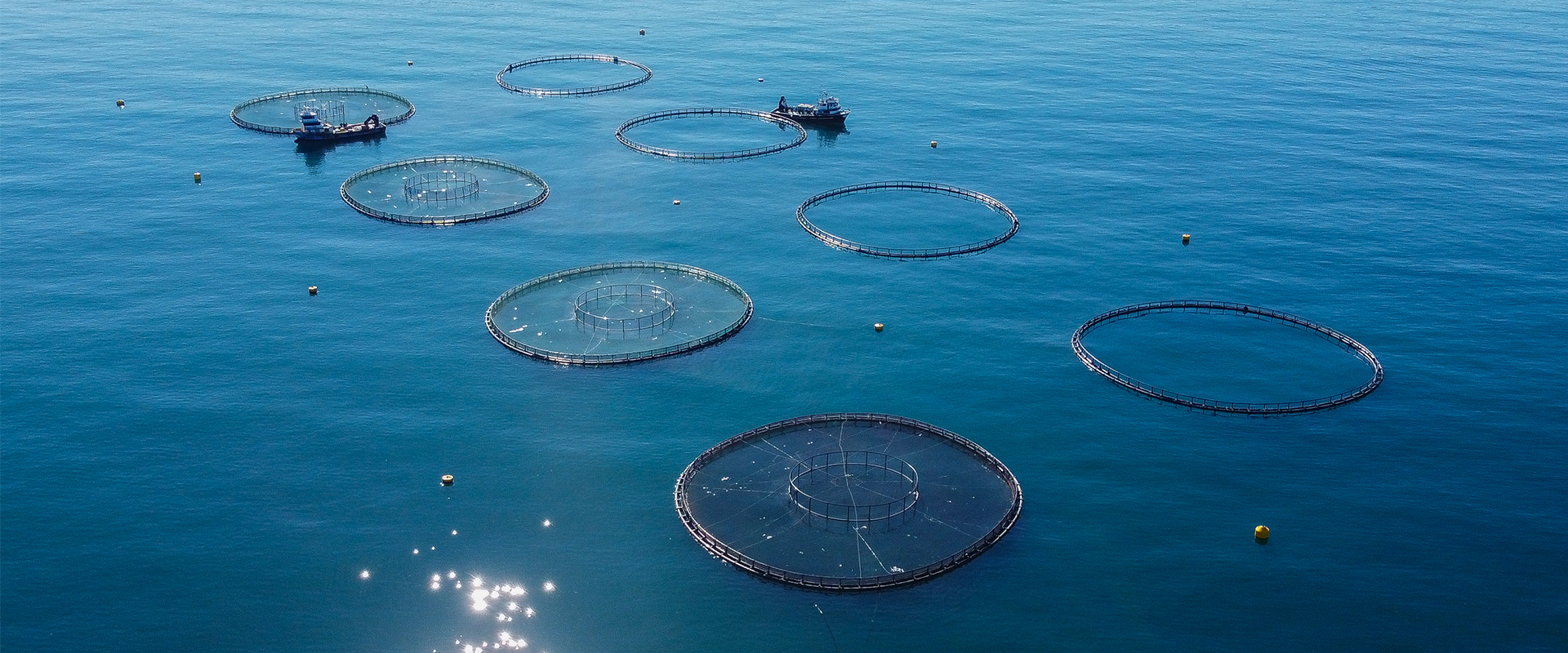
Turkish Salmon stands out as a significant player in the seafood trading landscape, particularly within the sector of fish exports. The vibrant waters off the coast of Turkey provide a rich environment for cultivating high-quality salmon, which has gained international recognition for its flavor and nutritional value. This fish not only contributes to local economies but also satisfies the growing demand for sustainable seafood globally. As the industry evolves, Turkish Salmon continues to enhance its global presence, promising quality and freshness for consumers worldwide.
The Role of Turkish Salmon in the Global Seafood Market
The cultivation of Turkish Salmon has transformed Turkey into one of the notable exporters of seafood. With a focus on sustainable practices, Kıyak Group has streamlined its production processes, ensuring that every step—from breeding to harvesting—is conducted with care to preserve the integrity of the fish. This commitment has led to a product that meets the standards of international markets. Moreover, Turkish Salmon is prized not only for its taste but also for its health benefits, serving as a rich source of omega-3 fatty acids, essential for a balanced diet.
In addition, Turkish Salmon is increasingly featured in various culinary traditions across the globe. Chefs appreciate its versatility, using it in dishes ranging from traditional grilled salmon to more contemporary preparations. As consumer awareness grows regarding the benefits of seafood, including its role in a healthy lifestyle, Turkish Salmon’s popularity continues to rise. It strengthens the connection between producers and consumers, emphasizing the importance of quality over quantity in seafood trading.
Sustainable Practices
Turkish Salmon production emphasizes environmentally friendly practices that contribute to the sustainability of marine resources.
Health Benefits
Rich in omega-3 fatty acids, Turkish Salmon supports heart health and overall well-being.
Culinary Versatility
Turkish Salmon can be prepared in various ways, appealing to diverse culinary preferences globally.
Air Freight for Time-Sensitive Markets
Air freight can be considered when Turkish salmon buyers prioritize shorter transit times or serve time-sensitive fresh seafood channels. The decision should account for shipment volume, airport handling, packaging, customs coordination, local cold transport, and total landed cost.
Retail Opportunities in Nearby Markets
Nearby regional markets can offer opportunities for supermarket seafood counters, retail-ready packs, specialty fish shops, and online grocery channels. Buyers should select Turkish salmon formats based on local shelf conditions, consumer pack sizes, labeling rules, and distribution speed.
Türkiye's Culinary Connection to Seafood
Seafood has an established place in Türkiye's coastal food culture, providing a meaningful background for Turkish salmon's origin story. Export communication can reflect this culinary connection while focusing on the buyer's own market, recipes, customer preferences, and product presentation needs.
Cross-Border Road Freight Potential
For destinations connected through practical overland routes, refrigerated road freight can support direct Turkish salmon delivery programs. Route selection should consider border procedures, transit time, product condition, driver scheduling, temperature monitoring, receiving hours, and the importer's warehouse location.
Adaptation to Regional Consumer Preferences
Different markets may prefer whole fish, headed and gutted products, fillets, portions, fresh packs, or frozen formats. Turkish salmon exporters can discuss local buying habits with importers and align size, processing, packaging, labeling, and order frequency with regional demand.
Regional Market Entry Through Trial Orders
Importers entering a new regional market can begin with a controlled Turkish salmon trial shipment. This allows them to evaluate local customer response, preferred sizes, packaging performance, delivery timing, retail pricing, food-service demand, and the most suitable recurring order model.
Potential Across Eurasian Markets
Turkish salmon can be considered by buyers across Eurasian markets seeking alternative seafood origins and flexible product formats. Regional trade relationships, transport availability, local consumer preferences, import procedures, and seasonal demand all influence how each export program should be structured.

Frequently Asked Questions
Can Turkish salmon be shipped without pallets?
Floor-loaded or non-palletized arrangements may be possible for certain refrigerated shipments, subject to product packaging, transport equipment, loading method, destination handling, and buyer approval. The agreed loading configuration should appear clearly in shipment planning.
Can specifications be changed after order confirmation?
Changes may be possible only before certain production or packaging stages and require exporter approval. Adjustments to size, cut, quantity, label, pack, date, or destination can affect availability, price, lead time, documents, and already purchased materials.
What information should appear in a purchase inquiry?
A useful inquiry should include company and destination, product format, fresh or frozen condition, size, processing, quantity, packaging, label needs, delivery term, target date, transport preference, documents, and any special quality criteria. Complete requests receive more accurate responses.
What payment terms are available?
Payment terms vary by exporter, buyer history, order size, destination, risk assessment, and commercial agreement. The quotation or contract should clearly state currency, deposit, balance timing, banking details, charges, required documents, and any credit conditions.
What packaging materials are used for Turkish salmon?
Packaging materials vary by fresh or frozen condition, product format, transport method, case size, and buyer program. Exporters should describe the proposed inner and outer packaging, insulation or ice system where relevant, label placement, and pallet configuration in the quotation.
Which Incoterms can be used for Turkish salmon?
Available Incoterms depend on the exporter, buyer, transport mode, destination, and commercial agreement. Both parties should confirm the named place and understand responsibility for freight, insurance, clearance, local charges, risk transfer, and final delivery before signing the order.

Partnership Is the Foundation of Sustainable Trade
Ultimately, successful Turkish salmon export is built on clear expectations, consistent quality, transparent communication, reliable documentation, and coordinated logistics. When exporters and buyers improve these areas together, they can create a stronger and more sustainable international seafood partnership.
Explore related content
Continue with pages and guides that complement this topic.