
How Turkish Salmon Supports International Procurement
Turkish Salmon is making waves in the global seafood market, offering a unique blend of quality and sustainability. Sourced from the pristine waters of Turkey, this fish not only meets the high standards of international buyers but also contributes significantly to the local economy. As demand for sustainable seafood rises, Turkish Salmon stands out as a preferred choice for various markets around the globe. This piece explores how Turkish Salmon supports international procurement efforts while ensuring a consistent supply of high-quality products.
The Role of Turkish Salmon in Global Trade
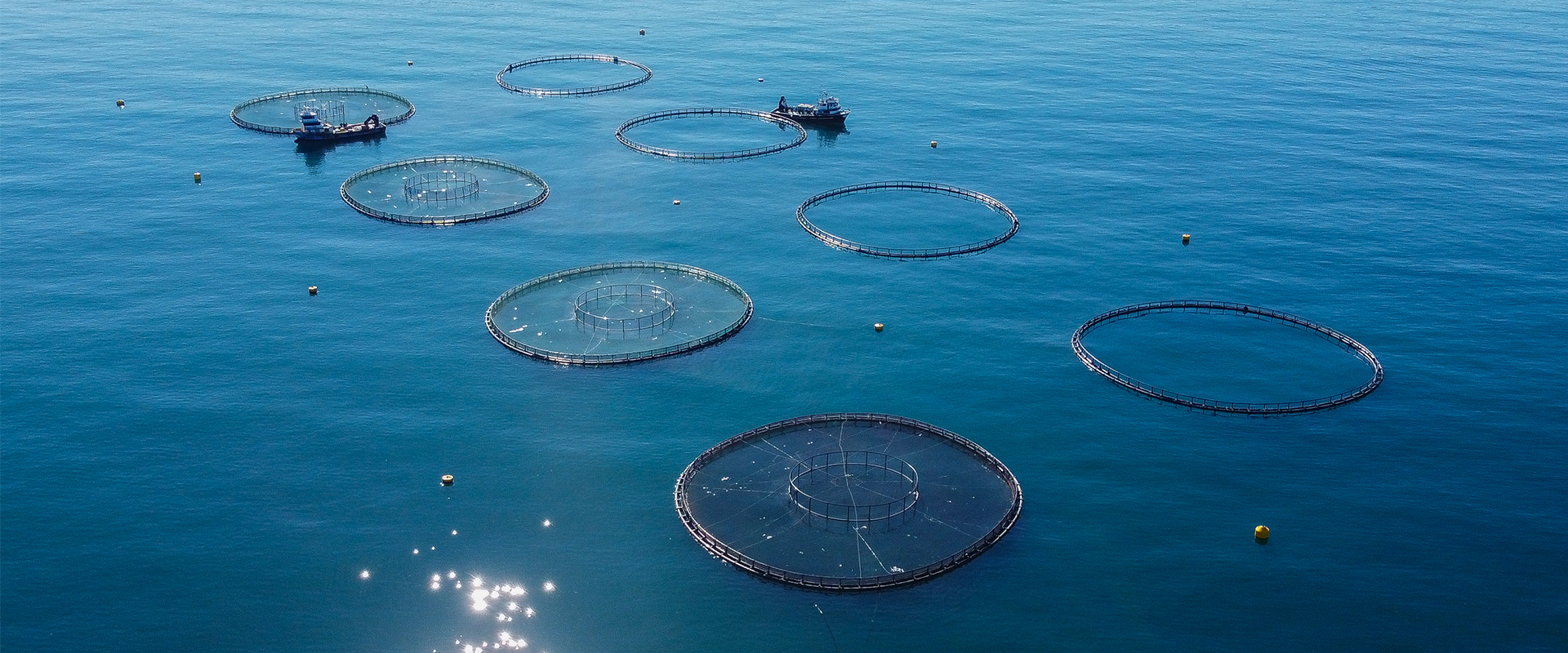
With its commitment to sustainable practices, Kıyak Group has positioned Turkish Salmon as a frontrunner in the fishing and export industry. The company, based in Samsun, Turkey, places a strong emphasis on environmentally friendly farming methods. This ensures that the salmon is not only healthy for consumers but also for the ecosystem.
One of the core advantages of Turkish Salmon is its exceptional taste and texture, making it a popular choice among chefs and consumers alike. Its versatility allows it to be prepared in various cuisines, enhancing its appeal on a global scale. Moreover, Kıyak Group’s strategic approach to exporting allows international buyer networks to seamlessly incorporate Turkish Salmon into their offerings.
The company's efficient supply chain and logistics further enhance its reliability as a supplier. By maintaining strong relationships with local fishing communities, Kıyak Group ensures that the salmon is harvested and delivered with minimal delay, allowing for freshness that is often unmatched.
In addition to culinary benefits, Turkish Salmon also supports international procurement by adhering to global food safety standards. Kıyak Group ensures that all products undergo rigorous quality checks before reaching the market, reinforcing buyer confidence.
Overall, Turkish Salmon is not just a product but a key player in enriching the global seafood supply chain. Its combination of quality, sustainability, and efficient procurement makes it a pivotal choice for businesses aimed at meeting the ever-growing demands of the international market.
Sustainable Farming Practices
Kıyak Group employs environmentally friendly methods in salmon farming, ensuring a sustainable seafood supply.
Quality Assurance
All Turkish Salmon undergoes stringent quality checks to meet international food safety standards.
Strategic Export Channels
The company’s efficient logistics infrastructure enables timely delivery, ensuring freshness and quality.
Regional Market Entry Through Trial Orders
Importers entering a new regional market can begin with a controlled Turkish salmon trial shipment. This allows them to evaluate local customer response, preferred sizes, packaging performance, delivery timing, retail pricing, food-service demand, and the most suitable recurring order model.
Sea Freight for Regional Distribution
Sea freight may be evaluated for suitable frozen or larger-volume Turkish salmon shipments, depending on route availability and destination requirements. Importers should coordinate container conditions, port procedures, transit schedules, customs clearance, and onward refrigerated delivery before selecting this option.
Retail Opportunities in Nearby Markets
Nearby regional markets can offer opportunities for supermarket seafood counters, retail-ready packs, specialty fish shops, and online grocery channels. Buyers should select Turkish salmon formats based on local shelf conditions, consumer pack sizes, labeling rules, and distribution speed.
Building Long-Term Regional Partnerships
Turkish salmon trade can develop through long-term cooperation between producers, exporters, importers, distributors, retailers, and food-service businesses. Regular feedback on regional demand, logistics, specifications, packaging, and customer response helps partners create more stable and market-focused supply programs.
Cross-Border Road Freight Potential
For destinations connected through practical overland routes, refrigerated road freight can support direct Turkish salmon delivery programs. Route selection should consider border procedures, transit time, product condition, driver scheduling, temperature monitoring, receiving hours, and the importer's warehouse location.
Türkiye's Culinary Connection to Seafood
Seafood has an established place in Türkiye's coastal food culture, providing a meaningful background for Turkish salmon's origin story. Export communication can reflect this culinary connection while focusing on the buyer's own market, recipes, customer preferences, and product presentation needs.
Adaptation to Regional Consumer Preferences
Different markets may prefer whole fish, headed and gutted products, fillets, portions, fresh packs, or frozen formats. Turkish salmon exporters can discuss local buying habits with importers and align size, processing, packaging, labeling, and order frequency with regional demand.

Frequently Asked Questions
Can urgent Turkish salmon orders be accepted?
Urgent orders may be possible when product, processing capacity, packaging, documents, and suitable transport are available. The exporter should confirm feasibility before commitment, and the buyer should expect that limited choices or additional logistics costs may apply.
Is cargo insurance included in the quotation?
Cargo insurance is not automatically included in every offer. Buyers should review the stated Incoterm and quotation details, confirm who arranges insurance, understand coverage limits and exclusions, and ensure that temperature-sensitive seafood risks are addressed appropriately.
Which currencies can be used for payment?
Accepted currencies depend on the exporter's banking arrangements and the commercial offer. Buyers should confirm quotation currency, exchange-rate validity, bank fees, payment deadline, beneficiary information, and whether any local or intermediary charges are excluded.
Can buyers audit the supplier?
Supplier audits may be arranged subject to company policy, confidentiality, production schedules, biosecurity, safety rules, and commercial relationship. Buyers should define audit scope, requested documents, standards, participants, date, and reporting expectations in advance.
Can mixed-size Turkish salmon orders be arranged?
Mixed-size orders may be possible depending on stock, production planning, minimum quantities, packaging, and shipment configuration. Buyers should list acceptable size groups and volumes separately so the exporter can confirm availability and quote each specification accurately.
How are quality claims handled?
A quality claim should be reported promptly with shipment references, batch details, quantities, photographs, temperature information, receiving records, and a clear description. The exporter then reviews production and logistics evidence according to the agreed contract and claim procedure.

Partnership Is the Foundation of Sustainable Trade
Ultimately, successful Turkish salmon export is built on clear expectations, consistent quality, transparent communication, reliable documentation, and coordinated logistics. When exporters and buyers improve these areas together, they can create a stronger and more sustainable international seafood partnership.
Explore related content
Continue with pages and guides that complement this topic.