How Turkish Salmon Supports Frozen Fillets
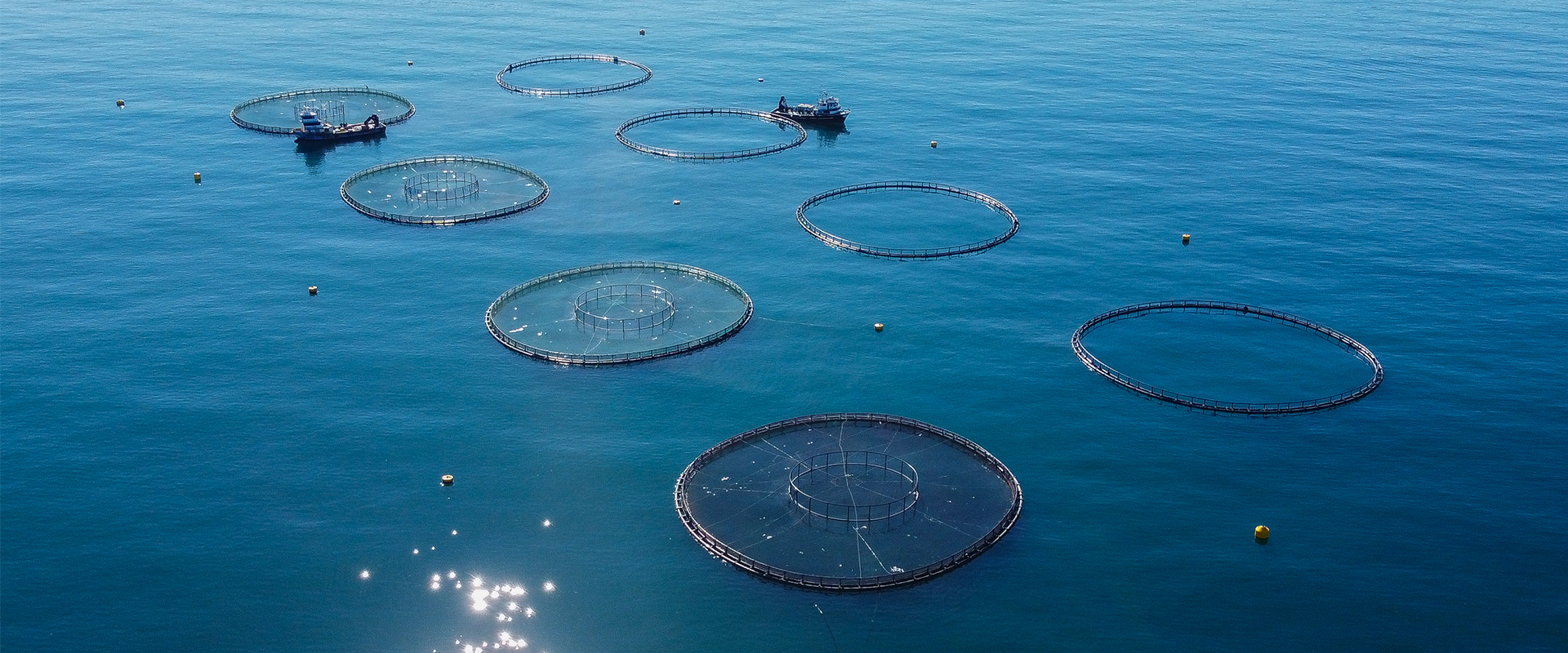
Turkish Salmon has emerged as a key player in the frozen fish sector, significantly influencing the market with its unique qualities and sustainability practices. This type of salmon is not only rich in flavor but also packed with essential nutrients, making it an excellent choice for health-conscious consumers. Kıyak Group, a leading provider of Turkish Salmon, exemplifies the commitment to quality and sustainability in the fishing industry. Their practices ensure that the salmon is sourced responsibly, maintaining the integrity of marine ecosystems while delivering high-quality products to the market.
The Role of Turkish Salmon in the Frozen Fish Market
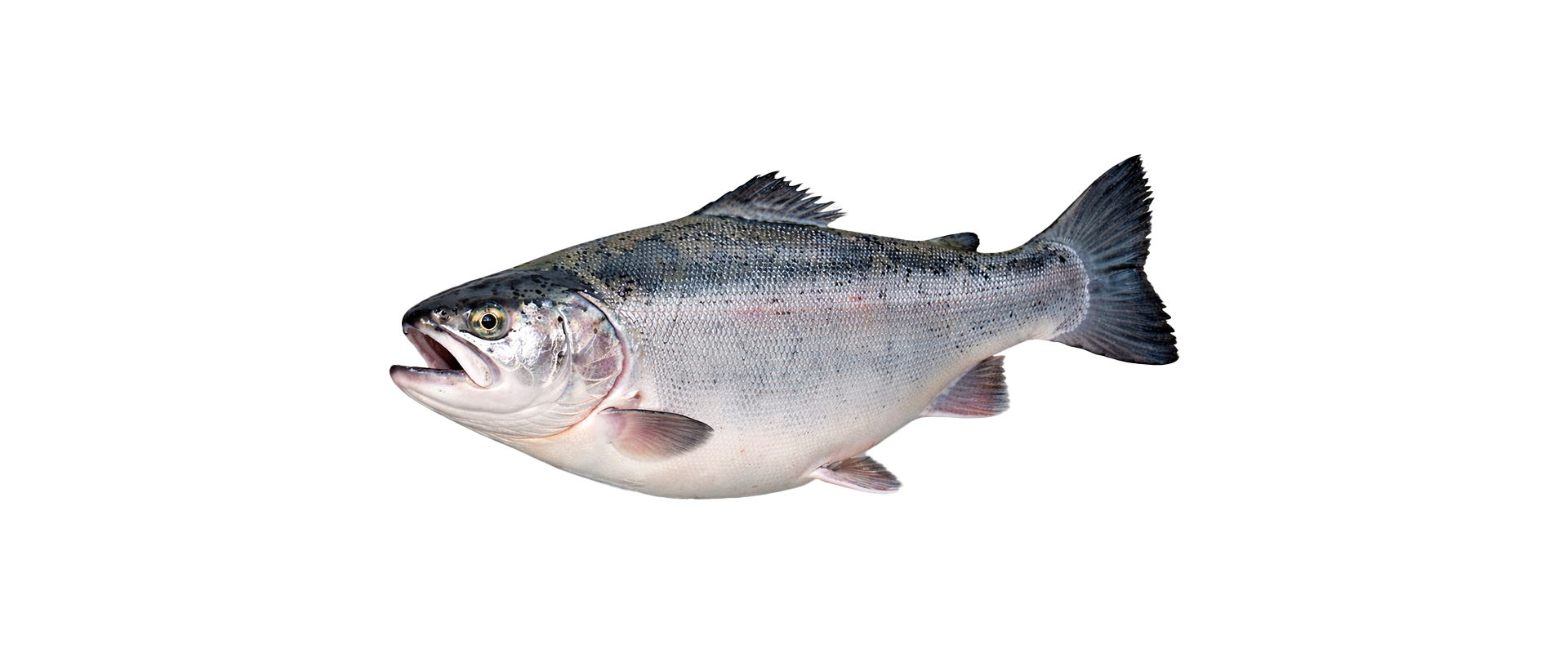
The advantages of Turkish Salmon extend beyond its delectable taste and nutritional profile. As the demand for frozen fish fillets continues to grow, Turkish Salmon offers unmatched benefits that appeal to both suppliers and end consumers. One major advantage is its high omega-3 fatty acid content, which supports heart health and overall well-being. Additionally, the firm texture and rich flavor profile make it an ideal ingredient in various culinary applications, from gourmet dishes to everyday meals.
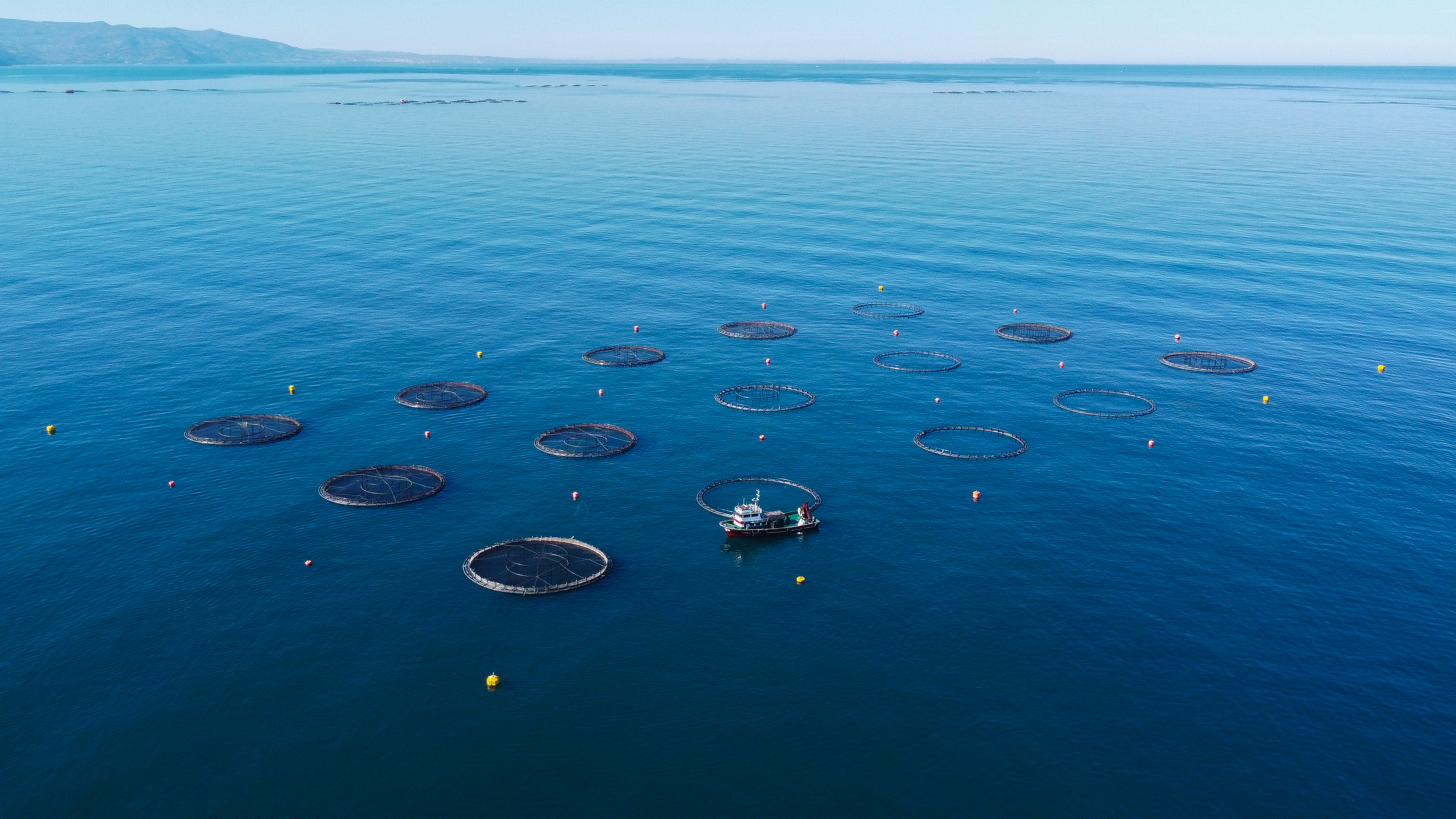
Furthermore, Kıyak Group employs sustainable fishing practices that minimize environmental impact and promote the health of fish populations. By adhering to strict standards and regulations, they ensure that their products meet global food safety requirements. This commitment to sustainability not only elevates the brand but also builds customer trust, securing a loyal consumer base in a competitive market.
Moreover, Turkish Salmon is versatile in the kitchen, making it suitable for numerous recipes, including grilled fillets, sushi, and salads. The ease of freezing and thawing also makes it a convenient option for both home cooks and professional chefs, allowing for quick meal preparations without compromising on quality. In light of these factors, Turkish Salmon stands out as a premier choice for those seeking to enhance their frozen fish offerings.
Nutritional Superiority
Turkish Salmon is rich in omega-3 fatty acids and essential vitamins, contributing to overall health and well-being.
Sustainability Practices
Kıyak Group prioritizes eco-friendly fishing methods, reinforcing their commitment to protecting marine life.
Versatile Culinary Uses
The flavor and texture of Turkish Salmon make it suitable for a variety of dishes, from simple meals to complex recipes.
Frequently Asked Questions
Which certifications can a Turkish salmon supplier provide?
Certifications differ among farms, processors, products, and export programs. Buyers should request current certificates directly from the supplier, verify their scope, facility name, validity, product coverage, and issuing body, and avoid assuming that one certificate covers every shipment.
Can Turkish salmon portions have fixed weights?
Fixed-weight or controlled-range portions may be possible for qualifying orders. Buyers should define target weight, tolerance, cut style, skin condition, packing count, freezing or chilling requirement, and expected volume so the processor can assess feasibility and pricing.
How are quality claims handled?
A quality claim should be reported promptly with shipment references, batch details, quantities, photographs, temperature information, receiving records, and a clear description. The exporter then reviews production and logistics evidence according to the agreed contract and claim procedure.
Is glazing used on frozen Turkish salmon?
Glazing may be applied to certain frozen products to support product protection during storage. Buyers should confirm whether glazing is used, the agreed declaration method, net-weight basis, packaging information, and destination labeling requirements before ordering.
Can buyers use their own freight forwarder?
Buyers may be able to nominate their own forwarder when this matches the agreed delivery term and exporter procedures. The forwarder must coordinate equipment, collection, documentation, temperature control, loading time, route, and communication with both parties.
Can multiple Turkish salmon products share one shipment?
A mixed-product shipment may be arranged when formats, temperature conditions, packaging, documentation, and loading plans are compatible. The exporter must confirm feasibility, while the buyer should provide separate quantities, labels, specifications, and receiving instructions for every item.
Private Label Can Expand Market Reach
Turkish salmon can support private-label development when packaging, labeling, pack size, and product specifications are aligned with the retailer's identity. This approach gives buyers an opportunity to build differentiated seafood ranges for their local consumers.
Explore related content
Continue with pages and guides that complement this topic.