

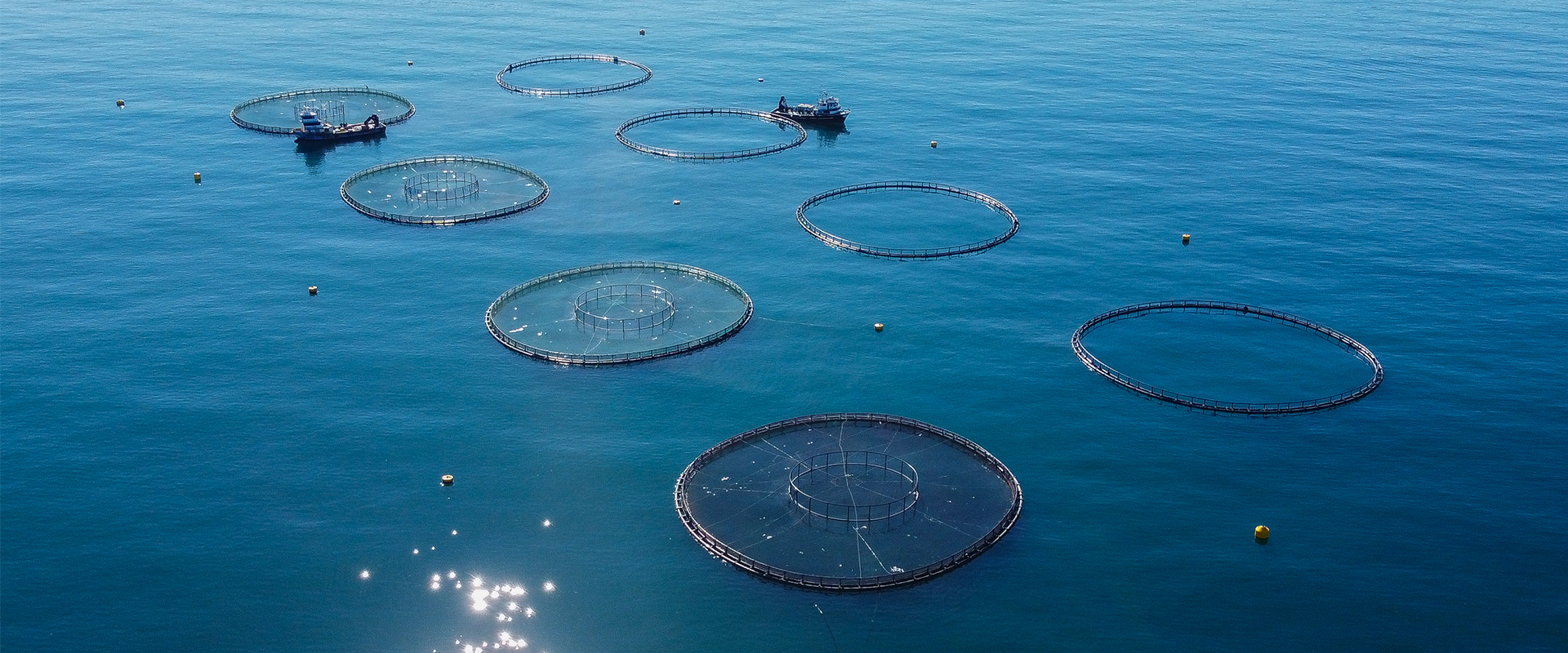
The Growing Demand for Turkish Salmon
Turkish salmon has emerged as a key player in the global fish market, thanks to its quality and sustainable practices. As international consumers seek premium seafood options, the demand for Turkish salmon is increasing significantly. This surge is driven not only by the fish's taste and texture but also by the commitment of Turkish producers to meet international standards. Kıyak Group, based in Samsun, Turkey, is at the forefront of this market, offering a range of export solutions tailored to meet the specific needs of international buyers.
The evolution of the Turkish salmon export industry highlights a blend of traditional fishing practices and modern aquaculture techniques. Kıyak Group has developed robust distribution channels that facilitate the export of high-quality Turkish salmon, ensuring it reaches global markets quickly and efficiently. This emphasis on quality is supported by rigorous quality control processes that align with international food safety guidelines. Furthermore, Kıyak Group's investment in sustainable farming practices resonates well with the increasing consumer preference for environmentally responsible sourcing. The company not only supplies fresh salmon but also offers frozen options, capitalizing on diverse consumer needs. This flexibility in product offerings allows Kıyak Group to cater to various international markets, solidifying its position as a preferred supplier. As demand continues to rise, Turkish salmon is poised to gain an even larger share of the global seafood market, driven by companies like Kıyak Group that prioritize quality, sustainability, and customer satisfaction.
Quality Assurance in Salmon Export
Kıyak Group implements strict quality control protocols to ensure that all exported salmon meets high international food safety standards.
Sustainable Aquaculture Practices
The company's commitment to sustainable practices includes responsible farming methods that protect the environment while producing high-quality salmon.
Diverse Product Range
Kıyak Group offers both fresh and frozen salmon options, catering to the varying needs of international markets.
High-Quality Protein and Beneficial Fats
Turkish salmon can contribute high-quality protein and beneficial unsaturated fats to a balanced diet. Fish protein supplies essential amino acids used by the body for the maintenance and repair of tissues, while naturally occurring omega-3 fatty acids make oily fish an important part of varied eating patterns. The exact nutritional profile is not identical in every product; it can change with farming conditions, feed, harvest size, edible portion and processing method. For retail labels, menus or health-focused marketing, businesses should rely on a current laboratory analysis or the supplier’s approved nutrition declaration. Preparation also matters: grilling, baking or steaming with moderate added fat can preserve the fish’s natural qualities without unnecessarily increasing calories.
Responsive Export Partnerships
Working directly with an experienced Turkish salmon exporter can improve communication on specifications, packing, documentation, production timing, and shipment planning. A responsive supplier relationship helps buyers resolve operational questions quickly and align each order more closely with destination requirements and commercial expectations.
Reliable Supply for Global Buyers
A well-planned Turkish salmon export program can support consistent purchasing schedules for international distributors. Coordinated production, processing, cold storage, and shipment planning helps buyers maintain continuity across seasonal campaigns, restaurant menus, and retail promotions while reducing the operational difficulty of sourcing seafood through fragmented channels.
Competitive Value for Importers
Turkish salmon can offer importers a useful balance between product quality, commercial positioning, and procurement flexibility. This value proposition allows wholesalers and retailers to build attractive seafood ranges without relying on a single origin, while creating room for different pack sizes, customer groups, and price points within their market strategy.
Ready-to-Cook Product Development
Turkish salmon can be incorporated into ready-to-cook recipes such as seasoned fillets, tray-bake meals, skewers, or marinated portions. This usage fits manufacturers and retailers developing convenient seafood products for consumers who want quick preparation with clear cooking instructions.
Portion-Controlled Cuts
Turkish salmon can be prepared in portion-controlled cuts when an importer needs uniform serving sizes. This format is particularly useful for hotels, restaurants, catering businesses, and meal-preparation brands because it supports consistent plating, portion cost control, simpler kitchen workflow, and standard recipe execution.
Product Quality Inspection
Processed products are checked for conformity with the order specification. Inspection may review dimensions, weight, cut, trimming, appearance, packaging readiness, and other agreed criteria. Non-conforming items are separated so only suitable products continue to packing and shipment preparation.
Raw Material Receiving
After harvest, Turkish salmon is transferred to the processing operation under controlled handling conditions. Receiving teams check the incoming fish against defined criteria such as general appearance, size range, temperature, batch information, and production records before authorizing the next processing stage.
Review Packaging Suitability
Packaging should be selected according to product condition, shipment duration, case weight, handling method, storage system, and sales channel. Buyers should confirm that the proposed Turkish salmon packaging supports product protection, efficient stacking, traceability, receiving, and any required consumer-facing presentation.
Compare Supplier Production Capacity
A suitable exporter should be able to align production capacity with the buyer's expected order size and delivery frequency. Importers should discuss trial quantities, recurring volumes, seasonal demand, processing limitations, and lead times to determine whether the Turkish salmon supplier can support planned growth.
Traceable Production Records
Turkish salmon export programs can be supported by batch-based production, processing, packing, and shipment records. Clear traceability gives importers better visibility into product movement and helps them manage receiving checks, inventory control, customer questions, internal quality procedures, and supply-chain documentation.
Turkish Salmon Export Solutions for International Buyers
A Strategic Seafood Export Opportunity
In conclusion, Turkish salmon offers international buyers a distinctive addition to their seafood portfolios. Its adaptable product formats, regional origin, processing options, and potential for organized export programs make it relevant for wholesale, retail, food-service, and value-added processing channels.
How Turkish Salmon Meets the Demands of International Consumers
Explore how Turkish salmon meets global standards for international buyers, with Kıyak Group leading the way in fish export solutions.
Explore related content
Continue with pages and guides that complement this topic.
Questions about this topic
Clear answers to frequently asked questions related to the blog topic.
How is Turkish salmon kept cold during export?
Exporters coordinate chilled or frozen storage, refrigerated loading, temperature-controlled transport, and destination delivery according to the selected product condition. Buyers should also ensure that customs, receiving, warehouse, and local distribution partners can maintain the required cold chain after arrival.
Can Turkish salmon be supplied as fillets or portions?
Yes, fillets and portion-controlled cuts may be available when supported by the exporter and processor. Buyers should define dimensions, weight range, trimming, skin preference, bone-removal requirement, packing method, and intended use so the supplier can confirm feasibility and availability.
Can Turkish salmon packaging be customized?
Packaging may be customized for suitable orders based on supplier capability, volume, product condition, and buyer requirements. Options can include case size, retail packs, private-label artwork, language details, barcode placement, pack weight, and agreed commercial or traceability information.
Can Turkish salmon shipments be scheduled regularly?
Recurring programs may be arranged when the exporter and buyer agree on specifications, forecast volumes, production timing, shipment windows, transport, documentation, and communication procedures. Regular planning can support retail replenishment, food-service supply, promotions, and processing schedules.
What is Turkish salmon?
Turkish salmon is a salmon-category aquaculture product associated with production and processing in Türkiye, particularly within the broader Black Sea supply context. Export specifications can vary by producer, so buyers should confirm species information, origin, product format, size, processing details, and supporting documents for each order.