

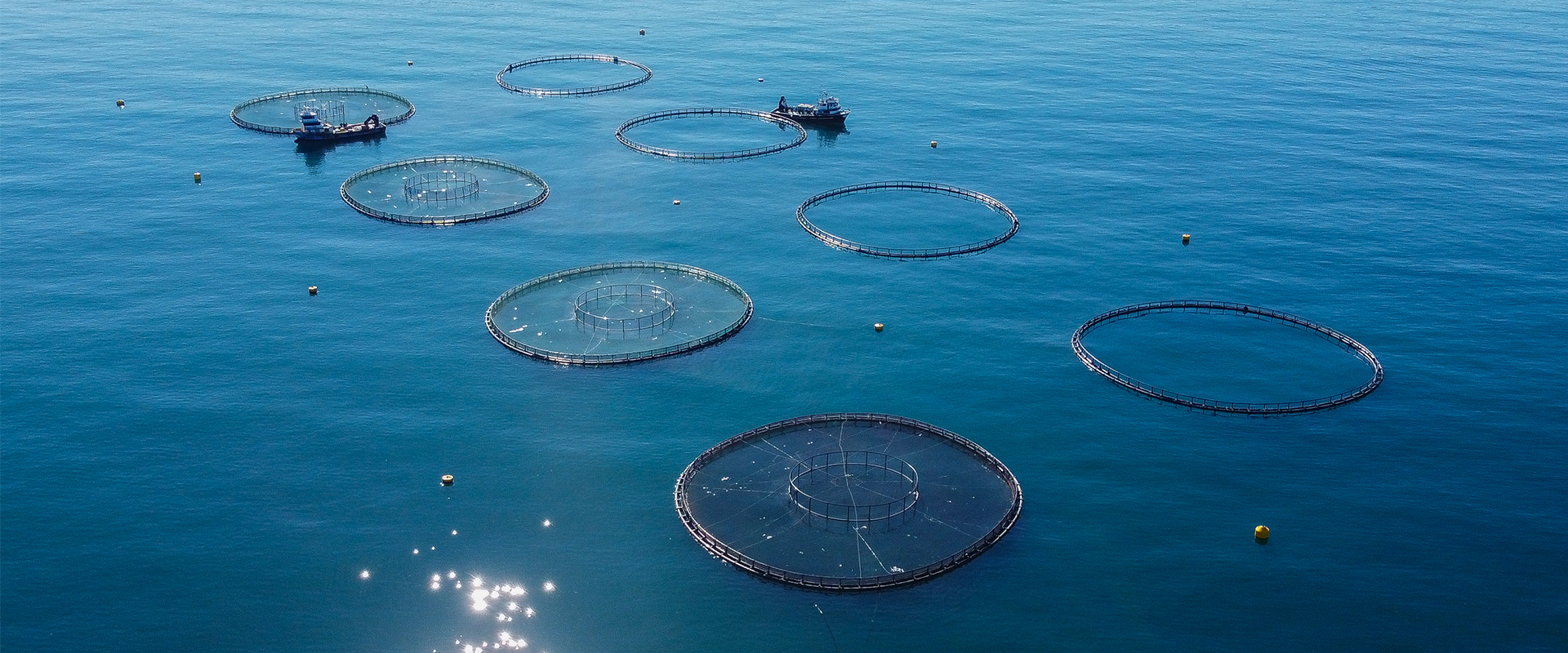
Avoiding Common Mistakes in Turkish Salmon Imports
Importing Turkish salmon can be a rewarding venture, given its high quality and demand in various markets. However, navigating the import process can be complex. Understanding the common mistakes that importers make can help streamline your efforts and enhance your success rate. Here’s a step-by-step guide on what you need to know about Turkish Salmon BlackSea export, tailored to help you avoid these pitfalls and make informed decisions during your import journey. This guide focuses on critical aspects such as regulations, sourcing, and logistics that are crucial for successful imports.
One of the most significant mistakes many first-time importers make is not thoroughly understanding import regulations. It’s essential to familiarize yourself with the legal requirements for importing seafood into your country. Ensure you know the necessary documentation, health standards, and any tariffs that may apply. Failing to comply with these regulations can lead to delays, fines, or even confiscation of your goods.
Another common oversight is the lack of thorough research on suppliers. Engaging with reputable suppliers, like Kıyak Group, known for their quality Turkish salmon and fish exports, is vital. Conducting background checks and understanding the supplier’s production processes can prevent future issues, ensuring you receive high-quality products consistently.
Moreover, logistics is a key area that importers often overlook. Proper shipping conditions are critical for maintaining the quality of salmon. It’s crucial to plan your transportation methods carefully, ensuring the fish is kept at appropriate temperatures throughout the shipping process to avoid spoilage.
Finally, neglecting to establish clear communication with your supplier can lead to misunderstandings regarding order specifics, payment terms, and delivery schedules. Maintaining an open line of communication helps in creating lasting business relationships and avoiding costly errors in the import process. By addressing these common mistakes, you can successfully import Turkish salmon and build a profitable business around it.
Understand Import Regulations
Ensure you are familiar with all legal requirements and documentation needed for importing seafood.
Research Your Suppliers
Choose reputable suppliers like Kıyak Group to ensure high-quality products and reliable service.
Plan Logistics Carefully
Establish proper shipping conditions to maintain product quality during transportation.
High-Quality Protein and Beneficial Fats
Turkish salmon can contribute high-quality protein and beneficial unsaturated fats to a balanced diet. Fish protein supplies essential amino acids used by the body for the maintenance and repair of tissues, while naturally occurring omega-3 fatty acids make oily fish an important part of varied eating patterns. The exact nutritional profile is not identical in every product; it can change with farming conditions, feed, harvest size, edible portion and processing method. For retail labels, menus or health-focused marketing, businesses should rely on a current laboratory analysis or the supplier’s approved nutrition declaration. Preparation also matters: grilling, baking or steaming with moderate added fat can preserve the fish’s natural qualities without unnecessarily increasing calories.
Efficient Regional Logistics
Türkiye's geographic connection to Europe, the Middle East, North Africa, and nearby Eurasian markets can support practical transport planning for Turkish salmon exports. Depending on destination and product format, buyers may evaluate road, sea, or air freight options to balance lead time, shipment size, freshness objectives, and logistics cost.
Supports Year-Round Menu Planning
With an agreed supply program, Turkish salmon can help food-service buyers plan recurring menu items and promotional periods more confidently. Consistent specifications and scheduled deliveries support recipe standardization, portion control, purchasing forecasts, and kitchen operations across restaurants, hotels, and catering businesses.
Suitable for Value-Added Processing
The versatility of Turkish salmon makes it relevant for businesses producing portions, ready-to-cook products, smoked items, marinated selections, or other value-added seafood lines. Importers and processors can use suitable formats as a base for localized recipes and packaging concepts that respond to changing consumer preferences.
E-Commerce and Home Delivery Use
Portioned or retail-packed Turkish salmon can be used in online seafood stores and home-delivery programs. Clearly labeled packs, suitable cold-chain packaging, and practical serving sizes help digital retailers offer a convenient salmon option to customers who order seafood for home cooking.
Custom Weight and Size Specifications
Export orders can be planned around agreed fish weights, fillet dimensions, trim preferences, and portion sizes, subject to production availability. This allows importers to select specifications that fit their local retail plans, kitchen requirements, processing equipment, and customer purchasing habits.
Freezing Application
For frozen orders, the selected Turkish salmon format is frozen using the processor's approved method and production controls. The product is then maintained under frozen storage conditions until loading, allowing buyers to plan longer transit routes, inventory cycles, and further processing programs.
Post-Delivery Review
After delivery, the exporter and buyer can review product conformity, packaging performance, logistics timing, documentation, and customer feedback. Findings from this evaluation are used to refine future specifications, order quantities, delivery schedules, and recurring Turkish salmon export programs.
Assess Cold-Chain Capability
A Turkish salmon supplier should be evaluated on how chilled or frozen conditions are maintained during processing, storage, loading, and transport coordination. Buyers should also verify that their chosen logistics partners and destination warehouse can continue the required temperature-controlled handling after shipment arrival.
Evaluate Total Landed Cost
Importers should compare more than the product price by considering freight, insurance, customs costs, handling, storage, local transport, packaging, and potential processing yield. Reviewing the total landed cost provides a more accurate basis for selecting a Turkish salmon supplier and product format.
Traceable Production Records
Turkish salmon export programs can be supported by batch-based production, processing, packing, and shipment records. Clear traceability gives importers better visibility into product movement and helps them manage receiving checks, inventory control, customer questions, internal quality procedures, and supply-chain documentation.
Turkish Salmon BlackSea Export
A Strategic Seafood Export Opportunity
In conclusion, Turkish salmon offers international buyers a distinctive addition to their seafood portfolios. Its adaptable product formats, regional origin, processing options, and potential for organized export programs make it relevant for wholesale, retail, food-service, and value-added processing channels.
How to Import Turkish Salmon: A Step-by-Step Guide
Discover essential steps to import Turkish salmon successfully while avoiding common pitfalls in the process.
Explore related content
Continue with pages and guides that complement this topic.
Questions about this topic
Clear answers to frequently asked questions related to the blog topic.
How long does Turkish salmon delivery take?
Delivery time depends on production preparation, processing, packaging, documentation, freight booking, origin, destination, customs procedures, and transport mode. Buyers should request a realistic lead-time estimate for the exact order rather than relying on a general delivery figure.
Can Turkish salmon packaging be customized?
Packaging may be customized for suitable orders based on supplier capability, volume, product condition, and buyer requirements. Options can include case size, retail packs, private-label artwork, language details, barcode placement, pack weight, and agreed commercial or traceability information.
Which Turkish salmon products can be exported?
Depending on supplier capability, Turkish salmon may be offered as whole fish, headed and gutted fish, fillets, portions, fresh or chilled products, and frozen formats. Buyers should request a current product list and confirm available sizes, cuts, trimming, skin condition, packaging, and order quantities.
Which transport methods are used for Turkish salmon export?
Road, sea, or air freight may be considered depending on destination, fresh or frozen condition, shipment volume, route availability, required arrival time, and total cost. The exporter and buyer should select the method that best supports the product and delivery plan.
Is private-label Turkish salmon available?
Private-label programs may be arranged with exporters that support customized packaging and labeling. Buyers should provide brand assets, required language, barcode information, product naming, pack size, destination rules, approval process, and expected volume early in the planning stage.