

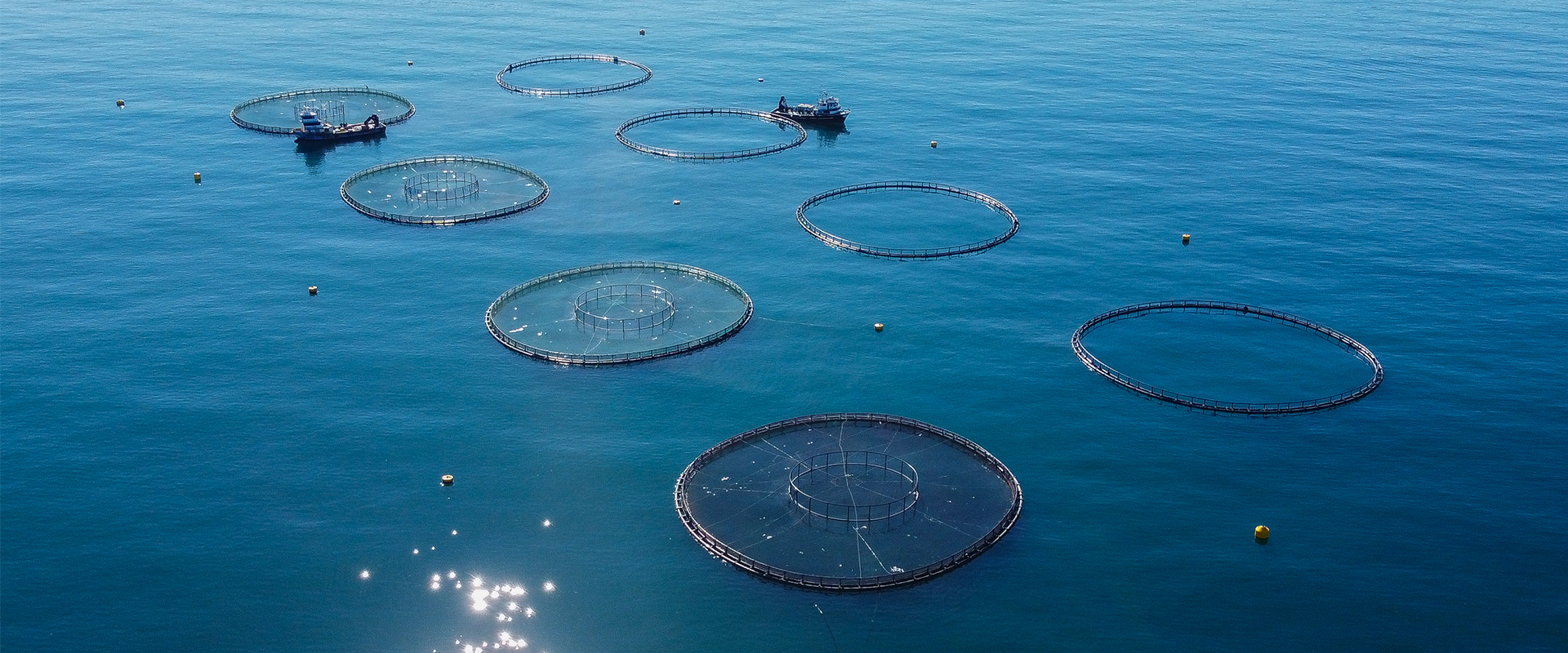
The Rise of Turkish Salmon in Global Markets
Turkish salmon is emerging as a strong competitor in the global fish export market. With its unique taste and quality, it captures the attention of international buyers looking for reliable sources. The growth of the Turkish salmon industry is driven by advancements in aquaculture, sustainability practices, and effective export strategies, making it a notable player on the world stage. This guide provides insights into Turkish salmon export solutions and highlights the advantages of sourcing from Turkey, particularly through reputable suppliers like Kıyak Group.
The Turkish salmon export sector has witnessed remarkable growth due to its strategic geographical positioning and favorable climatic conditions, essential for raising high-quality fish. These factors contribute to the increasing demand for Turkish salmon in markets across Europe, Asia, and beyond. Companies like Kıyak Group are at the forefront of this expansion, offering premium salmon products that cater to international quality standards, thus attracting discerning buyers.
Kıyak Group specializes in the production and export of not only Turkish salmon but also trout, which further enhances its portfolio in the global seafood market. The company emphasizes sustainable practices, ensuring that their operations not only meet market demand but also contribute positively to the environment. This commitment to sustainability and quality is crucial as international consumers become more eco-conscious and selective about their seafood sources.
Navigating the logistics of salmon export is another key aspect that Kıyak Group excels in. By providing tailored solutions that address shipping, packaging, and regulatory compliance, they enable smooth transactions for international buyers. The streamlined export process includes maintaining product freshness and adhering to stringent quality checks, which are vital for keeping up with global market expectations.
As Turkish salmon continues to make its mark worldwide, international buyers can expect to find competitive pricing, exceptional quality, and dedicated service from exporters like Kıyak Group. This growth trajectory not only strengthens Turkey's position in the fish export industry but also supports local economies and communities involved in salmon farming and production.
Quality and Sustainability
Turkish salmon is known for its high quality and the sustainable practices employed in its farming.
Export Efficiency
Kıyak Group ensures efficient export logistics to meet global buyer demands and maintain product freshness.
Market Growth
The rising demand for Turkish salmon is fueled by its unique flavor and reliable sourcing from reputable suppliers.
Prepared for International Supply Chains
Turkish salmon can be supplied to international buyers in chilled or frozen formats, but successful export requires precise coordination between production, processing, documentation and logistics. The chosen format must match transit time, border procedures, customer storage capacity and the shelf life required on arrival. Exporters and importers should confirm health certificates, facility eligibility, labeling, species declaration, packaging marks and any market-specific requirements before dispatch. Insulated packaging, suitable refrigerants where used, temperature monitoring and reliable transport partners help protect the shipment. A pre-agreed document checklist and communication plan reduce delays. Because regulatory requirements can change, every shipment should be checked against the current rules of the destination market rather than relying on an earlier order.
Suitable for Value-Added Processing
The versatility of Turkish salmon makes it relevant for businesses producing portions, ready-to-cook products, smoked items, marinated selections, or other value-added seafood lines. Importers and processors can use suitable formats as a base for localized recipes and packaging concepts that respond to changing consumer preferences.
Strong Potential for Private-Label Programs
Exporters can prepare Turkish salmon for private-label projects according to the buyer's packaging, sizing, labeling, and market-positioning requirements. This creates an advantage for supermarket groups and seafood brands that want a differentiated product line while maintaining control over how the product is presented to consumers in their target market.
Strategic Access to International Seafood Markets
Turkish salmon export gives seafood buyers access to a distinctive product from Türkiye's expanding aquaculture sector. Its positioning between familiar salmon categories and regional seafood traditions can help importers diversify their assortments, reach new customer segments, and present an appealing alternative in competitive retail, food-service, and wholesale markets.
Scheduled Export Programs
Recurring Turkish salmon export programs can be arranged around agreed order cycles, shipment windows, and product specifications. This feature helps importers plan purchases for regular retail replenishment, restaurant supply, promotional activity, or production schedules instead of sourcing each shipment separately.
Whole Fish Export Format
Turkish salmon can be supplied as whole fish for buyers who prefer to handle cutting, filleting, or portioning within their own facilities. This format is suitable for seafood wholesalers, fish markets, and processors seeking maximum control over yield, presentation, and downstream product development.
Sorting and Grading
Fish are sorted and graded according to the weight ranges and product characteristics agreed for the export order. This application helps create consistent cases and enables the buyer to receive products that are better suited to retail display, restaurant portioning, wholesale sale, or further processing.
International Shipment Monitoring
The exporter and logistics partners monitor shipment progress and share relevant transport updates with the buyer. Timely communication allows the importer to coordinate customs procedures, warehouse capacity, receiving staff, onward distribution, and any action required before arrival.
Evaluate Fresh or Frozen Supply
The choice between fresh and frozen Turkish salmon should reflect transit time, inventory turnover, storage capacity, sales forecast, and customer use. Fresh formats suit rapid chilled distribution, while frozen formats can support longer storage periods, wider delivery coverage, and more flexible stock planning.
Choose the Appropriate Product Format
Buyers should first determine whether whole fish, headed and gutted fish, fillets, portions, fresh products, or frozen products best fit their operation. The correct Turkish salmon format depends on local processing capacity, sales channel, customer expectations, kitchen workflow, storage conditions, and intended final presentation.
Organized Export Documentation
Commercial invoices, packing lists, shipment records, certificates, and agreed destination documents should contain consistent order information. Organized documentation builds buyer confidence by supporting customs coordination, receiving verification, traceability, and communication with logistics partners.
Turkish Salmon Export Solutions for International Buyers
Private Label Can Expand Market Reach
Turkish salmon can support private-label development when packaging, labeling, pack size, and product specifications are aligned with the retailer's identity. This approach gives buyers an opportunity to build differentiated seafood ranges for their local consumers.
Exploring the Growth of Turkish Salmon in Global Markets
Discover the growth and opportunities in the Turkish salmon export market, highlighting solutions for international buyers.
Explore related content
Continue with pages and guides that complement this topic.
Questions about this topic
Clear answers to frequently asked questions related to the blog topic.
How should importers compare Turkish salmon suppliers?
Importers should compare product conformity, production capacity, processing options, quality controls, traceability, packaging, documentation, cold-chain coordination, communication, lead times, order flexibility, export experience, and total landed value—not only the quoted product price.
How is Turkish salmon quality checked?
Quality controls may cover incoming fish, grading, processing, trimming, weight, appearance, packaging, labeling, storage, and final shipment conformity. Buyers should request information about the exporter's procedures and define clear acceptance criteria within the agreed product specification.
Which documents are required to import Turkish salmon?
Requirements depend on the destination country and shipment. Common commercial and shipping records may include an invoice, packing list, certificates, health-related documents, origin information, and transport records. Importers should confirm the current list with their customs broker or competent authority before ordering.
Can Turkish salmon be used for smoked products?
Suitable fillets or cuts may be used by processors producing hot-smoked, cold-smoked, marinated, or other value-added seafood products. The processor should confirm raw-material specifications, food-safety controls, recipe requirements, equipment compatibility, and destination-market standards.
Is Turkish salmon suitable for restaurants and hotels?
Turkish salmon can be suitable for restaurants, hotels, catering companies, and institutional kitchens in whole, fillet, or portion formats. Chefs and purchasing teams should select specifications according to recipe, serving size, kitchen workflow, storage capacity, menu positioning, and target food cost.