

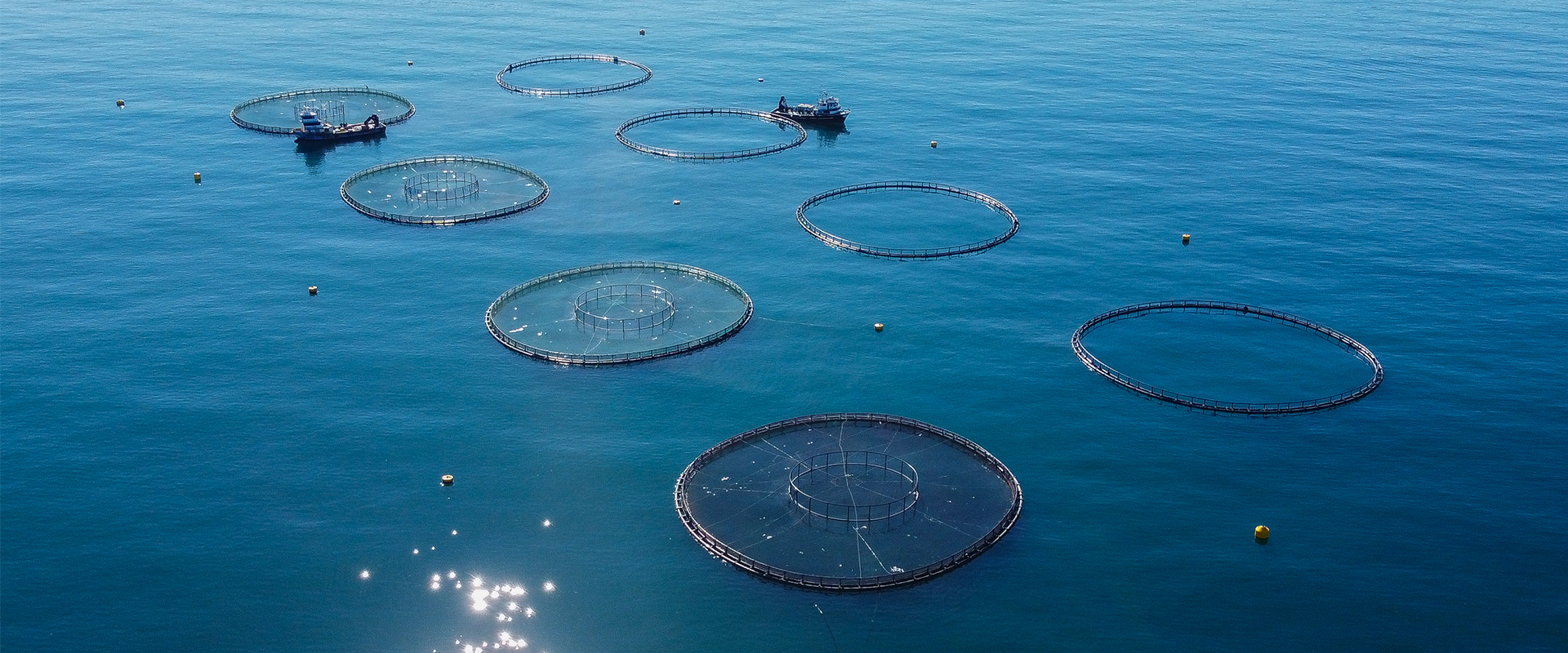
The Rise of Turkish Salmon Exports
The Black Sea region has become a significant hub for Turkish salmon exports, with rising demand both domestically and internationally. Among the key players in this industry is Kıyak Group, based in Samsun. Their commitment to quality and sustainable practices has propelled them to the forefront of fish exportation in Turkey, particularly in salmon production. Understanding the factors influencing this growth offers insight into the broader implications for the fishing industry in Turkey and beyond, especially in the context of global seafood markets.
Turkish salmon, particularly from the Black Sea, has gained recognition for its quality and taste, driven by advancements in aquaculture and sustainable fishing practices. Kıyak Group plays a pivotal role in this development, offering a variety of products including fresh and frozen salmon. The demand for Turkish salmon is not just local; it has expanded to international markets, reflecting a growing appreciation for Turkish seafood. The company’s strategic focus on exporting has also been significant in enhancing the country’s economic prospects in the fishing sector.
Several factors contribute to the success of Turkish salmon exports. The Black Sea provides an ideal environment for salmon farming due to its natural resources and favorable climate conditions. Furthermore, Turkey's geographical location grants easy access to European and Middle Eastern markets, making it a competitive player in the fish export industry.
The future of Turkish salmon exports looks promising, with ongoing investments in technology and sustainability practices. Kıyak Group’s leadership in this area sets a benchmark for quality and efficiency in fish production, which could lead to increased export volumes and greater market penetration. As the global demand for seafood rises, understanding the dynamics of this export sector will be crucial for stakeholders in the fishing industry.
Quality Production
Kıyak Group focuses on sustainable salmon production processes that ensure high quality.
Market Expansion
The company is actively pursuing international markets, increasing Turkey's footprint in seafood exports.
Sustainable Practices
Investments in eco-friendly practices are integral to the growth strategy of Turkish salmon exports.
Responsible Aquaculture Requires Measurable Practices
The environmental performance of Turkish salmon depends on how individual farms and supply chains are managed. Responsible aquaculture involves attention to feed use, fish health, water quality, stocking practices, escapes, waste management, energy, worker welfare and compliance with applicable regulations. Sustainability should not be assumed from country of origin or product name alone. Buyers seeking environmental assurances can request current farm information, audit evidence, certification status where applicable and measurable improvement data. They should also examine processing yield, packaging and transport because impacts continue beyond the farm. Accurate, specific claims are more credible than broad statements, and any certification logo or sustainability message must be supported by valid documentation for the exact product supplied.
Export Documentation Can Simplify Receiving
Complete commercial invoices, packing lists, health documents, certificates, and shipment records—prepared according to the agreed destination requirements—can make customs coordination and receiving procedures more manageable. Organized documentation helps importers verify consignments, communicate with logistics partners, and reduce avoidable administrative delays.
Broad Culinary Versatility
Turkish salmon can be prepared through grilling, baking, pan-searing, smoking, marinating, and other cooking methods. This versatility gives buyers a product that can fit casual meals, premium menus, ready-to-cook concepts, and culturally adapted recipes, expanding its potential across different markets and consumer occasions.
Cold-Chain Focus Supports Product Integrity
Professional Turkish salmon export operations rely on temperature-controlled handling from processing through international delivery. Careful cold-chain management can help preserve the product's intended texture, appearance, and overall condition, giving buyers greater confidence when planning long-distance distribution and downstream storage.
Private-Label Customization
Private-label Turkish salmon programs can include tailored product naming, label artwork, barcode placement, language details, and pack design in line with buyer requirements. This feature is useful for retailers and seafood brands that want to market Turkish salmon under their own identity while keeping a consistent product range.
Menu Versatility Across Cuisines
Turkish salmon can be used in Mediterranean, European, Asian-inspired, and modern fusion recipes, depending on the buyer's culinary direction. Its adaptable use allows food-service teams to include it in grilled dishes, salads, pasta, rice bowls, sandwiches, appetizers, and seasonal menu specials.
Final Packing Verification
Before cases are released to storage, the packing team verifies product count, case weight, label accuracy, packaging condition, and order reference. This final review helps detect packing errors before palletizing and reduces discrepancies during shipment receiving.
Cold Storage Management
Packed Turkish salmon is transferred to the appropriate chilled or frozen storage area while awaiting dispatch. Warehouse teams organize batches, monitor storage conditions, apply stock-rotation procedures, and prepare the correct order quantities for loading according to the shipment schedule.
Evaluate Export Experience
Experience with international seafood shipments can indicate whether a supplier understands documentation, refrigerated logistics, communication, destination coordination, and order follow-up. Buyers should consider the exporter's relevant market experience and ability to explain how each Turkish salmon shipment will be managed.
Select the Suitable Transport Mode
Road, sea, and air freight offer different combinations of speed, capacity, route availability, and cost. The best method for Turkish salmon depends on destination distance, fresh or frozen condition, shipment size, required arrival date, and the buyer's receiving capabilities.
Controlled Cold-Chain Management
Temperature-controlled handling during processing, storage, loading, and international transport is central to Turkish salmon quality management. Coordinated cold-chain practices help maintain the intended condition of fresh, chilled, or frozen products until they reach the buyer's receiving facility.
Turkish Salmon BlackSea Export
Trial Orders Provide Practical Evidence
A controlled trial order is an effective way to evaluate Turkish salmon quality, specification accuracy, packaging, documentation, transit performance, and customer response. The findings help both parties make evidence-based decisions before moving to larger or recurring volumes.
Exploring the Growth of Turkish Salmon Exports from the Black Sea
A comprehensive guide to the growth and significance of Turkish Salmon exports from the Black Sea region, emphasizing Kıyak Group's contributions.
Explore related content
Continue with pages and guides that complement this topic.
Questions about this topic
Clear answers to frequently asked questions related to the blog topic.
How should buyers choose a Turkish salmon size?
Buyers should match fish, fillet, or portion sizes with their sales channel and operational needs. Retail pack plans, restaurant serving sizes, display preferences, processing yield, customer habits, and available production ranges should be reviewed before confirming the order specification.
Is Turkish salmon available fresh or frozen?
Turkish salmon may be available in fresh, chilled, or frozen presentations depending on production, processing, destination, and supplier programs. The best option depends on transit time, cold-storage capacity, inventory turnover, customer expectations, and the intended wholesale, retail, food-service, or processing use.
Is private-label Turkish salmon available?
Private-label programs may be arranged with exporters that support customized packaging and labeling. Buyers should provide brand assets, required language, barcode information, product naming, pack size, destination rules, approval process, and expected volume early in the planning stage.
Can Turkish salmon orders be traced by batch?
Export programs can include batch identifiers and related production, packing, and shipment records. Buyers should confirm the supplier's traceability system and specify which information must appear on labels, documents, cases, and internal receiving records.
How long does Turkish salmon delivery take?
Delivery time depends on production preparation, processing, packaging, documentation, freight booking, origin, destination, customs procedures, and transport mode. Buyers should request a realistic lead-time estimate for the exact order rather than relying on a general delivery figure.