

Understanding Turkish Salmon BlackSea Export
The global fish market is witnessing a surge in demand for high-quality seafood, and Turkish salmon from the Black Sea is gaining significant attention. As a product of a pristine environment, it offers not just exceptional taste but also substantial nutritional benefits. This guide delves into the factors contributing to the rising export of Turkish salmon, emphasizing its unique qualities and the market opportunities it presents for buyers worldwide. With an increasing consumer preference for sustainable and healthy seafood options, Turkish salmon stands out as a preferred choice in international markets.
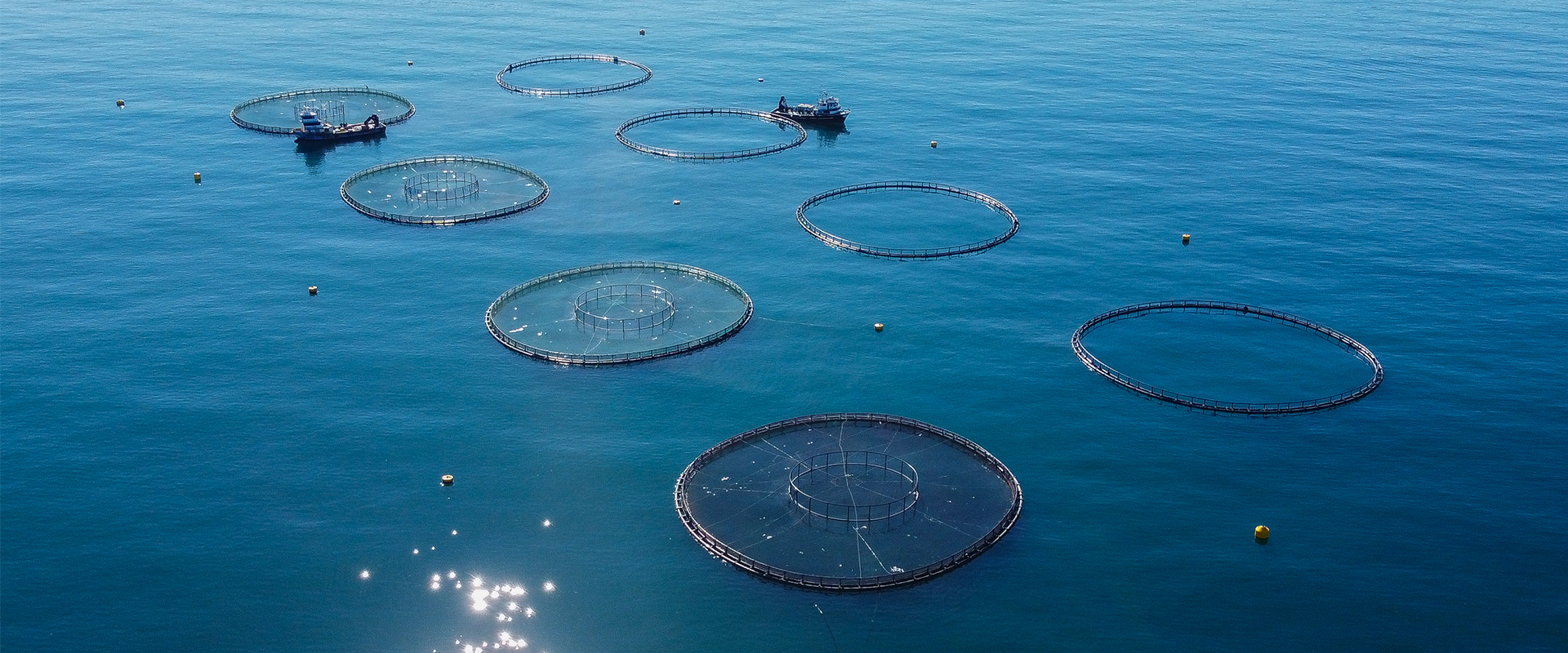
The Black Sea is renowned for its rich biodiversity, making it an ideal habitat for salmon farming. Turkish salmon, nurtured in these waters, is characterized by its distinct flavor and high oil content, which translates into a superior eating experience. Kıyak Group, a prominent player in the Turkish fish export sector, has been pivotal in promoting this delicacy globally. While ensuring the highest standards of production and sustainability, the company focuses on delivering fresh, high-quality salmon to various markets.
The export process involves careful handling and packaging to maintain freshness during transit. With the expansion of global logistics networks, Turkish salmon is increasingly reaching restaurants and retailers worldwide, satisfying consumer demand for premium seafood. Furthermore, the Turkish fishing industry is adapting to trends emphasizing health, environmental responsibility, and traceability, positioning Turkish salmon as a future-proof product in a competitive marketplace. As health-conscious consumers continue to seek out nutritious options, the outlook for Turkish salmon exports remains promising, suggesting a bright future for this valuable sector.
Quality and Sustainability
Turkish salmon is raised in clean, nutrient-rich waters of the Black Sea, ensuring high-quality production.
Market Demand
The growing appetite for healthy seafood options drives international demand for Turkish salmon.
Export Opportunities
Kıyak Group enables efficient distribution channels, facilitating easier access to global markets.
Oven Baking for Consistent Results
Oven baking is a practical method for Turkish salmon because it handles individual portions or larger fillet sections with relatively little active labor. Portions can be placed with vegetables, citrus slices and herbs to create a complete tray-style preparation, while parchment or covered cooking can limit moisture loss. Consistency improves when pieces have similar thickness and are spaced so hot air can circulate. The correct endpoint must follow the kitchen’s approved food-safety procedure and account for carryover cooking after removal from the oven. For catering, baked salmon can also simplify batch planning, provided cooked food is held, cooled or reheated under controlled conditions. Sauces are best added with attention to the fish’s natural richness.
Reliable Supply for Global Buyers
A well-planned Turkish salmon export program can support consistent purchasing schedules for international distributors. Coordinated production, processing, cold storage, and shipment planning helps buyers maintain continuity across seasonal campaigns, restaurant menus, and retail promotions while reducing the operational difficulty of sourcing seafood through fragmented channels.
Adaptability Across Sales Channels
Turkish salmon can serve several channels, from seafood wholesalers and supermarket chains to hotels, restaurants, catering businesses, and processors. This broad commercial usability allows importers to distribute the same product family through multiple customer segments and develop channel-specific packaging, portioning, or promotional strategies.
Traceability Builds Buyer Confidence
Batch records, production information, packing details, and shipment documentation can make Turkish salmon easier to follow through the supply chain. When exporters provide clear and organized traceability data, importers gain better visibility for internal quality procedures, customer inquiries, inventory management, and destination-market compliance checks.
Frozen Product Options
Where available, frozen Turkish salmon formats can support buyers who need longer storage windows and more flexible inventory planning. Frozen products may be used for retail freezer ranges, food-service distribution, industrial processing, and export programs serving destinations where transit times or stock-management cycles are longer.
Supermarket Seafood Counter Use
Turkish salmon is suitable for supervised seafood counters where staff sell whole fish, fillets, or cut-to-order portions. Buyers can use this format to offer visible freshness, support customer requests for specific cuts, and build attractive displays alongside other chilled seafood products.
Destination Receiving Procedure
At destination, the buyer verifies shipment identity, case quantities, packaging condition, documents, and product temperature according to internal receiving procedures. Any observation is recorded promptly, and accepted Turkish salmon is transferred to the appropriate chilled or frozen storage area.
Refrigerated Loading
During loading, the correct cases and batch quantities are verified against shipment documents. Products are transferred from cold storage to the prepared refrigerated transport unit using controlled handling practices, after which the load is secured and released for international transit.
Define the Required Weight Range
Selecting a clear fish or fillet weight range helps the exporter grade the order consistently. Importers should match size specifications with retail pack plans, restaurant portions, processing yields, display preferences, and consumer purchasing habits before confirming a Turkish salmon export order.
Check Product Appearance
When assessing Turkish salmon, buyers should review the agreed visual criteria for the selected format, including overall condition, color consistency, cut quality, surface appearance, and packaging presentation. Clear acceptance standards make product inspection more objective at both dispatch and destination receiving.
Hygienic Handling Practices
Professional seafood processing relies on established hygiene procedures for personnel, equipment, surfaces, tools, water use, waste handling, and production areas. Buyers should evaluate how the Turkish salmon supplier applies and records these controls within daily operations.
Turkish Salmon BlackSea Export
Long-Term Planning Creates Stability
Forecasting demand, scheduling orders, reserving production capacity, and coordinating transport can make Turkish salmon supply more stable. Long-term planning allows exporters and buyers to prepare for seasonal changes, promotional periods, and growth in customer demand.
Exploring the Global Demand for Turkish Salmon from the Black Sea
Discover the rising global demand for Turkish Salmon export from the Black Sea region. Learn about production, quality, and market trends.
Explore related content
Continue with pages and guides that complement this topic.
Questions about this topic
Clear answers to frequently asked questions related to the blog topic.
Can Turkish salmon orders be traced by batch?
Export programs can include batch identifiers and related production, packing, and shipment records. Buyers should confirm the supplier's traceability system and specify which information must appear on labels, documents, cases, and internal receiving records.
How should buyers choose a Turkish salmon size?
Buyers should match fish, fillet, or portion sizes with their sales channel and operational needs. Retail pack plans, restaurant serving sizes, display preferences, processing yield, customer habits, and available production ranges should be reviewed before confirming the order specification.
Is Turkish salmon available fresh or frozen?
Turkish salmon may be available in fresh, chilled, or frozen presentations depending on production, processing, destination, and supplier programs. The best option depends on transit time, cold-storage capacity, inventory turnover, customer expectations, and the intended wholesale, retail, food-service, or processing use.
Is private-label Turkish salmon available?
Private-label programs may be arranged with exporters that support customized packaging and labeling. Buyers should provide brand assets, required language, barcode information, product naming, pack size, destination rules, approval process, and expected volume early in the planning stage.
How long does Turkish salmon delivery take?
Delivery time depends on production preparation, processing, packaging, documentation, freight booking, origin, destination, customs procedures, and transport mode. Buyers should request a realistic lead-time estimate for the exact order rather than relying on a general delivery figure.