

The Rising Popularity of Turkish Salmon in Global Markets
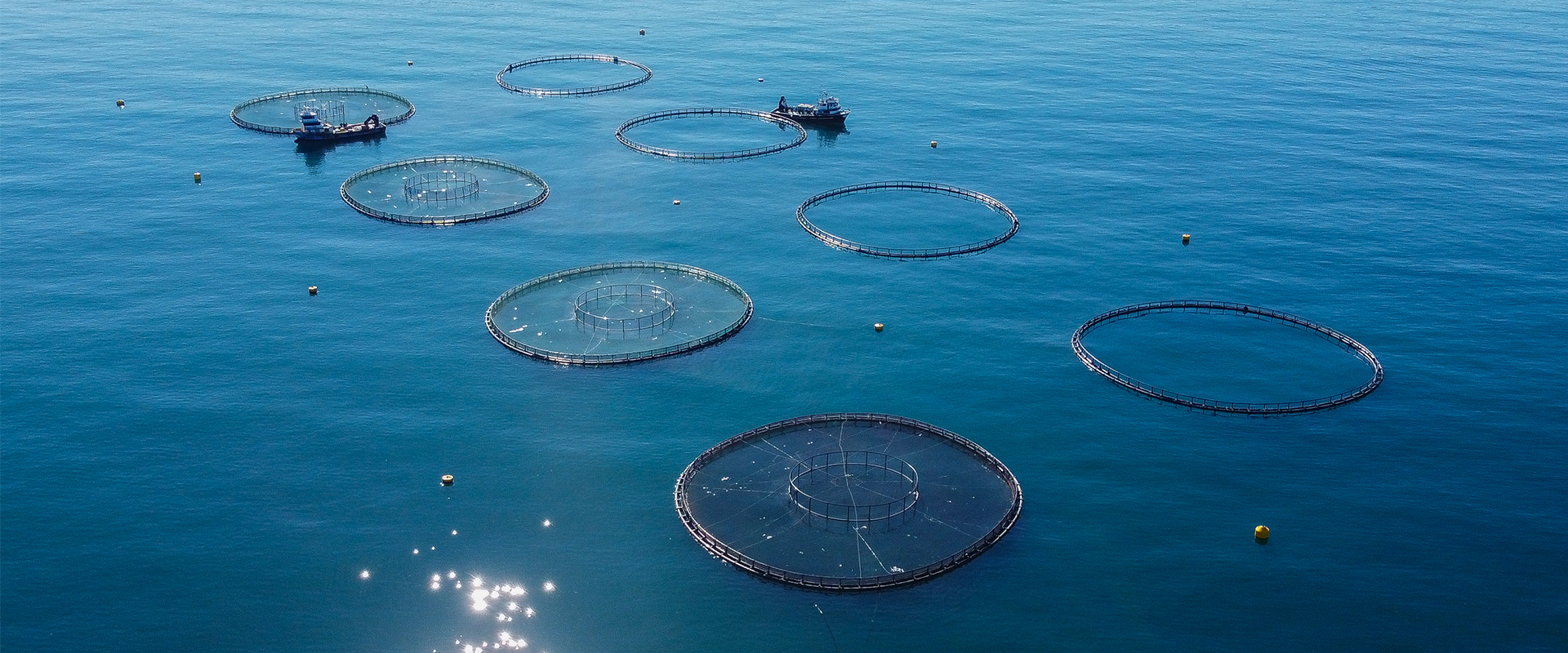
The global seafood market is witnessing a significant increase in demand for high-quality products, particularly Fresh and Frozen Turkish Salmon. Known for its rich flavor and nutritional benefits, this premium seafood has found a prominent place on international dining tables. The unique characteristics of Turkish salmon, cultivated under ideal conditions, contribute to its growing reputation as a preferred choice for consumers and businesses alike. As countries seek sustainable and high-quality seafood options, Turkish salmon emerges as a strong contender in the competitive seafood landscape.
Turkish salmon is not only celebrated for its exceptional taste but also for its health benefits. Rich in omega-3 fatty acids, vitamins, and minerals, it supports heart health, skin quality, and overall wellness. Sustainability is at the core of the Kıyak Group's approach, which employs responsible fishing practices and environmentally friendly methods to ensure the preservation of marine ecosystems. As a result, this commitment appeals to health-conscious consumers and eco-aware businesses looking to source sustainable seafood products. Moreover, the strategic location of Kıyak Group in Samsun, Turkey, facilitates efficient distribution worldwide, allowing for fresher products to reach consumers faster. The increasing popularity of Turkish cuisine globally further boosts the demand for fresh and frozen salmon, as chefs and food enthusiasts search for authentic, quality ingredients. Looking ahead, the future of Turkish salmon export appears promising, with continuous advancements in farming techniques and sustainability initiatives aimed at meeting the evolving market needs.
Nutritional Benefits
Turkish salmon is rich in omega-3 fatty acids, promoting heart health and reducing inflammation.
Sustainability Practices
The Kıyak Group emphasizes eco-friendly fishing methods, enhancing its appeal to environmentally conscious consumers.
Global Reach
With strategic distribution logistics, fresh and frozen Turkish salmon reaches international markets swiftly, ensuring quality.
Grilling Turkish Salmon
For grilling, evenly cut Turkish salmon portions help the kitchen achieve consistent cooking and presentation. Skin-on pieces can be useful because the skin protects the flesh and may become crisp when the surface is dry and the grill is properly prepared. A light coating of oil and restrained seasoning allow the natural flavor to remain clear. Thick sugary marinades should be managed carefully because they can burn before the center is ready. Cooking time varies with portion thickness, starting temperature and equipment, so visual appearance alone is not a reliable safety control. When the fish releases cleanly from the grill and remains moist inside, it works well with lemon, herbs, grilled vegetables or grain-based side dishes.
Reliable Supply for Global Buyers
A well-planned Turkish salmon export program can support consistent purchasing schedules for international distributors. Coordinated production, processing, cold storage, and shipment planning helps buyers maintain continuity across seasonal campaigns, restaurant menus, and retail promotions while reducing the operational difficulty of sourcing seafood through fragmented channels.
Supports Year-Round Menu Planning
With an agreed supply program, Turkish salmon can help food-service buyers plan recurring menu items and promotional periods more confidently. Consistent specifications and scheduled deliveries support recipe standardization, portion control, purchasing forecasts, and kitchen operations across restaurants, hotels, and catering businesses.
Competitive Value for Importers
Turkish salmon can offer importers a useful balance between product quality, commercial positioning, and procurement flexibility. This value proposition allows wholesalers and retailers to build attractive seafood ranges without relying on a single origin, while creating room for different pack sizes, customer groups, and price points within their market strategy.
Custom Weight and Size Specifications
Export orders can be planned around agreed fish weights, fillet dimensions, trim preferences, and portion sizes, subject to production availability. This allows importers to select specifications that fit their local retail plans, kitchen requirements, processing equipment, and customer purchasing habits.
E-Commerce and Home Delivery Use
Portioned or retail-packed Turkish salmon can be used in online seafood stores and home-delivery programs. Clearly labeled packs, suitable cold-chain packaging, and practical serving sizes help digital retailers offer a convenient salmon option to customers who order seafood for home cooking.
Freezing Application
For frozen orders, the selected Turkish salmon format is frozen using the processor's approved method and production controls. The product is then maintained under frozen storage conditions until loading, allowing buyers to plan longer transit routes, inventory cycles, and further processing programs.
Post-Delivery Review
After delivery, the exporter and buyer can review product conformity, packaging performance, logistics timing, documentation, and customer feedback. Findings from this evaluation are used to refine future specifications, order quantities, delivery schedules, and recurring Turkish salmon export programs.
Evaluate Total Landed Cost
Importers should compare more than the product price by considering freight, insurance, customs costs, handling, storage, local transport, packaging, and potential processing yield. Reviewing the total landed cost provides a more accurate basis for selecting a Turkish salmon supplier and product format.
Assess Cold-Chain Capability
A Turkish salmon supplier should be evaluated on how chilled or frozen conditions are maintained during processing, storage, loading, and transport coordination. Buyers should also verify that their chosen logistics partners and destination warehouse can continue the required temperature-controlled handling after shipment arrival.
Final Order Conformity Review
Before dispatch, the completed Turkish salmon order can be reviewed against the packing list and approved specification. Checking case quantities, weights, labels, packaging condition, product format, and batch references helps detect discrepancies before the shipment leaves the facility.
Fresh and Frozen Turkish Salmon Export
The Right Specification Creates Value
Turkish salmon delivers the greatest commercial value when the buyer defines the correct format, size, processing level, packaging, labeling, and delivery schedule. A clear specification reduces uncertainty and helps the exporter prepare products that match local market and operational needs.
Exploring the Global Demand for Fresh and Frozen Turkish Salmon
Discover the benefits of Fresh and Frozen Turkish Salmon Export and its growing global demand. Learn about its quality, sustainability, and market trends.
Explore related content
Continue with pages and guides that complement this topic.
Questions about this topic
Clear answers to frequently asked questions related to the blog topic.
How is Turkish salmon quality checked?
Quality controls may cover incoming fish, grading, processing, trimming, weight, appearance, packaging, labeling, storage, and final shipment conformity. Buyers should request information about the exporter's procedures and define clear acceptance criteria within the agreed product specification.
Can Turkish salmon be used for smoked products?
Suitable fillets or cuts may be used by processors producing hot-smoked, cold-smoked, marinated, or other value-added seafood products. The processor should confirm raw-material specifications, food-safety controls, recipe requirements, equipment compatibility, and destination-market standards.
Is Turkish salmon suitable for restaurants and hotels?
Turkish salmon can be suitable for restaurants, hotels, catering companies, and institutional kitchens in whole, fillet, or portion formats. Chefs and purchasing teams should select specifications according to recipe, serving size, kitchen workflow, storage capacity, menu positioning, and target food cost.
How should importers compare Turkish salmon suppliers?
Importers should compare product conformity, production capacity, processing options, quality controls, traceability, packaging, documentation, cold-chain coordination, communication, lead times, order flexibility, export experience, and total landed value—not only the quoted product price.
Which documents are required to import Turkish salmon?
Requirements depend on the destination country and shipment. Common commercial and shipping records may include an invoice, packing list, certificates, health-related documents, origin information, and transport records. Importers should confirm the current list with their customs broker or competent authority before ordering.