

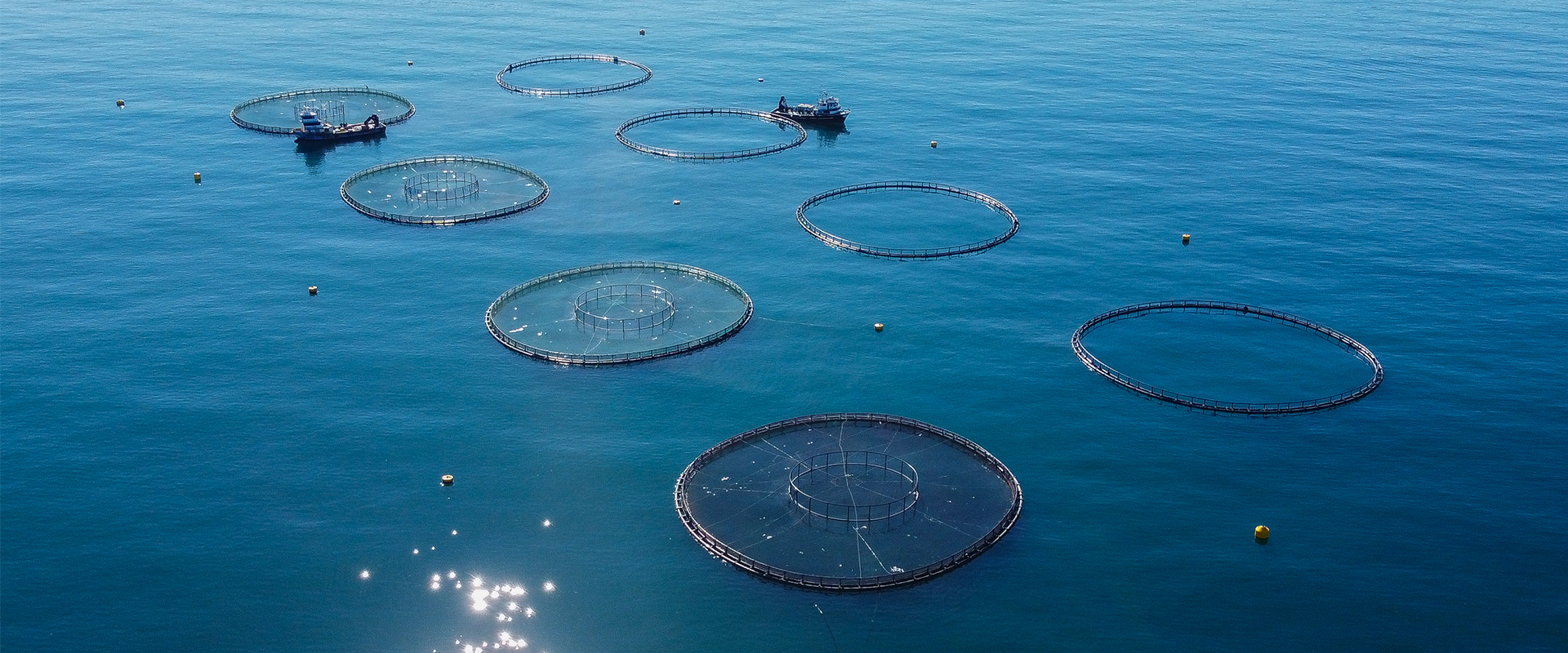
The Global Demand for Turkish Salmon
Turkey is emerging as a significant player in the global seafood market, particularly in the realm of salmon exports. With its ideal geographic location, Turkey not only boasts a rich marine environment but also an established infrastructure for fisheries. Notably, Kıyak Group stands out in this sector, focusing on producing high-quality Turkish salmon that meets international standards. This intriguing landscape calls for an exploration of the potential and opportunities that lie within the Turkish salmon export industry.
As consumers around the world become increasingly health-conscious, the demand for salmon has seen remarkable growth. Turkish salmon, known for its fresh taste and rich nutritional profile, is gaining popularity beyond the national borders. The Kıyak Group plays a pivotal role in this sector by producing superior quality salmon and ensuring efficient supply channels to reach global markets. With advancements in sustainable fishing practices and innovative processing techniques, the company aims to enhance its footprint in international markets. The exportation process involves meticulous quality control, ensuring that the salmon meets foreign market regulations. The Kıyak Group's strategic investments in aquaculture and logistics have positioned it for success in the competitive landscape of seafood exports. Moreover, the growing awareness around sustainable seafood sourcing further amplifies the potential for Turkish salmon to thrive globally. As the market evolves, the focus is not only on volume but also on reliability and sustainability, making Kıyak Group a commendable player in the field of Turkish salmon export.
Rising Global Demand
The global appetite for salmon, due to its health benefits, is on the rise, providing a market for Turkish exports.
Quality Control Standards
Ensuring adherence to international quality standards is crucial for successfully tapping into foreign markets.
Sustainable Practices
Investments in sustainable fishing practices are vital for the long-term success of Turkish salmon exports.
Naturally Occurring Vitamins and Minerals
In addition to protein and fat, Turkish salmon may provide useful micronutrients commonly associated with oily fish, including vitamin B12, vitamin D, selenium and phosphorus. These nutrients support several normal functions in the body, but the quantity present depends on the specific product and portion. Nutritional communication should therefore avoid treating every fillet as identical or making medical claims that are not supported by approved evidence. A supplier specification, nutrition panel or accredited laboratory report is the right reference for exact values. From a menu-planning perspective, the fish works well with vegetables, whole grains, legumes and salads, creating complete meals that combine protein, fiber and a broad range of micronutrients.
Export Documentation Can Simplify Receiving
Complete commercial invoices, packing lists, health documents, certificates, and shipment records—prepared according to the agreed destination requirements—can make customs coordination and receiving procedures more manageable. Organized documentation helps importers verify consignments, communicate with logistics partners, and reduce avoidable administrative delays.
Diversified Sourcing Strategy
Adding Turkish salmon to a seafood portfolio can reduce dependence on a limited number of origins. A broader sourcing base gives importers more options when planning seasonal demand, negotiating supply programs, or responding to disruptions, while also enabling them to introduce a new origin story to customers seeking variety in the salmon category.
Responsive Export Partnerships
Working directly with an experienced Turkish salmon exporter can improve communication on specifications, packing, documentation, production timing, and shipment planning. A responsive supplier relationship helps buyers resolve operational questions quickly and align each order more closely with destination requirements and commercial expectations.
Whole Fish Export Format
Turkish salmon can be supplied as whole fish for buyers who prefer to handle cutting, filleting, or portioning within their own facilities. This format is suitable for seafood wholesalers, fish markets, and processors seeking maximum control over yield, presentation, and downstream product development.
Scheduled Export Programs
Recurring Turkish salmon export programs can be arranged around agreed order cycles, shipment windows, and product specifications. This feature helps importers plan purchases for regular retail replenishment, restaurant supply, promotional activity, or production schedules instead of sourcing each shipment separately.
International Shipment Monitoring
The exporter and logistics partners monitor shipment progress and share relevant transport updates with the buyer. Timely communication allows the importer to coordinate customs procedures, warehouse capacity, receiving staff, onward distribution, and any action required before arrival.
Sorting and Grading
Fish are sorted and graded according to the weight ranges and product characteristics agreed for the export order. This application helps create consistent cases and enables the buyer to receive products that are better suited to retail display, restaurant portioning, wholesale sale, or further processing.
Choose the Appropriate Product Format
Buyers should first determine whether whole fish, headed and gutted fish, fillets, portions, fresh products, or frozen products best fit their operation. The correct Turkish salmon format depends on local processing capacity, sales channel, customer expectations, kitchen workflow, storage conditions, and intended final presentation.
Evaluate Fresh or Frozen Supply
The choice between fresh and frozen Turkish salmon should reflect transit time, inventory turnover, storage capacity, sales forecast, and customer use. Fresh formats suit rapid chilled distribution, while frozen formats can support longer storage periods, wider delivery coverage, and more flexible stock planning.
Packaging Integrity Checks
Export packaging is reviewed to confirm that cases are correctly assembled, closed, labeled, and suitable for the selected product condition. Strong packaging integrity helps protect Turkish salmon during cold storage, loading, transit, unloading, and onward distribution.
Turkish Salmon Exporter and Global Supplier
Product Versatility Supports Growth
Whole fish, headed and gutted products, fillets, portions, fresh packs, and frozen formats give Turkish salmon broad commercial versatility. Buyers can select the most suitable presentation for existing operations and introduce additional formats as market demand grows.
Exploring the Export Potential of Turkish Salmon
Discover the growing potential of Turkish salmon as a global export, examining the Kıyak Group's role in the market.
Explore related content
Continue with pages and guides that complement this topic.
Questions about this topic
Clear answers to frequently asked questions related to the blog topic.
Is Turkish salmon suitable for restaurants and hotels?
Turkish salmon can be suitable for restaurants, hotels, catering companies, and institutional kitchens in whole, fillet, or portion formats. Chefs and purchasing teams should select specifications according to recipe, serving size, kitchen workflow, storage capacity, menu positioning, and target food cost.
How is Turkish salmon quality checked?
Quality controls may cover incoming fish, grading, processing, trimming, weight, appearance, packaging, labeling, storage, and final shipment conformity. Buyers should request information about the exporter's procedures and define clear acceptance criteria within the agreed product specification.
What is the minimum order quantity for Turkish salmon?
Minimum order quantity varies by exporter, product format, packaging type, production schedule, shipment method, and destination. Buyers should request a quotation for their exact specification and ask whether trial orders, mixed sizes, or recurring shipment programs are available.
Can buyers request samples or a trial order?
A trial shipment may be possible depending on exporter policy, minimum quantities, destination, logistics, and product availability. Trial orders help buyers assess quality, specification accuracy, packaging, documentation, transport performance, processing yield, and customer response before planning larger volumes.
Which transport methods are used for Turkish salmon export?
Road, sea, or air freight may be considered depending on destination, fresh or frozen condition, shipment volume, route availability, required arrival time, and total cost. The exporter and buyer should select the method that best supports the product and delivery plan.