
Evaluating Turkish Salmon for Seafood Trading
Turkish Salmon is emerging as a noteworthy player in the seafood trading industry, offering high-quality fish sourced from Turkey's pristine waters. Known for its rich flavor and nutritional benefits, Turkish Salmon is not only favored in local markets but is also gaining international recognition. As demand for sustainable seafood continues to rise, understanding the qualities and market potential of Turkish Salmon can significantly benefit seafood traders and consumers alike. This evaluation will delve into the unique characteristics and advantages of Turkish Salmon, positioning it as a prime choice for the seafood market.
Understanding Turkish Salmon in the Global Market
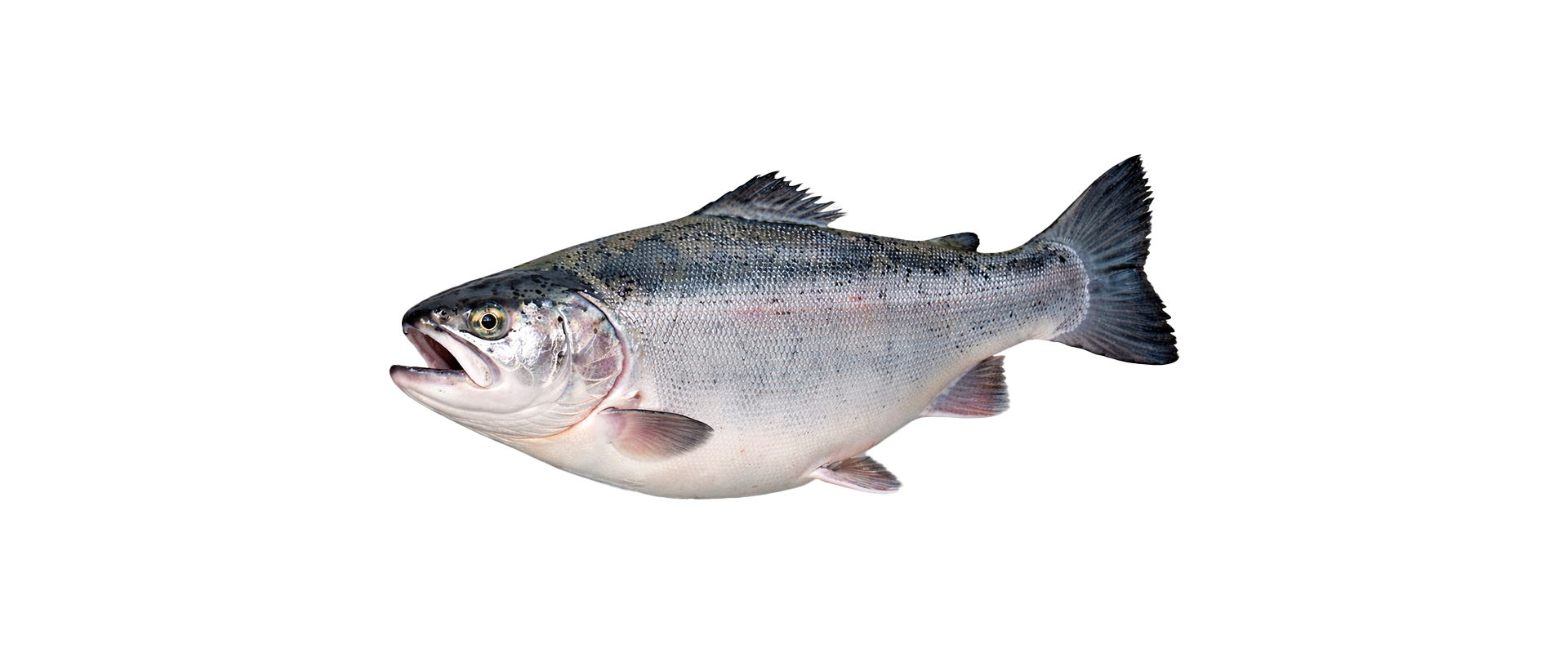
The introduction of Turkish Salmon into the global seafood market showcases Turkey's commitment to high standards in fish farming and exportation. With the Kıyak Group leading the way, Turkish Salmon is cultivated in an environment that ensures optimal growth conditions and sustainability. This fish is characterized by its firm texture, distinct flavor, and high omega-3 fatty acid content, making it appealing not just for its taste but also for its health benefits.
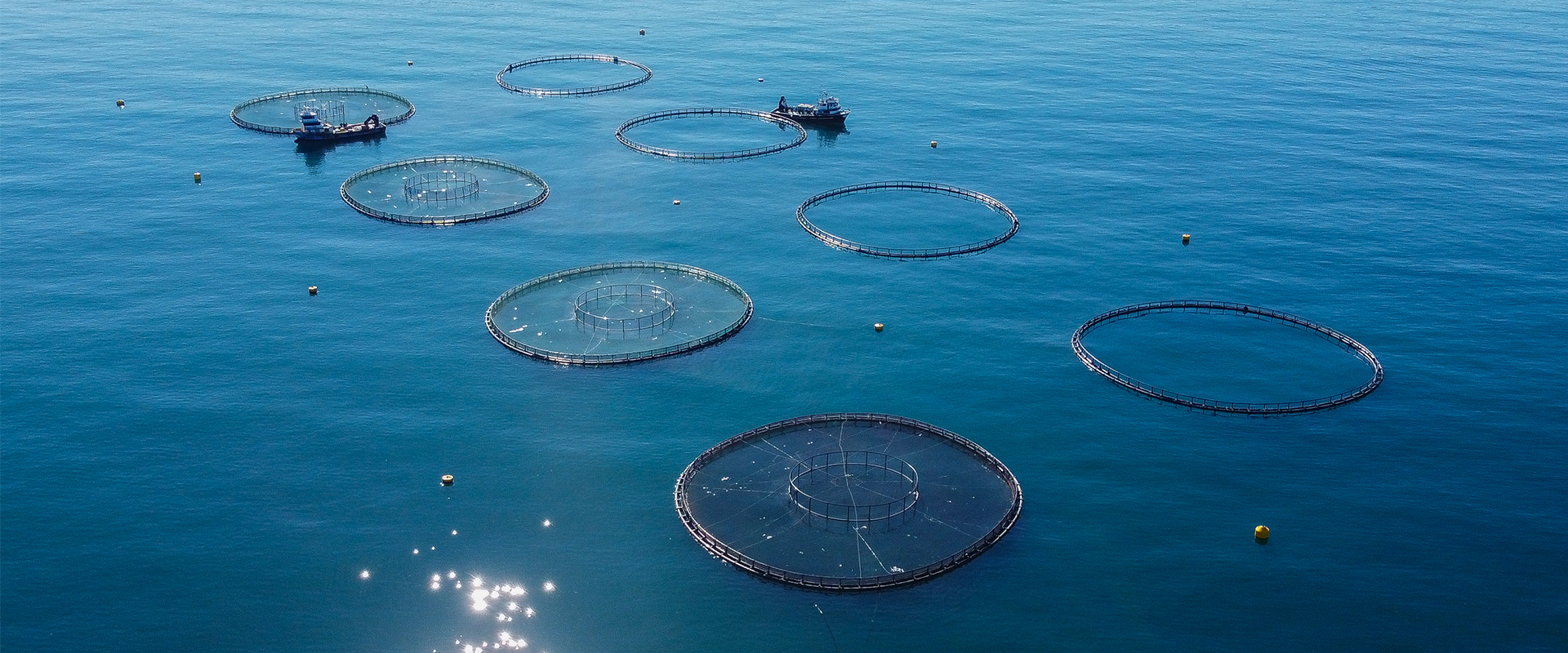
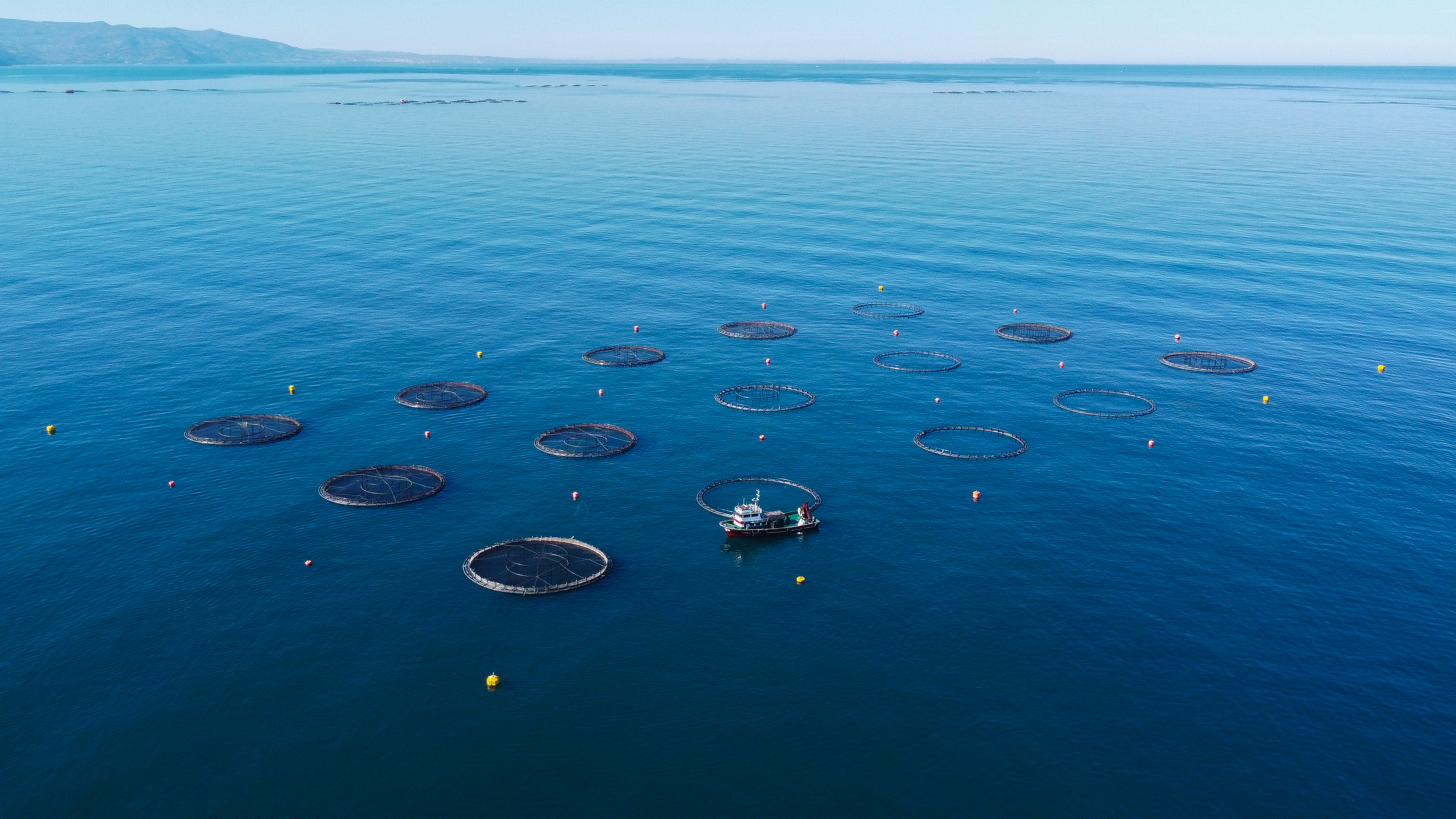
Kıyak Group's operations in Samsun highlight the proficiency in farming practices that yield consistently high-quality salmon. The production process adheres to strict regulations that ensure both the quality of the fish and environmentally responsible practices. Furthermore, the geographical advantages of Turkey lend themselves well to fish farming, with natural waterways that provide a suitable habitat for salmon.
As seafood trading continues to evolve, the demand for Turkish Salmon is anticipated to grow due to its unique offerings and the increasing consumer shift towards healthier protein choices. Retailers and distributors can benefit from incorporating Turkish Salmon into their product lines, appealing to health-conscious consumers looking for premium seafood options.
Quality of Turkish Salmon
Turkish Salmon is renowned for its rich flavor and high nutritional value, appealing to health-conscious consumers.
Sustainable Farming Practices
Kıyak Group employs eco-friendly methods to ensure responsible salmon farming while maintaining product quality.
Market Potential
With increasing global demand for premium seafood, Turkish Salmon is well-positioned for growth in trade opportunities.
Building Long-Term Regional Partnerships
Turkish salmon trade can develop through long-term cooperation between producers, exporters, importers, distributors, retailers, and food-service businesses. Regular feedback on regional demand, logistics, specifications, packaging, and customer response helps partners create more stable and market-focused supply programs.
Local Employment and Seafood Expertise
Aquaculture, processing, packaging, quality control, cold storage, and logistics create specialized work across the Turkish salmon supply chain. This local knowledge supports daily production activities and contributes to the operational experience required for preparing seafood for international markets.
Regional Processing Infrastructure
Turkish salmon export depends on coordinated local operations that connect production areas with processing, packaging, cold storage, and transport services. This regional infrastructure helps convert harvested fish into buyer-specific formats suitable for wholesale, retail, food service, or further processing.
Regional Cold-Chain Coordination
Maintaining Turkish salmon quality requires cooperation between local processors, cold stores, transport companies, freight forwarders, and destination partners. Regional cold-chain coordination supports controlled movement from the production area to international loading and onward delivery.
Turkish Salmon and the Black Sea Region
Turkish salmon is closely associated with aquaculture activity connected to Türkiye's Black Sea region. This regional identity gives exporters a clear origin story and allows international buyers to position the product around its Turkish production background, coastal supply network, and connection to a recognized seafood-producing area.
Türkiye as a Regional Seafood Supplier
Türkiye's location between Europe, Asia, the Middle East, and the Black Sea gives Turkish salmon exporters access to several regional trade corridors. Buyers can evaluate transport routes and delivery programs according to destination distance, product condition, shipment size, and local distribution requirements.
Connection to Middle Eastern Demand
Türkiye's proximity to Middle Eastern markets creates commercial potential for Turkish salmon suppliers serving wholesalers, supermarkets, hotels, restaurants, and catering businesses. Product format, labeling language, documentation, packaging, and delivery planning can be adapted to the specific requirements of each destination.
Frequently Asked Questions
Can labels be printed in multiple languages?
Multilingual labels may be prepared when the buyer supplies or approves accurate translations and mandatory destination information. Product identity, net weight, storage condition, batch coding, importer details, barcode, and regulatory statements should be reviewed before printing.
Is glazing used on frozen Turkish salmon?
Glazing may be applied to certain frozen products to support product protection during storage. Buyers should confirm whether glazing is used, the agreed declaration method, net-weight basis, packaging information, and destination labeling requirements before ordering.
How is net weight confirmed for export cases?
Net weight is checked according to the product format, packing process, agreed tolerances, and applicable commercial requirements. Importers should define whether they require fixed or variable weights and how case-level and unit-level weights should appear on labels and documents.
What species is marketed as Turkish salmon?
The commercial name Turkish salmon may refer to a salmon-category aquaculture product marketed by Turkish suppliers. Because terminology and specifications can vary, importers should confirm the scientific species name, commercial description, origin, production method, and label wording before placing an order.
Who approves private-label artwork?
The buyer normally provides or approves brand artwork, while the exporter confirms production feasibility and printing requirements. Both parties should sign off on the final file, product details, dimensions, colors, barcode, language, and mandatory information before packaging is produced.
How is order availability confirmed?
Availability is confirmed after reviewing current stock or production plans, required size, format, quantity, packaging, target shipment date, and destination. A written confirmation or accepted order document should be obtained before the buyer makes downstream sales commitments.
Regional Adaptation Improves Relevance
Turkish salmon export strategies should reflect the destination's preferred sizes, pack formats, cuisine, retail structure, food-service demand, labeling rules, and logistics conditions. Adapting the offer to the local market increases its practical relevance and commercial potential.
Explore related content
Continue with pages and guides that complement this topic.