
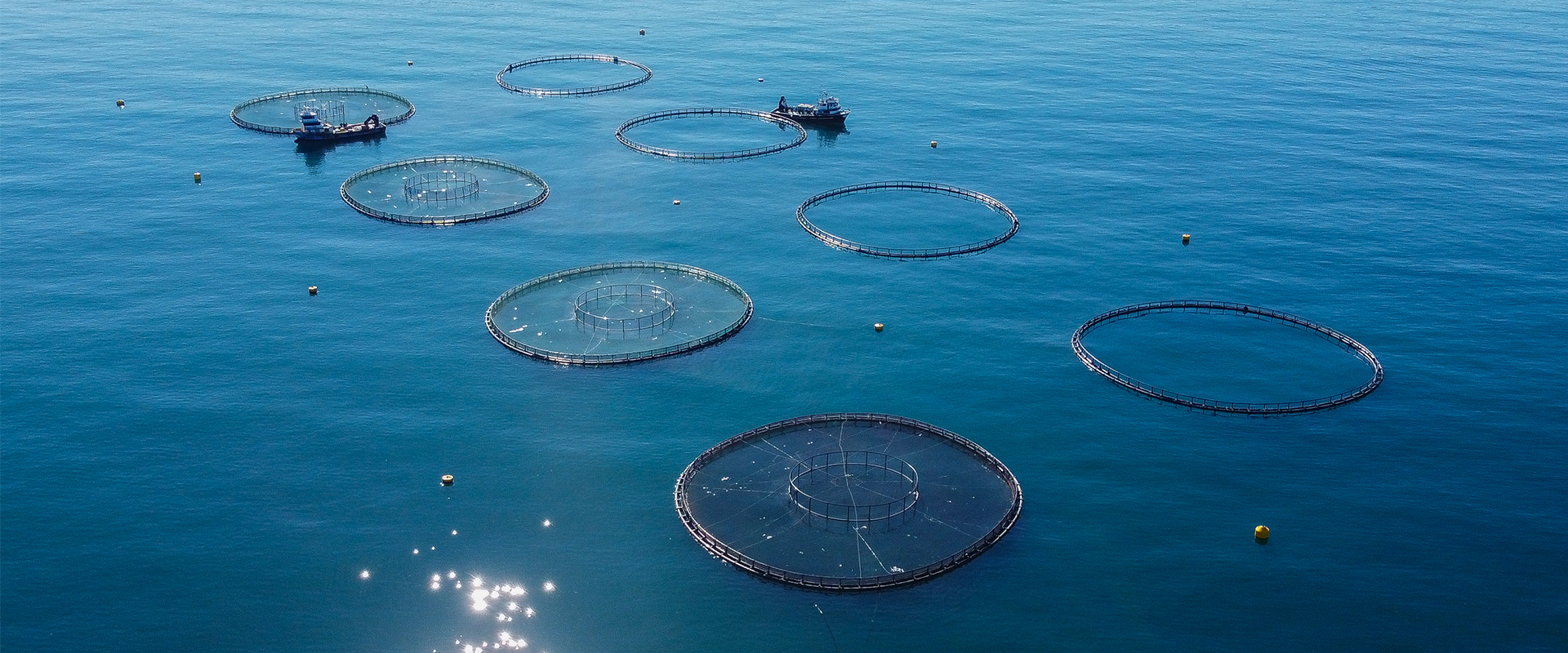
Commercial Turkish Salmon for International Procurement
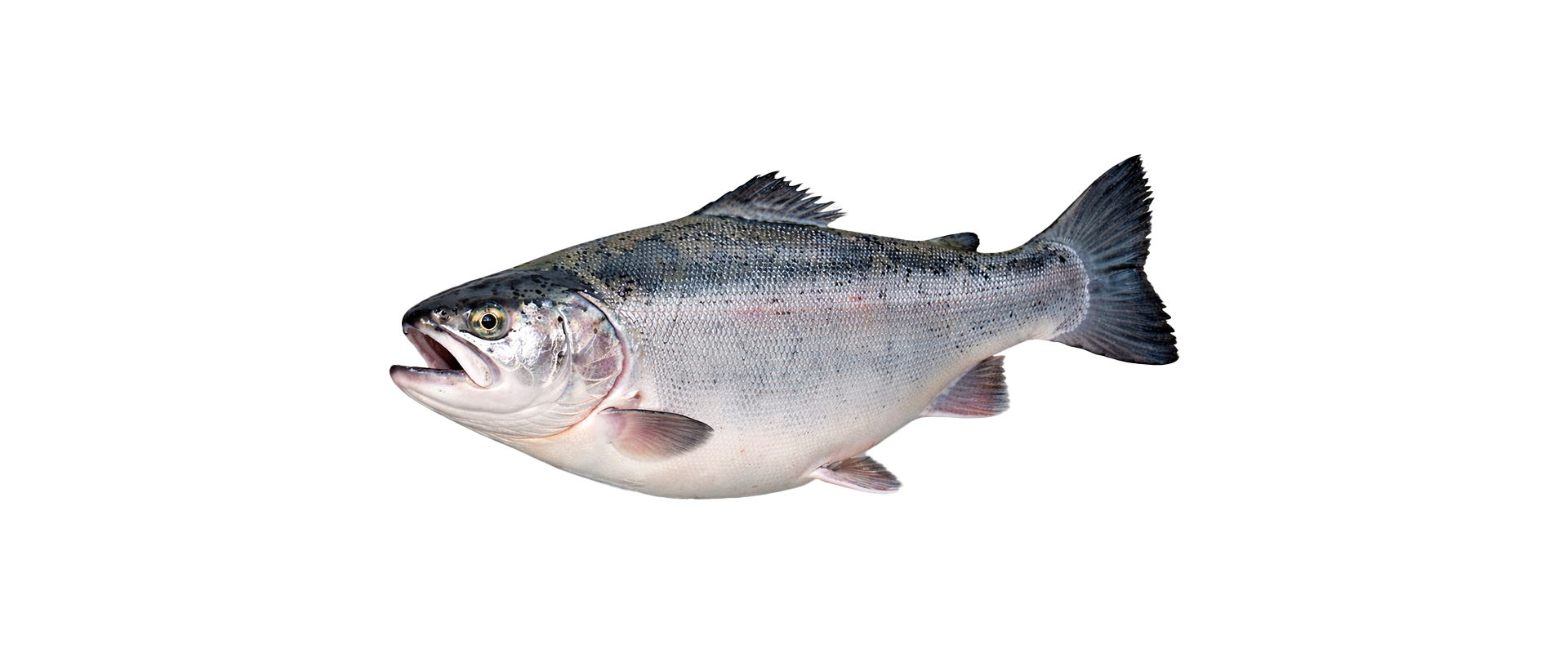
Turkish Salmon stands out for its superior quality and exceptional taste, making it a sought-after choice for seafood connoisseurs worldwide. Produced in the pristine waters of Turkey, Kıyak Group leverages decades of expertise to deliver consistently fresh and high-quality salmon. Our commitment to sustainability and superior aquatic practices ensures that every bite is not only delicious but also responsibly sourced, catering to the growing demand for ethical seafood. Explore the unique characteristics that separate our Turkish Salmon in the global market.
Experience the Finest Turkish Salmon
Kıyak Group, based in Samsun, Turkey, specializes in the production and export of Turkish Salmon, offering a rich and flavorful experience that meets international standards. With rigorous quality control measures and modern processing techniques, our salmon is carefully cultivated to enhance its delicate flavor and texture. Turkish Salmon is celebrated not only for its taste but also for its nutritional benefits, including high omega-3 fatty acids. This fish is ideal for a variety of culinary uses, from grilling to baking, making it a versatile ingredient in any kitchen. Our company prioritizes sustainable fishing practices, ensuring that we contribute positively to marine life while providing top-tier products to our customers. By choosing Kıyak Group, you align with a supply chain that values quality and sustainability, perfect for international procurement needs. Join the growing community of satisfied clients who trust our Turkish Salmon for their culinary creations, and experience the quality that comes directly from Turkey's waters.
High Quality Production
Kıyak Group utilizes advanced techniques to ensure the premium quality of Turkish Salmon.
Sustainable Practices
Our commitment to responsible sourcing practices aligns with global sustainability goals.
Versatile Culinary Uses
Turkish Salmon can be used in various dishes, making it a flexible choice for chefs.
Regional Processing Infrastructure
Turkish salmon export depends on coordinated local operations that connect production areas with processing, packaging, cold storage, and transport services. This regional infrastructure helps convert harvested fish into buyer-specific formats suitable for wholesale, retail, food service, or further processing.
Regional Cold-Chain Coordination
Maintaining Turkish salmon quality requires cooperation between local processors, cold stores, transport companies, freight forwarders, and destination partners. Regional cold-chain coordination supports controlled movement from the production area to international loading and onward delivery.
Access to European Markets
For European importers, Turkish salmon can provide an additional origin within the wider regional seafood supply landscape. Road, sea, and air connections may be evaluated according to destination, delivery schedule, fresh or frozen format, and the buyer's cold-storage and receiving capabilities.
Black Sea Origin Story for Buyers
The Black Sea context can support product communication in retail displays, menus, catalogs, and digital campaigns. Importers may use the Turkish regional origin to differentiate their salmon range while keeping all marketing statements aligned with the actual producer, batch, and documented supply information.
Connection to Middle Eastern Demand
Türkiye's proximity to Middle Eastern markets creates commercial potential for Turkish salmon suppliers serving wholesalers, supermarkets, hotels, restaurants, and catering businesses. Product format, labeling language, documentation, packaging, and delivery planning can be adapted to the specific requirements of each destination.
Air Freight for Time-Sensitive Markets
Air freight can be considered when Turkish salmon buyers prioritize shorter transit times or serve time-sensitive fresh seafood channels. The decision should account for shipment volume, airport handling, packaging, customs coordination, local cold transport, and total landed cost.
Regional Private-Label Development
Supermarket groups and seafood brands in surrounding markets may use Turkish salmon for private-label programs. Packaging language, label design, barcode placement, pack size, product naming, and promotional positioning can be prepared according to the commercial requirements of each country or region.
Frequently Asked Questions
What sizes of whole Turkish salmon are available?
Available whole-fish sizes depend on the production cycle, harvest plan, season, grading program, and current stock. Buyers should state their acceptable minimum and maximum range and ask the exporter to confirm availability before finalizing packaging and shipment quantities.
Can forecast volumes be reserved?
Production or shipment capacity may be reserved through a forecast and commercial agreement, subject to supplier policy. Buyers should discuss expected monthly volumes, size mix, packaging, flexibility, confirmation deadlines, payment terms, and procedures for forecast changes.
Can Turkish salmon be supplied for further processing?
Whole fish, headed and gutted products, fillets, or other suitable formats may be supplied to processors. The buyer should define intended output, equipment needs, yield expectations, raw-material size, temperature condition, packaging, and delivery frequency.
Which Incoterms can be used for Turkish salmon?
Available Incoterms depend on the exporter, buyer, transport mode, destination, and commercial agreement. Both parties should confirm the named place and understand responsibility for freight, insurance, clearance, local charges, risk transfer, and final delivery before signing the order.
What information should appear in a purchase inquiry?
A useful inquiry should include company and destination, product format, fresh or frozen condition, size, processing, quantity, packaging, label needs, delivery term, target date, transport preference, documents, and any special quality criteria. Complete requests receive more accurate responses.
How long is a Turkish salmon quotation valid?
Quotation validity depends on product availability, raw-material conditions, packaging costs, freight rates, currency movements, and exporter policy. The validity date should be stated clearly, and buyers should request an updated offer if approval occurs after that period.
A Balanced Sourcing Alternative
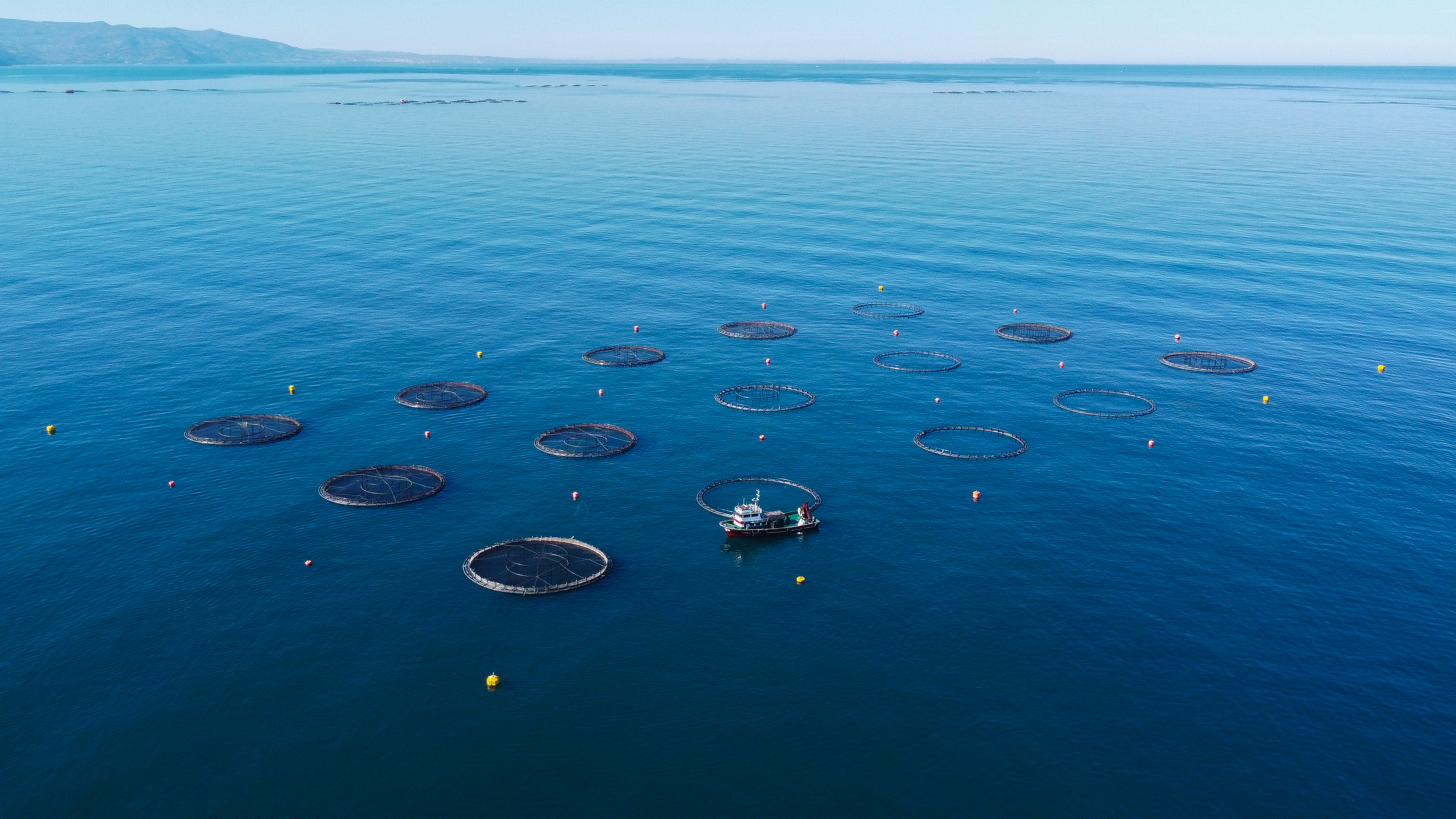
Turkish salmon can provide importers with an additional sourcing origin and help diversify established seafood portfolios. Its value should be assessed through product suitability, supplier performance, logistics reliability, documentation, and market response rather than origin alone.
Explore related content
Continue with pages and guides that complement this topic.