

Choosing Turkish Salmon for Cross-Border Seafood Trade
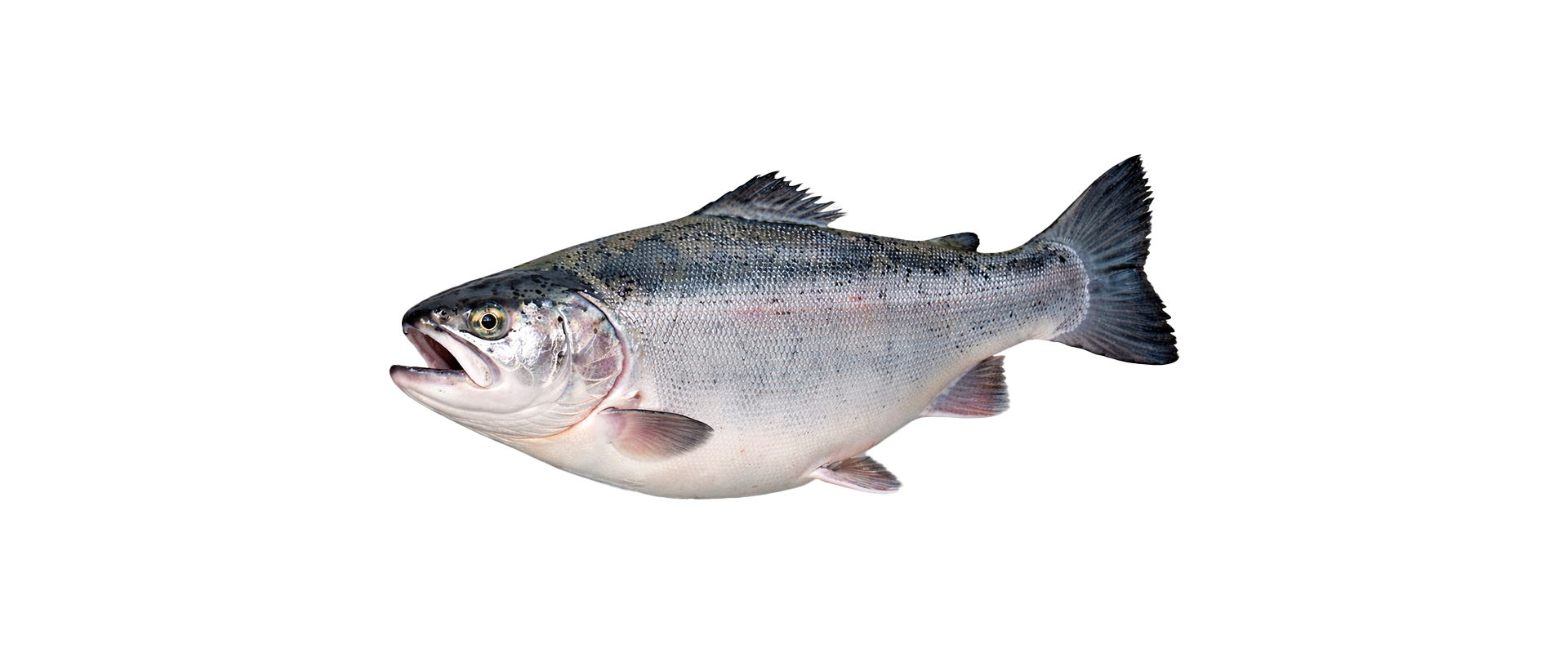
Turkish Salmon is rapidly gaining recognition as a premium seafood option in international markets. With increasing demand for high-quality fish, Turkish Salmon stands out due to its rich flavor and nutritional profile. Sourced from the pristine waters of Turkey, this fish not only meets the standards of quality expected by global consumers but also adheres to sustainable fishing practices. Understanding the unique benefits of Turkish Salmon can enhance your seafood offerings and attract a broader customer base in cross-border trade.
The Promise of Turkish Salmon in Global Seafood Trade
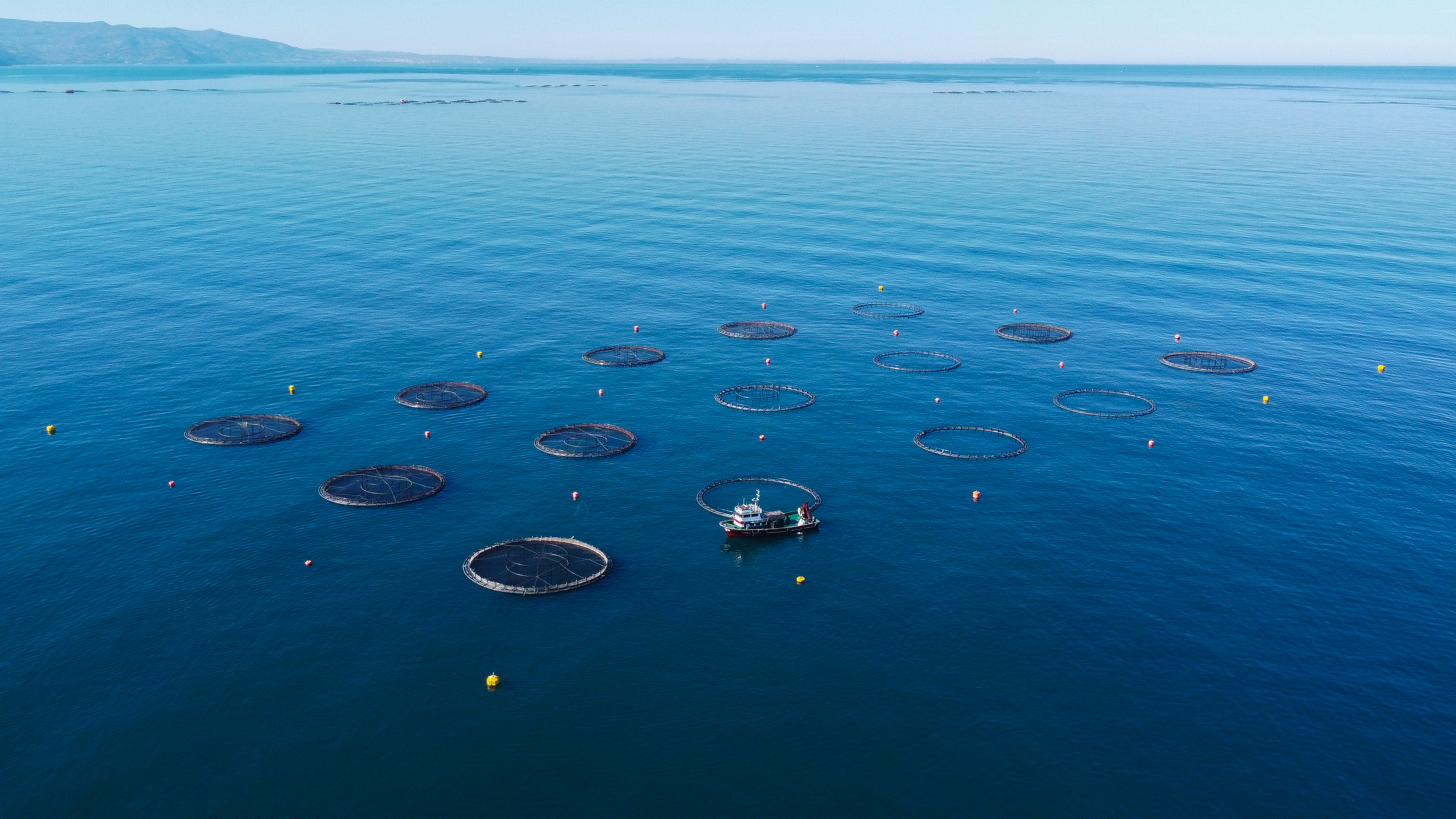
Turkish Salmon, produced predominantly in the Samsun region, has emerged as a leading choice for seafood traders looking for both quality and taste. The controlled farming methods employed ensure that the fish grow in a clean environment, contributing to its superior taste and texture. Additionally, the unique climate of the region provides ideal conditions for salmon farming, producing fish that are rich in Omega-3 fatty acids, essential for a healthy diet. This nutritional value is consistently highlighted by trends in consumer health consciousness, making Turkish Salmon not just a product, but a valuable addition to health-focused menus.
The export potential for Turkish Salmon is significant, supported by favorable trade agreements and a growing appetite in markets such as Europe and North America. Importers can benefit from the streamlined export processes offered by reputable companies like Kıyak Group, which specializes in Turkish Salmon and distribution across global markets. This reliability in sourcing not only includes the quality of the fish but also encompasses the industry standards aimed at sustainability. Such practices ensure a consistent supply chain, enhancing the reliability for businesses engaged in cross-border seafood trade.
Furthermore, Turkish Salmon offers versatility in culinary applications, suitable for grilling, smoking, or baking, appealing to a wide range of consumer preferences. As restaurants and food services continually innovate their seafood offerings, Turkish Salmon provides chefs with a premium ingredient that is both flavorful and healthy. The increasing popularity of Mediterranean cuisine worldwide also aligns perfectly with the attributes of Turkish Salmon, promoting its use in diverse recipes.
Overall, choosing Turkish Salmon for cross-border seafood trade is a strategic move not only for enhancing product quality but also for aligning with consumer desires for health-conscious and sustainable food options. As the market for high-quality seafood expands, Turkish Salmon stands ready to meet this demand with its exceptional characteristics and ethical sourcing.
Quality and Flavor
Turkish Salmon is known for its exceptional taste and high nutritional value, making it a sought-after choice in global markets.
Sustainable Farming Practices
The salmon is farmed under strict environmental regulations, ensuring sustainability and minimal impact on aquatic ecosystems.
Versatile Culinary Applications
Suitable for a variety of cooking methods, Turkish Salmon can enhance diverse menus and culinary experiences.
Cold-Chain Control Protects Quality
Temperature control is essential from harvest through processing, transport, storage and final delivery. Rapid chilling and an uninterrupted cold chain help preserve texture, appearance and shelf life while reducing food-safety risks. Buyers should review the supplier’s declared storage temperature, production date, use-by or best-before information, packaging condition and transport records. Fresh and frozen products require different handling procedures, so staff must follow the instructions printed on the approved specification and label. A quality inspection should also check for damaged cartons, broken vacuum packs, excessive dehydration, unusual odor or signs of temperature abuse. Even a strong product can lose value quickly when storage and handling are inconsistent.
Suitable for Many Cooking Techniques
The firm flesh and natural richness of Turkish salmon make it suitable for grilling, baking, pan-searing, steaming, poaching and smoking. The best method depends on cut thickness, skin, fat level and the desired service style. High heat can create an attractive surface, while gentler cooking supports moisture retention in thick portions. Overcooking may dry the fish and reduce its delicate texture, so chefs should use a validated time-and-temperature method appropriate to their food-safety system. After cooking, a short rest can help the juices settle before plating. Because the fish accepts both simple seasoning and more complex marinades, it can move from casual menus to premium presentations without requiring an entirely different raw material.
Retail Presentation and Consumer Communication
In retail, Turkish salmon can be positioned as whole fish, chilled fillets, frozen portions, marinated items or smoked products. Clear labeling should identify the legally required species information, production method, origin, storage instructions, net quantity, date information and other details required in the destination market. Transparent communication is particularly important because the commercial term Turkish salmon may be unfamiliar to some consumers. Packaging should protect the fish, support temperature control and make the cut and portion size easy to understand. Recipe suggestions, cooking guidance and flavor pairings can reduce hesitation at the point of sale, but claims about nutrition, sustainability or certification should only be used when supported by approved documentation.
Custom Weight and Size Specifications
Export orders can be planned around agreed fish weights, fillet dimensions, trim preferences, and portion sizes, subject to production availability. This allows importers to select specifications that fit their local retail plans, kitchen requirements, processing equipment, and customer purchasing habits.
Cold Storage Management
Packed Turkish salmon is transferred to the appropriate chilled or frozen storage area while awaiting dispatch. Warehouse teams organize batches, monitor storage conditions, apply stock-rotation procedures, and prepare the correct order quantities for loading according to the shipment schedule.
Confirm Processing Specifications
Importers should define requirements for heading, gutting, filleting, trimming, pin-bone removal, skin condition, portion cutting, or other processing details. Precise instructions reduce interpretation differences and help ensure that Turkish salmon arrives ready for the buyer's intended retail, food-service, or industrial application.
Packaging Integrity Checks
Export packaging is reviewed to confirm that cases are correctly assembled, closed, labeled, and suitable for the selected product condition. Strong packaging integrity helps protect Turkish salmon during cold storage, loading, transit, unloading, and onward distribution.
Frequently Asked Questions
Can buyers audit the supplier?
Supplier audits may be arranged subject to company policy, confidentiality, production schedules, biosecurity, safety rules, and commercial relationship. Buyers should define audit scope, requested documents, standards, participants, date, and reporting expectations in advance.
Can labels be printed in multiple languages?
Multilingual labels may be prepared when the buyer supplies or approves accurate translations and mandatory destination information. Product identity, net weight, storage condition, batch coding, importer details, barcode, and regulatory statements should be reviewed before printing.
Is modified-atmosphere packaging available?
Modified-atmosphere packaging may be considered only when the supplier has the appropriate equipment and validated product program. Buyers should review pack materials, gas system, storage conditions, shelf-life data, transport time, destination rules, and retail handling before approval.
How is product temperature checked before loading?
The exporter follows its approved monitoring procedure and records relevant product or storage conditions before dispatch. Buyers should ask which measurements are taken, how results are documented, and what acceptance limits apply to the selected fresh, chilled, or frozen format.
Are temperature records available during transit?
Temperature records may be available depending on the transport unit, carrier, route, and agreed monitoring equipment. Buyers should specify data-logger requirements, placement, access, reporting format, responsibility, and action procedures when arranging the shipment.
Can urgent Turkish salmon orders be accepted?
Urgent orders may be possible when product, processing capacity, packaging, documents, and suitable transport are available. The exporter should confirm feasibility before commitment, and the buyer should expect that limited choices or additional logistics costs may apply.
Communication Supports Reliable Delivery
Open communication about product availability, specifications, timelines, documents, and shipment progress helps all parties coordinate their responsibilities. For Turkish salmon buyers, a responsive supplier can be as important as product quality in maintaining dependable supply.
Explore related content
Continue with pages and guides that complement this topic.