
Buy Turkish Salmon in Bulk: A Procurement Guide
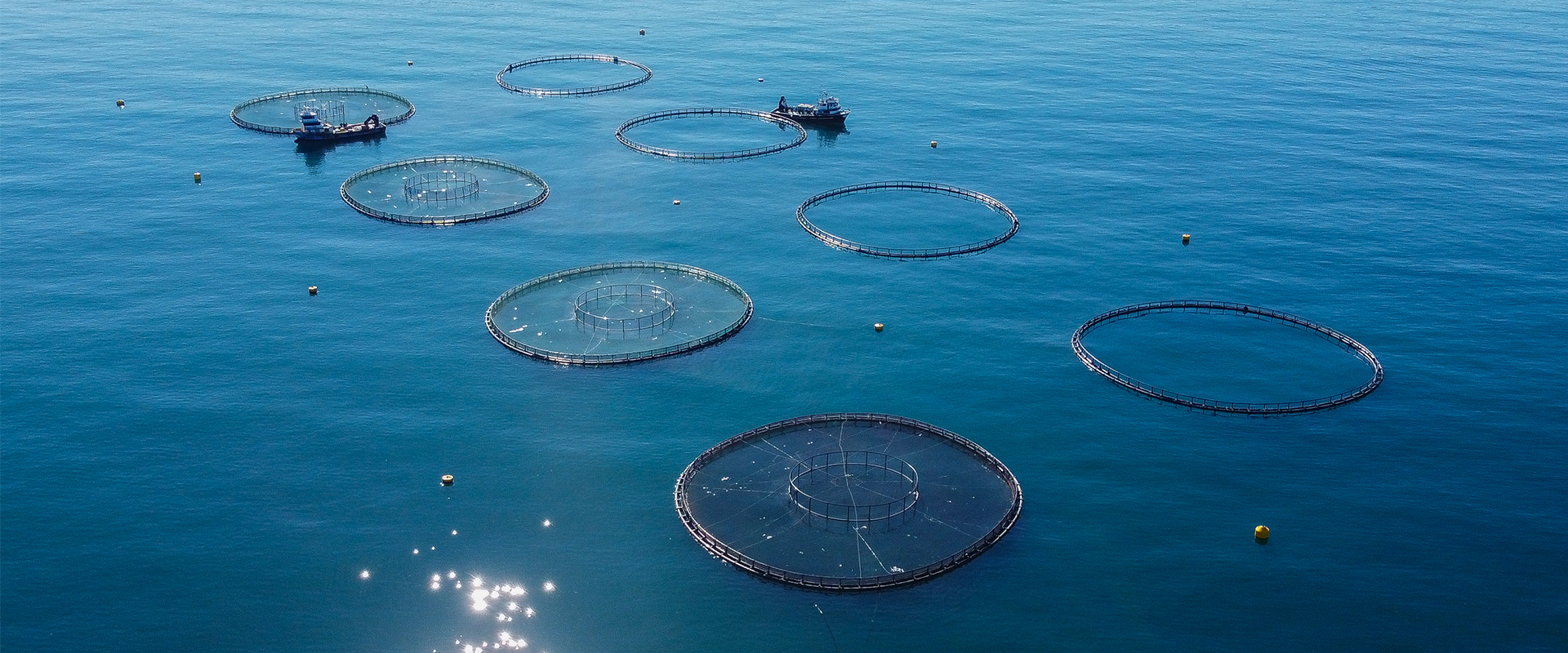
Navigating the procurement of Turkish salmon in bulk is essential for businesses looking to enhance their seafood offerings. Kıyak Group stands as a reliable B2B supplier, specializing in quality seafood from Türkiye. With our expertise in aquaculture, processing, and export-ready packaging, sourcing Turkish salmon can be seamless and efficient. This guide will cover essential aspects, helping you make informed decisions on your bulk purchase journey. Understanding the quality and specifications needed can significantly impact your supply chain.
Your Comprehensive Guide to Buying Turkish Salmon in Bulk
When considering how to buy Turkish salmon in bulk, it's crucial to identify the specific buyer requirements. Ensure your procurement aligns with your business needs, which may include preferred product forms (fillets, whole fish), size and trim specifications, and packaging options. Kıyak Group provides various alternatives tailored to your needs, facilitating orders that match market demand.
Forecast quantities also play a vital role in the purchasing decision. Determine the scale of your operations to forecast your salmon needs accurately. Initially, sampling is recommended to approve the product quality, ensuring it meets your standards before placing larger orders.
For commercial documentation, Kıyak Group guarantees all paperwork is in order, assisting you in compliance with international trade regulations. Contact us for a detailed inquiry process which will guide you step-by-step through securing your order. Our transparent communication reflects our commitment to supporting your business from start to finish. Together, we will build a fruitful partnership that ensures your seafood offerings stand out in a competitive market.
Buyer Requirements
Identify your business's specific needs, including product form and size specifications.
Product Form Selection
Choose between options like whole fish, fillets, and other cuts based on market demand.
Size and Trim Choices
Ensure the salmon meets your specific requirements for size and presentation in your markets.
Suitable for Many Cooking Techniques
The firm flesh and natural richness of Turkish salmon make it suitable for grilling, baking, pan-searing, steaming, poaching and smoking. The best method depends on cut thickness, skin, fat level and the desired service style. High heat can create an attractive surface, while gentler cooking supports moisture retention in thick portions. Overcooking may dry the fish and reduce its delicate texture, so chefs should use a validated time-and-temperature method appropriate to their food-safety system. After cooking, a short rest can help the juices settle before plating. Because the fish accepts both simple seasoning and more complex marinades, it can move from casual menus to premium presentations without requiring an entirely different raw material.
Cold-Chain Control Protects Quality
Temperature control is essential from harvest through processing, transport, storage and final delivery. Rapid chilling and an uninterrupted cold chain help preserve texture, appearance and shelf life while reducing food-safety risks. Buyers should review the supplier’s declared storage temperature, production date, use-by or best-before information, packaging condition and transport records. Fresh and frozen products require different handling procedures, so staff must follow the instructions printed on the approved specification and label. A quality inspection should also check for damaged cartons, broken vacuum packs, excessive dehydration, unusual odor or signs of temperature abuse. Even a strong product can lose value quickly when storage and handling are inconsistent.
Product Formats for Retail and Foodservice
Turkish salmon can be supplied in several formats, including whole round fish, gutted fish, headed-and-gutted fish, skin-on or skinless fillets, fixed-weight portions and smoked products. Availability depends on the producer, processing facility and destination market. Each format serves a different operation: whole fish may suit traditional counters, fillets reduce kitchen preparation, and calibrated portions improve cost control in restaurants or catering. Buyers should define trim level, pin-bone requirement, skin condition, weight tolerance, packaging, glazing and labeling before confirming an order. Precise product codes and written specifications prevent misunderstandings, especially when the same commercial description is used for cuts with different yields and labor requirements.
Suitable for Value-Added Processing
The versatility of Turkish salmon makes it relevant for businesses producing portions, ready-to-cook products, smoked items, marinated selections, or other value-added seafood lines. Importers and processors can use suitable formats as a base for localized recipes and packaging concepts that respond to changing consumer preferences.
Scalable Orders for Growing Demand
Turkish salmon export partnerships can be structured to develop alongside the buyer's sales volume. Starting with defined trial specifications and moving toward recurring programs allows importers to test market response, refine packaging or sizing, and scale procurement more carefully as demand becomes established.
Strong Potential for Private-Label Programs
Exporters can prepare Turkish salmon for private-label projects according to the buyer's packaging, sizing, labeling, and market-positioning requirements. This creates an advantage for supermarket groups and seafood brands that want a differentiated product line while maintaining control over how the product is presented to consumers in their target market.
Strategic Access to International Seafood Markets
Turkish salmon export gives seafood buyers access to a distinctive product from Türkiye's expanding aquaculture sector. Its positioning between familiar salmon categories and regional seafood traditions can help importers diversify their assortments, reach new customer segments, and present an appealing alternative in competitive retail, food-service, and wholesale markets.
Custom Sizing for Target Markets
Turkish salmon export programs can be planned around preferred weight ranges and product specifications, subject to availability and production conditions. This allows buyers to match fish sizes with local consumer habits, menu requirements, processing yields, or retail display standards instead of accepting a one-size-fits-all purchasing model.
Flexible Distribution Channel Use
The same Turkish salmon product family can be allocated across wholesale, retail, food service, processing, and online sales channels. This enables importers to use their existing distribution network efficiently while adjusting formats and packaging to the needs of different customer groups.
Fresh Fillet Applications
Fresh Turkish salmon fillets can be prepared for premium seafood counters, restaurant kitchens, catering operations, and direct-to-consumer delivery programs. Their convenient form supports quick preparation for grilling, baking, pan-searing, sushi-inspired dishes where appropriate, and other menu concepts built around fresh salmon.
Retail-Ready Packaging
Retail-ready Turkish salmon packs can be designed around the buyer's preferred label information, pack weight, and shelf-presentation requirements. This makes the product suitable for supermarket shelves, convenience retail, specialty fish stores, and online grocery channels that need a consumer-facing seafood format.
Restaurant and Hotel Menu Supply
Restaurants, hotels, and catering kitchens can use Turkish salmon in breakfast, lunch, dinner, banquet, and buffet applications. The product can support menus ranging from simple grilled portions to premium plated dishes, allowing chefs to adapt recipes to their cuisine style and service format.
Transport Booking and Coordination
Refrigerated road, sea, or air transport is booked according to the destination, product condition, delivery target, and agreed trade terms. The exporter coordinates collection time, equipment requirements, loading location, route details, and communication between logistics partners.
Quotation and Commercial Agreement
A commercial quotation is prepared according to the confirmed product, quantity, delivery term, destination, freight arrangement, payment conditions, and estimated shipment period. Once the buyer approves the offer, both parties document the order details so procurement and production teams can proceed with the same information.
Labeling and Batch Coding
Each pack is labeled with the agreed commercial and traceability information, such as product name, format, net weight, batch reference, storage condition, production details, and buyer-specific label elements where required. Accurate coding supports warehouse control and product tracking throughout distribution.
Primary Processing
Depending on the order, Turkish salmon proceeds through the required operations, which may include gutting, heading, filleting, trimming, deboning, or portion cutting. Processing teams follow the confirmed specification so the final format matches the intended wholesale, retail, food-service, or industrial use.
Assess Communication and Responsiveness
A supplier's ability to answer specification questions, confirm timelines, provide documents, report shipment progress, and respond to issues is an important selection factor. Clear communication helps Turkish salmon importers coordinate purchasing, logistics, customs, receiving, and customer commitments with greater confidence.
Confirm Destination Documentation
Required documents vary by destination, shipment method, and commercial arrangement. Importers should verify health documents, certificates, commercial invoices, packing lists, origin information, and other requirements with their broker or authority, then communicate the confirmed list to the Turkish salmon exporter before dispatch.
Review Quality-Control Procedures
Buyers should ask how the supplier checks raw material, grading, processing, packing, labeling, storage, and final shipment conformity. Understanding these controls helps the importer evaluate whether Turkish salmon orders can be prepared consistently according to agreed commercial specifications.
Examine Traceability Information
Buyers should confirm that the exporter can provide batch identification and relevant production, packing, and shipment records. Effective traceability supports internal quality procedures, stock management, customer inquiries, receiving checks, and the ability to follow Turkish salmon through the distribution chain.
Consistent Sorting and Grading
Sorting Turkish salmon according to agreed weight ranges and product criteria creates greater consistency within export cases. Reliable grading supports predictable retail presentation, restaurant portioning, processing yield, stock planning, and customer satisfaction across repeated orders.
Long-Term Supplier Partnership
Trust develops when the exporter consistently meets agreed specifications, communicates openly, maintains documentation, and supports the buyer after delivery. A long-term Turkish salmon partnership allows both parties to improve planning, forecast demand, refine products, and build stable international business.
Reliable Shipment Verification
Loading teams can verify vehicle readiness, shipment references, batch quantities, case condition, and documentation before dispatch. This structured loading check strengthens confidence that the correct Turkish salmon order enters the planned refrigerated transport unit.
Local Employment and Seafood Expertise
Aquaculture, processing, packaging, quality control, cold storage, and logistics create specialized work across the Turkish salmon supply chain. This local knowledge supports daily production activities and contributes to the operational experience required for preparing seafood for international markets.
Frequently Asked Questions
How long does Turkish salmon delivery take?
Delivery time depends on production preparation, processing, packaging, documentation, freight booking, origin, destination, customs procedures, and transport mode. Buyers should request a realistic lead-time estimate for the exact order rather than relying on a general delivery figure.
Which Turkish salmon products can be exported?
Depending on supplier capability, Turkish salmon may be offered as whole fish, headed and gutted fish, fillets, portions, fresh or chilled products, and frozen formats. Buyers should request a current product list and confirm available sizes, cuts, trimming, skin condition, packaging, and order quantities.
How is Turkish salmon kept cold during export?
Exporters coordinate chilled or frozen storage, refrigerated loading, temperature-controlled transport, and destination delivery according to the selected product condition. Buyers should also ensure that customs, receiving, warehouse, and local distribution partners can maintain the required cold chain after arrival.
Is Turkish salmon available fresh or frozen?
Turkish salmon may be available in fresh, chilled, or frozen presentations depending on production, processing, destination, and supplier programs. The best option depends on transit time, cold-storage capacity, inventory turnover, customer expectations, and the intended wholesale, retail, food-service, or processing use.
Is private-label Turkish salmon available?
Private-label programs may be arranged with exporters that support customized packaging and labeling. Buyers should provide brand assets, required language, barcode information, product naming, pack size, destination rules, approval process, and expected volume early in the planning stage.
Can Turkish salmon shipments be scheduled regularly?
Recurring programs may be arranged when the exporter and buyer agree on specifications, forecast volumes, production timing, shipment windows, transport, documentation, and communication procedures. Regular planning can support retail replenishment, food-service supply, promotions, and processing schedules.
Which documents are required to import Turkish salmon?
Requirements depend on the destination country and shipment. Common commercial and shipping records may include an invoice, packing list, certificates, health-related documents, origin information, and transport records. Importers should confirm the current list with their customs broker or competent authority before ordering.
Can Turkish salmon be used for smoked products?
Suitable fillets or cuts may be used by processors producing hot-smoked, cold-smoked, marinated, or other value-added seafood products. The processor should confirm raw-material specifications, food-safety controls, recipe requirements, equipment compatibility, and destination-market standards.
What is Turkish salmon?
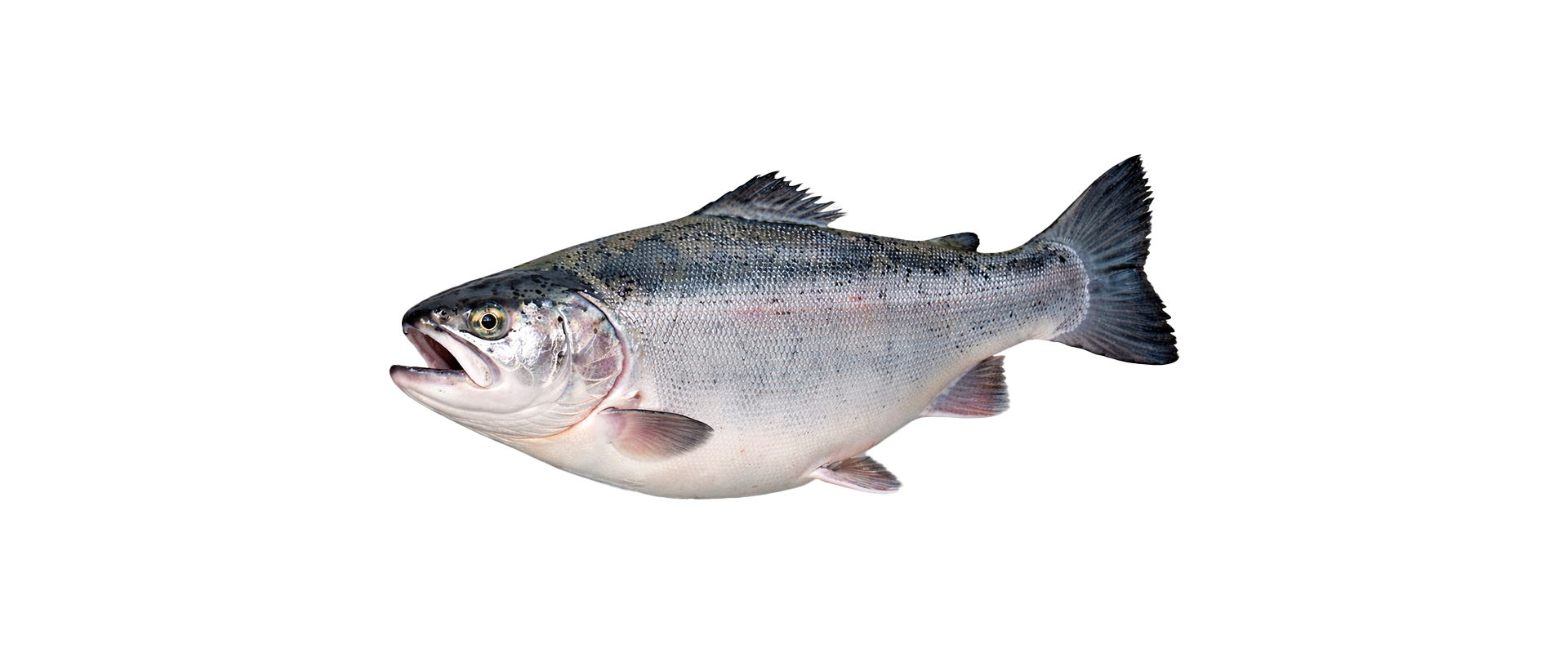
Turkish salmon is a salmon-category aquaculture product associated with production and processing in Türkiye, particularly within the broader Black Sea supply context. Export specifications can vary by producer, so buyers should confirm species information, origin, product format, size, processing details, and supporting documents for each order.
Which transport methods are used for Turkish salmon export?
Road, sea, or air freight may be considered depending on destination, fresh or frozen condition, shipment volume, route availability, required arrival time, and total cost. The exporter and buyer should select the method that best supports the product and delivery plan.
Can Turkish salmon packaging be customized?
Packaging may be customized for suitable orders based on supplier capability, volume, product condition, and buyer requirements. Options can include case size, retail packs, private-label artwork, language details, barcode placement, pack weight, and agreed commercial or traceability information.
The Right Specification Creates Value
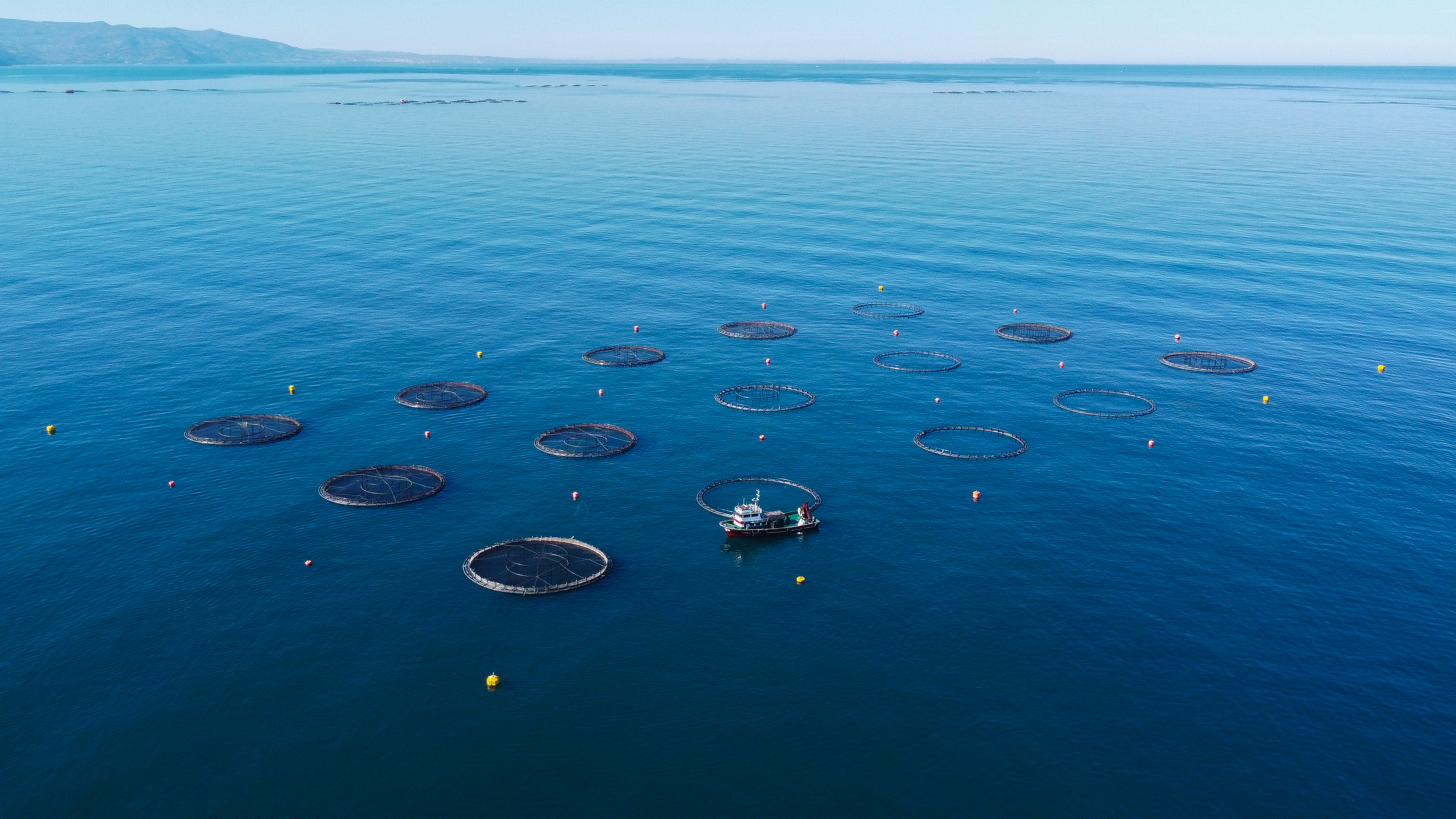
Turkish salmon delivers the greatest commercial value when the buyer defines the correct format, size, processing level, packaging, labeling, and delivery schedule. A clear specification reduces uncertainty and helps the exporter prepare products that match local market and operational needs.
Explore related content
Continue with pages and guides that complement this topic.