
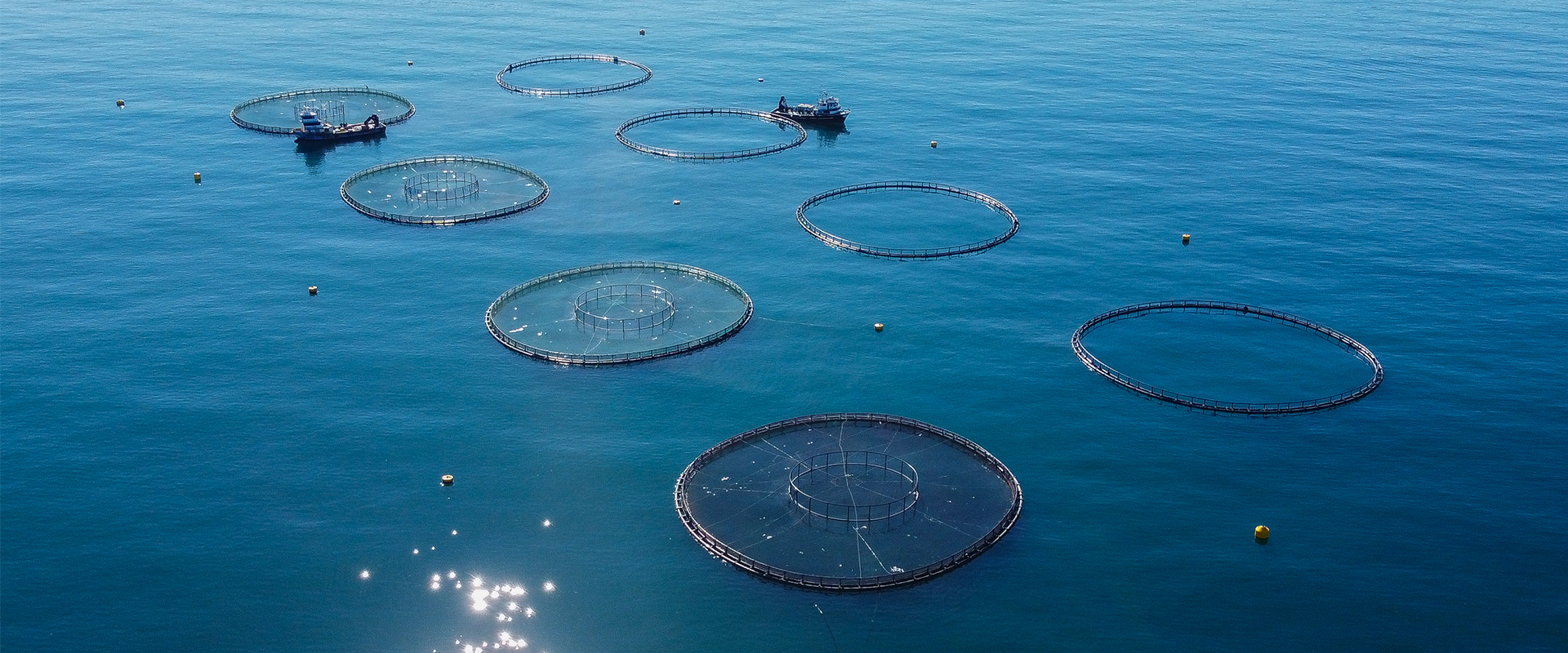
Building a Reliable Seafood Trading Program with Turkish Salmon
Turkish Salmon is becoming an essential part of the global seafood market due to its rich taste and sustainable farming practices. As demand for high-quality seafood rises, establishing a solid trading program is crucial for success in this competitive landscape. Leveraging Turkish Salmon can position your business as a leader in the seafood industry, offering products that meet both market needs and consumer preferences. This guide delves into the advantages of incorporating Turkish Salmon into your trading strategy.
Enhancing Seafood Trading with Turkish Salmon
The integration of Turkish Salmon into your seafood trading program presents numerous benefits that can streamline operations and enhance profitability. Turkish Salmon is known for its superior quality, attributed to the pristine waters of Turkey where it is sourced. This fish not only offers exceptional flavor but also adheres to sustainable fishing practices, which is increasingly important to consumers. Developing a reliable seafood trading program with Turkish Salmon means prioritizing partnerships with reputable suppliers like Kıyak Group, known for their commitment to quality and responsible farming methods.
By collaborating with Kıyak Group, businesses can ensure a consistent supply chain, allowing for scaling operations effectively. The company's expertise in fish production and export helps in navigating the complexities of international seafood markets. A successful trading strategy will incorporate market research, understanding customer preferences, and adhering to regulatory standards, all of which can be bolstered through the quality assurance provided by Turkish Salmon. Moreover, the growing global trend towards healthier eating habits positions Turkish Salmon favorably in the market.
Investing in a seafood trading program that emphasizes Turkish Salmon can lead to increased customer loyalty and brand reputation, providing a significant competitive edge. Furthermore, engaging with the community through responsible sourcing and environmental stewardship can enhance a company's image while driving sales growth. In summary, establishing a reliable trading program with Turkish Salmon empowers businesses to meet the demands of the market while promoting sustainability and quality.
Quality and Flavor
Turkish Salmon is renowned for its rich taste and high nutritional value, appealing to a broad customer base.
Sustainability Practices
Kıyak Group emphasizes responsible farming methods, addressing consumer concerns about environmental impact.
Consistent Supply Chain
Partnering with established suppliers like Kıyak Group ensures a reliable supply of quality products.
Access to European Markets
For European importers, Turkish salmon can provide an additional origin within the wider regional seafood supply landscape. Road, sea, and air connections may be evaluated according to destination, delivery schedule, fresh or frozen format, and the buyer's cold-storage and receiving capabilities.
Coastal Logistics Connections
Production and processing operations linked to coastal regions can coordinate with ports, road networks, airports, and refrigerated transport providers. Exporters select the most suitable logistics route for Turkish salmon according to destination, lead time, temperature condition, shipment volume, and buyer delivery expectations.
Connection to Middle Eastern Demand
Türkiye's proximity to Middle Eastern markets creates commercial potential for Turkish salmon suppliers serving wholesalers, supermarkets, hotels, restaurants, and catering businesses. Product format, labeling language, documentation, packaging, and delivery planning can be adapted to the specific requirements of each destination.
Black Sea Origin Story for Buyers
The Black Sea context can support product communication in retail displays, menus, catalogs, and digital campaigns. Importers may use the Turkish regional origin to differentiate their salmon range while keeping all marketing statements aligned with the actual producer, batch, and documented supply information.
Food-Service Use Across the Region
Hotels, restaurants, catering companies, and institutional kitchens across surrounding markets can use Turkish salmon in grilled dishes, baked recipes, buffets, portions, and value-added menu concepts. Local cuisine, service style, price positioning, and portion expectations shape the most suitable supply format.
Regional Private-Label Development
Supermarket groups and seafood brands in surrounding markets may use Turkish salmon for private-label programs. Packaging language, label design, barcode placement, pack size, product naming, and promotional positioning can be prepared according to the commercial requirements of each country or region.
Türkiye's Culinary Connection to Seafood
Seafood has an established place in Türkiye's coastal food culture, providing a meaningful background for Turkish salmon's origin story. Export communication can reflect this culinary connection while focusing on the buyer's own market, recipes, customer preferences, and product presentation needs.
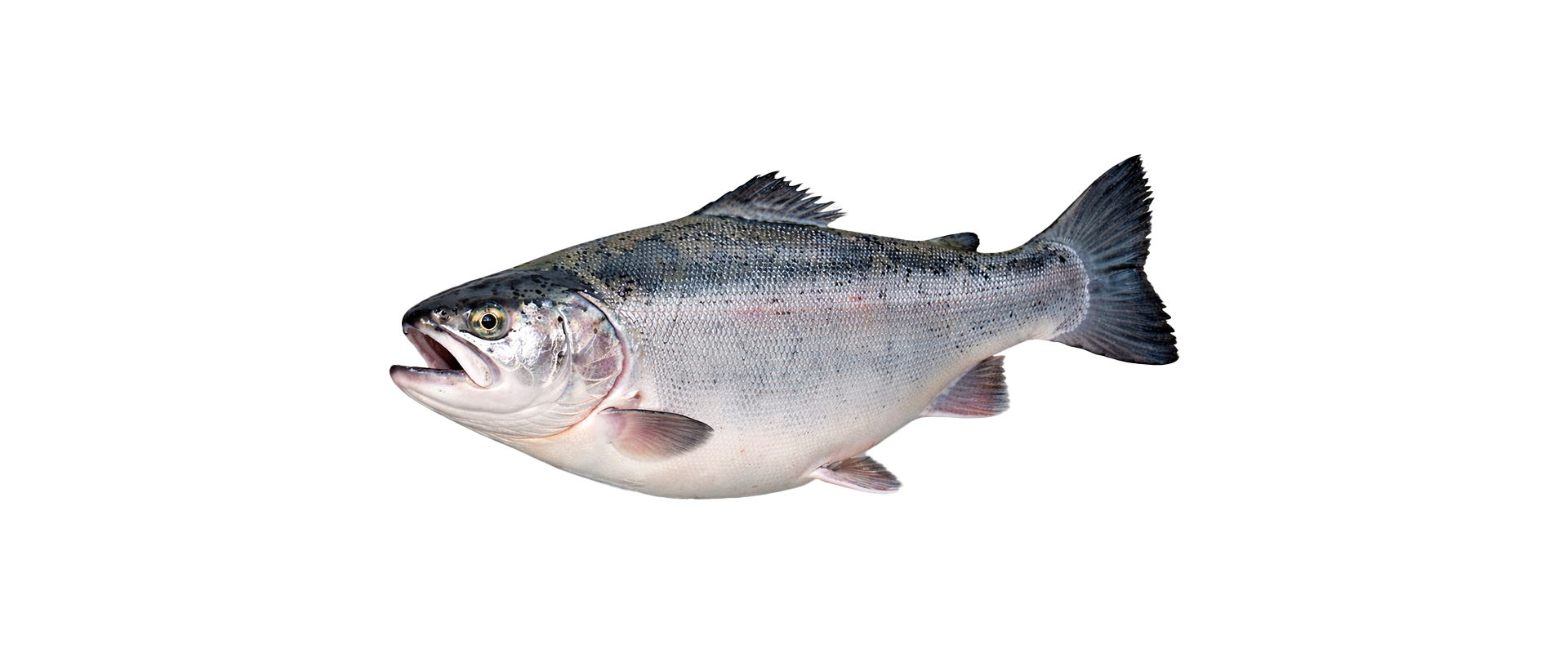
Frequently Asked Questions
Can Turkish salmon be supplied for further processing?
Whole fish, headed and gutted products, fillets, or other suitable formats may be supplied to processors. The buyer should define intended output, equipment needs, yield expectations, raw-material size, temperature condition, packaging, and delivery frequency.
What sizes of whole Turkish salmon are available?
Available whole-fish sizes depend on the production cycle, harvest plan, season, grading program, and current stock. Buyers should state their acceptable minimum and maximum range and ask the exporter to confirm availability before finalizing packaging and shipment quantities.
Can Turkish salmon be packed for supermarket display?
Retail-display packs may be developed according to buyer volume and supplier capability. Pack size, tray or pouch format, label language, barcode, product name, storage instructions, artwork approval, shelf presentation, and destination compliance must be confirmed in advance.
Is Turkish salmon suitable for ready-meal production?
Turkish salmon portions or fillets may be used in ready-meal and ready-to-cook applications when they meet the manufacturer's specifications. Processors must validate recipes, cooking instructions, allergens, shelf life, packaging, food-safety controls, and destination requirements.
Can product samples be sent before a commercial shipment?
Samples may be possible depending on destination rules, courier or freight options, product condition, quantity, customs procedures, and supplier policy. Sample approval should not replace the final written specification because commercial production can involve different packaging and shipment conditions.
How should a sample be evaluated?
Buyers should assess the sample against written criteria such as format, size, trimming, appearance, packaging, label, preparation performance, yield, and intended customer use. Results should be documented and converted into an approved specification for future commercial orders.
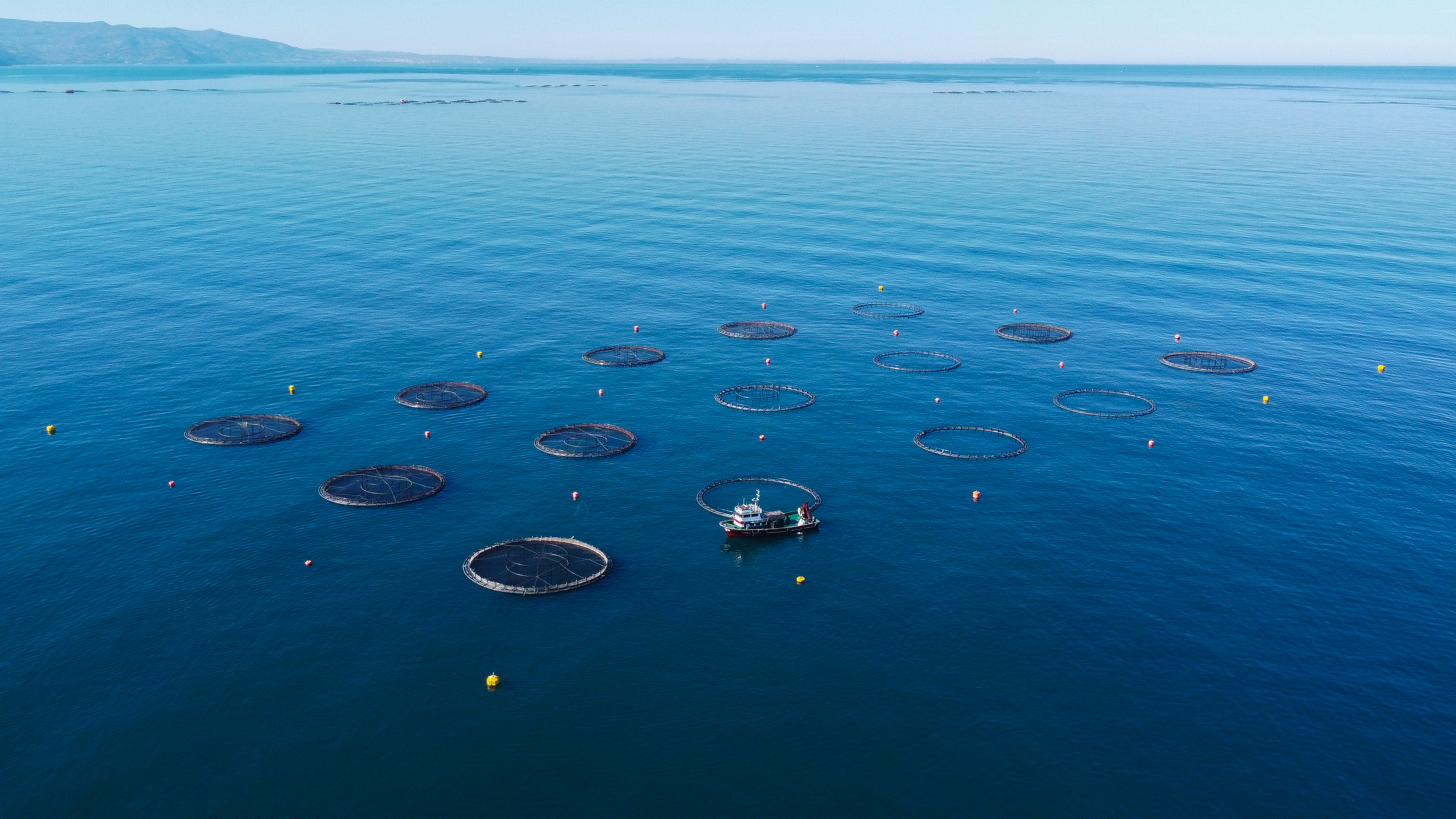
Regional Positioning Supports Market Development
Türkiye's connection to European, Middle Eastern, Black Sea, and Eurasian trade routes creates several possibilities for Turkish salmon market development. The best opportunity depends on destination demand, transport access, import requirements, product condition, and the buyer's distribution network.
Explore related content
Continue with pages and guides that complement this topic.