
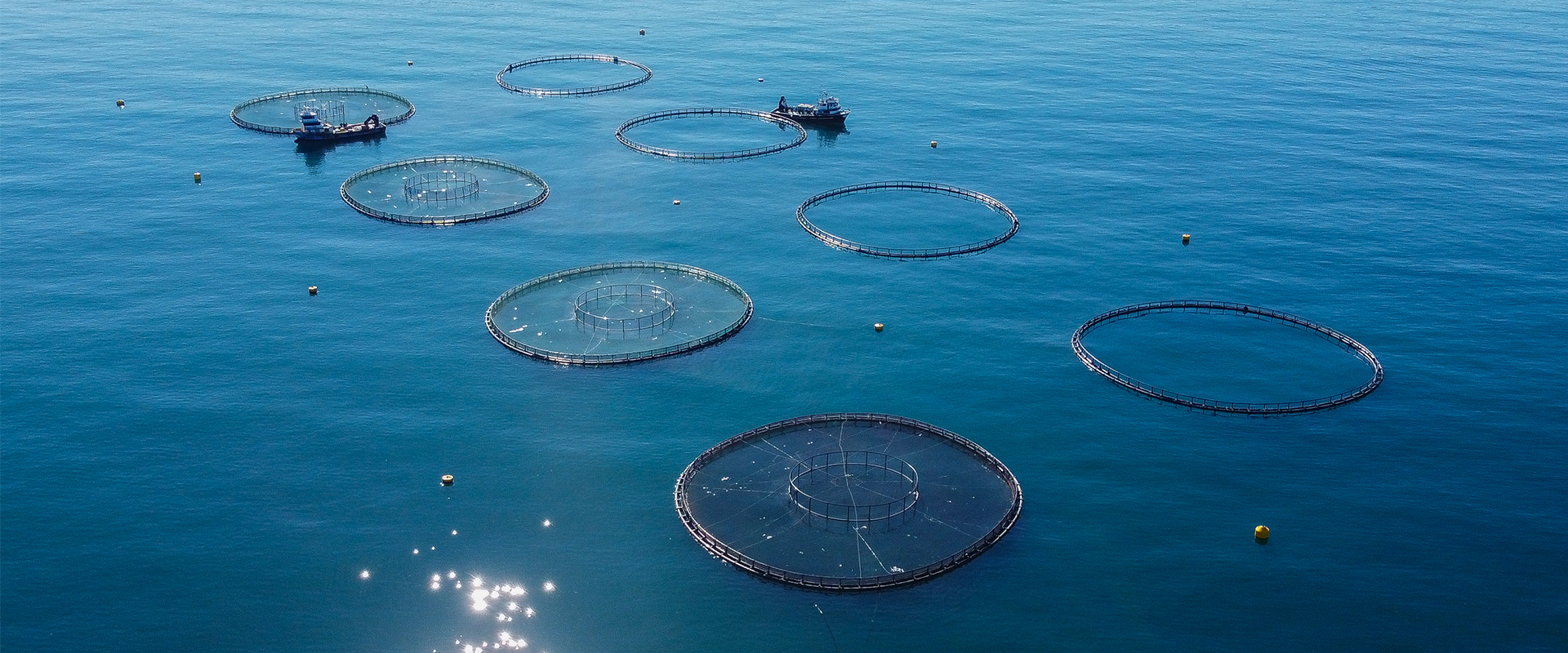
Building a Reliable Commercial Import Program with Turkish Salmon
Turkish Salmon is gaining prominence in global markets due to its quality and sustainability. Through a reliable commercial import program, businesses can harness this potential effectively. This effort involves understanding the nuances of the Turkish fishing industry, ensuring product quality, and establishing solid supplier relationships. The Kıyak Group stands out as a key player in this sector, offering a professional and trusted source for Turkish Salmon, which facilitates seamless integration into international markets.
Establishing Trust in Turkish Salmon Imports
To successfully import Turkish Salmon, companies must first navigate the regulatory landscape that governs fish importation. This includes adhering to international food safety standards and understanding the logistics involved in keeping the product fresh from the source to the destination. By partnering with established exports like Kıyak Group, which has a robust operational structure in Samsun, Turkey, importers can ensure that they receive high-quality seafood. Moreover, a sustainable sourcing approach not only meets consumer demands but also helps in protecting marine ecosystems. Therefore, the development of a comprehensive import program should encompass supplier vetting, quality assurance protocols, and effective distribution strategies that align with market requirements. Engaging experts in Turkish seafood can also provide valuable insights and optimize the supply chain, ultimately assuring clients of the integrity and value of their products. Through a well-structured import program, businesses can leverage the growing demand for high-quality seafood, establishing a trustworthy presence in the market while contributing to sustainable fishing practices.
Understanding Regulatory Standards
Navigating international food safety regulations ensures compliance and product quality.
Establishing Supplier Relationships
Building strong partnerships with suppliers like Kıyak Group enhances reliability in sourcing.
Logistics and Freshness Management
Effective transportation and storage solutions maintain the quality of salmon from farm to table.
Responsive Issue Management
When a buyer reports a documented concern, a reliable exporter reviews batch records, shipment information, photographs, receiving data, and relevant process controls. A clear investigation and corrective-action approach helps resolve problems and reduce the chance of recurrence in future Turkish salmon orders.
Consistent Performance Across Orders
A trustworthy Turkish salmon supplier should demonstrate repeatable results in product specification, packing, documentation, communication, and delivery coordination. Reviewing performance across multiple shipments gives buyers stronger evidence than relying on a single successful order.
Hygienic Handling Practices
Professional seafood processing relies on established hygiene procedures for personnel, equipment, surfaces, tools, water use, waste handling, and production areas. Buyers should evaluate how the Turkish salmon supplier applies and records these controls within daily operations.
Packaging Integrity Checks
Export packaging is reviewed to confirm that cases are correctly assembled, closed, labeled, and suitable for the selected product condition. Strong packaging integrity helps protect Turkish salmon during cold storage, loading, transit, unloading, and onward distribution.
Controlled Cold-Chain Management
Temperature-controlled handling during processing, storage, loading, and international transport is central to Turkish salmon quality management. Coordinated cold-chain practices help maintain the intended condition of fresh, chilled, or frozen products until they reach the buyer's receiving facility.
Long-Term Supplier Partnership
Trust develops when the exporter consistently meets agreed specifications, communicates openly, maintains documentation, and supports the buyer after delivery. A long-term Turkish salmon partnership allows both parties to improve planning, forecast demand, refine products, and build stable international business.
Organized Export Documentation
Commercial invoices, packing lists, shipment records, certificates, and agreed destination documents should contain consistent order information. Organized documentation builds buyer confidence by supporting customs coordination, receiving verification, traceability, and communication with logistics partners.

Frequently Asked Questions
What packaging materials are used for Turkish salmon?
Packaging materials vary by fresh or frozen condition, product format, transport method, case size, and buyer program. Exporters should describe the proposed inner and outer packaging, insulation or ice system where relevant, label placement, and pallet configuration in the quotation.
How is order availability confirmed?
Availability is confirmed after reviewing current stock or production plans, required size, format, quantity, packaging, target shipment date, and destination. A written confirmation or accepted order document should be obtained before the buyer makes downstream sales commitments.
Can Turkish salmon be vacuum packed?
Vacuum packaging may be available for suitable fresh, chilled, or frozen formats when supported by the processor. The buyer should confirm pack weight, product format, storage conditions, shelf-life responsibility, label details, carton configuration, and destination requirements.
What happens if a shipment is delayed?
The exporter, carrier, and importer should share updates and evaluate the effect of the delay on customs, receiving, storage, and product conditions. Responsibilities and claims depend on the delivery term, transport contract, insurance, evidence, and circumstances of the shipment.
Can carton weights be customized?
Custom carton weights may be possible when they fit the processor's packing line, product size, handling limits, and shipment plan. Buyers should specify desired net weight, unit count, carton dimensions, pallet requirements, and acceptable tolerance before approval.
What species is marketed as Turkish salmon?
The commercial name Turkish salmon may refer to a salmon-category aquaculture product marketed by Turkish suppliers. Because terminology and specifications can vary, importers should confirm the scientific species name, commercial description, origin, production method, and label wording before placing an order.

Regional Positioning Supports Market Development
Türkiye's connection to European, Middle Eastern, Black Sea, and Eurasian trade routes creates several possibilities for Turkish salmon market development. The best opportunity depends on destination demand, transport access, import requirements, product condition, and the buyer's distribution network.
Explore related content
Continue with pages and guides that complement this topic.