

Why Is Black Sea Salmon Different?
Black Sea salmon attracts attention because its identity is shaped by more than its name. Origin, farming conditions, feed, handling, freshness, and preparation all influence the final product consumers see on the plate.
A regional product with a recognizable character
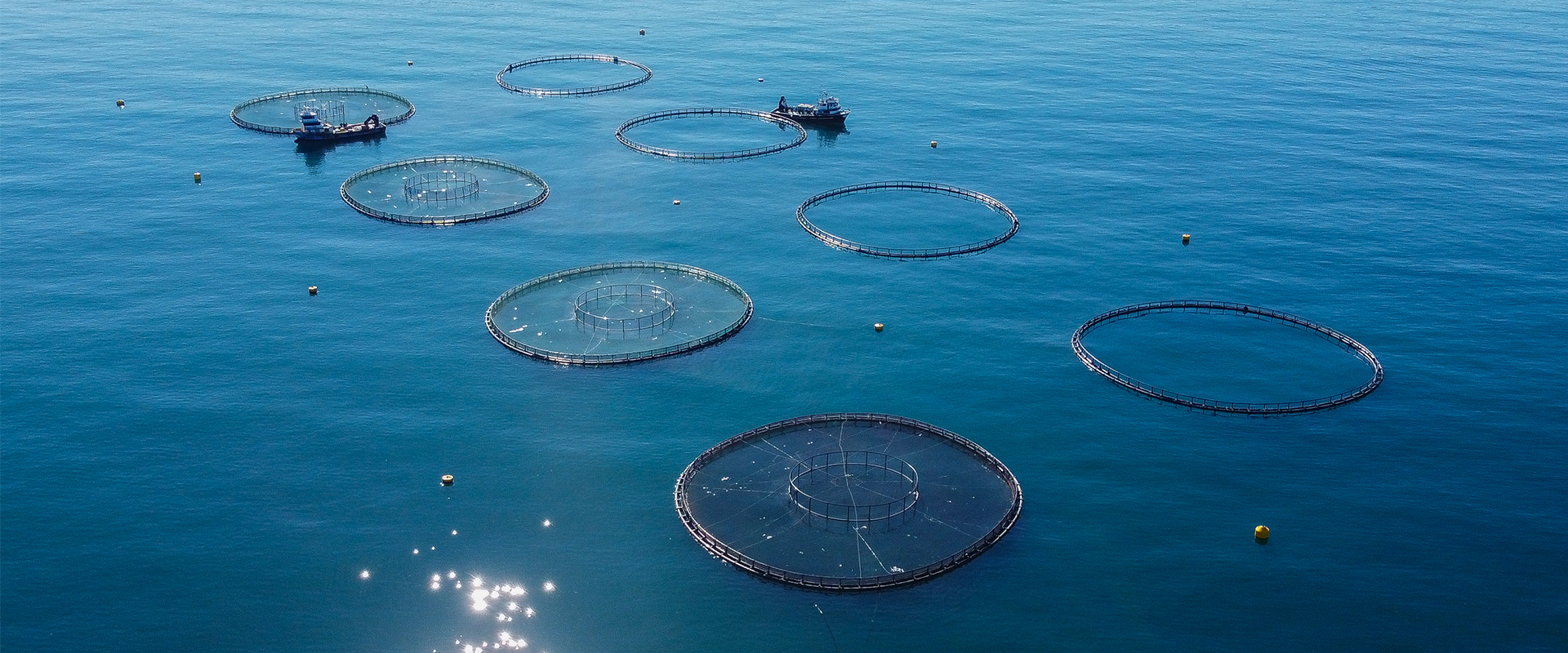
Turkish salmon is commonly associated with aquaculture in the Black Sea region. The surrounding environment, water conditions, production practices, and journey from farm to market can contribute to differences in color, firmness, aroma, and overall eating experience.
That does not mean every salmon portion tastes exactly the same. Instead, it means that buyers should evaluate salmon through a combination of origin, freshness, appearance, texture, and intended use. This approach is especially useful when comparing products for home cooking, food service, or retail selection.
Origin is only the starting point
The Black Sea connection can help explain a product’s identity, but quality should also be judged by freshness, cold-chain handling, appearance, packaging, and reliable product information.
What Should You Look For When Choosing Turkish Salmon?
A clear selection process makes it easier to identify salmon that suits your recipe, nutritional goals, and expectations for freshness.
Check the visual appearance
Fresh salmon generally has a clean, moist appearance and a consistent color appropriate to the cut. Avoid portions that look excessively dry, dull, discolored, or separated from their natural structure.
Consider firmness and texture
The flesh should look firm and cohesive rather than soft, mushy, or heavily damaged. A resilient texture is important because it helps the fish remain intact during cooking.
Look for a clean aroma
Salmon should have a mild, fresh marine smell. A strong sour, ammonia-like, or unpleasant odor is a warning sign that the product may not be suitable for purchase.
Match the cut to the meal
Fillets are convenient for roasting or pan cooking, while portions can simplify serving. The best choice depends on the recipe, cooking method, portion size, and whether the skin is desired.
How Origin Can Influence Salmon’s Eating Experience
Origin does not work in isolation, but it provides useful context when evaluating Turkish salmon.
Environment, feed, and growth conditions
Farmed salmon develops in a controlled production environment, where factors such as water quality, fish welfare practices, feed composition, and growth conditions can influence the product. These elements may affect flesh color, fat distribution, firmness, and flavor intensity.
For buyers, the practical lesson is simple: do not rely on origin alone. A product from the Black Sea can be distinctive, but its quality still depends on how it was raised, processed, transported, and stored.
Flavor is a combination of factors
Salmon’s flavor may range from delicate and buttery to richer and more pronounced. Fat content, freshness, cooking temperature, seasoning, and the cut itself can all change how those characteristics are perceived.
Why Turkish Salmon Is Considered a Practical Food Choice
Beyond flavor, salmon is valued for its nutrient profile and versatility in everyday cooking.
Protein for balanced meals
Salmon provides high-quality protein, making it a useful component of meals that need a satisfying and nutrient-dense centerpiece. Exact nutritional values vary according to the portion and preparation.
Omega-3 fatty acids
Salmon is widely recognized as a source of omega-3 fatty acids. The amount can vary with factors such as feed, fish size, and production conditions, so product-specific information should be consulted when precision matters.
Flexible preparation
Black Sea salmon can work well in roasting, grilling, steaming, pan cooking, and carefully prepared cold dishes. Mild seasoning often allows its natural flavor and texture to remain prominent.
Easy menu integration
Its firm texture and rich taste pair with vegetables, grains, salads, citrus, herbs, and light sauces. This flexibility makes it suitable for both simple weekday meals and more carefully planned menus.
How to Preserve Flavor After Purchase
Even a well-selected salmon portion can lose quality if it is handled carelessly after purchase.
Practical storage habits
- Keep fresh salmon properly chilled from purchase until preparation.
- Follow the storage instructions and use-by guidance on the packaging.
- Keep raw fish separated from ready-to-eat foods to reduce cross-contamination risks.
- If you will not use it promptly, freeze it in suitable, well-sealed packaging.
- Thaw frozen salmon under refrigeration rather than leaving it at room temperature.
These steps help protect texture, aroma, and food safety. They also make it easier to recognize whether the salmon remains in good condition before cooking.
Freshness supports flavor
Clean aroma, firm flesh, and proper chilling are not merely visual concerns. They are central to preserving the delicate balance of flavor and texture associated with quality salmon.
Questions to Ask Before Selecting Black Sea Salmon
Commercial and household buyers can make more consistent decisions by combining product information with direct sensory checks.
- Is the product fresh, chilled, or frozen?
- Is the packaging intact and clearly labeled?
- Does the appearance match the expected cut and condition?
- Is the aroma clean and mild?
- Will the portion suit the planned cooking method?
- Can the product be stored and prepared promptly after purchase?
For a broader overview of nutrition, freshness, and practical selection considerations, explore Kıyak Group’s guide to the benefits of Turkish salmon. It offers a useful starting point for understanding why Turkish salmon is considered by buyers looking beyond a generic product description.
Choose Salmon by Origin, Freshness, and Purpose
Black Sea salmon is distinctive because its regional identity connects with the conditions in which it is produced, while its final flavor depends on a wider chain of factors. Water conditions, feed, handling, freshness, and cooking all contribute to the experience.
When choosing Turkish salmon, focus on clean aroma, firm texture, suitable appearance, clear product information, and responsible storage. This balanced approach helps you evaluate the product more accurately and enjoy the benefits of Turkish salmon with realistic expectations.
A practical evaluation
The best salmon choice is the one whose freshness, cut, origin information, and expected flavor fit your meal and purchasing priorities.
Explore related content
Continue with pages and guides that complement this topic.
Questions about this topic
Clear answers to frequently asked questions related to the blog topic.
What makes Black Sea salmon distinctive?
Its identity is connected to its regional origin and aquaculture environment, while its flavor and texture are also influenced by feed, growth conditions, freshness, handling, and cooking method.
Is Turkish salmon a good source of protein?
Yes. Salmon is generally recognized as a source of high-quality protein. Exact nutritional values vary according to portion size, product characteristics, and preparation method.
Does Turkish salmon contain omega-3?
Salmon is widely known for providing omega-3 fatty acids. The amount may vary depending on factors such as feed and production conditions, so product-specific nutritional information is useful for precise comparisons.
How can I tell whether fresh salmon is good quality?
Look for a clean, mild aroma, moist appearance, consistent color, and firm flesh. Avoid fish with an unpleasant odor, excessive dryness, unusual discoloration, or a mushy texture.
How should Black Sea salmon be stored safely?
Keep it properly chilled, follow the package guidance, separate it from ready-to-eat foods, and freeze it in sealed packaging if it will not be used promptly. Thaw frozen salmon under refrigeration.